main types of transformer
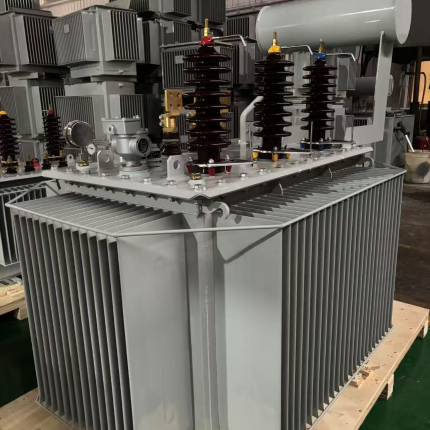
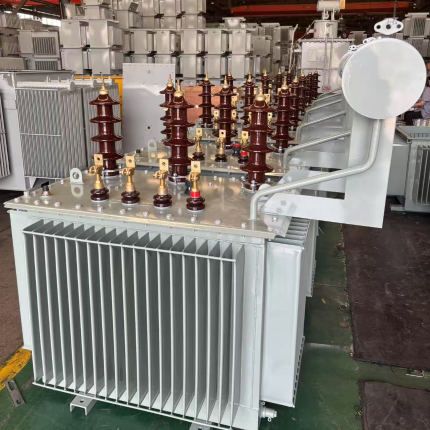
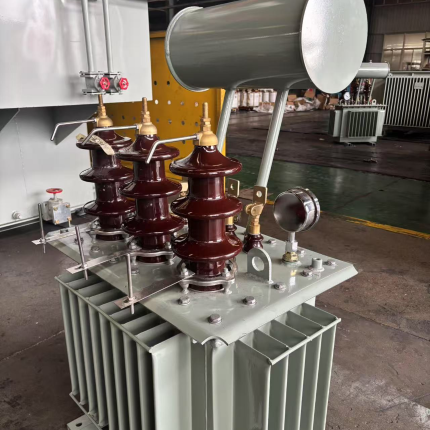
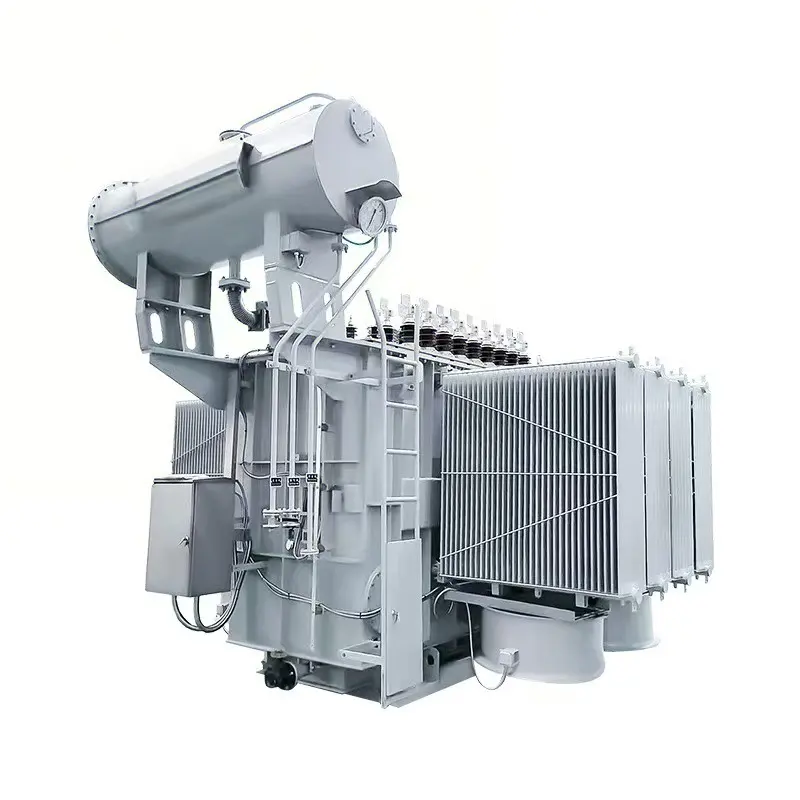
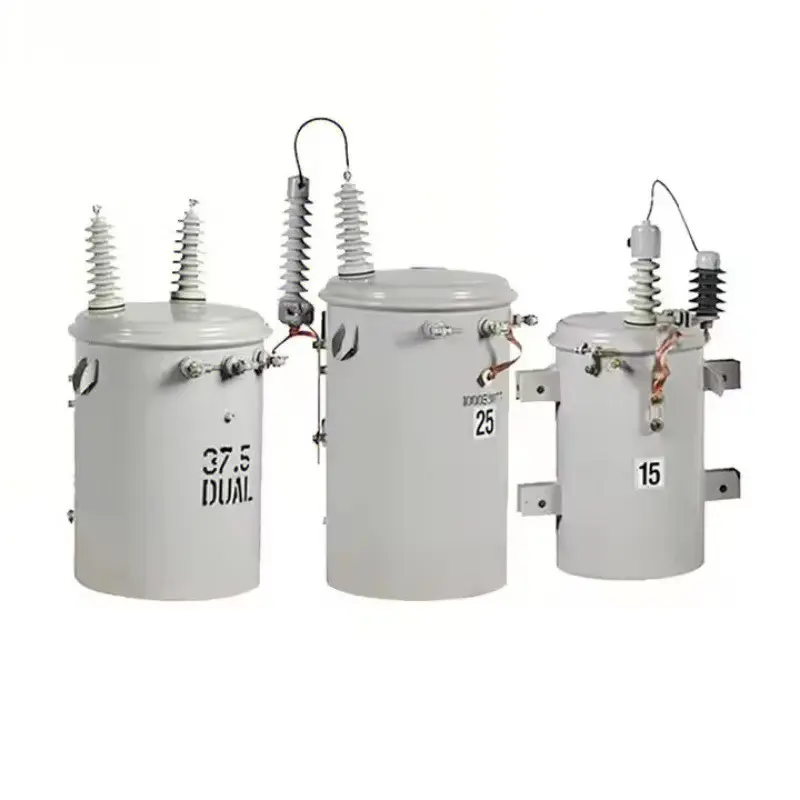
Transformers are essential electrical devices that come in several main types, each designed for specific applications and requirements. The primary categories include power transformers, distribution transformers, and instrument transformers. Power transformers are large units typically found in electrical substations, capable of handling high voltage transmission and operating at frequencies of 50 or 60 Hz. They play a crucial role in power transmission networks by stepping voltage up for long-distance transmission and down for local distribution. Distribution transformers, commonly seen on utility poles or in ground-mounted installations, are designed to convert medium-voltage power to lower voltages suitable for commercial and residential use. These transformers are optimized for efficiency and reliability in daily operations. Instrument transformers, including current and potential transformers, are specialized units used for measurement and protection purposes in electrical systems. They provide accurate voltage and current readings for metering and monitoring equipment. Additionally, isolation transformers serve as safety devices by separating primary and secondary circuits, while autotransformers offer a cost-effective solution for voltage adjustment in specific applications. Each type incorporates specific technological features such as cooling systems, core materials, and winding arrangements tailored to their intended use, ensuring optimal performance and reliability in their respective applications.
 EN
EN