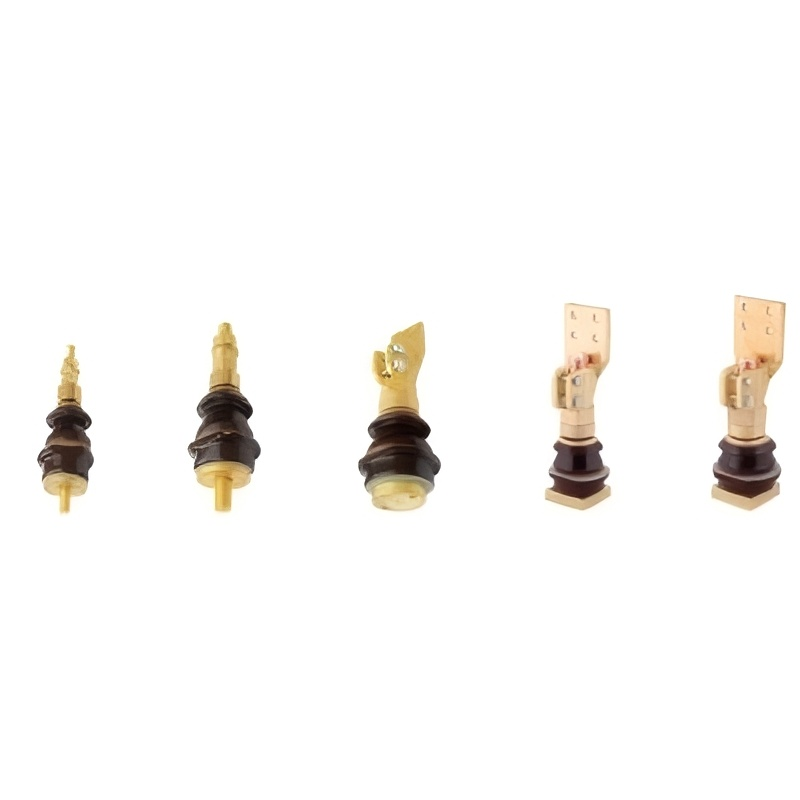
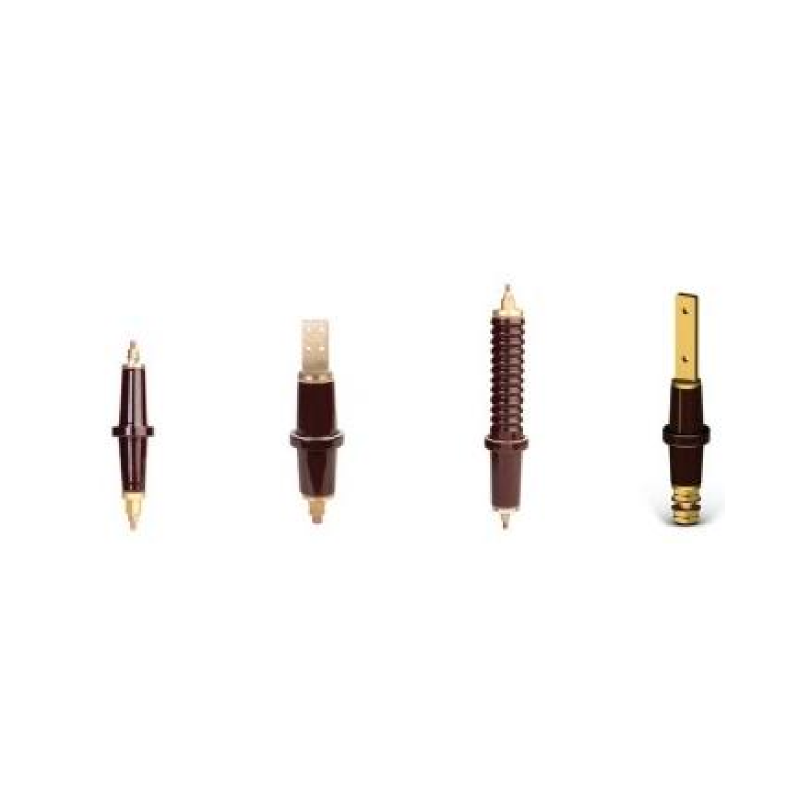
transformer types electrical
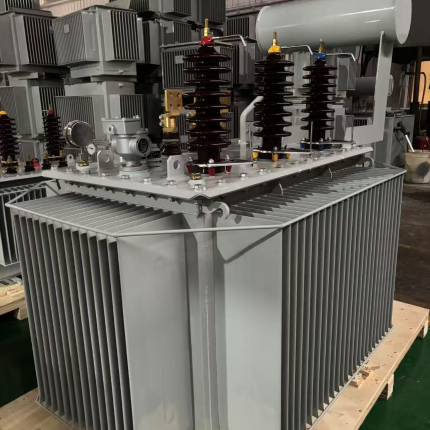
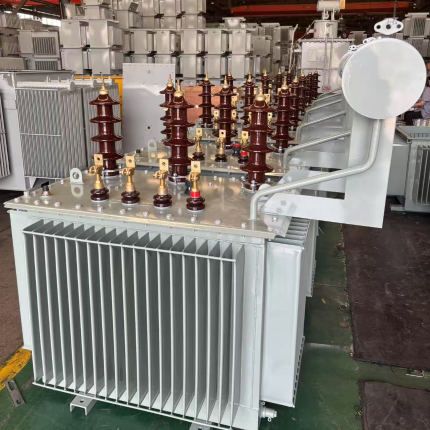
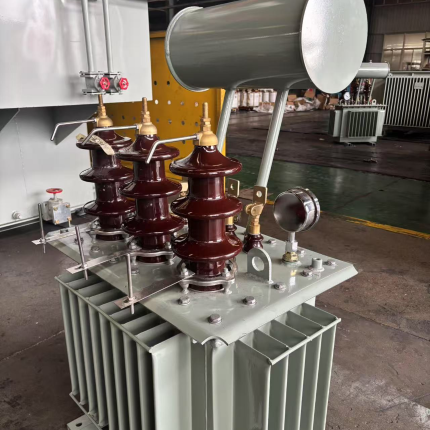
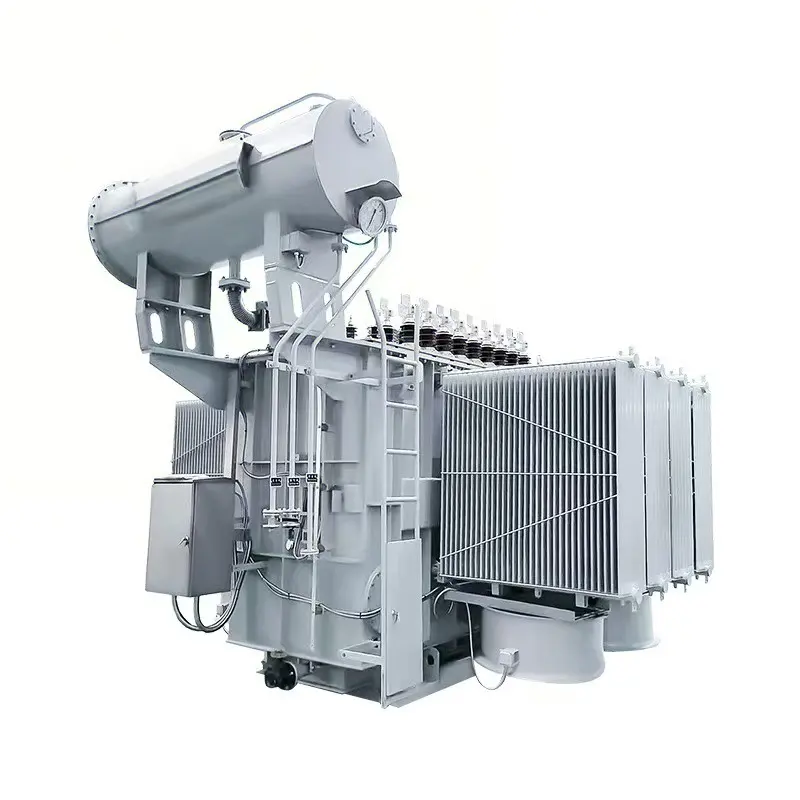
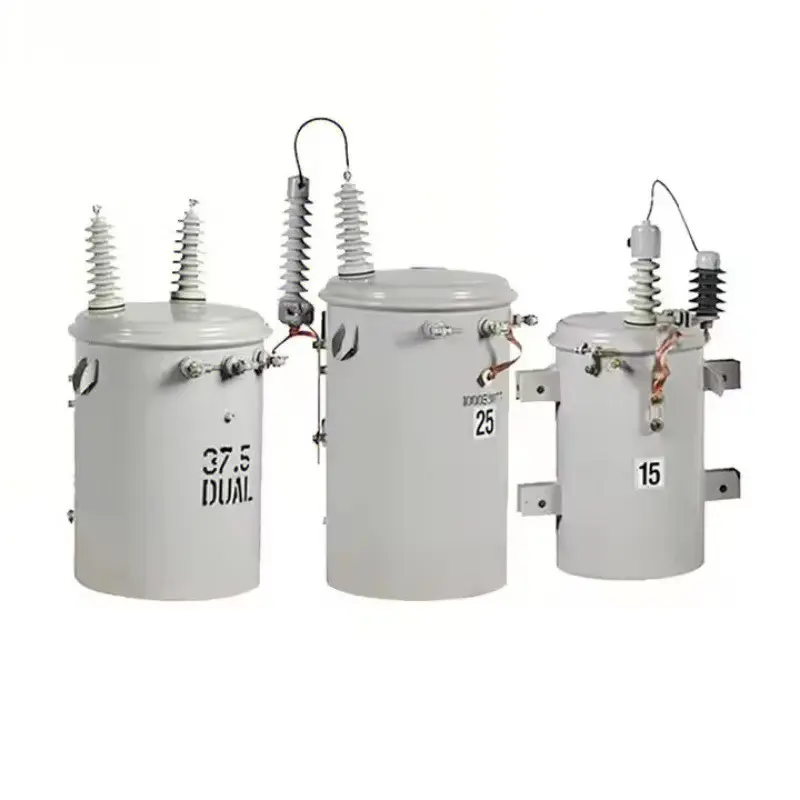
Transformer types electrical represent essential components in power distribution systems, serving as crucial devices that transfer electrical energy between circuits through electromagnetic induction. These transformers come in various configurations, including power transformers, distribution transformers, and specialty transformers, each designed to meet specific operational requirements. Power transformers typically handle high voltage applications in electrical grids, while distribution transformers modify voltage levels for residential and commercial use. The technology behind electrical transformers relies on the principle of magnetic coupling between primary and secondary windings, allowing for efficient voltage conversion while maintaining power consistency. Modern transformer designs incorporate advanced materials like grain-oriented silicon steel cores and sophisticated cooling systems to enhance performance and reliability. These devices play a vital role in maintaining power quality, ensuring voltage stability, and enabling the efficient transmission of electrical energy across vast distances. The application scope extends from utility-scale power distribution to industrial manufacturing, commercial buildings, and residential power supply. Their robust construction and careful engineering ensure long service life, minimal maintenance requirements, and reliable operation under varying load conditions. The selection of specific transformer types depends on factors such as voltage requirements, load characteristics, environmental conditions, and installation specifications.
 EN
EN