Comprehensive Guide to Modern Electrical Transformers: Types, Features, and Applications

Get a Free Quote

Our representative will contact you soon.
Email
Name
Mobile/WhatsApp
Company Name
Message
0/1000

types of transformers in electrical engineering

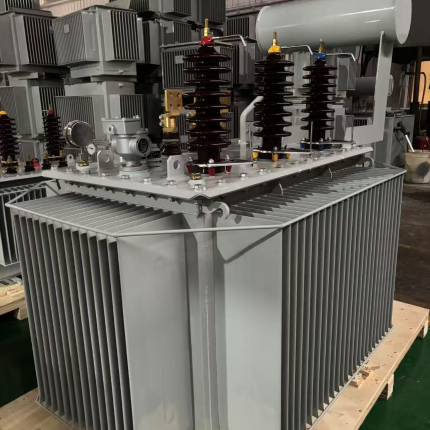
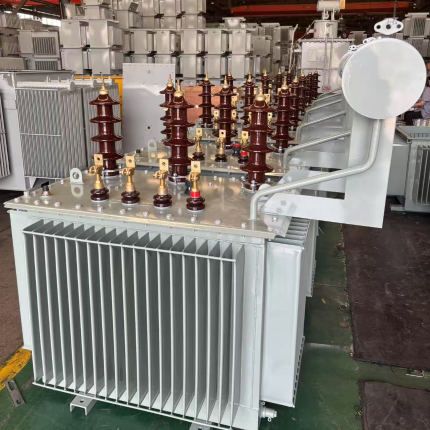
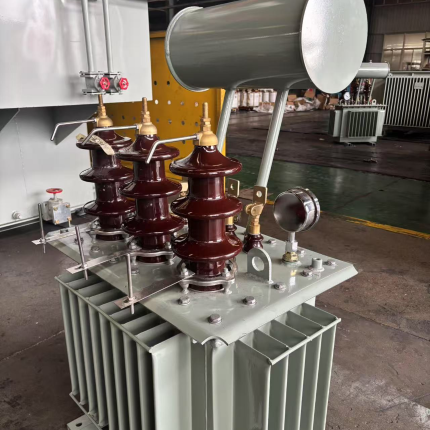
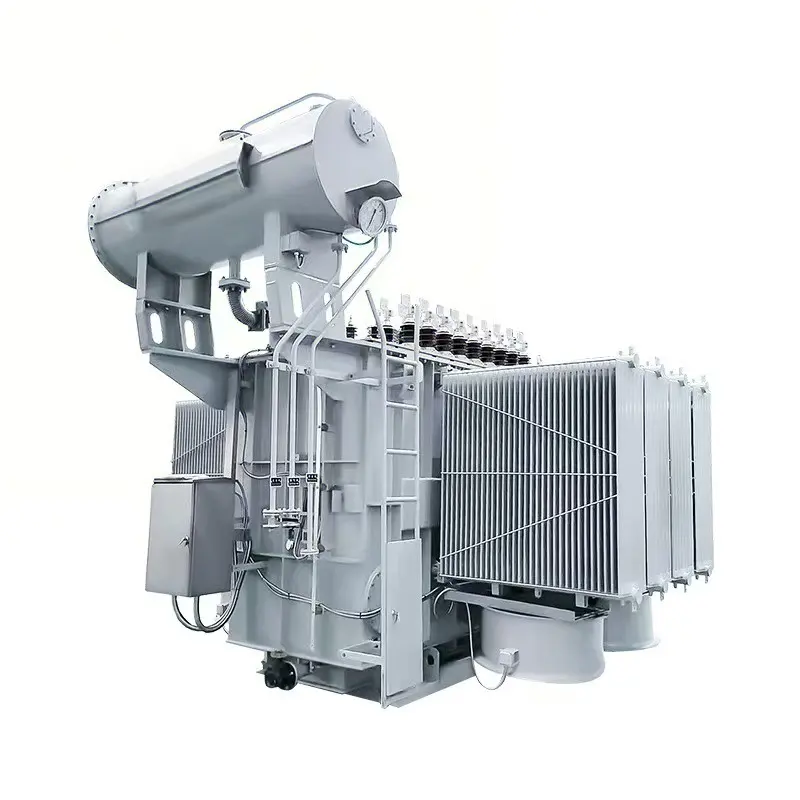
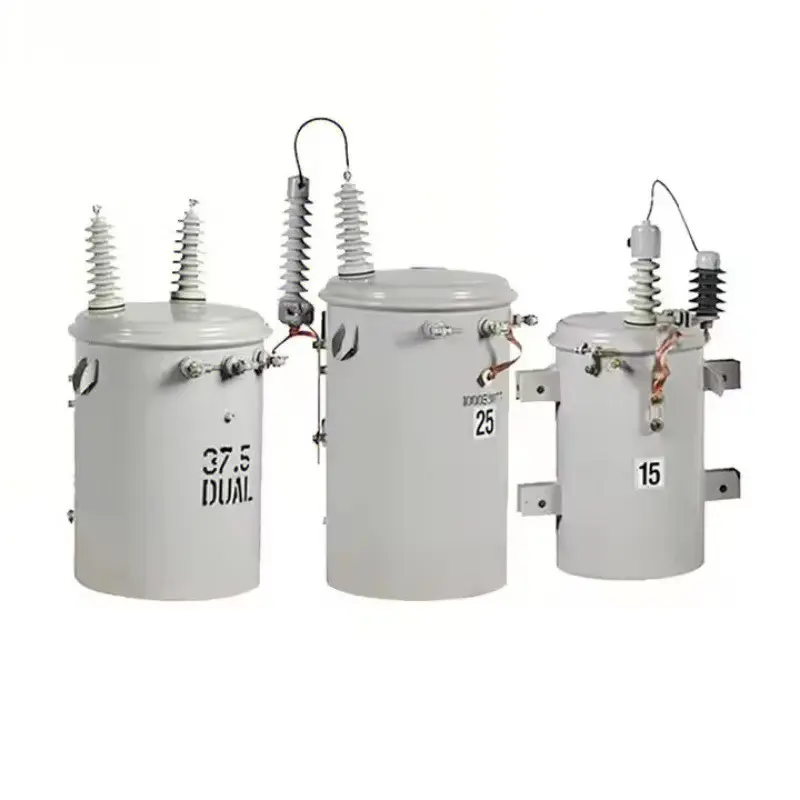
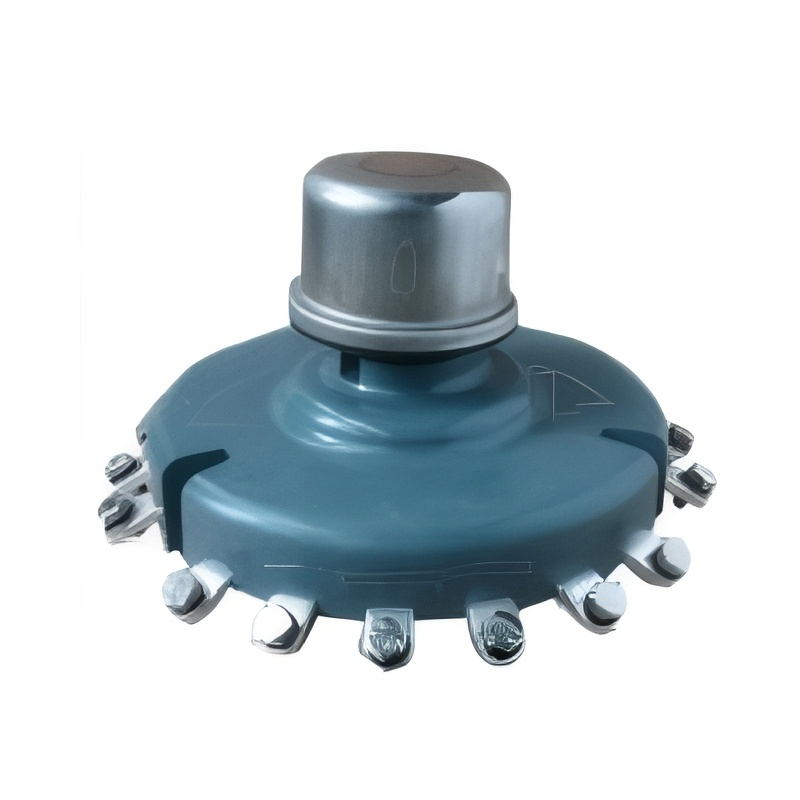
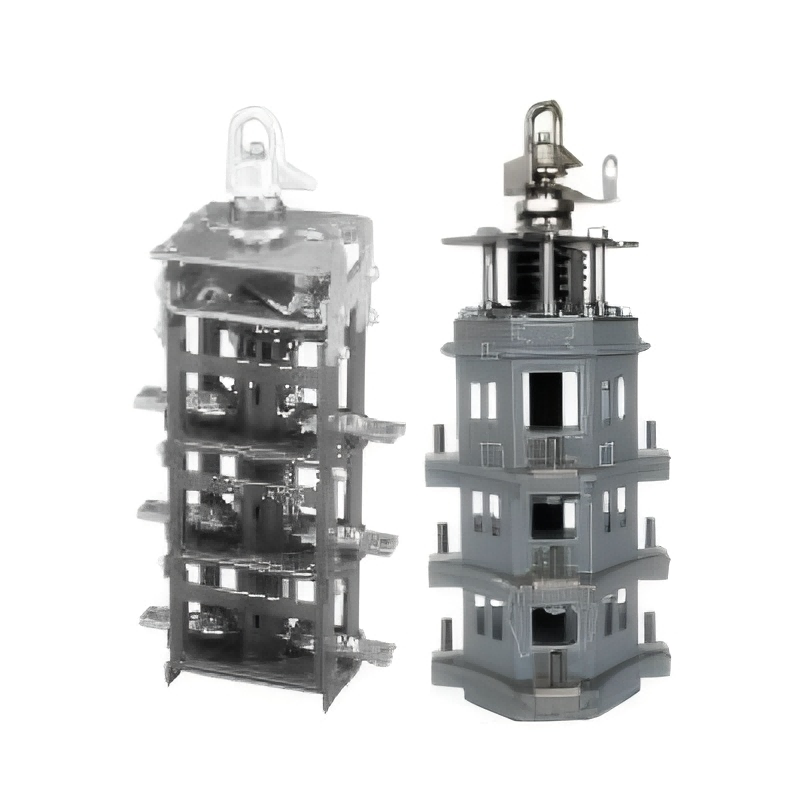
Transformers in electrical engineering are essential devices that transfer electrical energy between circuits through electromagnetic induction. The main types include power transformers, distribution transformers, instrument transformers, and isolation transformers. Power transformers are large units designed for high-voltage transmission, capable of handling voltages from 33kV to 750kV and above. They play a crucial role in power generation stations and transmission substations. Distribution transformers, operating at lower voltages typically between 440V to 33kV, are commonly found in residential and commercial areas, converting high voltage power to usable levels. Instrument transformers, including current and potential transformers, are specialized units used for measurement and protection in electrical systems. They provide accurate scaling of current and voltage for metering and relay protection. Isolation transformers offer electrical separation between circuits, providing safety and noise reduction in sensitive electronic equipment. Auto-transformers, another significant category, are more compact and economical where complete isolation isn't necessary. Each type incorporates specific design features like cooling systems, tap changers, and protection mechanisms to ensure reliable operation. Modern transformers also include smart monitoring systems for real-time performance tracking and predictive maintenance.

New Products

The diverse types of transformers offer distinct advantages that cater to various electrical applications. Power transformers excel in efficiency, typically achieving 98-99% efficiency in energy transfer, making them crucial for minimizing transmission losses in power grids. Their robust construction ensures a long operational life, often exceeding 25 years with proper maintenance. Distribution transformers provide exceptional voltage regulation, maintaining stable output despite input fluctuations, which is essential for consistent power supply to end users. They're designed for outdoor installation with weather-resistant features and require minimal maintenance. Instrument transformers deliver high accuracy in measurements, crucial for billing and system protection. Their compact design allows easy installation in switchgear panels. Isolation transformers effectively block electrical noise and prevent ground loops, making them invaluable in sensitive electronic applications. They provide surge protection and help maintain clean power supply for critical equipment. Auto-transformers offer cost savings through reduced material usage while maintaining high efficiency. Their smaller footprint makes them ideal for space-constrained installations. Modern transformer designs incorporate advanced monitoring capabilities, enabling predictive maintenance and reducing downtime. The use of environmentally friendly materials and improved cooling systems makes current transformers more sustainable and energy-efficient than ever before.

Latest News

Exceptional Supply Chain Integration, Empowering Efficient Transformer Delivery

29

Dec

Exceptional Supply Chain Integration, Empowering Efficient Transformer Delivery

View More
Xuning Leads the New Chapter of Trade by Integrating Resources Amidst Transformer Industry Transformation

29

Dec

Xuning Leads the New Chapter of Trade by Integrating Resources Amidst Transformer Industry Transformation

View More
The Pioneer of Resource Integration in the Transformer Trade Field

29

Dec

The Pioneer of Resource Integration in the Transformer Trade Field

View More

Get a Free Quote

Our representative will contact you soon.
Email
Name
Mobile/WhatsApp
Company Name
Message
0/1000

types of transformers in electrical engineering

Advanced Monitoring and Control Systems

Advanced Monitoring and Control Systems

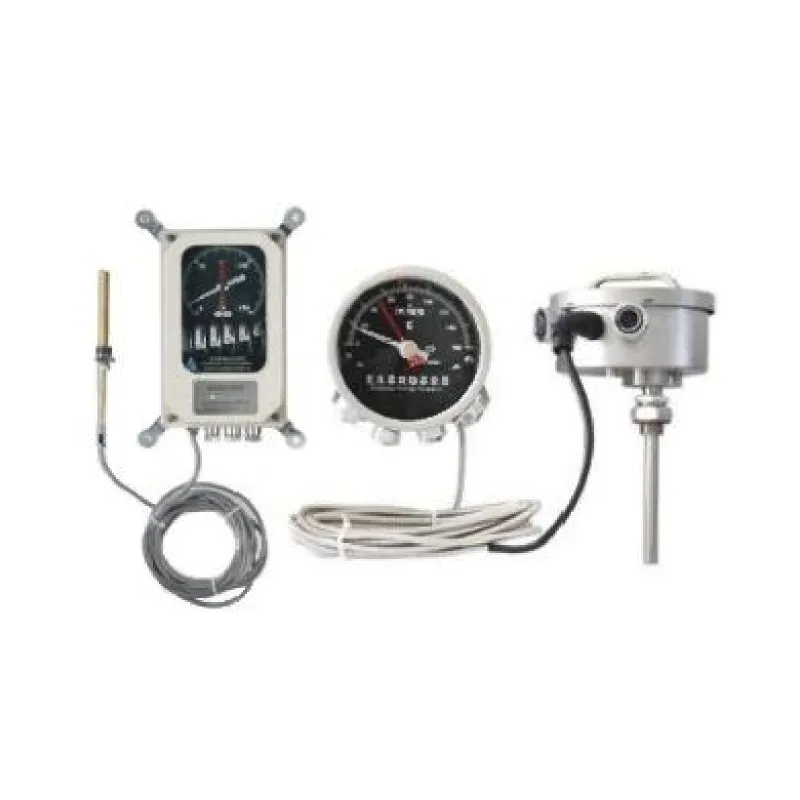
Modern transformers are equipped with sophisticated monitoring and control systems that revolutionize maintenance and operation. These systems include real-time temperature monitoring, load analysis, oil quality sensors, and dissolved gas analysis capabilities. The integration of smart sensors and IoT technology enables continuous performance tracking and early detection of potential issues. This predictive maintenance approach significantly reduces unexpected failures and extends transformer life. The monitoring systems can track key parameters like winding temperature, oil level, moisture content, and partial discharge activity. Data analytics provide insights into transformer health and performance trends, enabling operators to optimize maintenance schedules and prevent costly breakdowns. Remote monitoring capabilities allow for immediate response to abnormal conditions, reducing the need for physical inspections and improving operational efficiency.
Enhanced Energy Efficiency and Environmental Impact

Enhanced Energy Efficiency and Environmental Impact

Modern transformer designs prioritize energy efficiency and environmental sustainability. The use of advanced core materials like amorphous metals and grain-oriented silicon steel significantly reduces core losses. High-grade insulation materials and improved cooling systems minimize winding losses and extend transformer life. These efficiency improvements translate to substantial energy savings over the transformer's operational lifetime. Environmental considerations include the use of biodegradable insulating fluids instead of traditional mineral oil, reducing environmental risks and improving fire safety. The compact design of modern transformers requires less raw material in manufacturing, contributing to resource conservation. Additionally, the implementation of eco-friendly cooling systems and noise reduction technologies makes these transformers suitable for urban installations.
Reliability and Safety Features

Reliability and Safety Features

Contemporary transformers incorporate multiple layers of safety and reliability features. Advanced protection systems include differential protection, overcurrent protection, and temperature monitoring devices that automatically respond to abnormal conditions. Buchholz relays provide early warning of internal faults by detecting gas accumulation. The use of high-quality insulation materials and advanced cooling systems ensures consistent performance under varying load conditions. Safety features include pressure relief devices, automatic tap changers, and comprehensive grounding systems. Modern transformers also feature improved surge protection capabilities to handle power system disturbances. The implementation of fail-safe mechanisms and redundant protection systems ensures maximum reliability and minimal risk of catastrophic failures.
Comprehensive Guide to Modern Electrical Transformers: Types, Features, and Applications

Get a Free Quote

Our representative will contact you soon.
Email
Name
Mobile/WhatsApp
Company Name
Message
0/1000