Comprehensive Guide to Electrical Transformer Types: Features, Benefits, and Applications

Get a Free Quote

Our representative will contact you soon.
Email
Name
Mobile/WhatsApp
Company Name
Message
0/1000

types of transformers electrical engineering

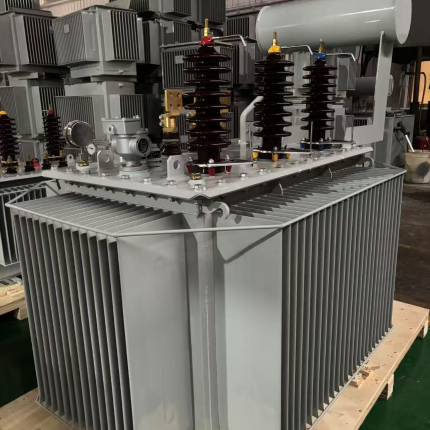
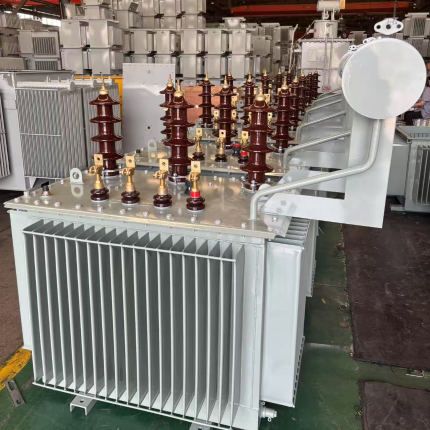
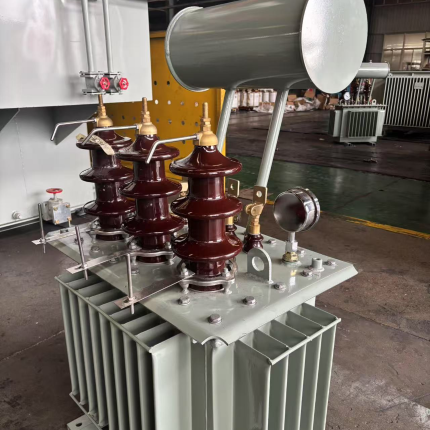
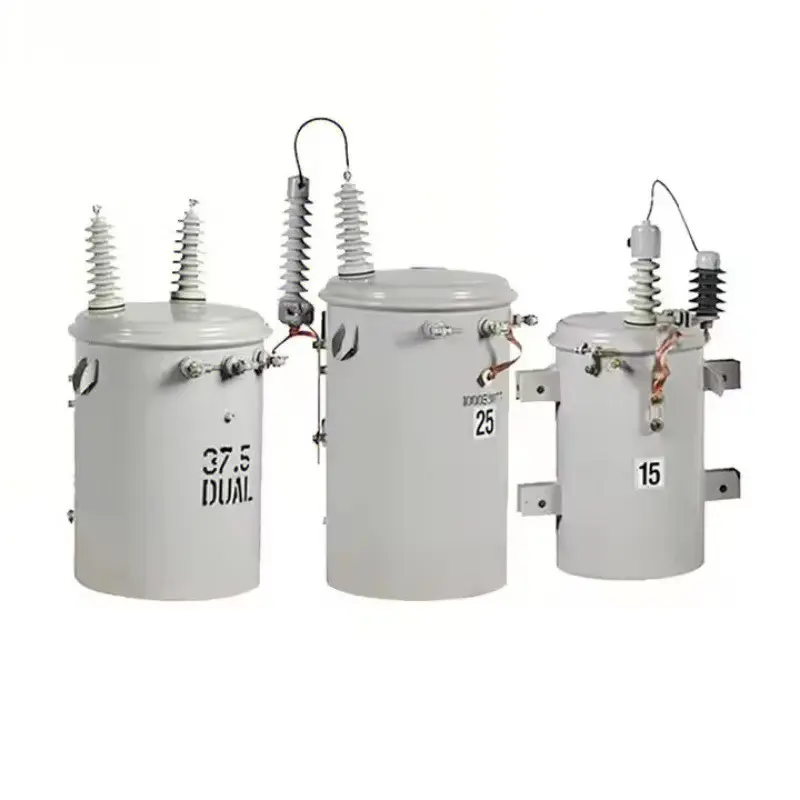
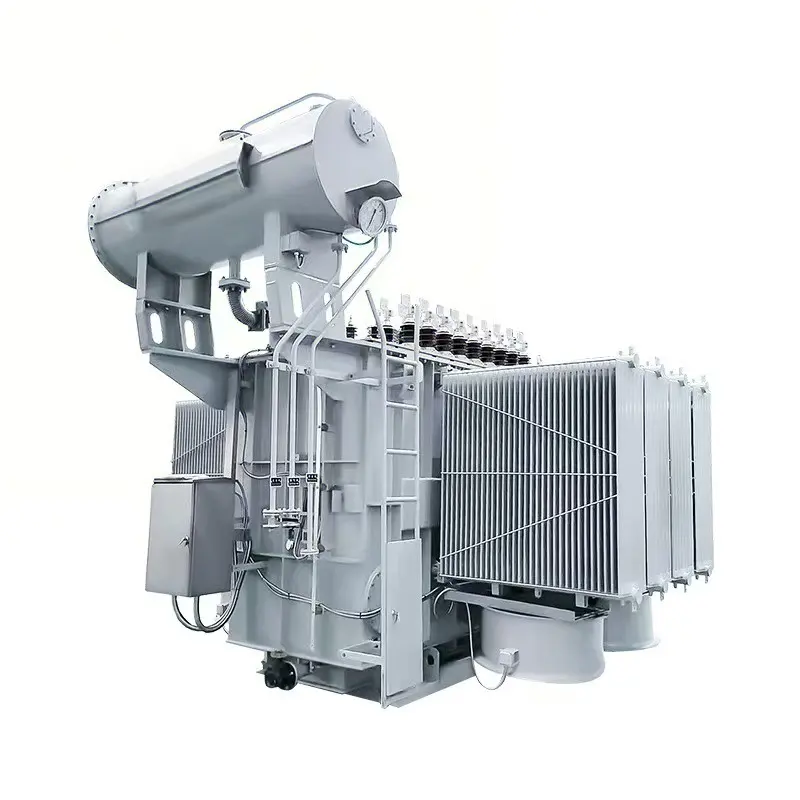
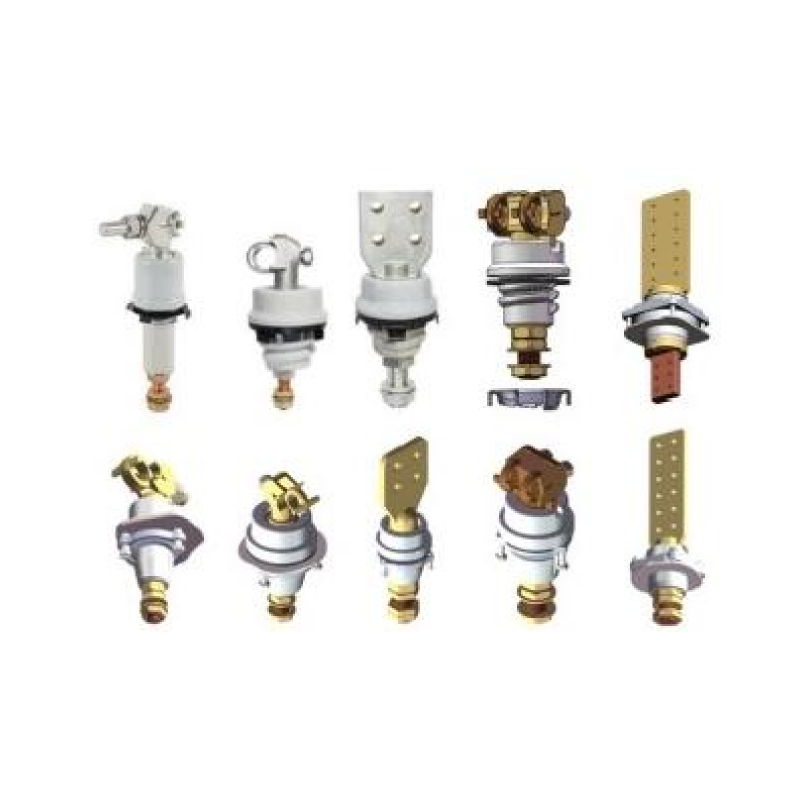
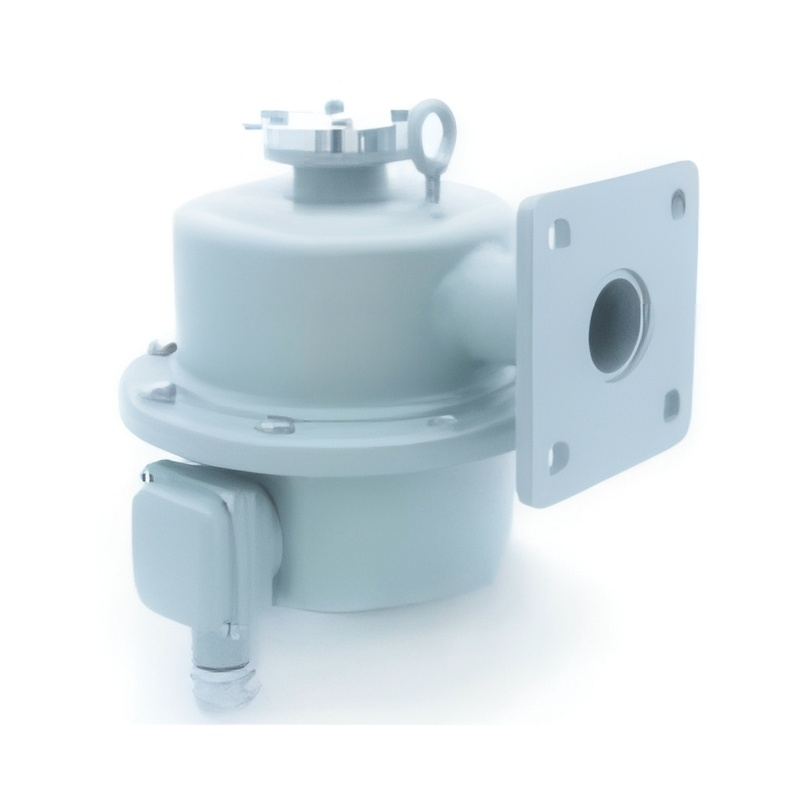
Transformers in electrical engineering are essential devices that transfer electrical energy between circuits through electromagnetic induction. The main types include power transformers, distribution transformers, instrument transformers, and special purpose transformers. Power transformers are large units found in electrical grids, handling high voltages for power transmission. Distribution transformers step down voltage levels for residential and commercial use. Instrument transformers, including current and voltage transformers, provide accurate measurements for metering and protection systems. Special purpose transformers serve specific applications like isolation, voltage regulation, or frequency conversion. Each type features unique core designs, winding arrangements, and cooling systems tailored to their specific functions. The technology employs electromagnetic principles to achieve voltage transformation while maintaining power consistency. Modern transformers incorporate advanced materials like grain-oriented silicon steel cores and advanced insulation systems for improved efficiency. These devices are crucial in power distribution networks, industrial facilities, and consumer electronics, enabling safe and efficient power delivery across various voltage levels. Their design considerations include factors such as voltage ratio, power rating, efficiency, cooling method, and environmental conditions.

New Products

Types of transformers in electrical engineering offer numerous practical benefits that make them indispensable in modern power systems. Power transformers enable long-distance power transmission by stepping up voltage levels, significantly reducing transmission losses and improving system efficiency. Distribution transformers provide safe, reliable power delivery to end-users by converting high voltage power to usable levels. The versatility of special purpose transformers allows for customized solutions in specific applications, from industrial processes to renewable energy systems. Instrument transformers ensure accurate power measurement and system protection, enhancing grid reliability and safety. Modern transformer designs incorporate advanced cooling systems and intelligent monitoring capabilities, reducing maintenance requirements and extending operational life. The use of high-quality core materials and improved winding techniques results in better energy efficiency and reduced operating costs. These devices offer excellent voltage regulation capabilities, maintaining stable output voltage despite input fluctuations. Their modular design facilitates easier installation and replacement, minimizing downtime during maintenance or upgrades. The robust construction ensures long-term reliability and durability, even in harsh environmental conditions. Additionally, modern transformers feature enhanced safety features, including built-in protection against overloading, short circuits, and thermal stress. Their silent operation makes them suitable for various installation locations, from urban substations to residential areas. The standardization of transformer designs enables compatibility across different manufacturers and systems, simplifying procurement and maintenance processes.

Practical Tips

Exceptional Supply Chain Integration, Empowering Efficient Transformer Delivery

29

Dec

Exceptional Supply Chain Integration, Empowering Efficient Transformer Delivery

View More
Xuning Leads the New Chapter of Trade by Integrating Resources Amidst Transformer Industry Transformation

29

Dec

Xuning Leads the New Chapter of Trade by Integrating Resources Amidst Transformer Industry Transformation

View More
The Pioneer of Resource Integration in the Transformer Trade Field

29

Dec

The Pioneer of Resource Integration in the Transformer Trade Field

View More

Get a Free Quote

Our representative will contact you soon.
Email
Name
Mobile/WhatsApp
Company Name
Message
0/1000

types of transformers electrical engineering

Advanced Efficiency and Energy Management

Advanced Efficiency and Energy Management

Modern transformer designs incorporate cutting-edge technologies that significantly enhance energy efficiency and management capabilities. The use of advanced core materials, such as amorphous metals and grain-oriented silicon steel, minimizes core losses and improves overall efficiency. These materials, combined with optimized winding designs, reduce energy waste through heat generation and magnetic flux leakage. Smart monitoring systems integrated into modern transformers provide real-time performance data, enabling predictive maintenance and optimal operation. The improved efficiency directly translates to lower operating costs and reduced environmental impact, making these transformers particularly attractive for energy-conscious applications.
Enhanced Safety and Reliability Features

Enhanced Safety and Reliability Features

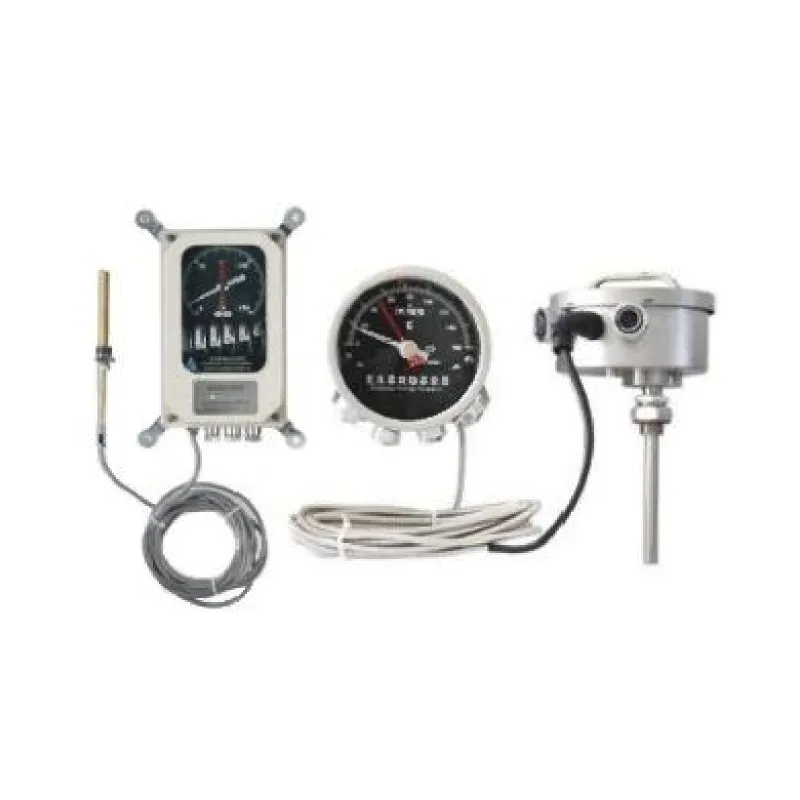
Contemporary transformer designs prioritize safety and reliability through multiple innovative features. Advanced thermal management systems prevent overheating, while sophisticated protection mechanisms guard against electrical faults and overloads. The implementation of sealed tank designs and high-quality insulation materials ensures safe operation in various environmental conditions. Monitoring systems continuously assess key parameters like temperature, pressure, and oil quality, providing early warning of potential issues. These safety features not only protect the equipment but also ensure uninterrupted power supply and extend the transformer's operational lifespan.
Flexibility and Customization Options

Flexibility and Customization Options

Modern transformer systems offer unprecedented flexibility and customization options to meet specific application requirements. From compact designs for space-constrained installations to specialized configurations for renewable energy integration, manufacturers can tailor transformers to exact specifications. Advanced manufacturing techniques allow for precise control of electrical parameters, enabling optimized performance for specific load conditions. The modular design approach facilitates future upgrades and modifications, making these transformers adaptable to changing power requirements. This flexibility extends to installation options, maintenance accessibility, and integration with existing power systems.
Comprehensive Guide to Electrical Transformer Types: Features, Benefits, and Applications

Get a Free Quote

Our representative will contact you soon.
Email
Name
Mobile/WhatsApp
Company Name
Message
0/1000