Currently, the global transformer industry is facing a dual landscape of challenges and opportunities amid the global energy transition and stricter environmental regulations. As a core component of the power system, transformers are pivotal to ensuring stable power transmission and distribution, and their development trajectory is closely linked to the evolution of the energy sector. On the one hand, the rapid development of the new energy industry, especially the large-scale integration of distributed energy sources such as wind power and photovoltaics into the power grid, has raised new and higher requirements for the adaptability and intelligence level of transformers. Unlike traditional centralized power generation, distributed energy sources have the characteristics of intermittent and fluctuating output, which requires transformers to have stronger voltage regulation capabilities and faster response speeds to maintain the stability of the power grid. For example, in photovoltaic power plants, transformers need to adapt to the drastic changes in power generation output caused by weather and light intensity, which puts forward strict requirements for their load-bearing capacity and adjustment performance. On the other hand, with countries around the world paying increasing attention to energy conservation, emission reduction, and environmental protection, a series of relevant policies and standards have been introduced to restrict high-energy-consuming and high-pollution products. This has driven the transformer industry to accelerate its transformation towards high efficiency, energy conservation, low noise, and environmental friendliness. Outdated transformers with high energy consumption are being gradually phased out, and green and low-carbon transformers have become the mainstream direction of market demand. In this context, the role of transformer traders has become increasingly crucial. They are no longer just simple intermediaries connecting supply and demand, but also need to have strong resource integration capabilities to match upstream manufacturers with downstream market needs accurately. Meanwhile, they must possess professional technical service capabilities to help customers select suitable products and solve technical problems in the application process, thereby promoting the healthy development of the entire industry chain.
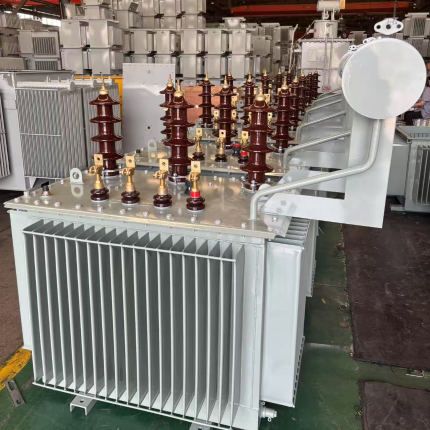
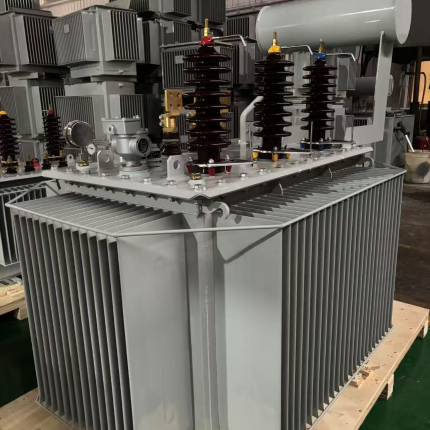
In this wave of industry transformation, Xuning has stood out by virtue of its forward-looking strategic layout and the construction of a comprehensive and multi-level factory resource system. The company has always adhered to the concept of win-win cooperation and has established in-depth cooperative relations with a number of high-quality factories after strict screening. These cooperative factories are equipped with advanced production equipment, mature production processes, and rich industry experience, and have strong R&D capabilities in transformer technology innovation. Specifically, in the field of oil-immersed transformers, which are widely used in large-scale power transmission projects, industrial parks, and other scenarios, Xuning’s cooperative factories have long been committed to technological innovation in key links such as the research and development of insulation materials and the optimization of cooling systems. They have developed high-performance composite insulation materials through continuous experiments and improvements, which not only improve the insulation performance of transformers but also extend their service life. At the same time, the optimized cooling system adopted by these factories effectively enhances the heat dissipation efficiency of transformers, enabling them to operate stably under high-load and high-temperature conditions. The oil-immersed transformers produced by these cooperative factories have obvious advantages in large-capacity and high-voltage applications. Their rated capacity can reach up to several hundred MVA, and the voltage level covers a wide range, which can fully meet the needs of large-scale power transmission projects. These products can effectively reduce transmission losses, improve the transmission efficiency of the power grid, and have been widely used in cross-regional power transmission projects and large industrial bases at home and abroad, winning unanimous praise from customers.
At the same time, in the dry-type transformer segment, which is highly demanded in scenarios with strict safety and environmental requirements, Xuning’s partner factories have focused on the application of new materials and structural design innovation. They have adopted environmentally friendly, non-flammable epoxy resin materials to replace traditional materials, which not only improves the fire and explosion prevention performance of transformers but also reduces environmental pollution. In terms of structural design, the factories have optimized the coil structure through advanced simulation technology, which enhances the mechanical strength of the transformers and reduces their operating noise. In addition, these dry-type transformers are equipped with highly intelligent monitoring and control systems, which can realize real-time monitoring of operating parameters such as temperature, humidity, and load. Once an abnormal situation occurs, the system can issue an alarm in time and provide corresponding solutions, which greatly improves the reliability and safety of the equipment. These excellent performance characteristics make Xuning’s cooperative dry-type transformers widely applicable to projects with strict safety and environmental requirements, such as densely populated residential areas, large commercial complexes, high-end medical facilities, and data centers. They can not only ensure the safe and stable operation of power equipment but also meet the environmental protection needs of the projects, providing strong support for the construction of green cities.
Xuning’s resource integration model has not only enhanced its own core competitiveness in the transformer trade field but also provided a useful reference for the development of the entire industry. By integrating high-quality factory resources, the company has effectively improved the quality and diversity of its product supply, enabling it to better respond to the personalized needs of global customers. In the future, with the deepening of the global energy transition, Xuning will continue to optimize its resource integration system, strengthen technological cooperation with cooperative factories, and strive to provide more high-quality and efficient transformer solutions for the global market, contributing to the sustainable development of the global energy industry.
 EN
EN