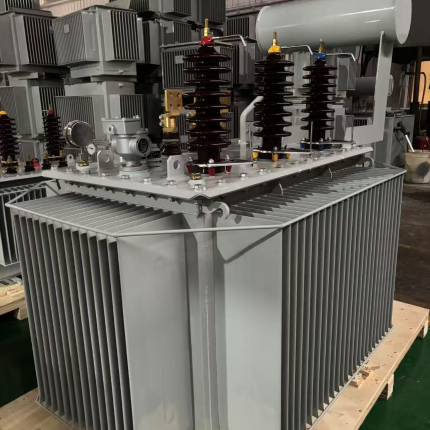
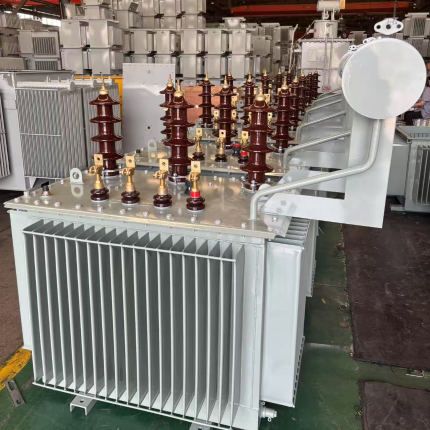
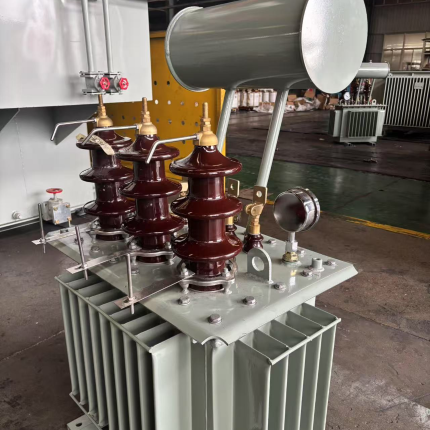
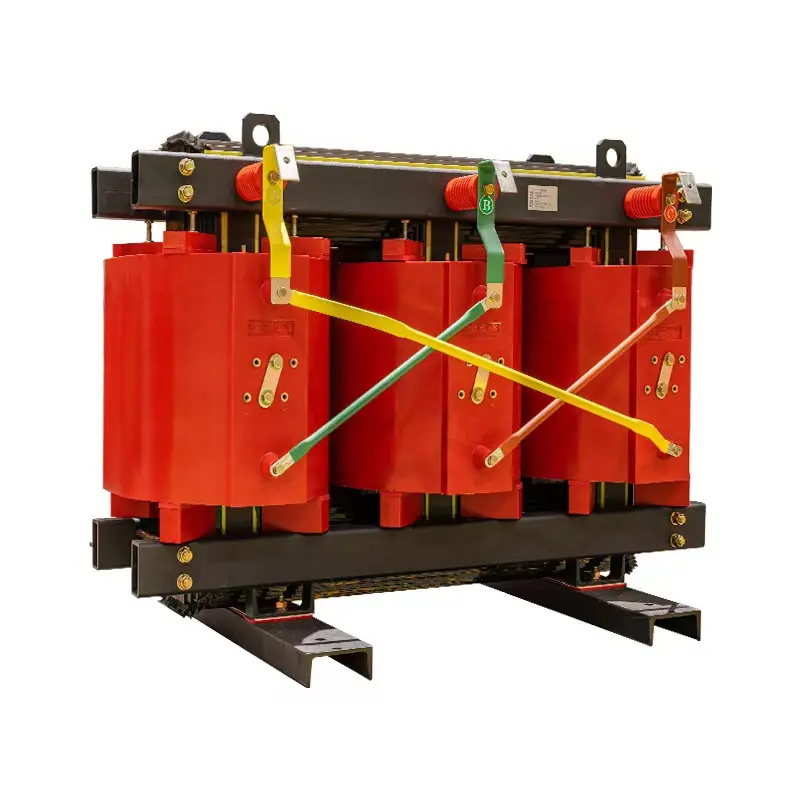
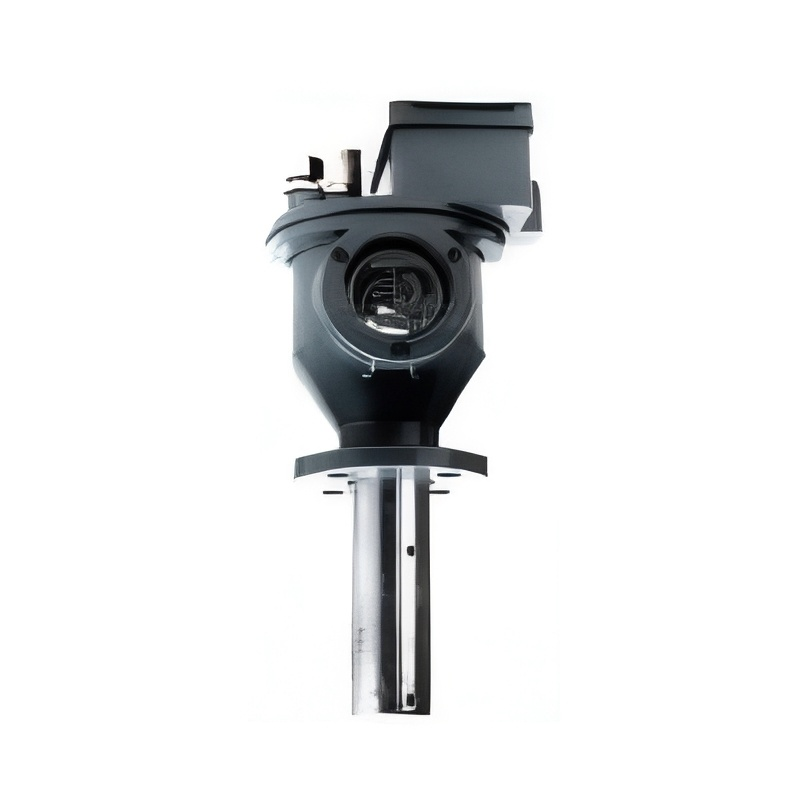
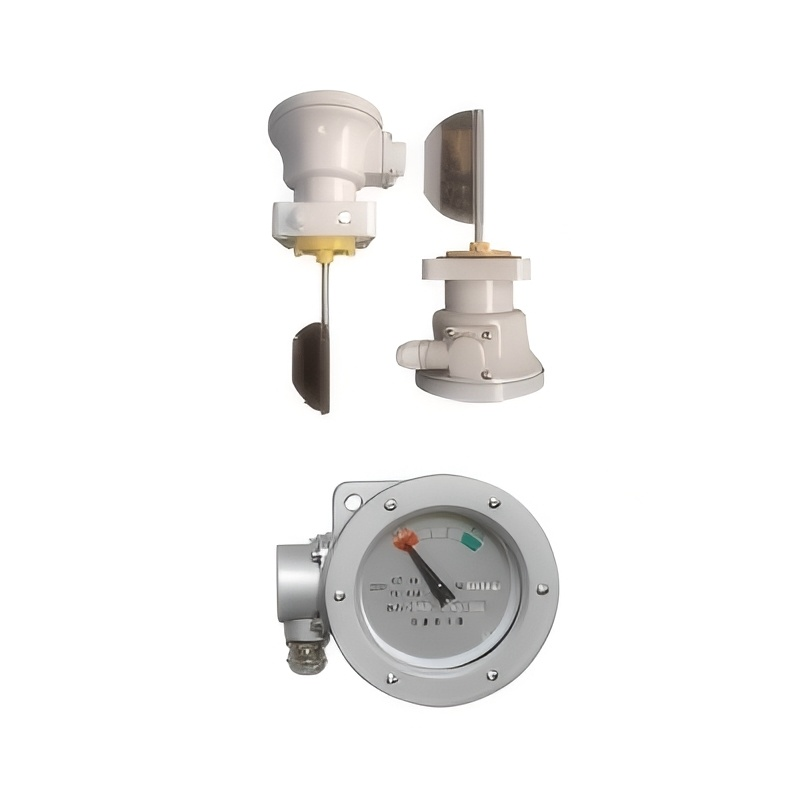
residential electric transformer
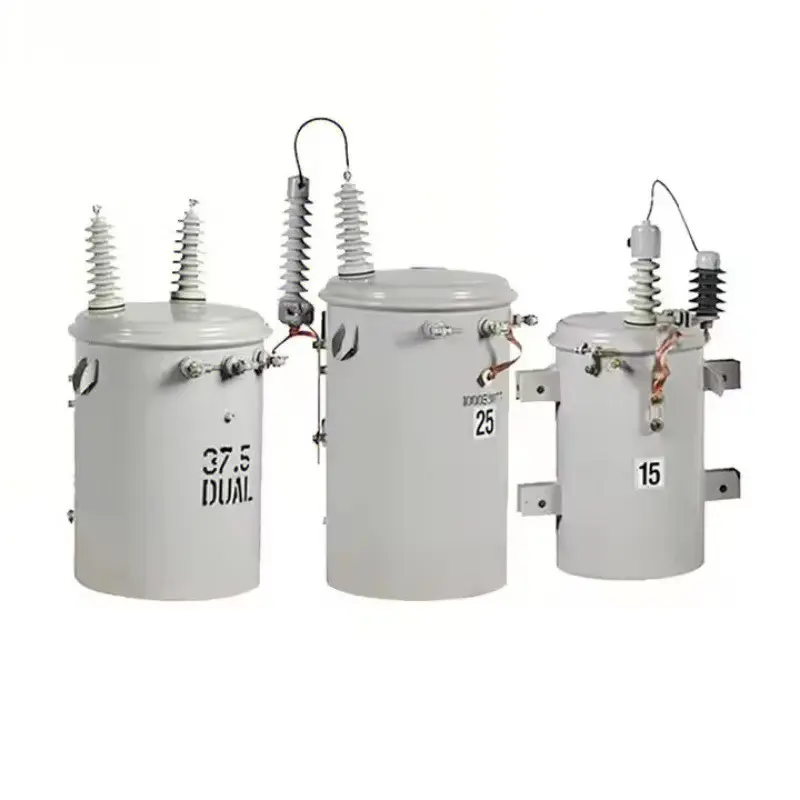
A residential electric transformer is a crucial component in modern home electrical systems, serving as a vital link between the utility power grid and household electrical circuits. This device efficiently converts high-voltage electricity from power lines to safer, lower-voltage levels suitable for residential use, typically stepping down voltage from several thousand volts to 120/240 volts. The transformer consists of two main components: the primary winding, which receives incoming high-voltage power, and the secondary winding, which delivers the transformed lower-voltage electricity. Modern residential transformers incorporate advanced safety features, including thermal protection systems, surge suppression capabilities, and weather-resistant housings. These units are designed with efficiency in mind, minimizing energy loss during voltage conversion while maintaining stable power output. The transformer's role extends beyond simple voltage conversion, as it also helps isolate household circuits from the main power grid, providing an additional layer of protection against power surges and electrical disturbances. Installation locations vary depending on the home's design, with pole-mounted and pad-mounted options being the most common configurations for residential applications.
 EN
EN