types of transformer in electrical engineering
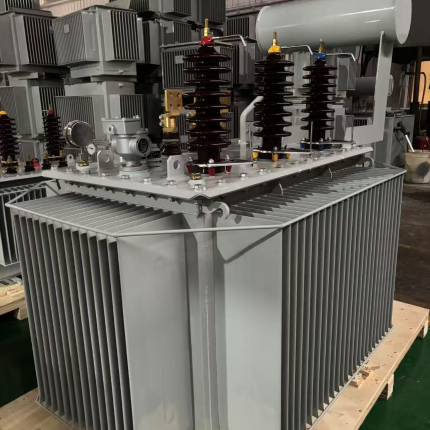
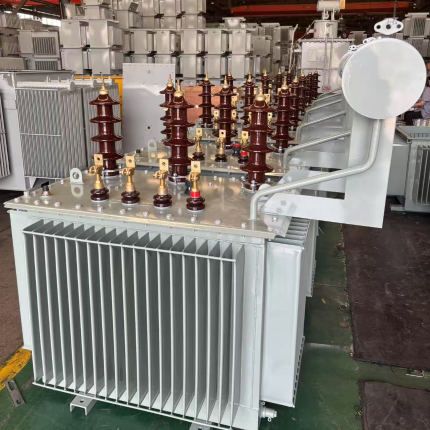
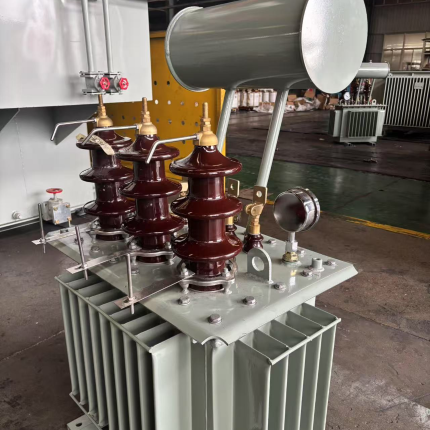
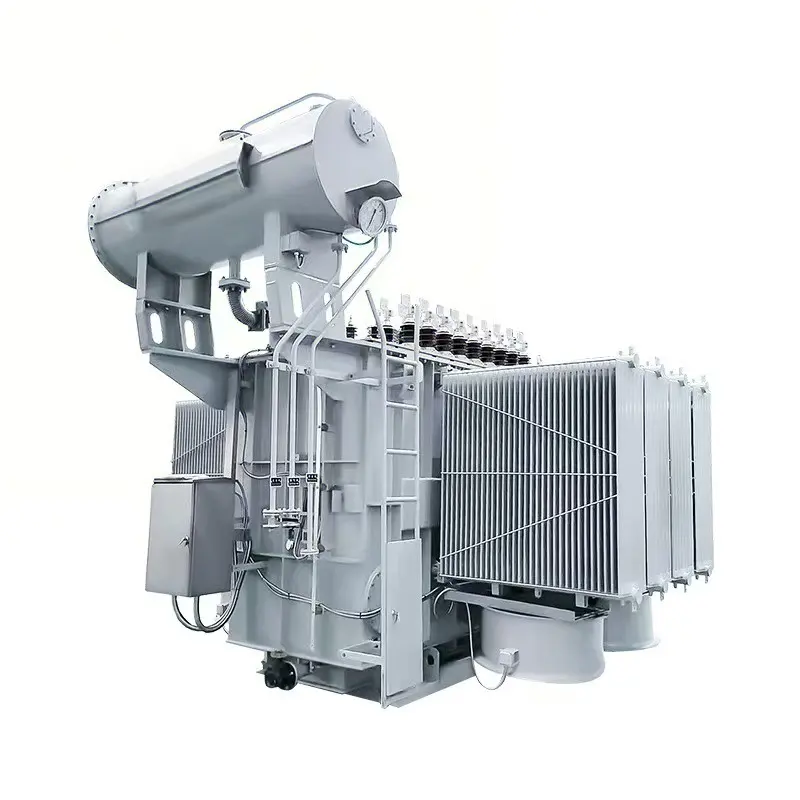
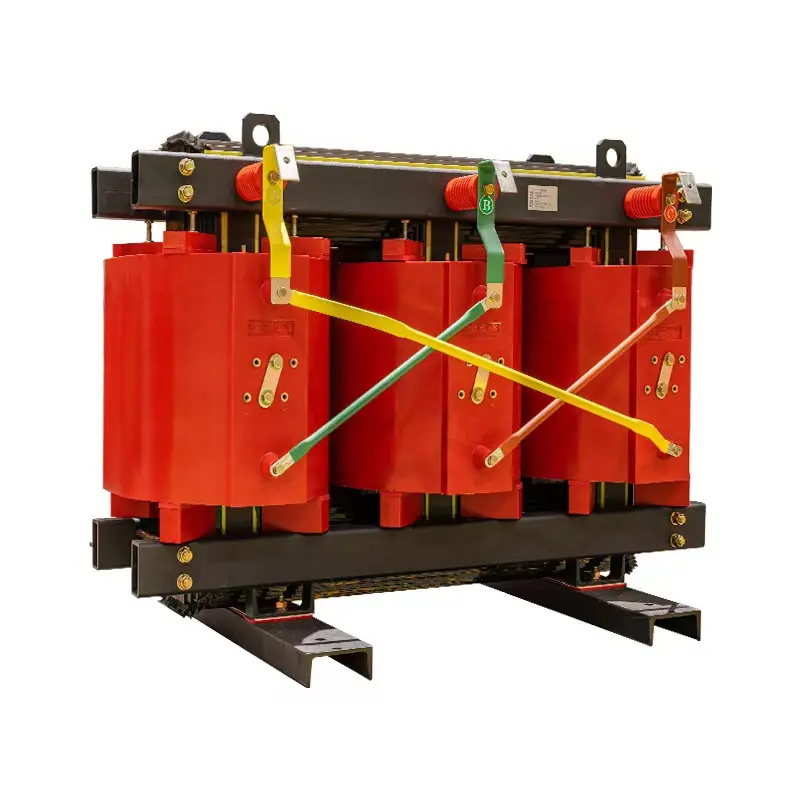
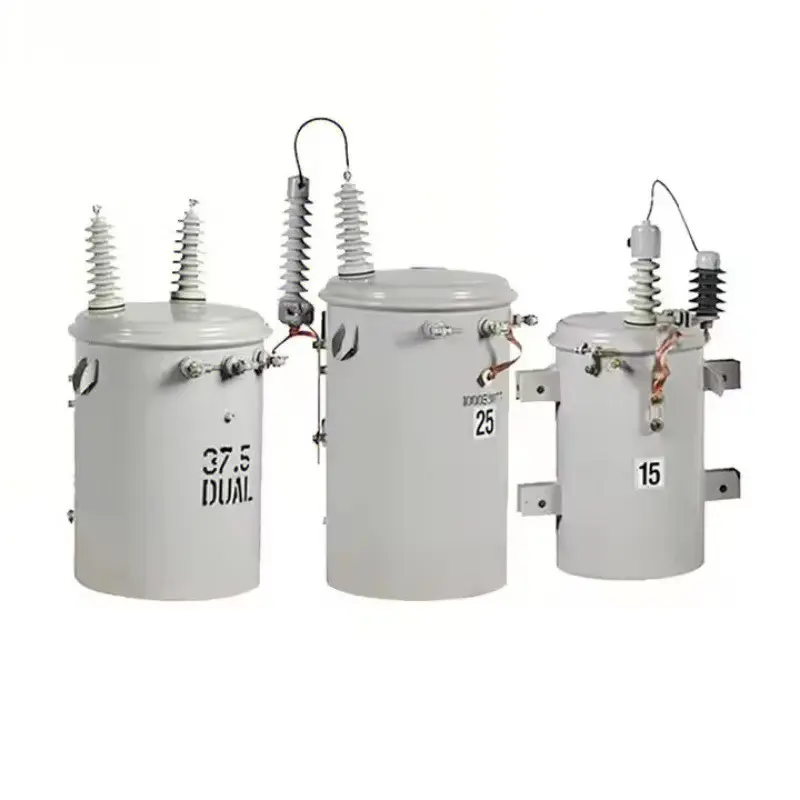
Transformers in electrical engineering are essential devices that transfer electrical energy between circuits through electromagnetic induction. The main types include power transformers, distribution transformers, instrument transformers, and isolation transformers. Power transformers are large units found in electrical grids, handling high voltages and enabling long-distance power transmission. Distribution transformers step down voltage levels for commercial and residential use. Instrument transformers, including current and voltage transformers, provide accurate measurements for metering and protection systems. Isolation transformers provide electrical separation between circuits for safety and noise reduction. Autotransformers offer a cost-effective solution for voltage adjustment with a single winding. Each type features specific core designs, winding arrangements, and cooling systems tailored to their applications. Modern transformers incorporate advanced materials like amorphous metals and sophisticated monitoring systems for enhanced efficiency and reliability. These devices are crucial in power generation plants, industrial facilities, renewable energy systems, and consumer electronics, forming the backbone of electrical power distribution networks worldwide.
 EN
EN