electronic transformer types
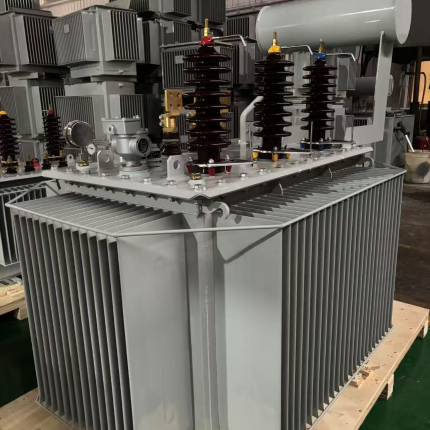
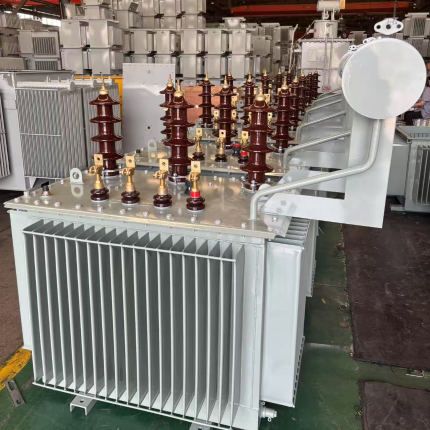
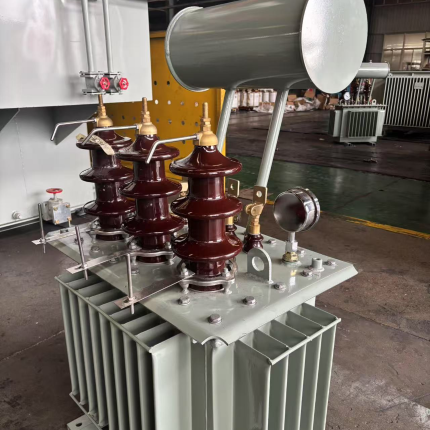
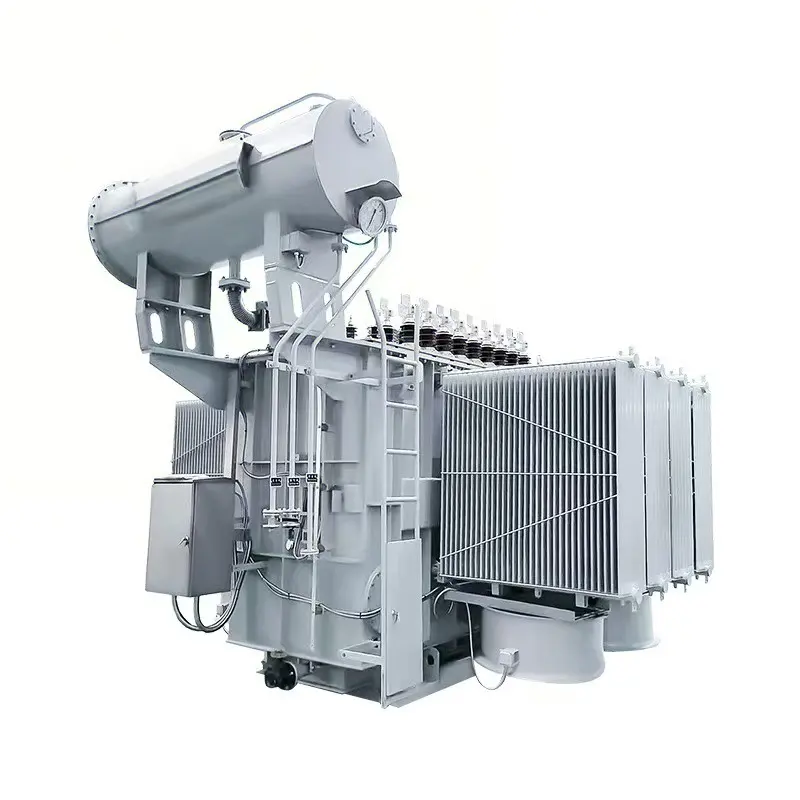
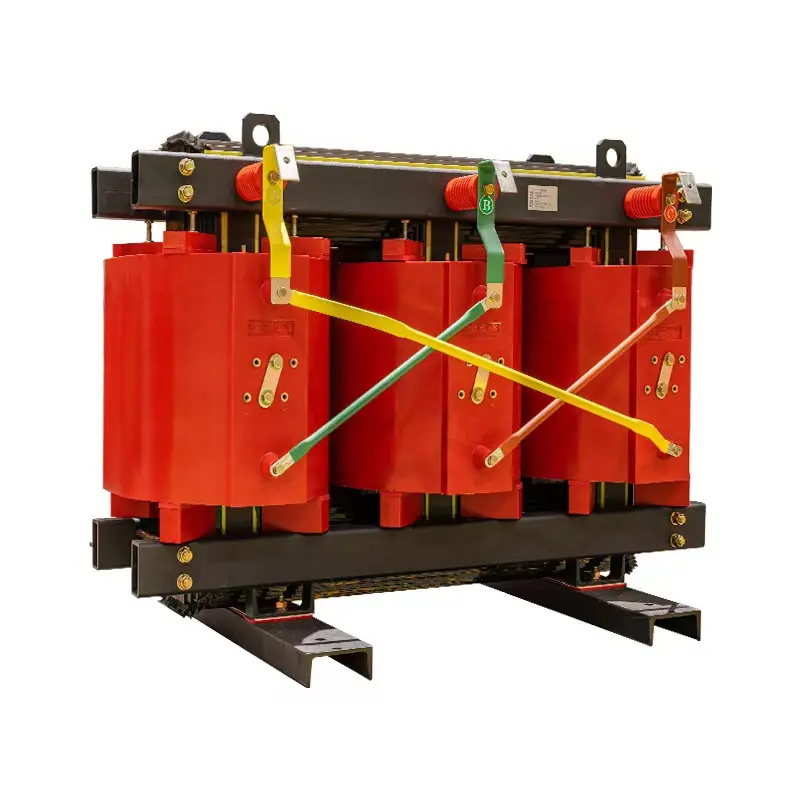
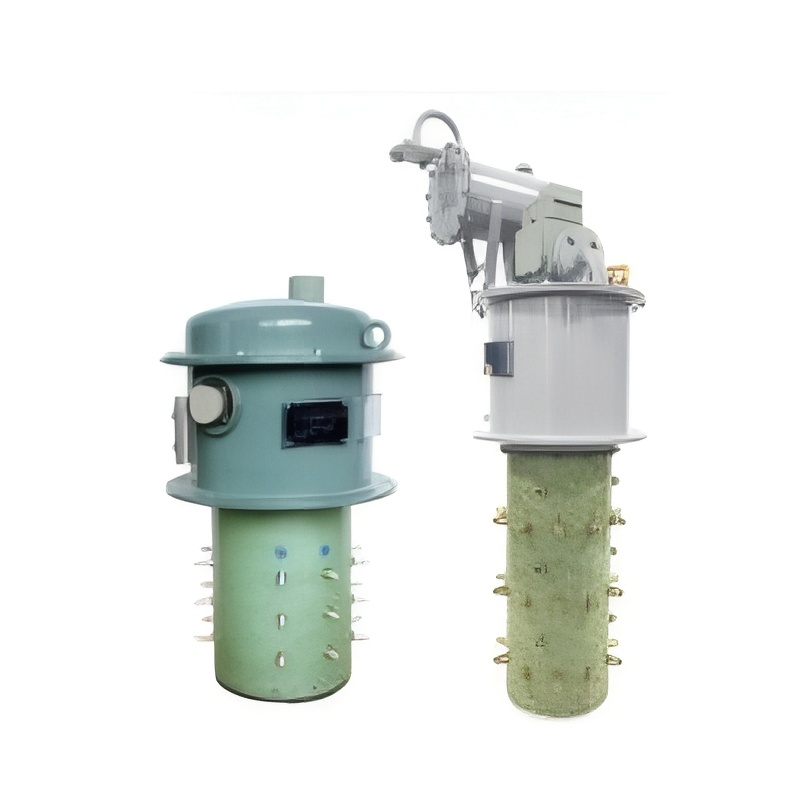
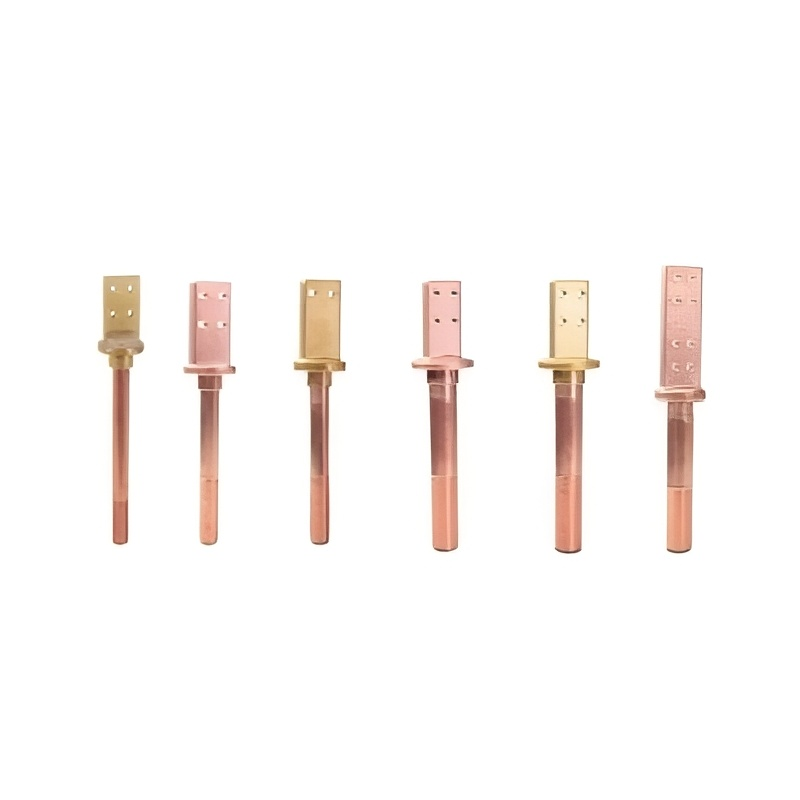
Electronic transformers represent a crucial component in modern electrical systems, serving as devices that transfer electrical energy between circuits through electromagnetic induction. These transformers come in various types, including power transformers, isolation transformers, autotransformers, and high-frequency transformers. Each type serves specific functions in voltage conversion, current regulation, and circuit isolation. Power transformers are designed for high-voltage applications, managing the distribution of electricity from power stations to end-users. Isolation transformers provide electrical separation between circuits, ensuring safety and noise reduction. Autotransformers offer efficient voltage adjustment through a single winding, while high-frequency transformers operate at elevated frequencies for specialized electronic applications. Modern electronic transformers incorporate advanced materials like silicon steel cores and copper windings, enhancing their efficiency and performance. These components are essential in various applications, from industrial power distribution to consumer electronics, medical equipment, and renewable energy systems. The technological evolution of electronic transformers has led to improved power density, reduced losses, and enhanced reliability, making them indispensable in today's electrical infrastructure.
 EN
EN