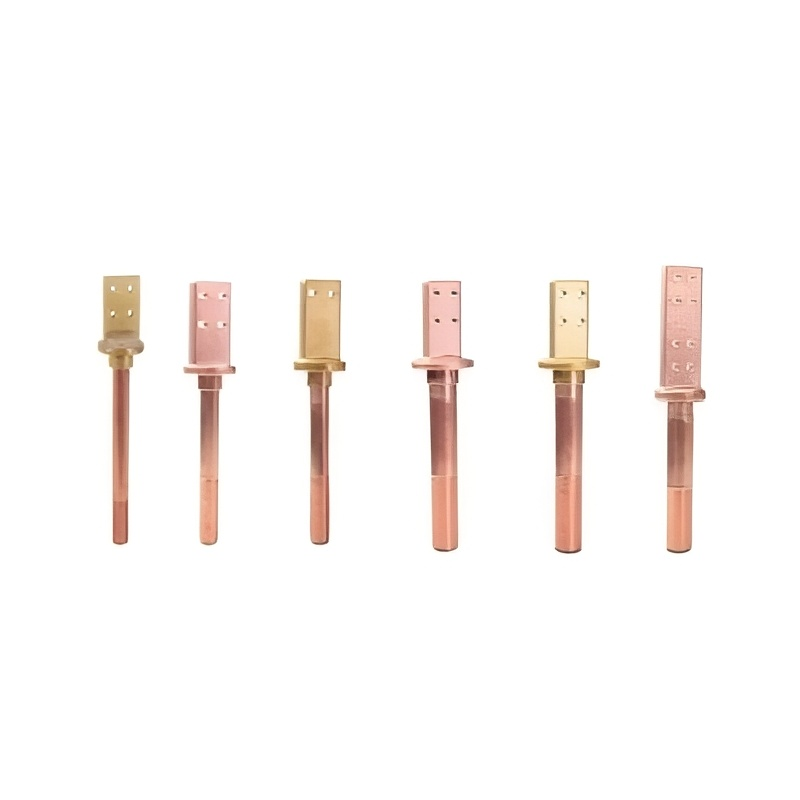
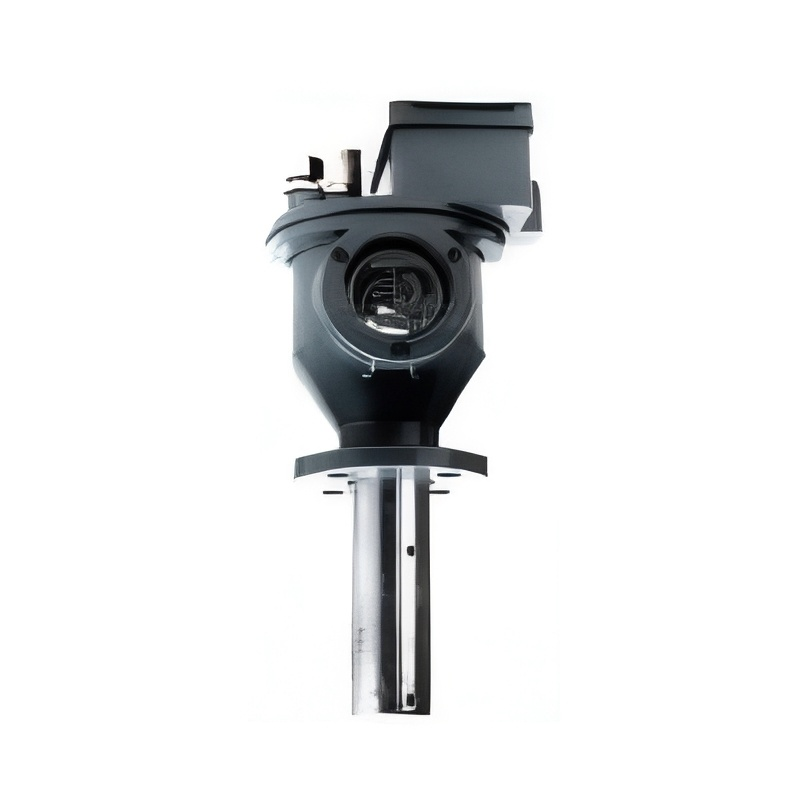
electrical step down transformer
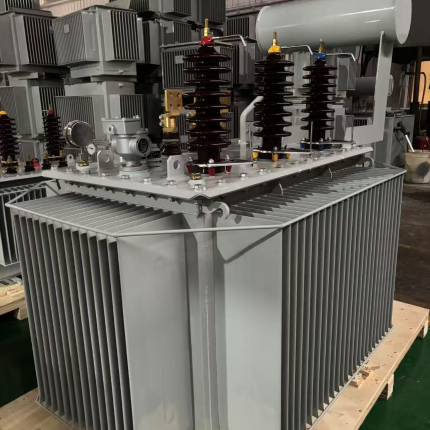
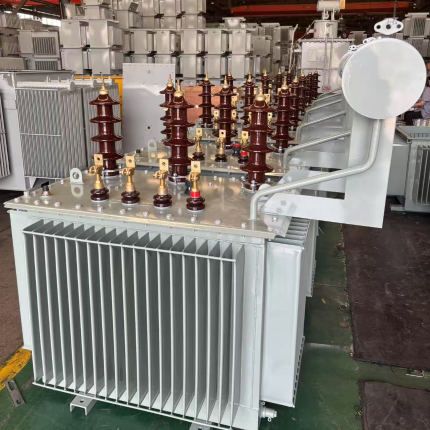
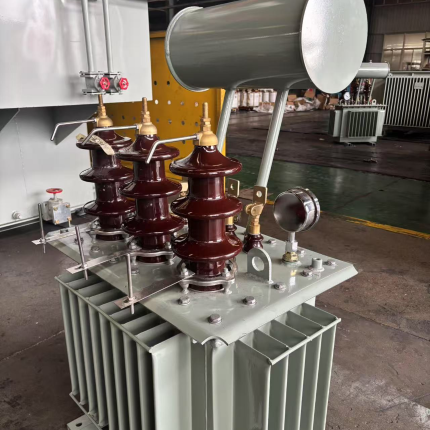
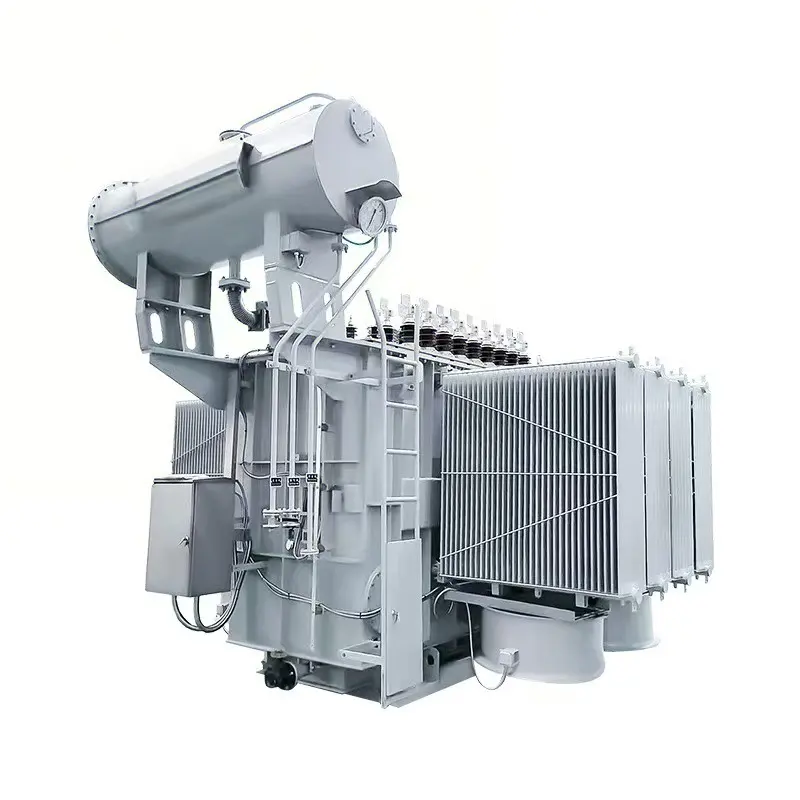
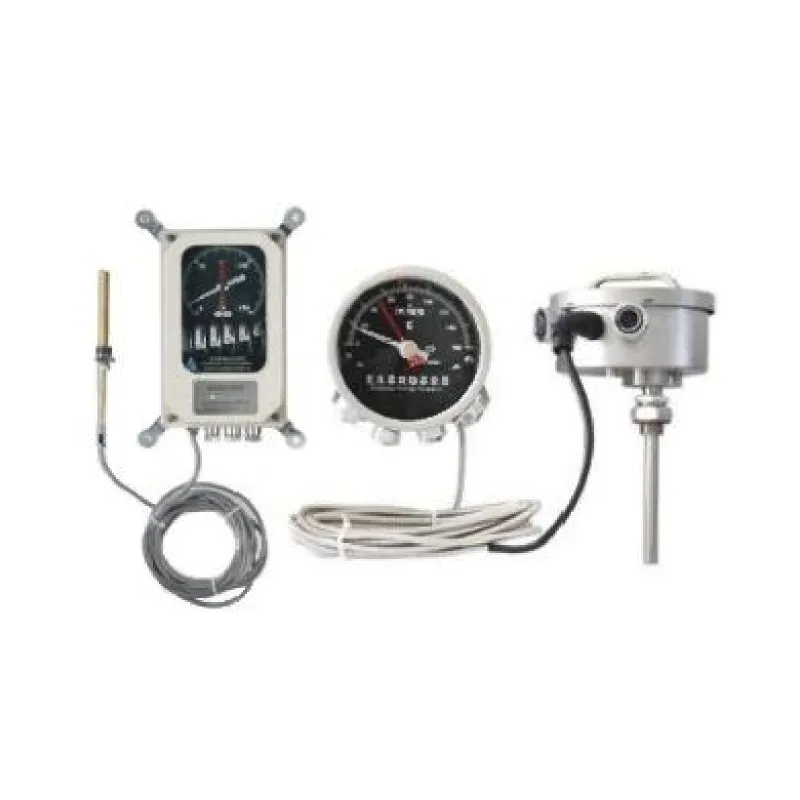
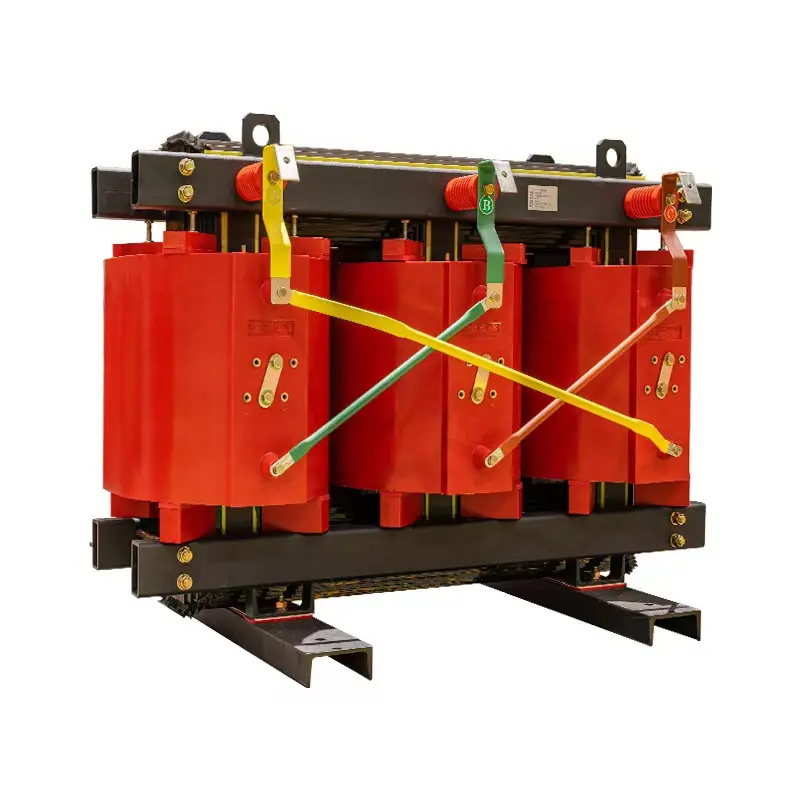
An electrical step down transformer is a crucial power distribution device that converts high voltage electricity to lower voltage levels suitable for everyday use. This sophisticated device operates on the principle of electromagnetic induction, utilizing two separate coils, primary and secondary, wound around a common iron core. The primary coil receives high voltage input, while the secondary coil, with fewer turns, produces lower voltage output. The ratio between these coils determines the voltage reduction factor. Modern step down transformers incorporate advanced features such as thermal protection, voltage regulation, and electromagnetic shielding. These transformers find extensive applications in residential power supply, converting transmission voltages of thousands of volts to standard household voltages of 120V or 240V. They are equally important in industrial settings, where they enable the safe operation of various equipment and machinery. The transformer's design includes cooling systems, either oil-filled or dry-type, ensuring efficient heat dissipation during operation. Additionally, these devices feature built-in safety mechanisms like circuit breakers and surge protection, making them essential components in electrical distribution networks. Their robust construction and reliable performance make them indispensable in maintaining stable power supply across various applications, from powering home appliances to supporting industrial processes.
 EN
EN