auto transformer types
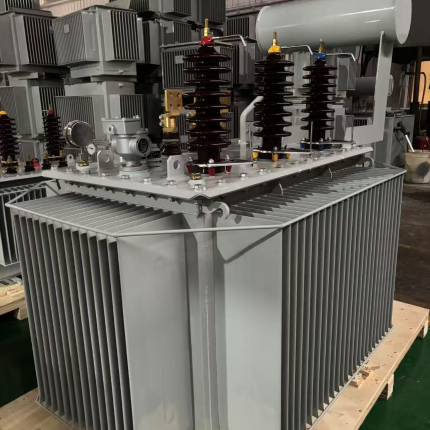
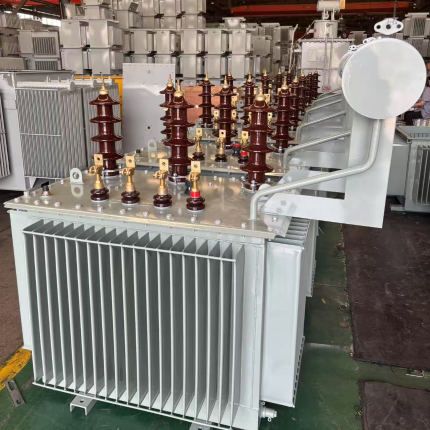
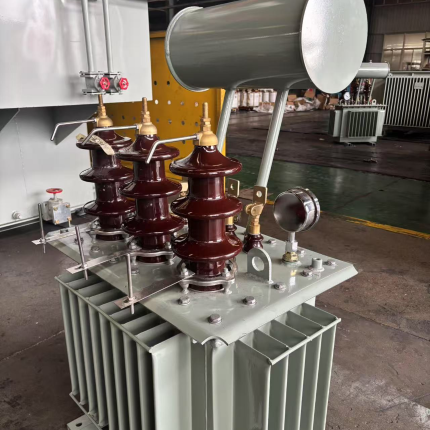
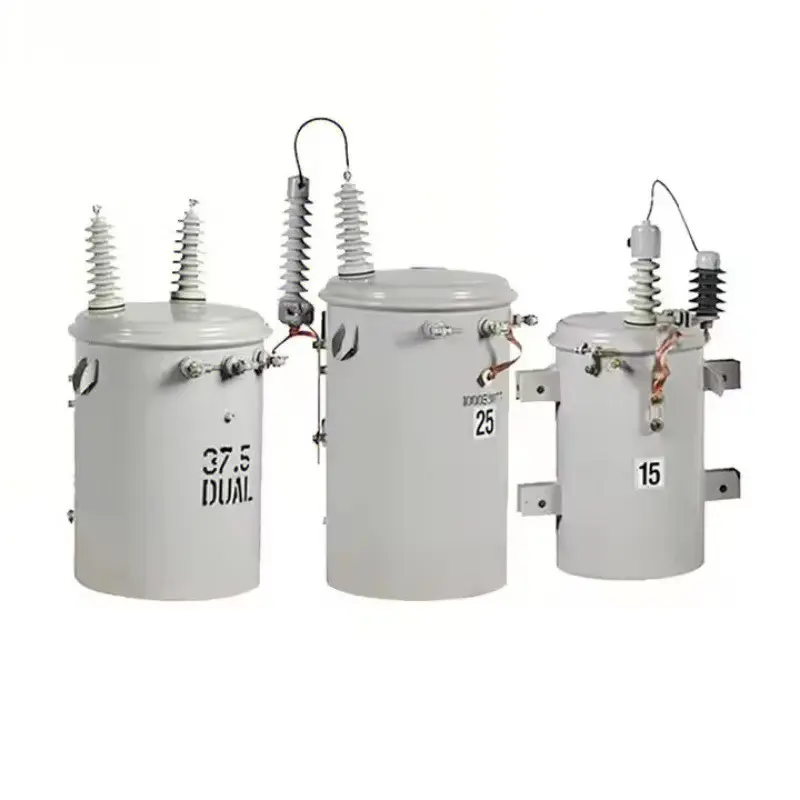
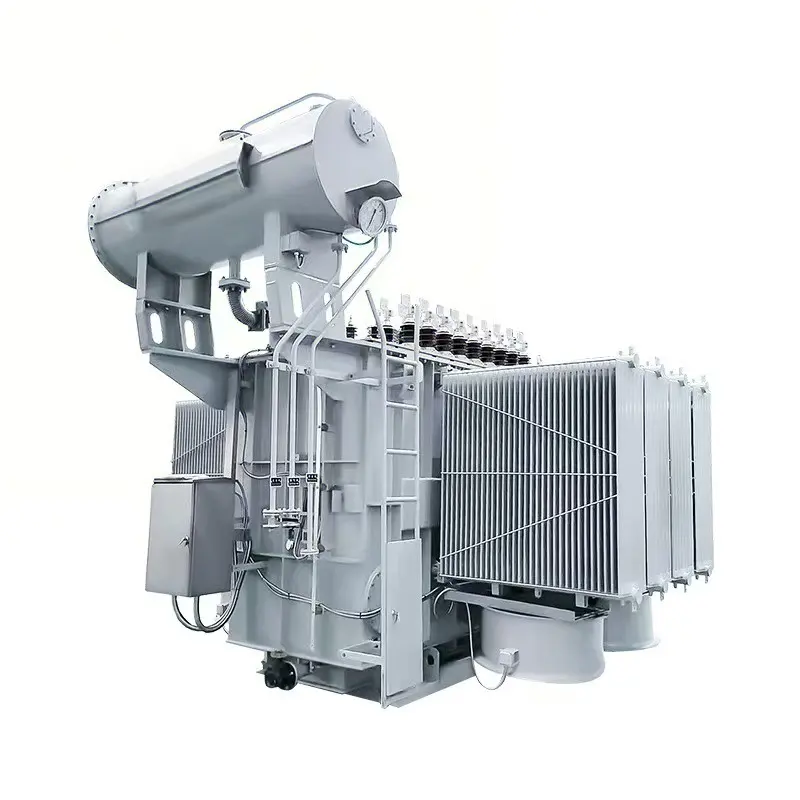
Auto transformers represent a specialized category of transformers that feature a unique single-winding design, setting them apart from conventional two-winding transformers. These devices operate through a shared winding that serves as both primary and secondary circuits, allowing for efficient voltage conversion while maintaining a more compact footprint. The main types include step-up auto transformers, which increase voltage levels, and step-down auto transformers, which reduce voltage levels. Variable auto transformers, also known as variacs, offer adjustable output voltage capabilities. Each type serves specific applications, from industrial power distribution to laboratory equipment. The construction typically involves a laminated core with copper or aluminum windings, where part of the winding is common to both input and output circuits. This design principle results in superior coupling between primary and secondary circuits, leading to higher efficiency ratings compared to traditional transformers. Auto transformers find extensive use in power distribution systems, voltage regulation equipment, and various industrial applications where precise voltage control is essential. Their ability to handle large power transfers while maintaining high efficiency makes them particularly valuable in scenarios requiring reliable voltage adjustment.
 EN
EN