 EN
EN
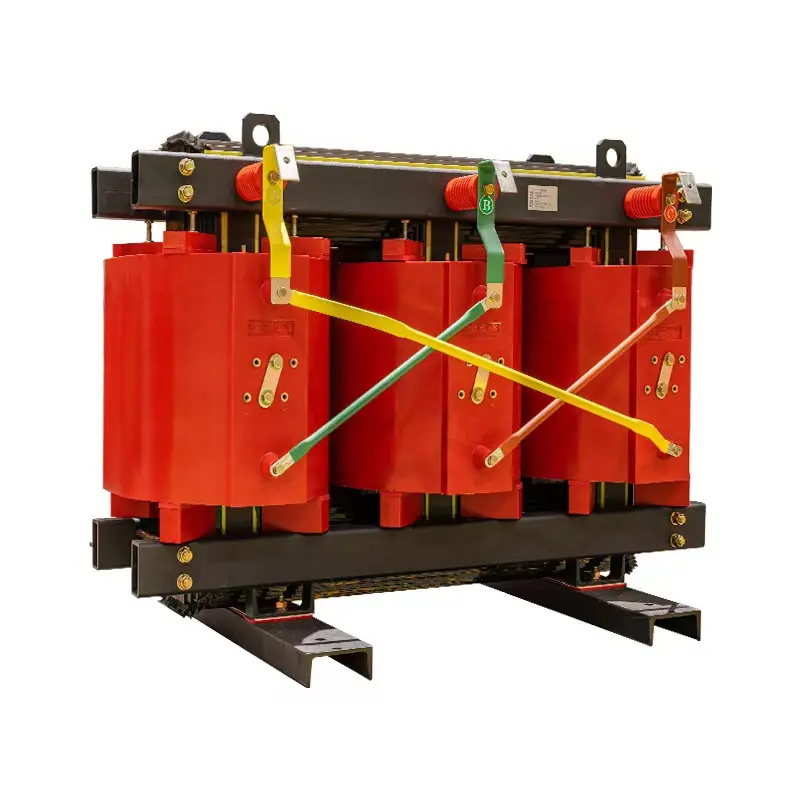
Power distribution systems rely heavily on transformers to ensure efficient electricity transmission across various voltage levels. Among the different transformer types available today, the oil immersed transformer stands out as a cornerstone technology in electrical infrastructure worldwide. These robust electrical devices utilize mineral oil as both a cooling medium and insulating material, making them essential components in substations, industrial facilities, and power generation plants. Understanding proper maintenance practices for these critical assets can significantly impact their operational lifespan and overall system reliability.
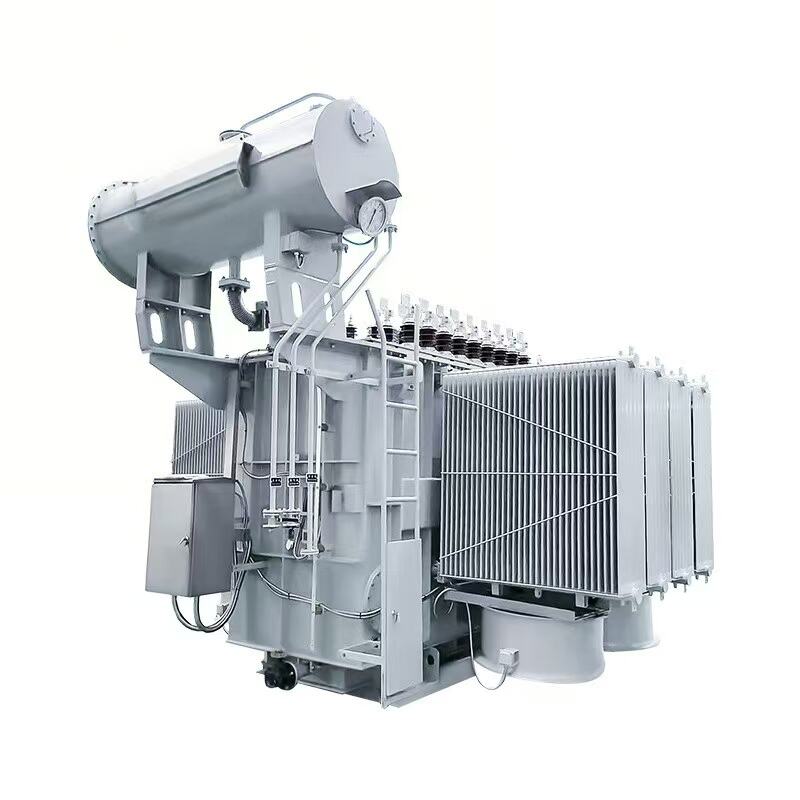
The longevity of electrical equipment depends largely on consistent maintenance protocols and proactive monitoring strategies. When properly maintained, these transformers can operate efficiently for decades, providing reliable service while minimizing unexpected downtime and costly repairs. Industry experts recognize that preventive maintenance approaches yield far better results than reactive maintenance strategies, particularly in critical power distribution applications where equipment failure can have cascading effects throughout the electrical network.
Understanding Oil Immersed Transformer Components
Core Construction and Winding Systems
The internal structure of an oil immersed transformer consists of carefully engineered components designed to handle high electrical loads while maintaining optimal performance standards. The magnetic core, typically constructed from high-grade silicon steel laminations, forms the foundation of the transformer's electromagnetic functionality. These laminations are precisely cut and assembled to minimize eddy current losses and optimize magnetic flux distribution throughout the core structure.
Copper or aluminum windings surround the core assembly, creating primary and secondary circuits that enable voltage transformation. These windings must maintain proper insulation clearances and mechanical stability throughout the transformer's operational life. The winding design influences both electrical performance and thermal characteristics, making it crucial to monitor winding condition through regular testing and inspection procedures.
Insulating Oil Characteristics
Transformer oil serves multiple critical functions within the system, acting as both an electrical insulator and heat transfer medium. High-quality mineral oil provides excellent dielectric strength while effectively removing heat generated during normal operation. The oil must maintain specific chemical properties including low moisture content, appropriate acidity levels, and freedom from contaminants that could compromise insulation performance.
Oil degradation occurs naturally over time through oxidation processes and thermal cycling effects. Understanding these degradation mechanisms helps maintenance personnel develop appropriate testing schedules and oil treatment strategies. Regular oil analysis provides valuable insights into transformer condition and helps identify potential issues before they lead to equipment failure or performance degradation.
Essential Routine Maintenance Procedures
Visual Inspection Protocols
Comprehensive visual inspections form the foundation of effective transformer maintenance programs. Trained technicians should examine external components including bushings, tank surfaces, cooling systems, and protective devices during regularly scheduled inspection rounds. These inspections help identify obvious problems such as oil leaks, corrosion, damaged gaskets, or mechanical wear that could affect transformer performance or safety.
Documentation of inspection findings creates valuable historical records that help track equipment condition trends over time. Photographic documentation of identified issues provides clear reference points for future inspections and helps maintenance teams prioritize repair activities. Establishing standardized inspection checklists ensures consistent evaluation procedures and reduces the likelihood of overlooking critical maintenance items.
Oil Level and Temperature Monitoring
Maintaining proper oil levels is essential for transformer cooling and insulation performance. Oil level indicators should be checked regularly to ensure adequate oil volume and identify potential leakage issues. Temperature monitoring systems provide continuous feedback on transformer thermal performance, helping operators identify abnormal operating conditions that could indicate developing problems.
Trending analysis of temperature data reveals patterns that may indicate gradual performance degradation or changing load conditions. Establishing temperature alarm thresholds helps maintenance personnel respond quickly to abnormal conditions before they cause permanent damage. Modern monitoring systems can provide remote access to temperature data, enabling continuous surveillance of transformer condition even in unmanned installations.
Advanced Diagnostic Testing Methods
Dissolved Gas Analysis Testing
Dissolved gas analysis represents one of the most powerful diagnostic tools available for assessing internal transformer condition. This testing method analyzes gases dissolved in transformer oil to identify specific types of electrical or thermal faults developing within the equipment. Different fault conditions produce characteristic gas patterns, enabling skilled analysts to diagnose problems with remarkable precision.
Regular gas analysis testing helps establish baseline conditions and track changes in transformer health over time. Early detection of developing faults through gas analysis enables proactive maintenance interventions that can prevent catastrophic failures. Understanding gas analysis results requires specialized training, but the investment in this knowledge pays significant dividends in improved equipment reliability and reduced maintenance costs.
Insulation Resistance and Power Factor Testing
Electrical testing procedures provide direct assessment of insulation system integrity and overall electrical performance. Insulation resistance testing measures the resistance between windings and between windings and ground, helping identify moisture contamination or insulation degradation. Power factor testing evaluates dielectric losses within the insulation system, providing sensitive indication of insulation condition changes.
These electrical tests should be performed under controlled conditions using calibrated test equipment to ensure accurate and repeatable results. Trending test results over time provides valuable information about insulation aging rates and helps predict when intervention may be necessary. Proper interpretation of electrical test results requires understanding of transformer design characteristics and normal aging patterns for similar equipment.
Oil Treatment and Replacement Strategies
Oil Filtration and Purification Methods
Transformer oil treatment extends oil life and maintains optimal insulating properties through various purification processes. Vacuum filtration removes moisture and particulate contamination, while activated clay treatment reduces acid content and improves dielectric strength. These treatment methods can restore oil properties to near-new condition when applied at appropriate intervals.
Mobile oil processing equipment enables on-site treatment without removing transformers from service, minimizing system downtime and operational disruptions. The effectiveness of oil treatment depends on proper process control and understanding of oil chemistry principles. Regular monitoring of oil condition helps determine optimal treatment timing and validates treatment effectiveness.
Complete Oil Replacement Procedures
When oil condition deteriorates beyond economical treatment levels, complete oil replacement becomes necessary to maintain transformer reliability. This process requires careful planning to minimize system outage time and ensure proper handling of both old and new oil. Environmental regulations govern oil disposal procedures, making proper documentation and certified disposal essential components of the replacement process.
New oil must meet strict quality specifications and undergo appropriate testing before installation. Proper degassing and moisture removal procedures prepare new oil for service and prevent introduction of contaminants during the filling process. Post-replacement testing verifies oil quality and confirms successful completion of the replacement procedure.
Preventive Maintenance Scheduling
Developing Maintenance Calendars
Effective maintenance programs require well-planned scheduling that balances equipment needs with operational requirements. Creating comprehensive maintenance calendars helps ensure all necessary tasks receive appropriate attention while minimizing conflicts with system operations. Consideration of seasonal factors, load patterns, and available maintenance windows influences optimal scheduling decisions.
Coordinating maintenance activities across multiple transformers helps optimize resource utilization and reduces overall system impact. Documentation of maintenance schedules provides clear expectations for maintenance personnel and operations staff. Regular review and adjustment of maintenance schedules ensures continued alignment with changing operational needs and equipment condition trends.
Resource Planning and Budget Considerations
Successful maintenance programs require adequate resource allocation including skilled personnel, specialized equipment, and necessary materials. Budget planning should account for both routine maintenance costs and potential major repairs or component replacements. Long-term financial planning helps organizations prepare for significant maintenance investments before they become critical needs.
Training investments in maintenance personnel capabilities provide long-term benefits through improved diagnostic skills and more effective maintenance execution. Establishing relationships with qualified service providers ensures access to specialized expertise when internal resources are insufficient. Regular evaluation of maintenance costs versus equipment reliability helps validate the effectiveness of maintenance investments.
Environmental and Safety Considerations
Environmental Protection Measures
Modern maintenance practices must address environmental protection requirements including proper handling of transformer oil and related materials. Spill prevention and containment systems protect soil and groundwater resources from accidental contamination. Understanding environmental regulations helps maintenance organizations develop compliant procedures and avoid potential penalties or cleanup costs.
Recycling programs for transformer oil and other materials support environmental sustainability while potentially reducing disposal costs. Documentation of environmental compliance activities demonstrates organizational commitment to responsible maintenance practices. Regular training on environmental requirements ensures maintenance personnel understand their responsibilities and follow appropriate procedures.
Personnel Safety Protocols
Transformer maintenance involves various safety hazards including electrical shock, chemical exposure, and physical injury risks. Comprehensive safety training programs prepare maintenance personnel to work safely around energized equipment and hazardous materials. Personal protective equipment requirements must be clearly defined and consistently enforced to protect worker health and safety.
Emergency response procedures provide guidance for handling accidents or equipment failures during maintenance activities. Regular safety meetings and refresher training help maintain awareness of safety requirements and share lessons learned from industry incidents. A strong safety culture protects personnel while supporting reliable maintenance operations and regulatory compliance.
Monitoring Technologies and Automation
Online Monitoring Systems
Advanced monitoring technologies enable continuous assessment of oil immersed transformer condition without requiring manual intervention. These systems track parameters such as oil temperature, moisture content, dissolved gas levels, and load conditions in real-time. Automated data collection provides more comprehensive condition information than periodic manual testing alone.
Integration of monitoring data with maintenance management systems enables data-driven maintenance decisions and improved resource allocation. Alarm systems alert maintenance personnel to developing problems before they become critical issues. The investment in monitoring technology often pays for itself through improved reliability and reduced emergency repair costs.
Data Analysis and Trending Capabilities
Modern data analysis tools help maintenance organizations extract valuable insights from large volumes of monitoring data. Trending analysis reveals gradual changes in equipment condition that might not be apparent through individual measurements. Predictive analytics capabilities can forecast future maintenance needs based on historical patterns and current operating conditions.
Machine learning algorithms continue to improve the accuracy of condition assessment and failure prediction models. Integration of weather data, load forecasts, and maintenance history enhances the sophistication of maintenance planning tools. These technological advances support more effective maintenance strategies while reducing overall maintenance costs and improving system reliability.
FAQ
How often should transformer oil be tested for quality assessment
Transformer oil testing frequency depends on several factors including equipment age, operating conditions, and criticality to system operations. Most industry standards recommend annual oil testing for distribution transformers, with more frequent testing for critical transmission equipment or units operating under severe conditions. Newer transformers may require less frequent testing during early service years, while older equipment benefits from more intensive monitoring schedules.
What are the most common signs indicating transformer maintenance needs
Key indicators of maintenance needs include unusual operating temperatures, oil leaks, abnormal sounds or vibrations, and declining oil test results. Visual signs such as damaged bushings, corroded tank surfaces, or malfunctioning cooling equipment also suggest maintenance attention. Electrical testing may reveal declining insulation resistance or increasing power factor values that indicate developing problems requiring intervention.
Can preventive maintenance completely eliminate transformer failures
While comprehensive preventive maintenance significantly reduces failure probability, it cannot eliminate all failure risks due to factors such as manufacturing defects, extreme weather events, or external system disturbances. However, well-executed maintenance programs typically achieve failure rates below one percent annually and extend equipment life well beyond minimum design expectations. The key lies in balancing maintenance investment with acceptable risk levels for each specific application.
What qualifications should transformer maintenance personnel possess
Qualified transformer maintenance personnel should have electrical training background, understanding of transformer theory and operation, and hands-on experience with testing equipment and procedures. Safety training certification is essential given the hazardous nature of the work environment. Many organizations prefer technicians with formal electrical education combined with specialized transformer maintenance training from equipment manufacturers or industry organizations.
