 EN
EN

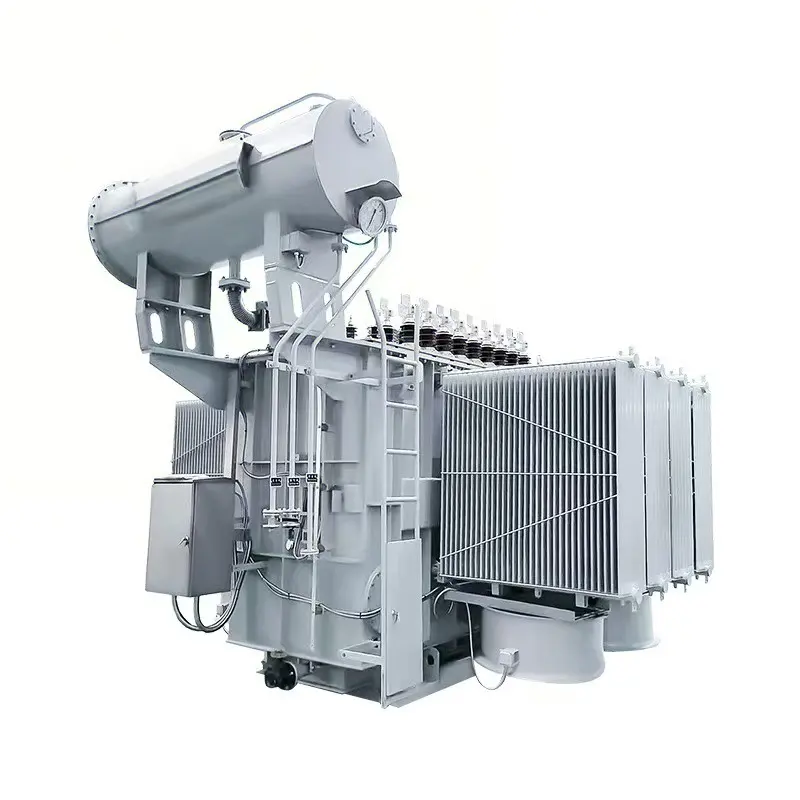
Power distribution systems rely heavily on sophisticated equipment to maintain consistent electrical supply across industrial and commercial networks. Among these critical components, oil immersed transformers stand as fundamental elements that ensure reliable voltage regulation and load management throughout complex electrical infrastructure. These robust devices utilize mineral oil as both an insulating medium and cooling agent, enabling them to handle substantial electrical loads while maintaining operational stability under varying demand conditions.
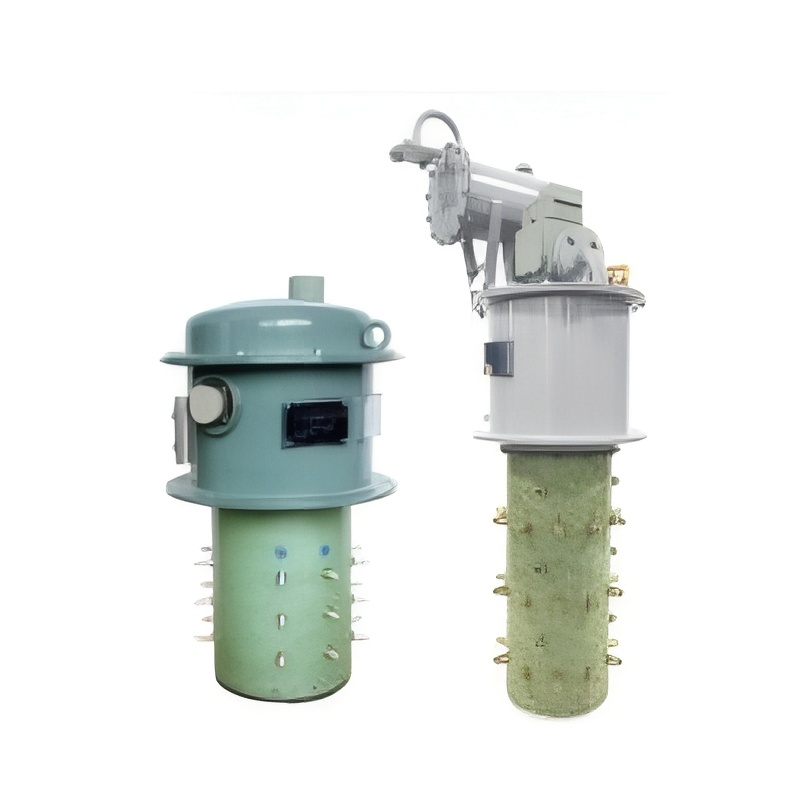
The integration of advanced switching mechanisms within these transformers allows for seamless voltage adjustment without interrupting power supply to connected loads. This capability becomes particularly crucial in modern electrical grids where demand fluctuations occur frequently throughout daily operational cycles. Understanding how these systems achieve stable load management requires examining their internal components, operational principles, and the sophisticated control systems that govern their performance.
Fundamental Design Principles of Oil Immersed Transformers
Core Construction and Magnetic Circuit Design
The magnetic core of an oil immersed transformer utilizes high-grade silicon steel laminations arranged in specific configurations to minimize energy losses during operation. These laminations are carefully oriented to reduce eddy current formation while maintaining optimal magnetic flux distribution throughout the core structure. The grain-oriented steel composition ensures maximum permeability along the rolling direction, resulting in reduced hysteresis losses and improved overall efficiency.
Modern core designs incorporate stepped-lap joints that eliminate air gaps between lamination layers, further reducing magnetic losses and noise generation during operation. The core geometry is precisely calculated to handle specific voltage and current ratings while maintaining thermal stability under continuous load conditions. This careful engineering ensures that the transformer can maintain consistent performance across varying load scenarios without compromising electrical or mechanical integrity.
Winding Configuration and Insulation Systems
Primary and secondary windings within oil immersed transformers are constructed using high-conductivity copper or aluminum conductors wrapped with multiple layers of specialized insulation materials. The winding configuration follows precise geometric patterns that optimize electromagnetic field distribution while minimizing stray losses and electromagnetic interference. Each conductor is individually insulated before being assembled into coil formations that maintain specific spacing requirements for voltage withstand capabilities.
The insulation system combines solid dielectric materials with liquid insulation provided by the transformer oil, creating a robust barrier against electrical breakdown. Paper-based insulation materials are treated with specialized compounds that enhance their dielectric strength and thermal stability. This multi-layer insulation approach ensures reliable operation under both normal and transient voltage conditions, contributing significantly to the transformer's ability to maintain stable load management throughout its operational lifetime.
Advanced Load Management Mechanisms
Tap Changing Technology Integration
Modern oil immersed transformers incorporate sophisticated tap changing mechanisms that enable precise voltage regulation without interrupting power supply to connected loads. These systems utilize mechanical switching devices that can adjust the transformer's turns ratio by connecting different tap positions on the winding structure. The oil immersed transformer configuration allows for seamless operation of these tap changers while maintaining electrical isolation and cooling effectiveness.
The tap changing process involves complex control algorithms that monitor system voltage, load current, and power factor to determine optimal tap positions for maintaining desired voltage levels. Advanced electronic control units process real-time data from various sensors throughout the electrical system, making rapid adjustments to compensate for load variations and supply fluctuations. This automated response capability ensures consistent voltage delivery to end users regardless of changing demand patterns or supply conditions.
Thermal Management and Cooling Systems
Effective thermal management represents a critical aspect of stable load management in oil immersed transformers, as excessive temperatures can compromise insulation integrity and reduce operational lifespan. The transformer oil serves dual purposes as both an electrical insulator and heat transfer medium, circulating throughout the transformer tank to remove heat generated by core losses and copper losses in the windings. Natural convection currents within the oil create continuous circulation patterns that distribute heat evenly throughout the system.
Forced cooling systems enhance thermal management capabilities through the integration of oil pumps, cooling fans, and heat exchangers that accelerate heat removal during high-load conditions. Temperature monitoring systems continuously track oil temperature, winding temperature, and ambient conditions to optimize cooling system operation. These sophisticated thermal management approaches enable oil immersed transformers to maintain stable performance under varying load conditions while preventing thermal damage to critical components.
Operational Control and Monitoring Systems
Real-Time Performance Monitoring
Contemporary oil immersed transformers incorporate comprehensive monitoring systems that continuously assess operational parameters essential for stable load management. Digital sensors measure voltage levels, current flow, power factor, harmonic content, and temperature variations throughout the transformer structure. These monitoring systems provide real-time data to control centers, enabling operators to make informed decisions regarding load distribution and system optimization.
Advanced diagnostic capabilities include dissolved gas analysis systems that monitor oil condition and detect potential internal faults before they develop into serious problems. Partial discharge monitoring systems identify insulation degradation in early stages, allowing for preventive maintenance scheduling that minimizes service interruptions. This comprehensive monitoring approach ensures that oil immersed transformers maintain optimal performance characteristics necessary for reliable load management in critical applications.
Protective Systems and Fault Management
Sophisticated protection schemes safeguard oil immersed transformers against various fault conditions that could compromise stable load management capabilities. Differential protection systems detect internal faults by comparing current entering and leaving the transformer, immediately isolating the unit when abnormalities are detected. Overcurrent protection prevents damage from external system faults while maintaining selectivity to avoid unnecessary disconnections during temporary disturbances.
Gas relay systems provide protection against internal arcing and oil level variations that could indicate developing problems within the transformer tank. These protective devices incorporate multiple sensing elements that detect gas accumulation, oil flow, and pressure variations associated with internal fault conditions. Rapid response capabilities ensure that protective actions occur within milliseconds of fault detection, preserving system stability and preventing damage to connected equipment.
Performance Optimization Strategies
Load Forecasting and Demand Response
Effective load management with oil immersed transformers requires accurate forecasting of electrical demand patterns and proactive adjustment of system parameters to accommodate anticipated changes. Load forecasting algorithms analyze historical consumption data, weather patterns, industrial schedules, and economic factors to predict future demand with high accuracy. These predictions enable operators to optimize tap changer positions and cooling system operation in advance of load changes.
Demand response programs coordinate transformer operations with broader grid management strategies, automatically adjusting voltage levels to influence consumer electricity usage during peak demand periods. Smart grid integration enables oil immersed transformers to communicate with other system components, participating in coordinated voltage regulation schemes that optimize overall network efficiency. This collaborative approach to load management enhances system reliability while reducing operational costs and environmental impact.
Maintenance Strategies for Long-Term Stability
Preventive maintenance programs ensure that oil immersed transformers continue providing stable load management throughout their operational lifetime. Regular oil testing procedures monitor dielectric strength, moisture content, dissolved gas levels, and acidity to assess insulation system condition. Thermographic inspections identify hot spots and connection problems that could develop into serious faults if left unaddressed.
Predictive maintenance techniques utilize vibration analysis, acoustic monitoring, and electrical signature analysis to detect mechanical problems in tap changers and cooling systems before they affect operational performance. These advanced diagnostic methods enable maintenance crews to schedule repairs during planned outages, minimizing service interruptions while ensuring continued reliable operation. Proper maintenance scheduling optimizes transformer performance while extending service life and reducing total cost of ownership.
Applications in Modern Electrical Infrastructure
Industrial Power Distribution Systems
Oil immersed transformers play vital roles in industrial power distribution systems where stable load management is essential for maintaining production efficiency and equipment protection. Manufacturing facilities rely on consistent voltage levels to operate sensitive electronic controls, variable frequency drives, and automated production equipment. Voltage variations can cause equipment malfunctions, production delays, and quality control problems that result in significant economic losses.
Heavy industrial loads such as electric arc furnaces, large motors, and electrochemical processes create dynamic loading conditions that challenge transformer performance capabilities. Oil immersed transformers designed for these applications incorporate enhanced cooling systems, robust mechanical construction, and specialized protection schemes that maintain stable operation under rapidly changing load conditions. These features ensure reliable power supply to critical industrial processes while minimizing maintenance requirements and operational costs.
Utility Grid Integration and Smart Grid Applications
Electric utility companies utilize oil immersed transformers as key components in transmission and distribution networks where stable load management affects millions of customers across wide geographic areas. Substation transformers must accommodate daily load cycles, seasonal variations, and emergency conditions while maintaining voltage quality standards required by regulatory agencies. Advanced control systems coordinate multiple transformers to optimize power flow and minimize system losses.
Smart grid technologies enable oil immersed transformers to participate in automated voltage optimization programs that adjust tap positions based on real-time system conditions and forecasted demand patterns. These intelligent systems reduce energy consumption, improve voltage regulation, and enhance overall grid reliability. Integration with renewable energy sources requires sophisticated load management capabilities to accommodate the variable nature of wind and solar generation while maintaining system stability.
FAQ
What factors determine the optimal tap changer position for stable load management
Optimal tap changer positioning depends on several interconnected factors including system voltage levels, load characteristics, power factor conditions, and regulatory voltage requirements. Control algorithms continuously monitor these parameters and calculate the tap position that maintains voltage within acceptable limits while minimizing losses and maximizing system efficiency. Advanced systems also consider load forecasting data and grid optimization objectives when determining tap changes.
How does oil condition affect transformer load management capabilities
Oil condition directly impacts transformer performance through its effects on insulation strength, heat transfer efficiency, and internal component protection. Deteriorated oil with high moisture content or reduced dielectric strength can limit the transformer's ability to handle full-rated loads safely. Regular oil testing and maintenance ensure optimal oil conditions that support stable load management throughout the transformer's operational life.
What role do protective systems play in maintaining stable load management
Protective systems provide essential safeguards that prevent fault conditions from compromising transformer load management capabilities. These systems detect abnormal conditions such as overcurrents, internal faults, and temperature excursions, automatically taking corrective actions to preserve transformer integrity. Properly coordinated protection schemes ensure that temporary disturbances do not escalate into major failures that could interrupt stable load management operations.
How do modern monitoring systems enhance oil immersed transformer performance
Contemporary monitoring systems provide real-time visibility into transformer operating conditions, enabling proactive management strategies that optimize performance and prevent problems before they affect load management stability. These systems collect data on electrical parameters, thermal conditions, oil quality, and mechanical component status, processing this information through advanced algorithms that identify trends and predict maintenance needs. This comprehensive monitoring approach ensures consistent performance and extends transformer service life.
Table of Contents
- Fundamental Design Principles of Oil Immersed Transformers
- Advanced Load Management Mechanisms
- Operational Control and Monitoring Systems
- Performance Optimization Strategies
- Applications in Modern Electrical Infrastructure
-
FAQ
- What factors determine the optimal tap changer position for stable load management
- How does oil condition affect transformer load management capabilities
- What role do protective systems play in maintaining stable load management
- How do modern monitoring systems enhance oil immersed transformer performance
