 EN
EN

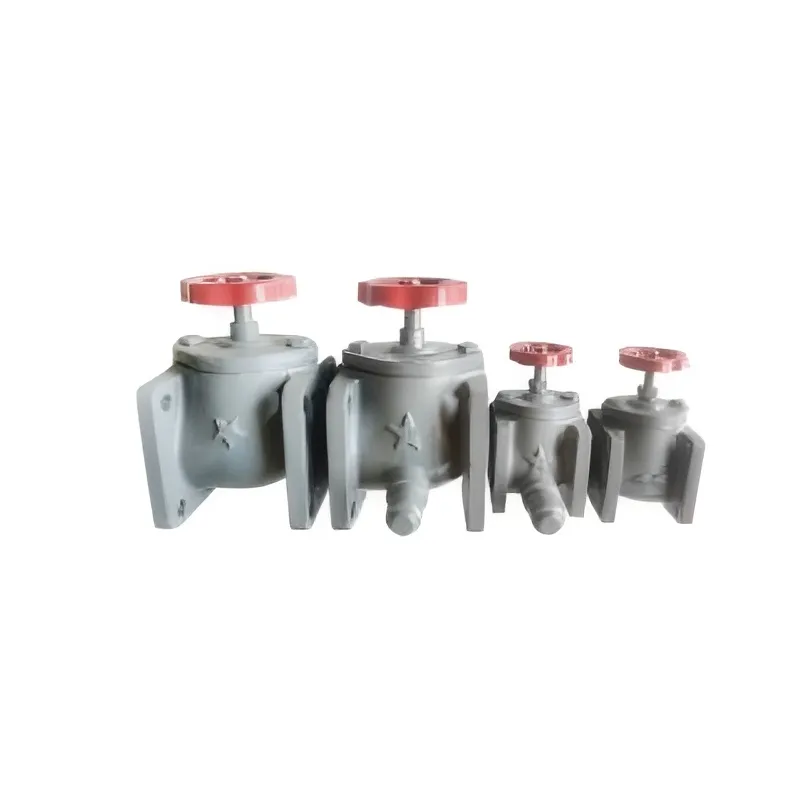
Oil-immersed transformers are critical components in electrical power systems, operating under demanding conditions that can generate significant internal pressure. These transformers rely on specialized protective mechanisms to prevent catastrophic failures that could result in equipment damage, power outages, and safety hazards. Safety valves serve as the primary defense system against dangerous overpressure conditions, automatically releasing excess pressure before it reaches critical levels that could rupture the transformer tank or damage internal components.
The transformer oil in these systems serves multiple functions including insulation, cooling, and arc suppression. However, when operating temperatures rise due to increased load conditions or fault scenarios, the transformer oil expands and generates internal pressure. Without proper pressure management through safety valves, this pressure buildup can exceed the structural limits of the transformer tank, leading to mechanical failure and potential oil spillage.
Understanding the critical role of safety valves in transformer protection requires examining their operating principles, installation requirements, and maintenance protocols. These devices must respond immediately to pressure variations while maintaining reliable sealing during normal operating conditions. The selection and proper functioning of safety valves directly impact transformer reliability, operational safety, and service life in electrical distribution networks.
Understanding Transformer Overpressure Conditions
Thermal Expansion Effects in Oil-Immersed Systems
Transformer oil undergoes significant volume changes as temperature fluctuates during normal and abnormal operating conditions. When electrical loads increase or internal faults occur, the generated heat causes rapid oil expansion that can create dangerous pressure levels within the sealed transformer tank. Safety valves must accurately detect these pressure changes and respond appropriately to prevent structural damage to the transformer housing.
The coefficient of thermal expansion for transformer oil typically ranges from 0.0007 to 0.0008 per degree Celsius, meaning that substantial volume increases occur during high-temperature events. This expansion can generate pressures exceeding 10 psi above atmospheric pressure in sealed transformer systems. Without effective pressure relief through properly calibrated safety valves, these conditions can compromise transformer integrity and create significant safety risks for personnel and equipment.
Modern transformer designs incorporate multiple monitoring systems to track temperature and pressure conditions, but safety valves remain the primary mechanical protection against overpressure scenarios. These devices provide immediate response capabilities that electronic monitoring systems cannot match, ensuring rapid pressure relief when automated controls may be insufficient or compromised during fault conditions.
Fault-Induced Pressure Surges
Internal transformer faults can generate extremely rapid pressure increases that challenge even the most responsive safety valve systems. Arc faults within transformer windings create intense heat that vaporizes transformer oil, producing gas bubbles and sudden pressure spikes that can exceed normal operating pressures by several orders of magnitude. Safety valves designed for transformer applications must accommodate these rapid pressure changes while maintaining precise control over relief pressure settings.
Short-circuit conditions represent another critical scenario where safety valves provide essential protection against overpressure damage. The electromagnetic forces generated during fault currents can cause mechanical displacement of transformer components, potentially creating hot spots that rapidly heat transformer oil and generate dangerous pressure levels. Properly sized and calibrated safety valves ensure immediate pressure relief to prevent tank rupture and oil spillage during these emergency conditions.
The response time of safety valves becomes particularly critical during fault scenarios, as pressure buildup rates can exceed several hundred psi per second in severe cases. Advanced safety valve designs incorporate rapid-acting mechanisms that can fully open within milliseconds of reaching set pressure levels, providing the fast response necessary to protect transformer integrity during the most demanding operating conditions.
Safety Valve Operating Principles and Mechanisms
Spring-Loaded Pressure Relief Technology
Spring-loaded safety valves represent the most common type of pressure relief device used in transformer applications, utilizing calibrated spring tension to maintain precise opening pressure settings. These devices feature a disc or poppet valve held against a seat by spring force, which opens automatically when internal pressure exceeds the predetermined set point. The spring compression can be adjusted during installation to match specific transformer pressure requirements and operating conditions.
The mechanical advantage provided by spring-loaded mechanisms ensures consistent performance across varying ambient conditions and temperature ranges. Safety valves utilizing this technology can maintain accuracy within plus or minus 3% of set pressure throughout their operational life when properly maintained and calibrated according to manufacturer specifications.
Modern spring-loaded safety valves incorporate advanced materials and manufacturing techniques that enhance reliability and extend service life in transformer applications. Corrosion-resistant spring materials and precision-machined valve seats ensure consistent sealing performance while providing the rapid response characteristics essential for transformer overpressure protection.
Diaphragm and Bellows Safety Valve Designs
Diaphragm-actuated safety valves offer enhanced sensitivity and faster response times compared to traditional spring-loaded designs, making them particularly suitable for applications requiring precise pressure control. These devices utilize flexible diaphragms that respond directly to pressure changes, eliminating the mechanical friction associated with sliding valve components and improving overall responsiveness to pressure variations.
Bellows-type safety valves provide additional advantages in transformer applications where contamination or corrosive environments may affect valve performance. The sealed bellows assembly protects internal valve components from external contaminants while maintaining precise pressure sensing capabilities. This design approach extends valve service life and reduces maintenance requirements in challenging operating environments.
Both diaphragm and bellows safety valve configurations can be engineered with multiple pressure settings and staged opening characteristics, allowing for graduated pressure relief that minimizes oil loss during minor overpressure events while providing full flow capacity during emergency conditions. This flexibility enhances transformer protection while optimizing operational efficiency and maintenance costs.
Installation Requirements and Best Practices
Proper Sizing and Selection Criteria
Selecting appropriate safety valves for transformer applications requires careful analysis of multiple factors including transformer capacity, oil volume, expected pressure rise rates, and environmental operating conditions. The valve flow capacity must exceed the maximum expected gas generation rate during fault conditions to ensure adequate pressure relief capability. Industry standards typically recommend safety valve capacity calculations based on transformer MVA rating and oil volume specifications.
Pressure setting selection involves balancing protection requirements against normal operating pressure variations and thermal expansion effects. Safety valves should be set to open at pressures well below the structural limits of the transformer tank while remaining closed during normal temperature cycling and load variations. Typical settings range from 5 to 10 psi gauge pressure for most oil-immersed transformer applications.
Material compatibility represents another critical consideration when selecting safety valves for transformer service. Valve components must resist degradation from contact with transformer oil while maintaining mechanical integrity under repeated pressure cycling. Stainless steel construction with compatible elastomeric seals ensures reliable long-term performance in transformer environments.
Installation Location and Mounting Considerations
Proper installation location significantly impacts safety valve effectiveness and maintenance accessibility. Safety valves should be mounted on the highest point of the transformer tank to ensure rapid response to pressure changes and efficient gas venting during overpressure events. The installation must provide clear discharge pathways that direct released oil and gases away from energized equipment and personnel areas.
Piping connections between the transformer tank and safety valves must be sized to minimize pressure drop and ensure unrestricted flow during relief operations. Short, straight connection runs with minimal fittings provide optimal performance characteristics. The installation should include provisions for periodic testing and maintenance access without requiring transformer shutdown or oil drainage.
Environmental protection measures must be incorporated into safety valve installations to prevent contamination from moisture, debris, or atmospheric pollutants. Weather shields and protective covers maintain valve functionality while allowing normal operation during adverse weather conditions. These protective measures extend valve service life and ensure reliable operation when protection is needed most.
Maintenance and Testing Protocols
Regular Inspection and Calibration Procedures
Routine maintenance of safety valves requires systematic inspection of all valve components including springs, seats, discs, and mounting hardware. Visual inspections should identify signs of corrosion, wear, or mechanical damage that could affect valve performance. Calibration testing verifies that safety valves continue to operate within specified pressure tolerances and respond appropriately to pressure changes.
Periodic pressure testing using calibrated test equipment ensures that safety valves maintain proper set pressure values throughout their service life. Testing protocols should simulate both gradual pressure increases and rapid pressure rises to verify valve response characteristics under different operating scenarios. Documentation of test results provides valuable data for tracking valve performance trends and scheduling preventive maintenance activities.
Cleaning and lubrication procedures must be performed using materials compatible with transformer oil and valve construction materials. Proper cleaning removes contamination that could interfere with valve operation while appropriate lubrication ensures smooth movement of mechanical components. These maintenance activities should follow manufacturer recommendations and industry best practices for transformer safety valve service.
Troubleshooting Common Operating Issues
Premature valve opening represents one of the most common issues affecting safety valve performance in transformer applications. This condition typically results from incorrect pressure settings, contaminated valve seats, or degraded spring characteristics. Systematic troubleshooting procedures can identify root causes and guide appropriate corrective actions to restore proper valve function.
Valve leakage during normal operating conditions indicates sealing problems that require immediate attention to prevent transformer oil loss and maintain system integrity. Seat reconditioning or component replacement may be necessary to restore proper sealing performance. Regular monitoring of oil levels can help identify developing leakage issues before they become serious operational problems.
Delayed or incomplete valve opening during overpressure events poses serious risks to transformer protection and requires immediate corrective action. This condition may result from mechanical binding, spring fatigue, or contamination of valve components. Comprehensive testing and inspection procedures can identify specific problems and guide appropriate repair or replacement activities to ensure reliable protection capability.
Integration with Modern Transformer Protection Systems
Coordination with Electronic Monitoring
Modern transformer protection systems integrate safety valves with sophisticated electronic monitoring equipment that provides continuous surveillance of pressure, temperature, and gas levels within transformer tanks. These integrated systems can detect developing problems before they reach critical levels, allowing for proactive maintenance and operational adjustments that reduce reliance on emergency pressure relief through safety valves.
Digital pressure monitoring systems provide real-time data on transformer internal conditions while safety valves serve as the ultimate mechanical backup protection. This layered approach ensures reliable protection even if electronic systems fail or lose power during emergency conditions. The combination of electronic monitoring and mechanical safety valves provides comprehensive transformer protection across all operating scenarios.
Communication protocols between monitoring systems and control centers enable remote supervision of transformer conditions and safety valve status. Automated alarm systems can notify operators of pressure trends that may lead to safety valve operation, allowing for preventive actions that maintain system reliability while avoiding unnecessary valve activation and oil loss.
Advanced Safety Valve Technologies
Smart safety valve designs incorporate electronic sensors and communication capabilities that provide detailed information about valve status and operating history. These advanced devices can transmit data regarding pressure trends, valve position, and maintenance requirements to central monitoring systems, enabling predictive maintenance strategies that optimize valve performance and reliability.
Modular safety valve configurations allow for staged pressure relief with multiple opening points that provide graduated response to different overpressure scenarios. Initial stages handle minor pressure increases while subsequent stages activate during severe fault conditions, optimizing protection while minimizing oil loss during less critical events. This approach enhances overall system efficiency while maintaining comprehensive protection capabilities.
Remote testing capabilities enable periodic valve functionality verification without requiring physical access to transformer installations. These systems can simulate pressure conditions and verify valve response characteristics through automated testing sequences, reducing maintenance costs while ensuring consistent protection performance throughout the valve service life.
FAQ
What pressure settings are typically used for transformer safety valves
Transformer safety valves are typically set to operate between 5 and 10 psi gauge pressure above atmospheric pressure, depending on the specific transformer design and application requirements. The exact setting must account for normal operating pressure variations due to temperature cycling while providing adequate protection margin below the transformer tank structural limits. Larger transformers may require higher pressure settings to accommodate greater oil volumes and thermal expansion effects, while distribution transformers often use lower settings for enhanced protection sensitivity.
How often should transformer safety valves be tested and maintained
Industry standards recommend annual inspection and testing of transformer safety valves to ensure continued reliability and proper operation. Testing should include pressure calibration verification, visual inspection of all components, and functional testing under simulated operating conditions. More frequent inspection may be necessary in harsh environmental conditions or for critical applications where transformer reliability is paramount. Maintenance records should document all testing activities and any corrective actions taken to maintain valve performance within specified parameters.
Can safety valves be repaired or must they be replaced when problems occur
Many safety valve problems can be addressed through repair procedures including seat reconditioning, spring replacement, or component cleaning, depending on the specific issue and valve design. However, valves showing signs of significant wear, corrosion, or mechanical damage should be replaced to ensure reliable protection capability. Repair decisions should consider the valve age, service history, and criticality of the transformer application. Professional evaluation by qualified technicians can determine whether repair or replacement provides the most appropriate solution for maintaining effective overpressure protection.
What are the consequences of safety valve failure in transformer applications
Safety valve failure can lead to catastrophic transformer damage including tank rupture, oil spillage, fire hazards, and potential explosion in severe cases. Failed valves that remain closed during overpressure events cannot provide the essential pressure relief needed to protect transformer structural integrity. Conversely, valves that fail to seal properly can result in continuous oil loss, contamination ingress, and reduced transformer insulation performance. Either failure mode compromises transformer reliability and safety, emphasizing the importance of regular maintenance and prompt replacement of defective safety valves to maintain effective overpressure protection.
