 EN
EN

Oil-immersed transformers are critical components in electrical power systems, requiring sophisticated protection mechanisms to ensure reliable operation and prevent catastrophic failures. Among the essential safety devices, a pressure relief valve serves as a crucial safeguard against internal pressure buildup that could lead to transformer rupture, oil spillage, and costly equipment damage. Understanding how these protective devices function is essential for engineers, maintenance professionals, and facility managers responsible for transformer operations.
The fundamental principle behind pressure relief valve operation involves detecting abnormal pressure conditions within the transformer tank and providing a controlled release pathway before dangerous pressure levels are reached. When internal faults occur, such as arcing or overheating, the transformer oil and cellulose insulation can decompose rapidly, generating gases and vapors that dramatically increase internal pressure. Without proper pressure management, this buildup could exceed the structural limits of the transformer tank, resulting in explosive failure.
Understanding Transformer Pressure Dynamics
Internal Pressure Generation Mechanisms
Internal pressure within oil-immersed transformers originates from several distinct sources that can occur independently or simultaneously. Thermal expansion of the insulating oil represents the most common pressure increase mechanism under normal operating conditions. As the transformer load increases and winding temperatures rise, the oil volume expands proportionally, creating moderate pressure increases that are typically managed through conservator tank systems.
However, fault conditions generate far more severe pressure dynamics. Internal arcing faults produce intense localized heating that rapidly vaporizes oil and decomposes solid insulation materials. This decomposition process releases hydrogen, carbon monoxide, methane, and other gases at extremely high rates. The pressure relief valve must respond to these rapid pressure changes to prevent tank rupture and protect surrounding equipment and personnel from potential explosion hazards.
Temperature-related pressure variations also occur during normal operation cycles. Daily load fluctuations cause oil temperature changes that result in corresponding pressure variations. Seasonal ambient temperature changes create additional pressure cycling that the relief system must accommodate without unnecessary activation. Understanding these normal pressure patterns helps engineers properly calibrate pressure relief valve settings to avoid nuisance operations while maintaining adequate protection.
Critical Pressure Thresholds
Establishing appropriate pressure thresholds for relief valve operation requires careful analysis of transformer design parameters, operating conditions, and safety margins. Typical transformer tanks are designed to withstand internal pressures ranging from 7 to 15 pounds per square inch gauge, depending on tank construction and size. The pressure relief valve activation point is typically set at 70 to 80 percent of the tank's maximum design pressure to provide adequate safety margin while preventing premature activation.
Emergency pressure conditions can develop within seconds during severe internal faults, requiring the pressure relief valve to respond rapidly to prevent catastrophic failure. Modern relief valves are designed to fully open within milliseconds of reaching the set pressure point, providing immediate pressure relief capacity that can handle the most severe fault conditions. The relief capacity must be sufficient to handle the maximum possible gas generation rate from internal fault conditions.
Pressure monitoring systems often work in conjunction with relief valves to provide early warning of developing problems. These monitoring systems can detect gradual pressure increases that might indicate developing internal problems before they reach critical levels. Integration of pressure monitoring with other diagnostic systems, such as dissolved gas analysis and temperature monitoring, provides comprehensive protection strategies that extend beyond the immediate protection offered by pressure relief valves.
Pressure Relief Valve Design and Operation
Mechanical Design Principles
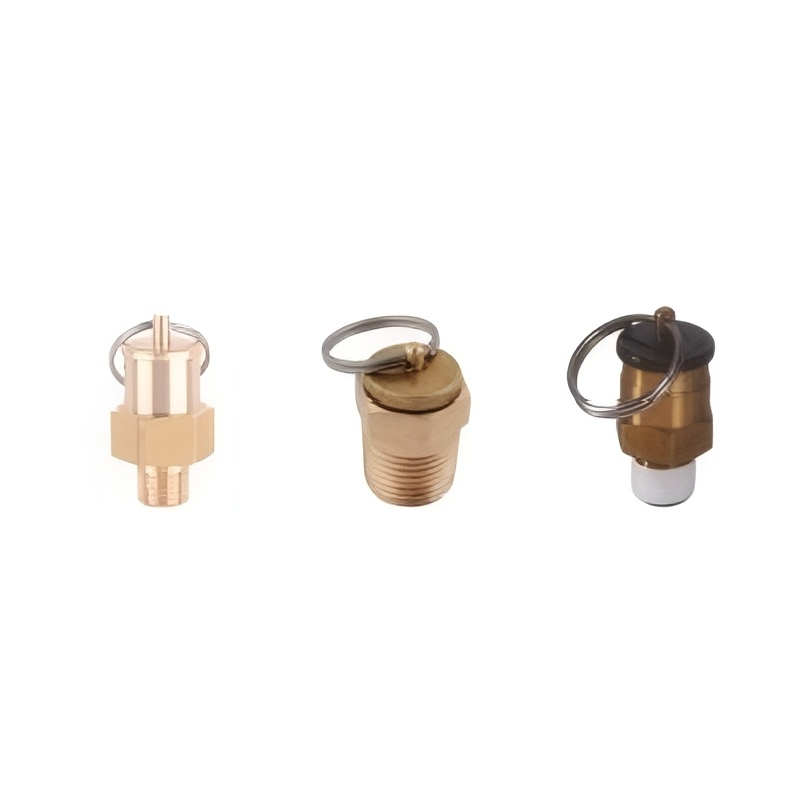
The mechanical design of transformer pressure relief valves incorporates spring-loaded mechanisms that provide precise pressure response characteristics. The valve disc or membrane is held closed by a calibrated spring force that corresponds to the desired opening pressure. When internal pressure exceeds the spring force, the valve opens to provide a controlled release path for excess pressure. This mechanical simplicity ensures reliable operation even in harsh environmental conditions or after extended periods of inactivity.
Materials selection for pressure relief valve components requires careful consideration of chemical compatibility with transformer oil and environmental durability. Valve bodies are typically constructed from aluminum, stainless steel, or specially treated carbon steel to resist corrosion and maintain structural integrity. Sealing elements must maintain their elasticity and chemical resistance over many years of exposure to transformer oil vapors and temperature cycling.
The valve opening mechanism must provide both rapid response and controlled closure characteristics. Once the pressure relief valve opens, it typically remains open until internal pressure drops significantly below the opening pressure, preventing rapid cycling that could cause mechanical wear or incomplete pressure relief. This hysteresis characteristic ensures stable operation and complete pressure relief during fault conditions while preventing nuisance operations from minor pressure fluctuations.
Installation and Positioning Requirements
Proper installation positioning of the pressure relief valve significantly impacts its effectiveness in preventing transformer failures. The valve must be mounted at the highest point of the transformer tank to ensure it encounters the maximum internal pressure and can effectively vent gases that rise to the top of the tank. Multiple relief valves may be required on larger transformers to provide adequate relief capacity and ensure protection even if one valve fails to operate properly.
Connection piping between the transformer tank and pressure relief valve must be sized appropriately to prevent flow restrictions that could delay pressure relief or reduce relief capacity. Short, straight connections with minimal bends and restrictions provide the best performance. The relief valve discharge must be directed away from personnel areas and electrical equipment to prevent oil spray from creating safety hazards or equipment damage during relief operations.
Environmental considerations for pressure relief valve installation include protection from weather, debris, and potential mechanical damage. Protective covers or housings may be necessary in some installations while ensuring they do not interfere with valve operation. Regular accessibility for inspection and maintenance must be maintained, as pressure relief valve reliability depends on periodic testing and maintenance activities.
Failure Prevention Mechanisms
Catastrophic Pressure Buildup Prevention
The primary failure prevention mechanism provided by pressure relief valves involves eliminating catastrophic pressure buildup that could rupture the transformer tank. Tank rupture represents one of the most severe failure modes, potentially causing massive oil spills, fire hazards, and complete transformer destruction. By providing a controlled pressure release path, the relief valve prevents internal pressure from reaching levels that could exceed the tank's structural limits.
During internal arc faults, gas generation rates can be extremely high, creating pressure rise rates of several pounds per square inch per second. The pressure relief valve must respond faster than this pressure buildup to be effective. Modern relief valve designs achieve opening times measured in milliseconds, ensuring they can respond to even the most rapid pressure increases before dangerous levels are reached.
Secondary protection benefits result from pressure relief valve operation during less severe fault conditions. Even minor internal faults that might not immediately threaten tank integrity can be mitigated by timely pressure relief, potentially preventing fault escalation and allowing for controlled transformer shutdown. This protective action can significantly reduce repair costs and minimize service disruption compared to catastrophic failure scenarios.
Oil Preservation and Contamination Prevention
Pressure relief valve operation helps preserve transformer oil quality by preventing extreme pressure and temperature conditions that could accelerate oil degradation. Excessive internal pressure combined with high temperatures can cause rapid oil oxidation and thermal decomposition that reduces its insulating properties. By maintaining pressure within acceptable limits, the pressure relief valve helps preserve oil quality and extends transformer service life.
Contamination prevention represents another important aspect of pressure relief valve protection. When internal pressure builds up without proper relief, it can force oil and gas mixtures past sealing surfaces, allowing moisture and other contaminants to enter the transformer. The pressure relief valve prevents this contamination pathway by maintaining controlled internal pressure levels that preserve seal integrity.
During pressure relief operations, some transformer oil may be expelled along with the released gases. While this oil loss is generally minimal compared to catastrophic failure scenarios, proper collection and disposal systems should be implemented to prevent environmental contamination. Recovery systems can often reclaim expelled oil for reprocessing and reuse, minimizing economic losses associated with relief valve operations.
Maintenance and Testing Protocols
Routine Inspection Procedures
Regular inspection of pressure relief valve systems ensures continued reliability and proper protection of oil-immersed transformers. Visual inspections should examine the valve body, connections, and discharge piping for signs of corrosion, mechanical damage, or oil leakage. Any visible damage or deterioration could compromise valve performance and should be addressed immediately through repair or replacement.
Functional testing of pressure relief valves typically involves controlled pressure testing to verify proper opening and closing pressures. This testing should be performed according to manufacturer recommendations and industry standards, usually on annual or biennial schedules depending on service conditions. Testing procedures must ensure that valve calibration remains within acceptable tolerances while avoiding unnecessary wear from excessive testing.
Documentation of inspection and testing results provides valuable trending information that can identify developing problems before they compromise transformer protection. Pressure settings, response times, and any maintenance actions should be recorded in permanent maintenance files. This documentation supports regulatory compliance requirements and provides historical data for reliability analysis and maintenance planning.
Preventive Maintenance Requirements
Preventive maintenance for pressure relief valve systems includes periodic cleaning, lubrication, and component replacement as necessary to maintain proper operation. Spring mechanisms may require recalibration or replacement over time due to fatigue or corrosion effects. Sealing elements typically require periodic replacement to maintain proper sealing and prevent leakage that could compromise valve performance.
Environmental factors significantly influence maintenance requirements for pressure relief valve systems. Installations in corrosive environments, extreme temperature conditions, or areas with high levels of airborne contaminants may require more frequent maintenance intervals. Protective coatings, environmental enclosures, or material upgrades may be necessary to ensure reliable operation under challenging service conditions.
Spare parts availability and maintenance planning should consider the critical nature of pressure relief valve protection. Essential spare components should be maintained in inventory to minimize downtime during maintenance activities. Maintenance scheduling should coordinate with transformer outage schedules to minimize service interruption while ensuring protection system reliability is maintained at all times.
Integration with Other Protection Systems
Coordination with Electrical Protection
Effective transformer protection requires coordination between pressure relief valve systems and electrical protection devices such as differential relays, overcurrent protection, and gas detection systems. While the pressure relief valve provides mechanical protection against pressure buildup, electrical protection systems detect and isolate fault conditions to prevent continued fault energy that could overwhelm mechanical protection systems.
Gas detection relays, commonly known as Buchholz relays, work in conjunction with pressure relief valve systems to provide comprehensive fault detection and protection. These devices detect gas accumulation from minor faults before they develop into conditions requiring pressure relief valve operation. Integration of gas detection with pressure relief systems provides layered protection that can prevent minor problems from escalating to major failures.
Communication systems between various protection devices enable coordinated response to developing fault conditions. Modern protection systems can provide advance warning of conditions that might lead to pressure relief valve operation, allowing for preventive actions such as load reduction or controlled shutdown. This integration maximizes the effectiveness of all protection systems while minimizing service disruption and equipment damage.
Monitoring and Alarm Systems
Advanced monitoring systems can track pressure trends within transformer tanks, providing early indication of developing problems that might eventually require pressure relief valve operation. These systems typically measure continuous pressure variations and can identify abnormal patterns that indicate internal problems. Trend analysis capabilities help maintenance personnel identify developing issues before they become critical.
Alarm systems connected to pressure relief valve operation provide immediate notification when relief events occur, enabling rapid response to investigate underlying causes and assess any equipment damage. These alarms should be integrated with facility monitoring systems to ensure appropriate personnel are notified immediately when pressure relief occurs. Response procedures should be established to guide actions following relief valve activation.
Remote monitoring capabilities enable supervision of pressure relief valve systems from central control facilities, particularly important for unmanned installations or critical transformers. Telemetry systems can transmit pressure data, valve position information, and alarm conditions to remote locations where qualified personnel can assess conditions and coordinate response actions. This remote capability extends effective protection coverage to installations where continuous local supervision is not practical.
FAQ
What pressure setting should be used for transformer pressure relief valves?
Pressure relief valve settings should typically be established at 70 to 80 percent of the transformer tank's maximum design pressure rating. This provides adequate safety margin to prevent tank rupture while avoiding nuisance operations from normal pressure variations. Specific settings depend on transformer design, operating conditions, and manufacturer recommendations, but commonly range from 5 to 12 pounds per square inch gauge for most oil-immersed transformers.
How often should pressure relief valves be tested and maintained?
Pressure relief valve testing should generally be performed annually or biennially, depending on service conditions and manufacturer recommendations. Visual inspections can be performed more frequently, typically during routine transformer inspections. Functional testing should verify proper opening and closing pressures, response times, and overall mechanical condition. Harsh environmental conditions or critical applications may require more frequent testing intervals.
Can pressure relief valves be repaired or must they be replaced when problems are found?
Many pressure relief valve problems can be corrected through repair and recalibration, including spring adjustment, seal replacement, and cleaning of internal components. However, significant mechanical damage, severe corrosion, or repeated operational problems may require complete valve replacement. The decision between repair and replacement should consider the valve's age, condition, criticality of the application, and cost-effectiveness of repair versus replacement options.
What happens if a pressure relief valve fails to operate during a transformer fault?
If a pressure relief valve fails to operate during internal fault conditions, dangerous pressure buildup could exceed the transformer tank's design limits, potentially causing catastrophic tank rupture. This failure mode emphasizes the importance of regular testing, proper maintenance, and consideration of redundant relief capacity for critical applications. Backup protection through multiple relief valves or alternative pressure relief methods may be appropriate for essential transformers where failure consequences are severe.
Table of Contents
- Understanding Transformer Pressure Dynamics
- Pressure Relief Valve Design and Operation
- Failure Prevention Mechanisms
- Maintenance and Testing Protocols
- Integration with Other Protection Systems
-
FAQ
- What pressure setting should be used for transformer pressure relief valves?
- How often should pressure relief valves be tested and maintained?
- Can pressure relief valves be repaired or must they be replaced when problems are found?
- What happens if a pressure relief valve fails to operate during a transformer fault?
