 EN
EN

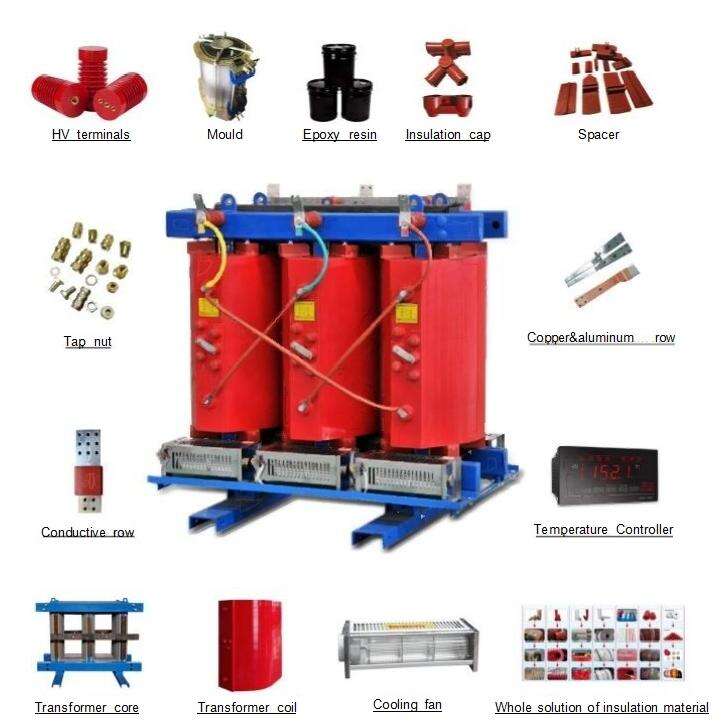
Dry type transformer installations require careful consideration of numerous technical components, with valve selection factors playing a critical role in ensuring optimal performance and longevity. These specialized electrical systems demand precise engineering decisions that directly impact operational efficiency, safety protocols, and maintenance requirements. Understanding the fundamental valve selection factors becomes essential for engineers, facility managers, and technical professionals responsible for transformer infrastructure. The complexity of modern electrical distribution systems necessitates a comprehensive approach to component selection, where every element must work in perfect harmony to maintain reliable power delivery.
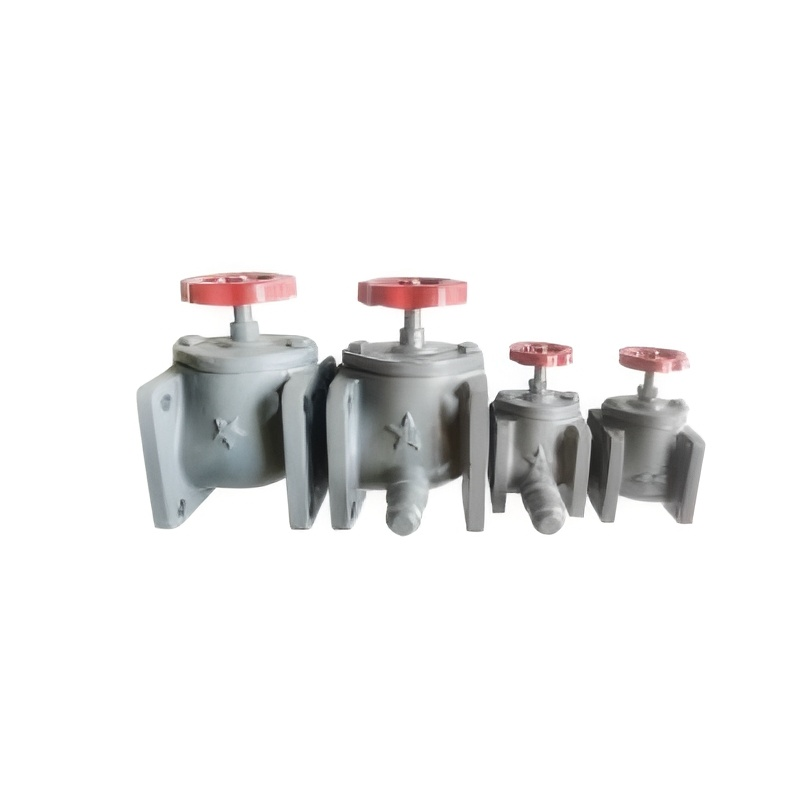
Understanding Valve Requirements in Transformer Systems
Primary Valve Functions and Applications
Valve selection factors in dry type transformer installations encompass multiple functional requirements that extend beyond basic flow control mechanisms. These valves serve as critical interfaces between cooling systems, protective circuits, and maintenance access points throughout the transformer assembly. The primary applications include thermal management, pressure regulation, emergency isolation, and routine maintenance procedures. Each valve type must withstand the electrical environment while maintaining mechanical integrity under varying operational conditions.
The electrical compatibility requirements form a cornerstone of effective valve selection factors, particularly in high-voltage environments where electromagnetic interference and electrical isolation become paramount concerns. Materials must demonstrate excellent dielectric properties while resisting degradation from electrical stress, temperature fluctuations, and environmental contaminants. Furthermore, valve positioning within the transformer enclosure affects accessibility for maintenance personnel and influences the overall system layout efficiency.
Environmental Considerations and Material Compatibility
Environmental conditions significantly influence valve selection factors, as dry type transformers operate across diverse climatic conditions and installation environments. Temperature extremes, humidity variations, corrosive atmospheres, and seismic considerations all impact valve material selection and design specifications. Stainless steel, brass, and specialized polymer materials each offer distinct advantages depending on the specific environmental challenges present at the installation site.
Chemical compatibility becomes particularly important when considering cleaning agents, transformer oils, and environmental contaminants that may contact valve surfaces during operation or maintenance activities. The valve selection factors must account for long-term material stability, ensuring that degradation does not compromise system integrity or create safety hazards. Additionally, thermal expansion coefficients must align with surrounding components to prevent mechanical stress concentrations that could lead to premature failure.
Technical Specifications and Performance Requirements
Pressure and Flow Characteristics
Accurate determination of pressure and flow requirements represents one of the most critical valve selection factors in transformer installations. These specifications directly correlate with cooling system efficiency, pressure relief capabilities, and overall system performance under both normal and emergency operating conditions. Engineers must carefully analyze system hydraulics, considering pressure drops, flow velocities, and dynamic pressure variations that occur during different operational modes.
Flow coefficient calculations and pressure loss assessments help establish the minimum valve sizing requirements while ensuring adequate safety margins for unexpected operational scenarios. The valve selection factors must accommodate peak demand conditions, emergency scenarios, and routine operational variations without compromising system stability. Additionally, valve response times become crucial in applications where rapid isolation or flow adjustment is required for protective purposes.
Electrical Safety and Insulation Requirements
Electrical safety considerations form a fundamental aspect of valve selection factors, particularly regarding insulation coordination and electrical clearance requirements. Valves installed within transformer enclosures must maintain appropriate electrical isolation from energized components while providing reliable mechanical operation. Dielectric strength testing, electrical tracking resistance, and corona discharge characteristics all influence valve material selection and design specifications.
Grounding and bonding requirements add another layer of complexity to valve selection factors, as proper electrical continuity must be maintained while preventing unwanted current paths that could create safety hazards. Metallic valve components require careful integration with the overall grounding system, while non-metallic materials must demonstrate adequate electrical properties for the intended application environment.
Installation and Maintenance Considerations
Accessibility and Service Requirements
Installation accessibility significantly impacts valve selection factors, as maintenance personnel require safe and convenient access for routine inspections, testing, and repair activities. Valve positioning within transformer enclosures must balance operational requirements with service accessibility, ensuring that maintenance activities can be performed efficiently without compromising safety protocols. Clear access pathways, adequate working space, and proper lighting considerations all influence valve placement decisions.
Service life expectations and maintenance interval requirements directly correlate with valve selection factors, as different valve types demonstrate varying longevity characteristics under similar operating conditions. Ball valves, gate valves, and specialty designs each offer distinct maintenance advantages and limitations that must be evaluated against specific application requirements. Preventive maintenance scheduling, spare parts availability, and service technician training requirements all factor into the overall valve selection decision process.
Integration with Control Systems
Modern transformer installations increasingly incorporate automated control systems that require compatible valve actuation and monitoring capabilities. Valve selection factors must consider integration requirements with existing control infrastructure, communication protocols, and remote monitoring systems. Electric, pneumatic, and hydraulic actuation options each present unique advantages depending on the specific control system architecture and operational requirements.
Position feedback, diagnostic capabilities, and fail-safe operation modes represent important aspects of valve selection factors in automated systems. These features enable predictive maintenance strategies, reduce operational risks, and improve overall system reliability through continuous monitoring and automated response capabilities. The integration complexity must be balanced against operational benefits and cost considerations throughout the equipment lifecycle.
Cost Analysis and Lifecycle Considerations
Initial Investment and Total Cost of Ownership
Economic factors play a crucial role in valve selection factors, extending beyond initial purchase price to encompass total cost of ownership throughout the equipment lifecycle. Installation costs, maintenance expenses, energy consumption, and replacement intervals all contribute to the overall economic equation that influences valve selection decisions. Premium valve designs may justify higher initial costs through reduced maintenance requirements and extended service life.
Lifecycle cost analysis requires careful consideration of valve selection factors including reliability statistics, maintenance frequency, spare parts costs, and potential downtime expenses associated with valve failures. These economic considerations must be balanced against performance requirements and safety considerations to achieve optimal value for the specific transformer installation. Additionally, warranty provisions and manufacturer support capabilities can significantly impact long-term cost projections.
Risk Assessment and Reliability Factors
Risk assessment methodologies help quantify the potential consequences of valve failures and guide appropriate valve selection factors for critical applications. Failure mode analysis, reliability statistics, and consequence evaluation all contribute to informed decision-making processes that balance cost considerations with operational risks. Critical applications may warrant redundant valve configurations or premium reliability designs to minimize potential failure consequences.
Insurance requirements, regulatory compliance, and industry standards often influence valve selection factors through mandatory design criteria and performance specifications. These external requirements must be integrated with technical and economic considerations to ensure comprehensive compliance while optimizing system performance and reliability. Documentation requirements and certification processes also impact valve selection decisions in regulated industries and critical applications.
Advanced Selection Criteria and Emerging Technologies
Smart Valve Technologies and IoT Integration
Emerging smart valve technologies introduce new dimensions to valve selection factors, offering enhanced monitoring capabilities, predictive maintenance features, and improved operational visibility. Internet of Things connectivity, embedded sensors, and advanced diagnostic algorithms enable real-time performance monitoring and proactive maintenance strategies that can significantly reduce operational risks and maintenance costs. These valve selection factors require careful evaluation of cybersecurity implications and system integration requirements.
Artificial intelligence and machine learning capabilities integrated into modern valve systems provide sophisticated analysis of operational patterns, enabling optimized performance and early failure detection. These advanced features represent significant additions to traditional valve selection factors, requiring evaluation of data management capabilities, communication infrastructure, and personnel training requirements. The investment in smart valve technologies must be justified through quantifiable operational improvements and risk reduction benefits.
Environmental Sustainability and Energy Efficiency
Environmental sustainability concerns increasingly influence valve selection factors as organizations seek to reduce carbon footprints and improve energy efficiency throughout their operations. Low-leakage designs, energy-efficient actuation systems, and environmentally friendly materials contribute to sustainable transformer installations that align with corporate environmental objectives and regulatory requirements.
Recycling considerations and end-of-life disposal options represent emerging valve selection factors that support circular economy principles and environmental stewardship goals. Valve manufacturers increasingly offer take-back programs and recycling services that facilitate responsible disposal of valve components at the end of their useful life. These environmental considerations complement traditional technical and economic criteria in comprehensive valve selection processes.
FAQ
What are the most critical valve selection factors for dry type transformer cooling systems?
The most critical valve selection factors for cooling systems include flow capacity matching, pressure rating compatibility, temperature resistance, and material compatibility with cooling fluids. These factors ensure efficient heat dissipation while maintaining system reliability and safety standards throughout the transformer's operational life.
How do electrical safety requirements influence valve selection factors in transformer installations?
Electrical safety requirements significantly impact valve selection factors through dielectric strength specifications, electrical clearance requirements, and grounding considerations. Valves must maintain electrical isolation while providing reliable mechanical operation, requiring careful material selection and positioning within the transformer enclosure to prevent electrical hazards.
What role does maintenance accessibility play in valve selection factors?
Maintenance accessibility is a crucial valve selection factor that affects long-term operational costs and safety. Valves must be positioned for safe and convenient access during routine maintenance, emergency repairs, and system inspections. This consideration influences valve type selection, installation orientation, and integration with surrounding components.
How do environmental conditions affect valve selection factors in transformer applications?
Environmental conditions significantly influence valve selection factors through temperature extremes, humidity levels, corrosive atmospheres, and seismic considerations. These factors determine material requirements, design specifications, and protection measures necessary to ensure reliable valve operation throughout the transformer's service life in specific installation environments.
Table of Contents
- Understanding Valve Requirements in Transformer Systems
- Technical Specifications and Performance Requirements
- Installation and Maintenance Considerations
- Cost Analysis and Lifecycle Considerations
- Advanced Selection Criteria and Emerging Technologies
-
FAQ
- What are the most critical valve selection factors for dry type transformer cooling systems?
- How do electrical safety requirements influence valve selection factors in transformer installations?
- What role does maintenance accessibility play in valve selection factors?
- How do environmental conditions affect valve selection factors in transformer applications?
