 EN
EN

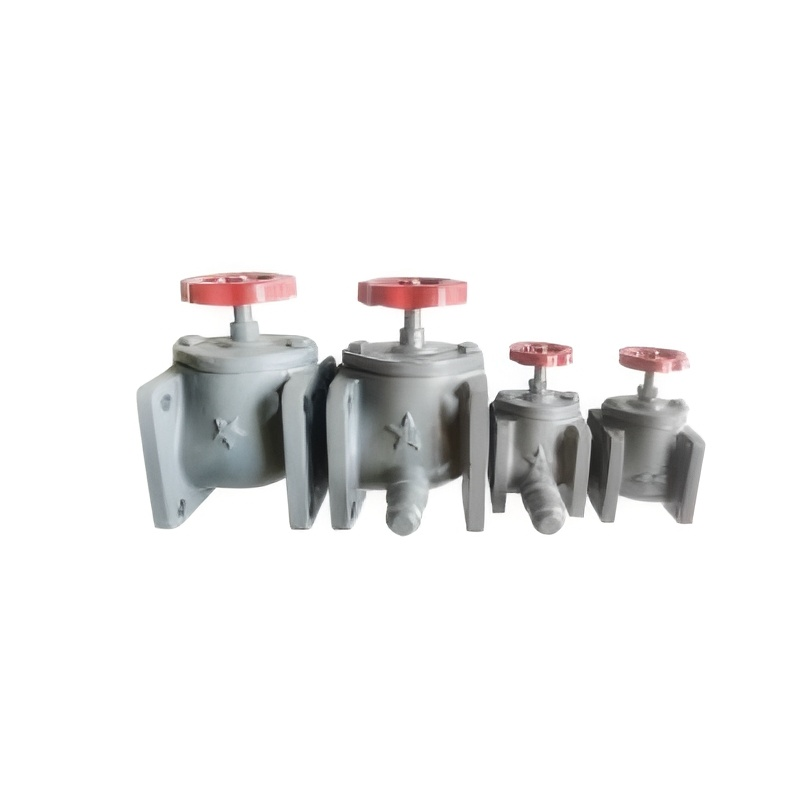
The operational efficiency and safety of dry type transformers depend heavily on proper thermal management and pressure control systems. Among the critical components that ensure optimal performance, the pressure relief valve plays a pivotal role in maintaining system integrity during thermal expansion and fault conditions. Understanding the relationship between valve sizing and transformer efficiency is essential for engineers and facility managers who need to optimize their electrical infrastructure while ensuring long-term reliability and compliance with industry standards.
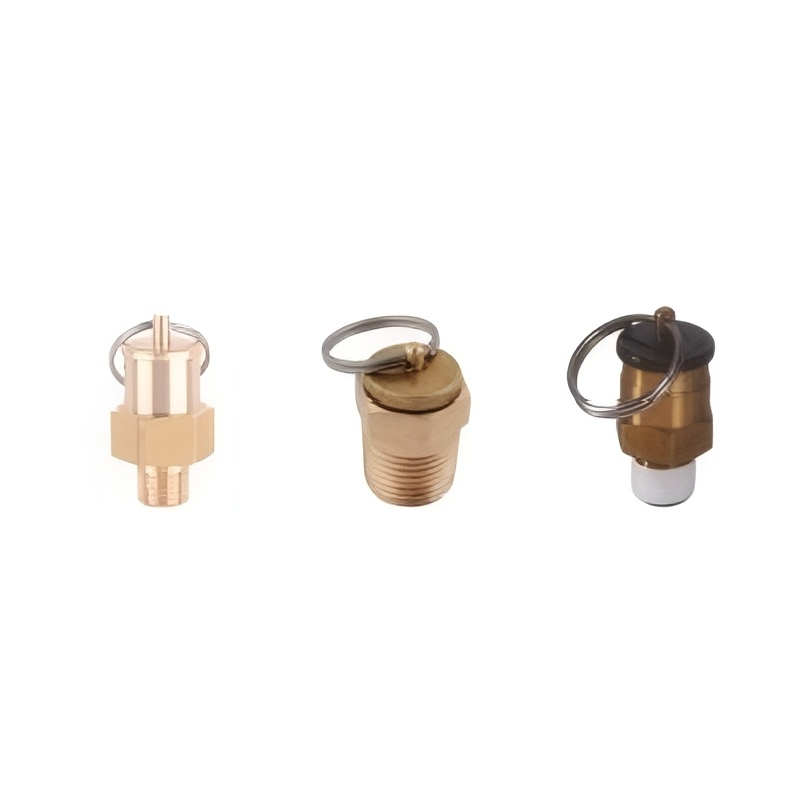
Understanding Pressure Relief Valve Fundamentals in Transformer Applications
Basic Principles of Pressure Relief Systems
A pressure relief valve serves as a critical safety mechanism that automatically opens when internal pressure exceeds predetermined limits. In dry type transformers, these valves protect against pressure buildup caused by thermal expansion of internal components, insulation degradation, or fault conditions. The valve's primary function involves maintaining optimal internal pressure while preventing catastrophic failure that could result from excessive pressure accumulation.
The mechanism operates through a spring-loaded system that responds to pressure differentials across the valve seat. When internal pressure reaches the set point, the valve opens to release excess pressure, then automatically reseals once pressure returns to normal operating levels. This cyclical operation ensures continuous protection without requiring manual intervention or system shutdown.
Integration with Dry Type Transformer Design
Modern dry type transformers incorporate sophisticated enclosure designs that work in conjunction with pressure relief systems. The transformer's sealed or semi-sealed enclosure creates a controlled environment that protects internal components from environmental contaminants while managing thermal expansion. The pressure relief valve must be precisely sized to accommodate the specific volumetric expansion characteristics of the transformer's internal components and cooling medium.
The valve's integration point typically occurs at the highest point of the transformer enclosure, allowing for optimal pressure equalization and gas venting. This strategic placement ensures that any gases generated during normal operation or fault conditions can be safely expelled without compromising the transformer's internal environment or creating safety hazards for nearby personnel.
Critical Factors in Pressure Relief Valve Sizing
Volumetric Expansion Calculations
Proper sizing of a pressure relief valve requires comprehensive analysis of the transformer's volumetric expansion characteristics under various operating conditions. Engineers must calculate the maximum expected volume change based on thermal expansion coefficients of internal components, including windings, core materials, and any cooling medium present within the enclosure. These calculations form the foundation for determining the minimum flow capacity required from the relief valve.
Temperature variations during normal operation can cause significant pressure fluctuations within the transformer enclosure. The valve sizing must account for both gradual thermal cycles during load variations and rapid temperature increases during fault conditions. Accurate modeling of these thermal dynamics ensures that the valve can respond appropriately to both normal operating variations and emergency situations.
Flow Capacity Requirements
The flow capacity of a pressure relief valve directly impacts its ability to maintain optimal pressure levels during various operating scenarios. Insufficient flow capacity can result in pressure buildup that stresses internal components and reduces overall efficiency. Conversely, oversized valves may lead to excessive pressure drops during normal operation, potentially creating negative pressure conditions that could compromise the transformer's internal environment.
Engineers must consider both steady-state flow requirements and transient conditions when sizing the valve. Fault conditions, such as internal arcing or insulation failure, can generate rapid pressure increases that require immediate valve response. The valve's flow characteristics must be matched to these dynamic requirements while maintaining stable operation during normal load variations.
Impact on Transformer Efficiency and Performance
Thermal Management Optimization
Effective thermal management directly correlates with transformer efficiency, and the pressure relief valve plays a crucial role in maintaining optimal thermal conditions. Properly sized valves ensure that internal pressure remains within design parameters, allowing heat transfer mechanisms to function efficiently. When pressure levels deviate from optimal ranges, thermal transfer efficiency decreases, leading to higher operating temperatures and reduced overall performance.
The valve's response characteristics also influence the transformer's ability to manage thermal transients during load switching or fault recovery. Quick valve response prevents pressure spikes that could interfere with natural convection cooling patterns, while controlled pressure release maintains the stable internal environment necessary for consistent thermal performance.
Electrical Performance Considerations
Internal pressure variations can affect the dielectric properties of the transformer's insulation system, directly impacting electrical performance and efficiency. Excessive pressure can compress insulation materials, altering their dielectric constant and potentially creating localized stress concentrations. Conversely, insufficient pressure or vacuum conditions can reduce insulation effectiveness and increase the risk of partial discharge activity.
The pressure relief valve's ability to maintain stable internal conditions helps preserve the designed electrical clearances and insulation performance throughout the transformer's operating range. This stability is particularly important in high-voltage applications where minor variations in insulation performance can significantly impact overall efficiency and reliability.
Design Considerations for Optimal Valve Selection
Material Compatibility and Durability
The selection of appropriate materials for the pressure relief valve components ensures long-term compatibility with the transformer's internal environment and operating conditions. Valve seats, springs, and sealing elements must resist degradation from exposure to transformer oils, gases, and temperature cycling. Material selection also impacts the valve's response characteristics and long-term calibration stability.
Corrosion resistance is particularly important in applications where the transformer may be exposed to harsh environmental conditions or where internal chemistry could promote material degradation. Stainless steel, brass, and specialized polymer materials are commonly used in valve construction, each offering specific advantages for different operating environments and pressure ranges.
Set Pressure Determination
Establishing the correct set pressure for a pressure relief valve requires balancing multiple operational requirements and safety considerations. The set pressure must be high enough to prevent nuisance opening during normal thermal cycling while remaining sufficiently low to provide protection before internal pressure reaches levels that could damage transformer components or compromise safety.
Industry standards and manufacturer specifications provide guidance for set pressure determination, but site-specific conditions may require adjustments to these baseline values. Factors such as altitude, ambient temperature variations, and load profile characteristics can influence optimal set pressure selection and may necessitate custom valve configurations for specific applications.
Installation and Maintenance Best Practices
Proper Installation Techniques
Correct installation of the pressure relief valve is essential for achieving optimal performance and maintaining transformer efficiency. The valve must be mounted in a location that allows for unrestricted operation and provides safe venting of released pressure. Installation orientation affects valve response characteristics, and manufacturer specifications should be strictly followed to ensure proper operation.
Piping connections to the valve should minimize pressure drops and avoid configurations that could trap condensate or debris. Support structures must accommodate thermal expansion while maintaining proper alignment, and accessibility for maintenance and testing should be considered during initial installation planning.
Preventive Maintenance Programs
Regular maintenance of the pressure relief valve ensures continued optimal performance and prevents degradation that could impact transformer efficiency. Maintenance schedules should include periodic testing to verify set pressure accuracy, inspection of sealing surfaces for wear or damage, and replacement of components according to manufacturer recommendations.
Documentation of valve performance over time provides valuable data for optimizing maintenance intervals and identifying potential issues before they impact transformer operation. Trending analysis can reveal gradual changes in valve response characteristics that may indicate the need for adjustment or replacement to maintain peak efficiency.
Advanced Sizing Methodologies
Computer-Aided Design Tools
Modern engineering software provides sophisticated tools for analyzing pressure relief valve sizing requirements in complex transformer applications. These programs can model thermal dynamics, pressure variations, and flow characteristics with high accuracy, enabling engineers to optimize valve selection for specific operating conditions and performance requirements.
Finite element analysis and computational fluid dynamics simulations help visualize pressure distribution patterns and identify potential optimization opportunities. These advanced modeling techniques are particularly valuable for custom transformer designs or applications with unique operating requirements that may not be adequately addressed by standard sizing charts or simplified calculations.
Dynamic Response Analysis
Understanding the dynamic response characteristics of pressure relief valve systems enables engineers to optimize valve selection for varying load conditions and transient events. Time-domain analysis of pressure variations during transformer startup, load switching, and fault conditions provides insights into valve performance requirements that steady-state calculations may not reveal.
Dynamic modeling also helps identify potential resonance conditions or oscillatory behavior that could affect valve stability and long-term performance. This analysis is particularly important for applications with frequent load variations or where the transformer operates in conjunction with other equipment that may introduce pressure disturbances.
Economic and Operational Benefits
Energy Efficiency Improvements
Properly sized pressure relief valve systems contribute to improved energy efficiency through optimized thermal management and reduced parasitic losses. Maintaining stable internal conditions allows the transformer to operate closer to design parameters, minimizing temperature-related losses and improving overall electrical efficiency.
The economic impact of improved efficiency extends beyond direct energy savings to include reduced cooling requirements, extended equipment life, and decreased maintenance costs. These benefits often justify the initial investment in precision valve sizing and high-quality components, particularly in applications with high utilization factors or critical reliability requirements.
Reliability and Availability Enhancement
Effective pressure management through properly sized relief valves significantly enhances transformer reliability and reduces the likelihood of unplanned outages. By preventing pressure-related stress and maintaining optimal operating conditions, the valve system contributes to extended equipment life and improved availability for critical electrical loads.
Risk mitigation through proper valve sizing also reduces potential liability exposure and insurance costs associated with equipment failures or safety incidents. The proactive approach to pressure management demonstrates due diligence in equipment design and operation, which may be recognized in insurance evaluations and regulatory compliance assessments.
FAQ
What happens if a pressure relief valve is undersized for a dry type transformer
An undersized pressure relief valve cannot adequately handle the volumetric expansion and pressure buildup within the transformer enclosure. This leads to excessive internal pressure that can stress components, reduce insulation effectiveness, and potentially cause catastrophic failure. The valve may remain partially open during normal operation, creating instability and reducing overall transformer efficiency. Additionally, during fault conditions, an undersized valve cannot provide sufficient pressure relief, potentially leading to enclosure damage or safety hazards.
How does ambient temperature affect pressure relief valve sizing requirements
Ambient temperature variations directly influence the internal temperature and pressure conditions within dry type transformers. Higher ambient temperatures increase the baseline internal temperature, requiring larger pressure relief capacity to handle the additional thermal expansion. Conversely, low ambient temperatures may require consideration of minimum pressure requirements to prevent vacuum formation. The valve sizing must account for the full range of expected ambient conditions to ensure proper operation throughout all seasonal variations and environmental conditions.
Can pressure relief valve sizing impact transformer warranty coverage
Improper pressure relief valve sizing that leads to operating conditions outside the transformer manufacturer's specifications can void warranty coverage. Manufacturers typically specify pressure operating ranges and relief valve requirements as part of their design criteria. Using incorrectly sized valves that allow pressure excursions beyond these limits may be considered operator error or improper installation, potentially excluding coverage for related failures. It is essential to follow manufacturer guidelines and industry standards when selecting and sizing pressure relief valves.
What testing procedures verify proper pressure relief valve sizing
Verification of proper pressure relief valve sizing involves both initial commissioning tests and ongoing performance monitoring. Initial testing includes set pressure verification, flow capacity testing, and response time measurement under controlled conditions. Operational testing monitors pressure variations during normal load cycles and verifies that the valve maintains stable internal conditions without nuisance operation. Long-term monitoring through pressure transducers and data logging systems provides ongoing verification of valve performance and can identify gradual changes that may indicate sizing issues or component degradation.
Table of Contents
- Understanding Pressure Relief Valve Fundamentals in Transformer Applications
- Critical Factors in Pressure Relief Valve Sizing
- Impact on Transformer Efficiency and Performance
- Design Considerations for Optimal Valve Selection
- Installation and Maintenance Best Practices
- Advanced Sizing Methodologies
- Economic and Operational Benefits
- FAQ
