 EN
EN

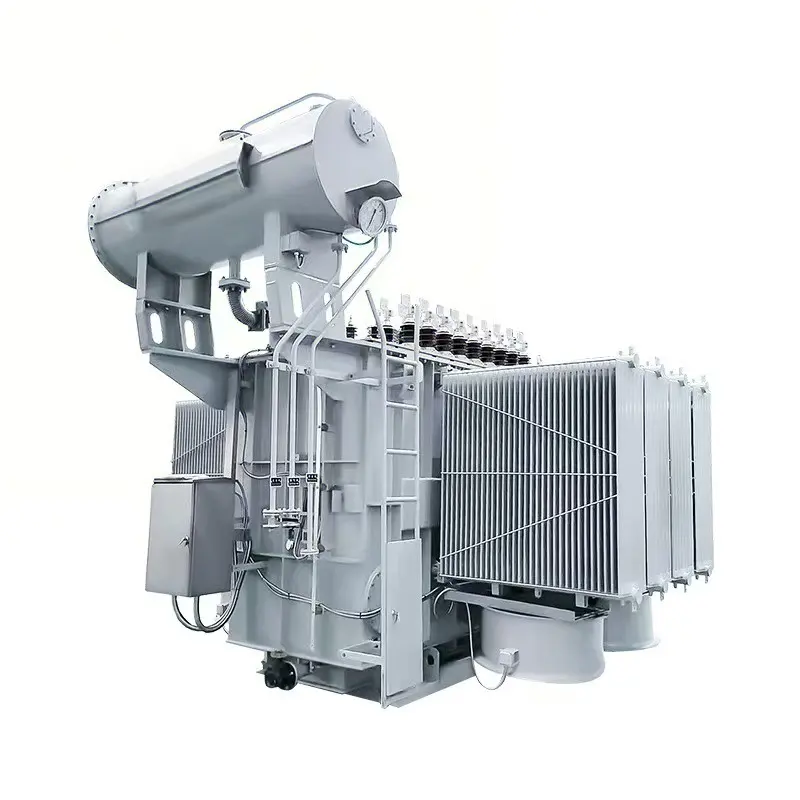
Selecting the right power transformer for industrial applications requires careful consideration of multiple technical factors, especially when dealing with heavy-duty electrical systems. An oil immersed type transformer represents one of the most reliable solutions for high-voltage power distribution, offering superior cooling capabilities and enhanced insulation properties that make them ideal for demanding industrial environments. These transformers utilize mineral oil as both a cooling medium and electrical insulation, providing exceptional performance in applications where conventional dry-type units would struggle to maintain efficiency and safety standards.
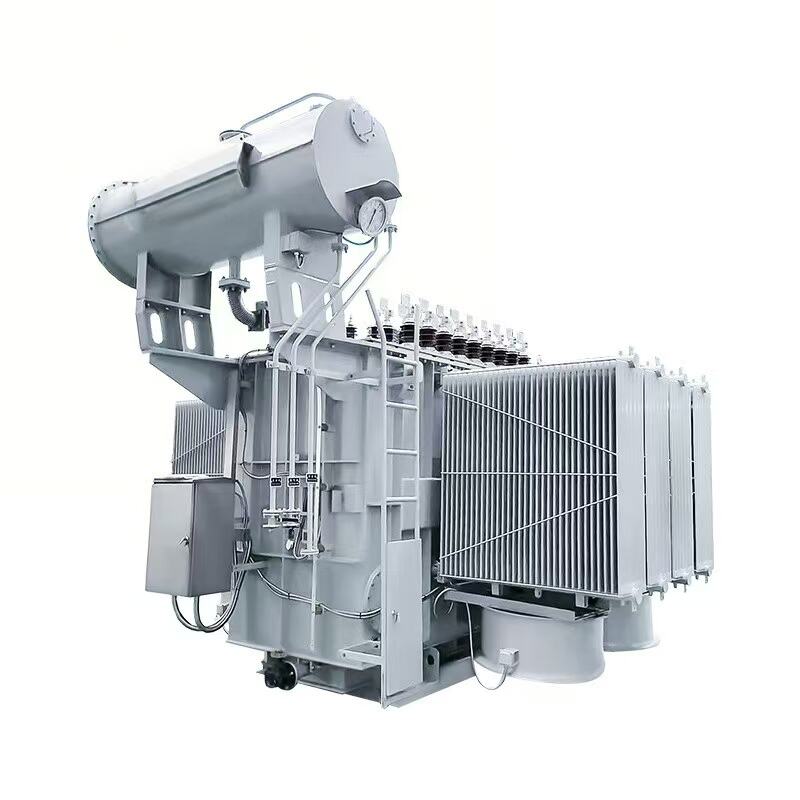
Industrial power systems demand transformers that can handle substantial electrical loads while maintaining consistent performance over extended operational periods. The selection process becomes particularly critical when designing electrical infrastructure for manufacturing facilities, power generation plants, and large commercial complexes. Understanding the technical specifications, environmental considerations, and operational requirements ensures optimal transformer performance and long-term reliability in heavy-duty applications.
Understanding Oil Immersed Transformer Technology
Core Design Principles and Components
The fundamental design of an oil immersed type transformer centers around a laminated steel core surrounded by primary and secondary windings, all submerged in specially refined mineral oil. This configuration provides superior heat dissipation compared to air-cooled alternatives, allowing for higher power density and more compact installations. The oil serves multiple functions, acting as both a dielectric medium and a heat transfer agent, while also providing protection against moisture and oxidation that could compromise electrical performance.
Modern oil immersed transformers incorporate advanced insulation systems that combine oil impregnated paper, pressboard barriers, and carefully designed winding structures. These components work together to ensure reliable operation under high electrical stress conditions. The tank design includes expansion chambers and breathing systems that accommodate thermal expansion of the oil while preventing contamination from external environmental factors.
Thermal Management and Cooling Systems
Effective thermal management represents a critical aspect of oil immersed transformer performance, particularly in heavy-duty applications where sustained high loading is common. The oil circulation system removes heat generated by core losses and winding resistance, transferring it to external cooling surfaces where it dissipates to the surrounding environment. Natural convection cooling suffices for smaller units, while larger transformers may require forced oil circulation and external cooling fans to maintain optimal operating temperatures.
Temperature monitoring systems integrated into modern oil immersed transformers provide real-time data on oil temperature, winding temperature, and ambient conditions. This information enables operators to optimize loading patterns and identify potential issues before they impact system reliability. Advanced thermal management systems can extend transformer life significantly by preventing excessive temperature excursions that accelerate insulation aging.
Key Selection Criteria for Heavy-Duty Applications
Power Rating and Voltage Class Considerations
Determining the appropriate power rating requires careful analysis of both present electrical demands and future expansion plans. Heavy-duty applications typically involve substantial motor loads, welding equipment, and other high-current devices that create significant power demands. The selected transformer must handle not only the steady-state load requirements but also accommodate starting currents and other transient conditions without exceeding thermal or electrical limitations.
Voltage class selection depends on the incoming utility supply characteristics and the distribution system requirements within the facility. Standard voltage classes range from medium voltage (typically 4.16kV to 35kV) down to low voltage distribution levels (480V, 208V). The impedance characteristics of the chosen transformer directly impact fault current levels and system coordination, making this parameter crucial for proper protective device selection and overall system safety.
Environmental and Installation Factors
Environmental conditions significantly influence transformer selection and installation requirements. Outdoor installations must consider temperature extremes, humidity levels, salt spray exposure, and seismic activity in the design specifications. Indoor installations require adequate ventilation for heat dissipation and appropriate fire protection systems given the combustible nature of transformer oil.
Foundation requirements vary based on transformer size and mounting configuration. Larger units require substantial concrete pads with proper drainage systems to handle potential oil spills. Accessibility for maintenance and testing must be incorporated into the installation design, including adequate clearances for oil sampling, bushing maintenance, and potential future replacement activities.
Technical Specifications and Performance Parameters
Electrical Characteristics and Standards Compliance
Technical specifications for an oil immersed type transformer must align with applicable industry standards such as IEEE, IEC, or ANSI requirements. These standards define testing procedures, performance criteria, and safety requirements that ensure reliable operation in demanding applications. Key electrical parameters include impedance values, insulation levels, temperature rise characteristics, and efficiency ratings that directly impact system performance.
Insulation coordination becomes particularly important in heavy-duty applications where electrical stress levels may be elevated due to system configurations or operational requirements. The Basic Impulse Level (BIL) rating must provide adequate margin above expected overvoltage conditions, including lightning surges and switching transients. Proper insulation coordination protects both the transformer and connected equipment from damage during abnormal system conditions.
Load Characteristics and Operational Flexibility
Heavy-duty applications often involve variable loading patterns that require transformers capable of handling both continuous operation at rated capacity and temporary overload conditions. The thermal time constants of oil immersed transformers generally provide better overload capability compared to dry-type alternatives, making them well-suited for applications with cyclical or variable loading patterns.
Tap changing capabilities provide operational flexibility for maintaining stable secondary voltages despite variations in primary supply voltage or load conditions. On-load tap changers enable voltage adjustment without interrupting service, while off-load tap changers require system shutdown for adjustment but offer a more economical solution for applications where voltage regulation requirements are less stringent.
Maintenance and Operational Considerations
Preventive Maintenance Programs
Establishing comprehensive maintenance programs ensures reliable long-term operation of oil immersed transformers in heavy-duty applications. Regular oil sampling and analysis provides early indication of developing problems such as insulation degradation, moisture ingress, or overheating conditions. Dissolved gas analysis (DGA) can detect incipient faults that might not be apparent through other testing methods, enabling proactive maintenance before failures occur.
Visual inspections should include examination of oil levels, bushing conditions, gasket integrity, and cooling system operation. Thermographic surveys help identify hot spots or uneven temperature distribution that could indicate developing problems. Documentation of all maintenance activities and test results provides valuable trending information for assessing transformer condition and planning future maintenance activities.
Safety and Environmental Compliance
Safety considerations for oil immersed transformers include fire protection systems, oil containment provisions, and personnel protection from electrical hazards. Automatic fire suppression systems may be required depending on installation location and local fire codes. Oil containment systems prevent environmental contamination in the event of tank rupture or major oil leaks.
Environmental regulations increasingly focus on the disposal and recycling of transformer oil and other materials at end-of-life. Modern transformer oils are typically biodegradable or easily recyclable, reducing environmental impact. Proper documentation of oil handling and disposal activities ensures compliance with applicable environmental regulations.
Economic Evaluation and Life Cycle Costs
Initial Investment and Installation Costs
The economic evaluation of oil immersed transformers must consider both initial capital costs and long-term operational expenses. While oil immersed units may have higher initial costs compared to some alternatives, their superior efficiency and longer service life often result in lower total cost of ownership. Installation costs include foundation preparation, oil handling equipment, and auxiliary systems such as fire protection and oil containment.
Transportation and handling costs can be significant for large oil immersed transformers, particularly when special permits or escort vehicles are required. Site preparation costs vary based on accessibility and local requirements but must be included in the overall economic analysis. Consideration of future expansion or replacement scenarios helps optimize the initial investment decision.
Operating Costs and Efficiency Considerations
Energy efficiency directly impacts operating costs over the transformer's service life, making efficiency ratings an important selection criterion. Modern oil immersed transformers typically achieve efficiency levels exceeding 98% at rated load, with minimal variation across the normal loading range. The superior cooling characteristics of oil immersion often allow for higher efficiency designs compared to air-cooled alternatives.
Maintenance costs for oil immersed transformers include periodic oil testing, replacement of deteriorated oil, and routine inspection activities. While these costs are generally predictable and manageable, they must be factored into the life cycle cost analysis. The extended service life typical of well-maintained oil immersed transformers often exceeds 30 years, providing excellent return on investment for heavy-duty applications.
FAQ
What are the main advantages of oil immersed transformers for heavy-duty applications
Oil immersed transformers offer superior cooling capabilities, allowing higher power density and better overload capability compared to dry-type alternatives. The oil provides excellent electrical insulation and protection against environmental contaminants, while the thermal mass helps maintain stable operating temperatures during variable loading conditions. These characteristics make them ideal for demanding industrial applications where reliability and performance are critical.
How do I determine the appropriate size for my heavy-duty application
Proper sizing requires analysis of both steady-state load requirements and transient conditions such as motor starting currents. Consider future expansion plans and load growth when selecting capacity. The transformer should handle normal operating loads at approximately 80% of rated capacity to provide adequate margin for overloads and maintain optimal efficiency. Consulting with electrical engineers experienced in industrial power systems ensures appropriate sizing for specific applications.
What maintenance is required for oil immersed transformers
Regular maintenance includes oil sampling and analysis, visual inspections of external components, and monitoring of cooling system operation. Oil quality testing should be performed annually or more frequently in harsh environments. Thermographic surveys help identify developing problems, while dissolved gas analysis provides early warning of internal faults. Preventive maintenance programs significantly extend transformer life and improve reliability.
Are there special installation requirements for oil immersed transformers
Installation requirements include adequate foundations capable of supporting the transformer weight, oil containment systems to prevent environmental contamination, and appropriate clearances for maintenance access. Fire protection systems may be required depending on location and local codes. Proper grounding and protection coordination are essential for safe operation. Environmental factors such as ambient temperature, humidity, and seismic activity must be considered in the installation design.
