 EN
EN

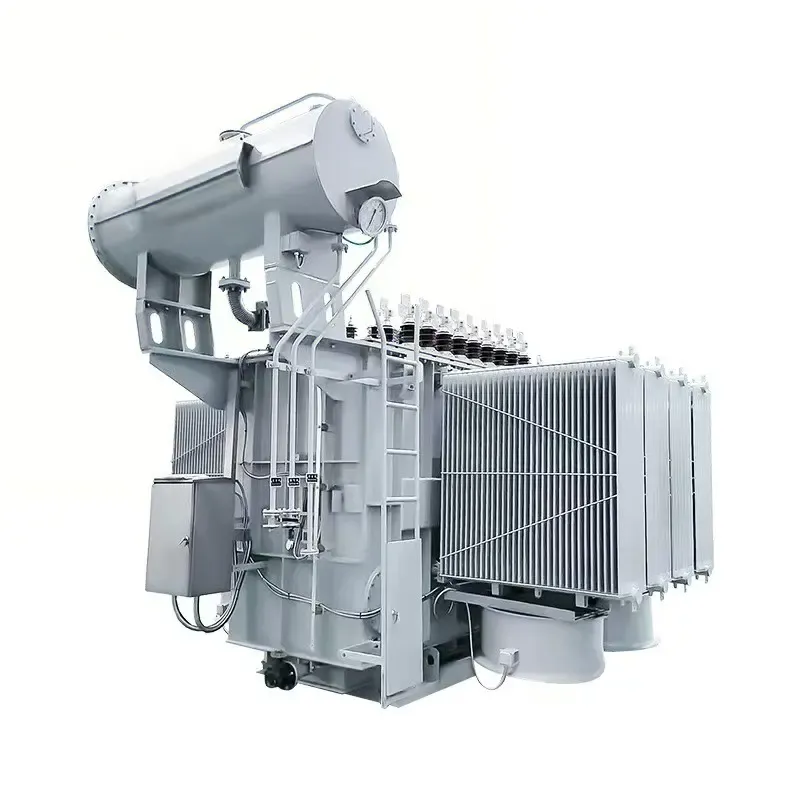
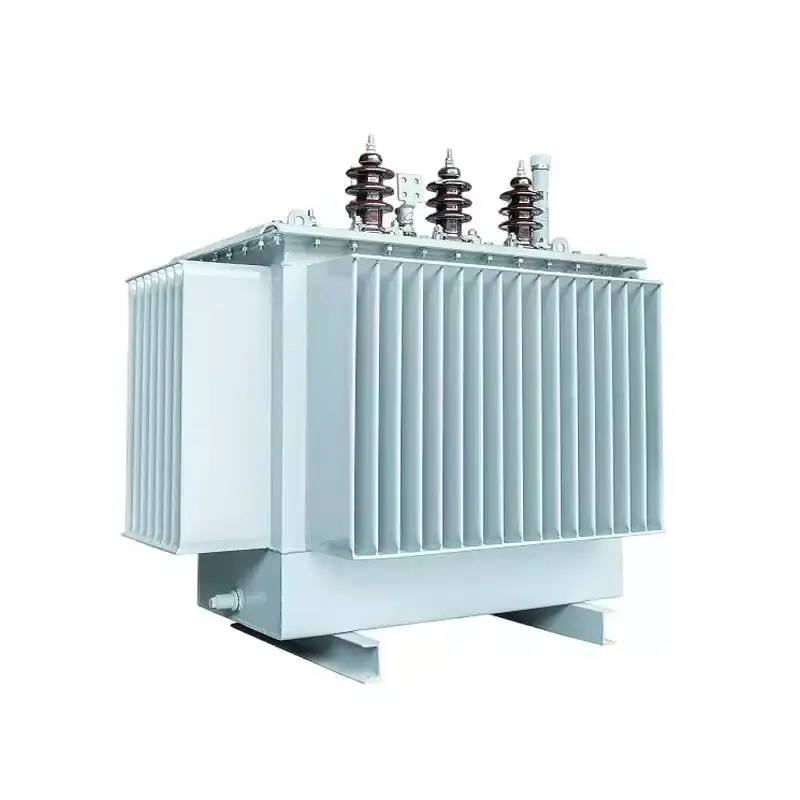
Operating electrical transformers safely requires comprehensive understanding of the unique hazards and preventive measures associated with each transformer type. Among power distribution equipment, the oil immersed transformer presents specific safety challenges due to its liquid cooling system and high-voltage components. These transformers utilize insulating oil for both cooling and electrical insulation, creating distinct operational risks that demand specialized safety protocols. Understanding these risks and implementing proper safety measures ensures reliable operation while protecting personnel and equipment from potential hazards.
Understanding Oil Immersed Transformer Hazards
Fire and Explosion Risks
The primary safety concern with oil immersed transformer operations involves fire and explosion hazards. Transformer oil, while having excellent dielectric properties, remains combustible under certain conditions. Internal arcing, overheating, or mechanical damage can cause oil decomposition, generating flammable gases that pose explosion risks. These risks intensify when oil temperature exceeds safe operating limits or when contamination introduces moisture or other reactive substances into the insulating oil system.
Modern oil immersed transformer designs incorporate multiple safety features to mitigate fire risks, including pressure relief systems, conservator tanks, and gas detection equipment. However, these built-in protections require regular maintenance and monitoring to ensure effectiveness. Operators must understand that even minor oil leaks can create fire hazards, particularly in areas with high ambient temperatures or electrical equipment that could serve as ignition sources.
Electrical Safety Considerations
High-voltage electrical hazards represent another critical safety aspect of oil immersed transformer operations. These transformers typically operate at transmission or distribution voltage levels, creating lethal electrical fields around bushings, connections, and associated switchgear. Inadequate clearances, compromised insulation, or improper grounding can result in electrical flashover, potentially causing severe injury or death to personnel.
The combination of oil and high voltage creates unique electrical safety challenges not found in dry-type transformers. Oil-filled transformers can experience internal faults that may not immediately trip protective devices, allowing dangerous conditions to persist. Additionally, oil contamination can reduce insulation effectiveness, increasing the likelihood of electrical failures that compromise both equipment and personnel safety.
Essential Pre-Operation Safety Procedures
Visual Inspection Requirements
Comprehensive visual inspections form the foundation of safe oil immersed transformer operation. Operators must examine the transformer exterior for oil leaks, corrosion, physical damage, or unusual accumulations of debris. Oil level indicators require particular attention, as low oil levels can expose internal components to air, dramatically increasing fire and failure risks. Any signs of oil discoloration, bubbling, or unusual odors indicate potential internal problems requiring immediate investigation.
Bushing inspections deserve special attention during pre-operation procedures. Cracked porcelain, carbon tracking, or contaminated surfaces can lead to flashover incidents. Operators should verify that all bushings maintain proper clearances from surrounding structures and that protective equipment such as wildlife guards remains properly installed. Ground connections must be secure and free from corrosion, as inadequate grounding increases both electrical and fire hazards.
Testing and Measurement Protocols
Electrical testing before energizing an oil immersed transformer provides crucial safety verification. Insulation resistance testing confirms that oil and solid insulation systems maintain adequate dielectric strength. Power factor testing can reveal moisture contamination or insulation deterioration that might not be apparent through visual inspection alone. These tests should be performed according to manufacturer specifications and industry standards.
Oil quality testing represents another critical pre-operation safety measure. Dissolved gas analysis can detect incipient faults such as overheating or arcing that could lead to catastrophic failures. Moisture content testing ensures that oil maintains its insulating properties, while acidity testing indicates whether oil degradation has reached levels requiring filtration or replacement. Results from these tests guide operational decisions and maintenance scheduling.
Operational Safety Protocols
Load Management Strategies
Proper load management prevents overheating conditions that can compromise oil immersed transformer safety. Operators must monitor loading levels continuously, ensuring that transformer capacity limits are not exceeded during normal operation or emergency conditions. Temperature monitoring systems should track both oil temperature and winding temperatures, with alarm setpoints established well below maximum safe operating limits.
Loading calculations must account for ambient temperature variations, cooling system effectiveness, and anticipated load duration. Emergency overloading may be acceptable for short periods, but operators must understand the cumulative effects of thermal stress on insulation life and safety margins. Documentation of loading history helps identify trends that could indicate developing problems or the need for load redistribution.
Environmental Monitoring
Continuous environmental monitoring around oil immersed transformer installations enhances operational safety. Temperature sensors in transformer oil and ambient air provide early warning of overheating conditions. Pressure monitoring systems can detect internal fault conditions that generate gases, potentially preventing catastrophic failures through early intervention.
Gas detection systems specifically designed for transformer applications can identify hydrogen, carbon monoxide, and other gases associated with internal faults. These systems should be calibrated regularly and integrated with alarm systems that alert operators to potentially dangerous conditions. Water detection around transformer foundations helps identify oil leaks before they become significant environmental or fire hazards.
Emergency Response Procedures
Fire Suppression Systems
Effective fire suppression systems specifically designed for oil immersed transformer applications provide critical safety protection. Water-based suppression systems can be effective for external fires but may not be suitable for electrical fires involving energized equipment. Foam systems designed for flammable liquid fires offer better protection for transformer oil fires, while carbon dioxide or other gaseous suppression systems eliminate oxygen to extinguish fires without damaging electrical equipment.
Fire suppression system design must consider wind direction, drainage patterns, and proximity to other equipment or structures. Deluge systems that can quickly flood transformer areas with suppressant may be necessary for high-risk installations. Regular testing and maintenance of suppression systems ensures reliable operation when needed, while operator training on system activation procedures reduces response time during emergencies.
Evacuation and Communication Plans
Emergency evacuation procedures for oil immersed transformer incidents must account for various hazard scenarios, including fire, explosion, and toxic gas release. Clear evacuation routes that avoid areas downwind of potential oil fires or gas releases protect personnel from exposure to dangerous conditions. Communication systems must remain functional during emergencies to coordinate response activities and alert emergency services.
Emergency response plans should include procedures for isolating failed transformers, coordinating with local fire departments, and managing environmental containment. Regular drills ensure that personnel understand their roles during emergencies and can execute response procedures effectively. Documentation of emergency procedures and contact information must be readily accessible to all personnel involved in transformer operations.
Maintenance Safety Considerations
Lockout and Tagout Procedures
Comprehensive lockout and tagout procedures ensure that oil immersed transformer maintenance occurs safely with all energy sources properly isolated. These procedures must address not only electrical isolation but also stored energy in oil circulation systems, cooling equipment, and associated control circuits. Multiple energy sources require coordinated isolation procedures that prevent inadvertent energization during maintenance activities.
Verification of energy isolation should include testing of electrical circuits, confirmation of valve positions for oil systems, and documentation of all isolation points. Personal protective equipment requirements during maintenance depend on the specific tasks being performed but should always include appropriate electrical protection, fire-resistant clothing, and respiratory protection when working with oil systems.
Oil Handling Safety
Safe handling of transformer oil during maintenance requires understanding of oil properties, health hazards, and environmental protection requirements. Transformer oil can contain polychlorinated biphenyls in older equipment, requiring special handling and disposal procedures. Even modern transformer oils present slip hazards when spilled and can cause skin irritation with prolonged contact.
Oil sampling procedures should minimize exposure risks while ensuring representative samples for testing. Proper containment during oil drainage prevents environmental contamination and reduces fire hazards. Storage of replacement oil must protect against moisture contamination and physical damage while maintaining proper labeling and inventory control.
FAQ
What are the most dangerous aspects of operating oil immersed transformers
The most dangerous aspects include fire and explosion risks from the combustible insulating oil, high-voltage electrical hazards that can cause electrocution, and potential toxic gas generation from oil decomposition during internal faults. These hazards require specialized safety protocols and continuous monitoring to prevent incidents that could harm personnel or damage equipment.
How often should oil immersed transformer safety equipment be tested
Safety equipment testing frequency depends on the specific equipment type and manufacturer recommendations. Fire suppression systems typically require monthly visual inspections and annual functional testing. Gas detection systems need monthly calibration checks. Pressure relief devices should be tested annually, while temperature monitoring systems require quarterly verification to ensure accurate readings and alarm functionality.
What personal protective equipment is required for oil immersed transformer operations
Required personal protective equipment includes flame-resistant clothing rated for the electrical hazard level, electrical safety helmets, safety glasses, and insulated gloves appropriate for the voltage level. Respiratory protection may be necessary in confined spaces or when oil vapors are present. Arc-rated face shields provide additional protection during switching operations or when working near energized equipment.
How can operators detect early signs of oil immersed transformer problems
Early problem detection involves monitoring oil temperature trends, observing oil level changes, listening for unusual sounds such as buzzing or crackling, and conducting regular dissolved gas analysis. Visual inspection for oil leaks, discoloration, or bubbling provides important early warning signs. Gas detection systems and pressure monitoring equipment can identify developing faults before they become dangerous conditions.
Table of Contents
- Understanding Oil Immersed Transformer Hazards
- Essential Pre-Operation Safety Procedures
- Operational Safety Protocols
- Emergency Response Procedures
- Maintenance Safety Considerations
-
FAQ
- What are the most dangerous aspects of operating oil immersed transformers
- How often should oil immersed transformer safety equipment be tested
- What personal protective equipment is required for oil immersed transformer operations
- How can operators detect early signs of oil immersed transformer problems
