 EN
EN

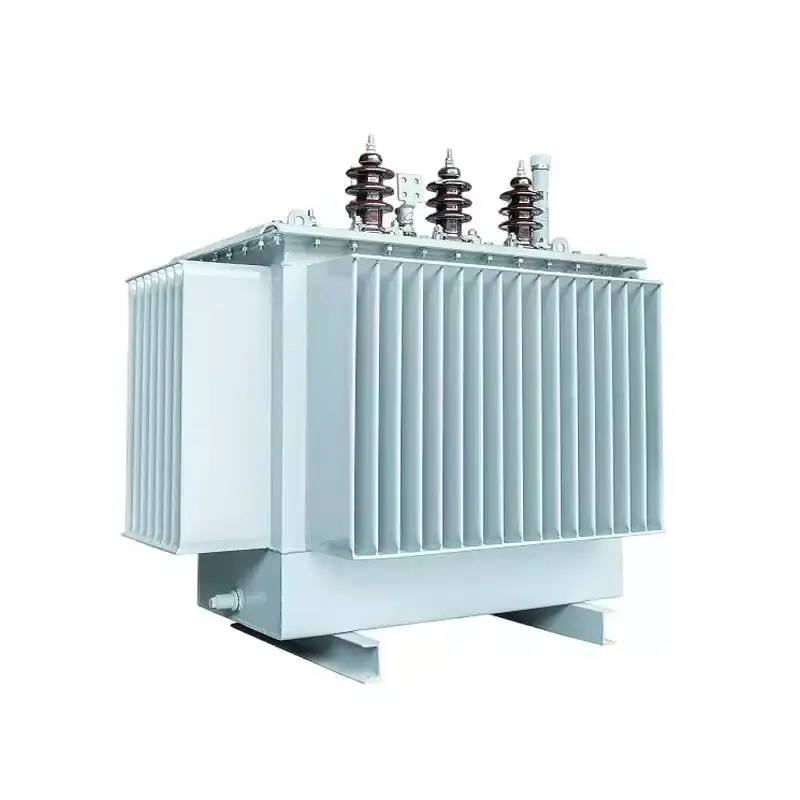
Power distribution networks across the globe continue to rely heavily on oil immersed type transformer technology despite the emergence of newer alternatives. These robust electrical devices have proven their worth through decades of reliable service, offering unmatched thermal management capabilities and cost-effective solutions for utilities managing extensive electrical grids. The enduring popularity of this transformer design stems from its exceptional ability to handle high voltage applications while maintaining operational efficiency under demanding environmental conditions.
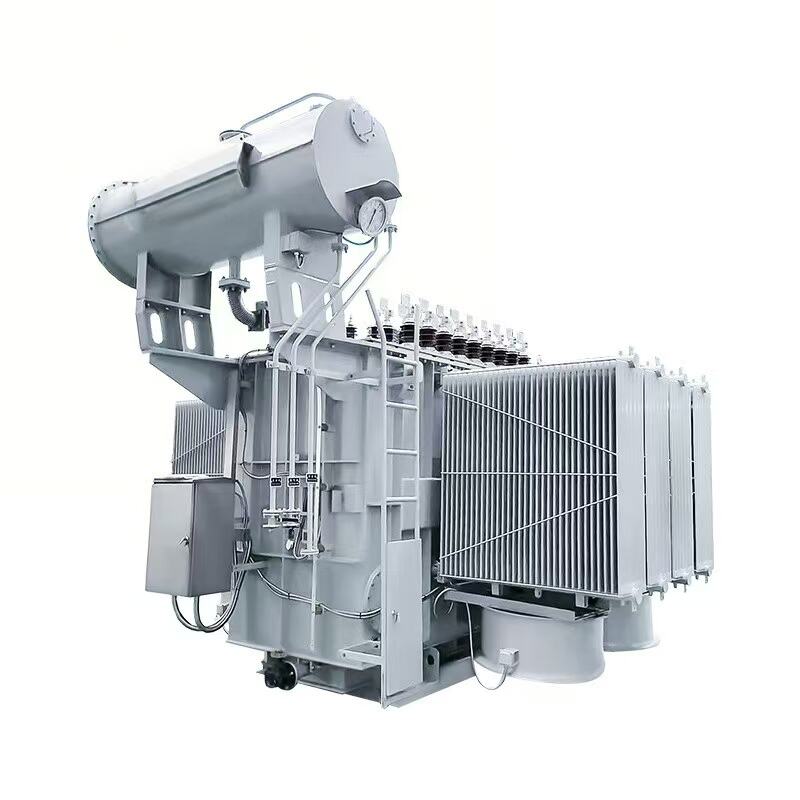
Superior Thermal Management and Heat Dissipation
Advanced Cooling Properties of Transformer Oil
The fundamental advantage of oil immersed transformers lies in their exceptional thermal management capabilities. Transformer oil serves as both an insulating medium and an efficient coolant, creating a dual-purpose system that outperforms many alternative designs. The oil continuously circulates through natural convection, carrying heat away from the windings and core components to the transformer tank walls where it dissipates into the surrounding environment.
This natural cooling process allows oil immersed transformers to operate at higher power densities without compromising reliability. The thermal conductivity of properly treated transformer oil significantly exceeds that of air, enabling more compact designs while maintaining optimal operating temperatures. Utilities appreciate this characteristic because it allows for smaller installation footprints while delivering maximum power transfer capacity.
Temperature Control Under Variable Load Conditions
Modern electrical grids experience significant load variations throughout daily cycles, requiring transformers that can adapt to changing thermal demands. Oil immersed designs excel in this application because the large volume of oil acts as a thermal buffer, smoothing out temperature fluctuations during peak demand periods. This thermal stability extends equipment lifespan and reduces the frequency of maintenance interventions.
The oil's thermal mass provides additional benefits during emergency overload situations. When grid conditions require temporary operation above rated capacity, the oil immersed type transformer can absorb excess heat without immediate damage to internal components. This operational flexibility proves invaluable for utilities managing critical infrastructure where power interruptions cannot be tolerated.
Proven Reliability and Longevity in Field Applications
Decades of Operational Experience
Utility companies worldwide have accumulated extensive operational data on oil immersed transformers spanning several decades. This wealth of field experience demonstrates consistent reliability patterns, predictable maintenance requirements, and well-understood failure modes. Engineering teams can confidently specify these transformers knowing their long-term performance characteristics and expected service life.
The proven track record extends beyond simple operational hours to include performance under extreme weather conditions, seismic events, and various forms of electrical stress. Many oil immersed transformers installed in the 1960s and 1970s continue operating effectively today, testament to the fundamental soundness of the design approach. This longevity provides utilities with excellent return on investment and reduces the frequency of costly equipment replacements.
Maintenance Practices and Asset Management
Established maintenance protocols for oil immersed transformers have been refined through decades of practical experience. Technicians understand oil analysis procedures, bushing inspection techniques, and cooling system maintenance requirements. This knowledge base represents significant value for utilities, as training new personnel on familiar equipment is more efficient than developing expertise with newer technologies.
Predictive maintenance strategies for these transformers are well-developed and reliable. Oil analysis can detect incipient failures months or years before equipment damage occurs, allowing utilities to schedule maintenance during planned outages. This proactive approach minimizes unplanned interruptions and extends transformer service life through timely interventions.
Cost Effectiveness and Economic Advantages
Initial Capital Investment Considerations
The manufacturing processes for oil immersed transformers have been optimized through decades of production experience, resulting in competitive initial costs compared to alternative technologies. Established supply chains, standardized components, and proven manufacturing techniques contribute to cost-effective procurement for utility customers. This economic advantage becomes particularly significant when utilities need to replace or expand multiple transformer installations across their service territories.
Additionally, the widespread adoption of oil immersed designs has created a competitive marketplace with multiple qualified suppliers. This competition drives innovation in manufacturing efficiency while maintaining downward pressure on pricing. Utilities benefit from this mature market structure through access to reliable products at reasonable costs.
Lifecycle Cost Analysis and Total Ownership Economics
Beyond initial purchase price, oil immersed transformers offer attractive total cost of ownership profiles. The combination of long service life, predictable maintenance requirements, and established repair procedures creates favorable economic conditions for utility asset managers. Replacement parts are readily available from multiple sources, and repair techniques are well-understood by service organizations worldwide.
Energy efficiency levels of modern oil immersed transformers have improved significantly through advances in core materials and winding design. These efficiency improvements translate to reduced operating costs over the transformer's service life, often offsetting any initial cost differences with alternative technologies. The economic case becomes even more compelling when factoring in the costs of training personnel on new technologies versus maintaining expertise with proven designs.
Technical Performance and Electrical Characteristics
Insulation System Performance
The insulation system in an oil immersed type transformer provides exceptional dielectric strength and long-term stability. Transformer oil combined with paper insulation creates a time-tested system capable of withstanding high voltage stress while maintaining reliability over decades of service. This insulation approach has proven its effectiveness across various voltage classes and environmental conditions.
The self-healing properties of oil insulation provide additional operational benefits. Minor electrical discharges or partial discharge activity that might damage other insulation systems can often be absorbed by the oil without permanent degradation. This characteristic contributes to the overall robustness and fault tolerance of oil immersed transformer designs.
Overload Capability and Emergency Operation
Grid operators frequently require transformers capable of emergency overload operation during equipment outages or peak demand periods. Oil immersed transformers excel in these applications due to their superior thermal characteristics and robust construction. The large oil volume provides thermal inertia that allows temporary operation above nameplate ratings without immediate equipment damage.
Emergency loading guidelines for these transformers are well-established and supported by extensive field experience. Utilities can confidently operate oil immersed transformers at emergency ratings knowing the risks and limitations involved. This operational flexibility proves invaluable for maintaining grid reliability during critical periods.
Environmental Considerations and Regulatory Compliance
Modern Oil Formulations and Environmental Impact
Contemporary transformer oils have evolved significantly from early formulations, incorporating biodegradable options and improved environmental characteristics. Modern oil immersed transformers can utilize natural ester fluids or other environmentally-friendly alternatives while maintaining the thermal and electrical performance advantages of traditional designs. These advances address environmental concerns while preserving the technical benefits that make oil immersion attractive.
Containment systems for oil immersed transformers have also improved dramatically. Modern installations include sophisticated spill containment, leak detection systems, and environmental monitoring capabilities. These safety features ensure that any potential environmental impact is minimized while maintaining the operational advantages of oil insulation and cooling.
Regulatory Acceptance and Standards Compliance
Regulatory frameworks worldwide have extensive provisions for oil immersed transformer installations, reflecting their widespread acceptance and understood environmental impact. Standards organizations have developed comprehensive guidelines covering everything from installation practices to end-of-life disposal procedures. This regulatory clarity simplifies permitting processes and reduces project implementation timelines for utilities.
The established regulatory framework also provides certainty for long-term asset planning. Utilities can confidently invest in oil immersed transformer technology knowing that regulatory requirements are stable and well-understood. This predictability contrasts favorably with newer technologies that may face evolving or uncertain regulatory treatment.
Integration with Existing Infrastructure
Compatibility with Legacy Systems
Many utility systems include substantial investments in infrastructure designed around oil immersed transformer characteristics. Substation layouts, protection schemes, and maintenance facilities have been optimized for these transformer types over many years. Replacing oil immersed transformers with alternative technologies often requires significant modifications to existing infrastructure, adding cost and complexity to upgrade projects.
The standardized physical dimensions and connection arrangements of oil immersed transformers facilitate replacement projects. Utilities can often upgrade transformer capacity or replace aging equipment without major modifications to foundation structures, bus arrangements, or protection systems. This compatibility reduces project costs and minimizes outage duration during equipment changes.
Operational Familiarity and Staff Expertise
Utility operations personnel have extensive experience with oil immersed transformer operation and troubleshooting procedures. This expertise represents significant value in terms of operational reliability and response capability. When equipment problems occur, experienced technicians can quickly diagnose issues and implement appropriate corrective actions based on their familiarity with oil immersed type transformer behavior.
Training programs and certification courses for oil immersed transformers are widely available and well-established. New employees can access comprehensive educational resources to develop expertise with these systems. This training infrastructure supports workforce development while maintaining high levels of technical competence within utility organizations.
FAQ
What are the main advantages of oil immersed transformers over dry type alternatives
Oil immersed transformers offer superior thermal management through natural convection cooling, higher overload capacity for emergency operations, better moisture resistance, and generally lower initial costs for higher voltage applications. The oil provides both insulation and cooling, creating a more compact design with excellent heat dissipation characteristics. These transformers also demonstrate proven reliability in outdoor installations and harsh environmental conditions.
How long can oil immersed transformers typically operate before requiring major maintenance
Well-maintained oil immersed transformers can operate for 30-40 years or more with proper care and regular monitoring. Major maintenance intervals typically occur every 10-15 years, involving oil analysis, bushing inspection, and internal assessment. The key to longevity lies in maintaining proper oil quality, managing moisture levels, and conducting regular preventive maintenance activities. Many utilities have transformers from the 1960s still in reliable service today.
Are modern oil immersed transformers environmentally safe
Modern oil immersed transformers incorporate advanced environmental safeguards including biodegradable oil options, sophisticated containment systems, and leak detection technology. Contemporary installations feature double-wall tanks, oil-water separators, and environmental monitoring systems. Natural ester fluids and other eco-friendly alternatives provide the same performance benefits as traditional oils while offering improved environmental characteristics and fire safety properties.
What maintenance procedures are required for oil immersed transformers
Regular maintenance includes annual oil sampling and analysis, visual inspections of external components, monitoring of cooling system operation, and testing of protection systems. Oil analysis detects moisture, dissolved gases, and contamination levels that indicate internal conditions. Bushings require periodic cleaning and inspection, while cooling fans and pumps need routine maintenance. Load tap changers require more frequent attention, typically involving oil changes and contact inspection every few years depending on operation frequency.
Table of Contents
- Superior Thermal Management and Heat Dissipation
- Proven Reliability and Longevity in Field Applications
- Cost Effectiveness and Economic Advantages
- Technical Performance and Electrical Characteristics
- Environmental Considerations and Regulatory Compliance
- Integration with Existing Infrastructure
-
FAQ
- What are the main advantages of oil immersed transformers over dry type alternatives
- How long can oil immersed transformers typically operate before requiring major maintenance
- Are modern oil immersed transformers environmentally safe
- What maintenance procedures are required for oil immersed transformers
