 EN
EN

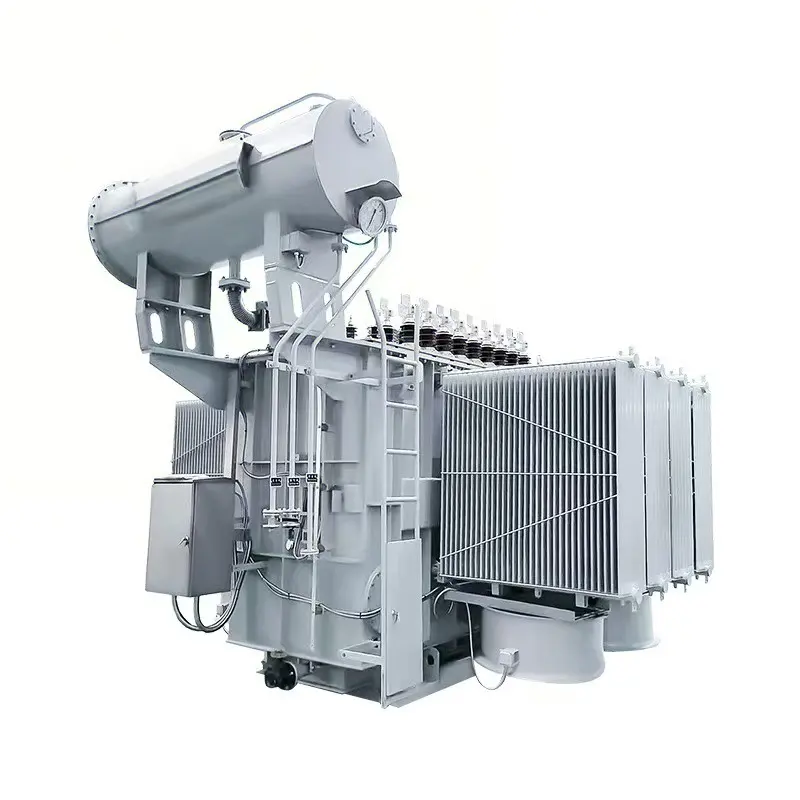
In today's industrial landscape, maintaining stable power distribution in challenging environmental conditions has become a critical concern for facility managers and engineers. Traditional oil-filled transformers often struggle to perform reliably when exposed to extreme temperatures, moisture, dust, or corrosive atmospheres. This is where a dry type transformer emerges as the superior solution, offering exceptional performance characteristics that make it ideally suited for harsh operating environments. These innovative electrical devices utilize advanced insulation materials and robust construction techniques to deliver consistent power transformation without the vulnerabilities associated with liquid-cooled alternatives. Understanding how these transformers achieve their remarkable environmental resilience is essential for making informed decisions about power infrastructure investments.
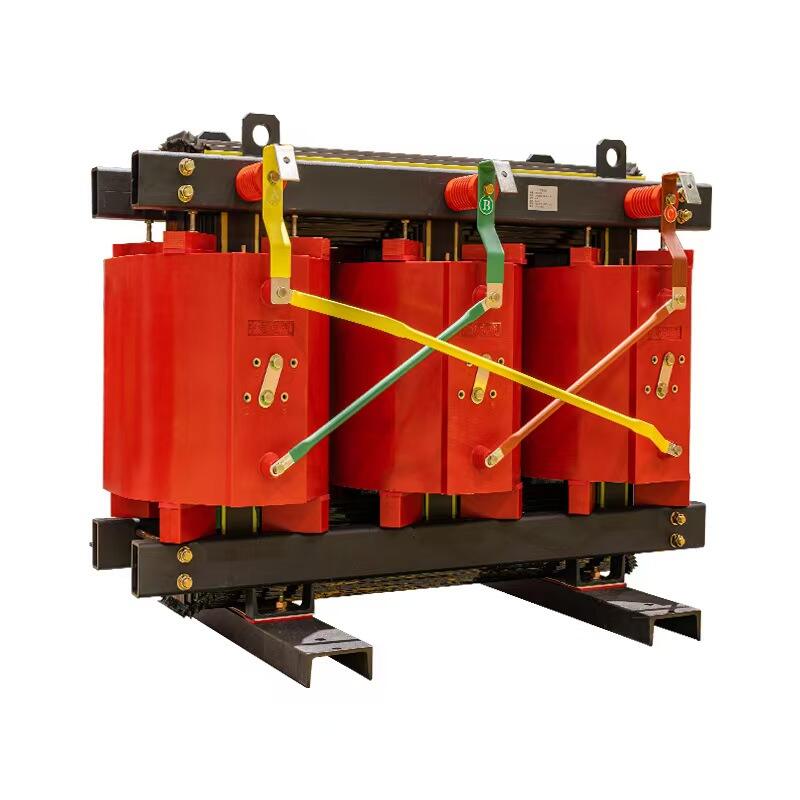
Environmental Advantages of Modern Transformer Technology
Superior Moisture Resistance Capabilities
The fundamental design of a dry type transformer inherently provides exceptional protection against moisture infiltration, which represents one of the most common causes of transformer failure in challenging environments. Unlike oil-filled units that require complex sealing systems and are vulnerable to water contamination, these transformers utilize specialized resin-based insulation systems that are completely impervious to humidity and direct water exposure. The encapsulation process creates a monolithic barrier that prevents moisture from reaching critical electrical components, ensuring consistent performance even in high-humidity industrial facilities, coastal installations, or underground applications where condensation is prevalent.
Advanced vacuum pressure impregnation techniques employed during manufacturing further enhance moisture resistance by eliminating air pockets and creating a uniform protective barrier throughout the winding structure. This comprehensive approach to environmental protection allows these transformers to maintain their electrical properties and operational efficiency regardless of ambient moisture conditions. The elimination of hygroscopic materials and the use of synthetic insulation compounds ensure that performance degradation due to water absorption becomes virtually impossible, providing long-term reliability in environments where traditional transformers would experience rapid deterioration.
Temperature Tolerance and Thermal Management
Exceptional temperature tolerance represents another critical advantage of modern transformer designs, particularly in applications where ambient temperatures fluctuate dramatically or consistently exceed normal operating ranges. The solid insulation materials used in these units are specifically engineered to maintain their dielectric properties across extended temperature ranges, typically from -40°C to +60°C ambient conditions without performance degradation. This thermal stability is achieved through the careful selection of thermosetting resins and reinforcement materials that resist thermal expansion and contraction cycles that would compromise conventional insulation systems.
The absence of liquid cooling media eliminates concerns about thermal expansion, fluid degradation, and temperature-related viscosity changes that can affect heat transfer efficiency in oil-filled alternatives. Instead, these transformers rely on natural air circulation and radiation cooling, which provides consistent thermal performance regardless of external temperature variations. Advanced winding configurations and optimized core geometries enhance heat dissipation capabilities, ensuring that internal temperatures remain within safe operating limits even under continuous full-load conditions in high-temperature environments such as steel mills, foundries, or desert installations.
Construction Features for Harsh Environment Applications
Robust Enclosure Design and Protection Standards
The physical construction of industrial-grade transformers incorporates multiple layers of environmental protection designed to withstand the most demanding operating conditions. High-grade aluminum or stainless steel enclosures provide corrosion resistance while maintaining optimal heat dissipation properties essential for reliable operation. These enclosures are engineered to meet stringent IP (Ingress Protection) ratings, typically IP23 or higher, ensuring complete protection against dust infiltration and water ingress from any angle. The robust construction extends to all external components, including bushings, terminals, and cooling vents, which are manufactured from materials specifically selected for their resistance to chemical attack and environmental degradation.
Specialized gasket systems and precision-machined mating surfaces create weatherproof seals that maintain their integrity throughout extended service life cycles. The modular design approach allows for easy maintenance access while preserving environmental protection, with removable panels and service points that can be quickly accessed without compromising the internal environment. This attention to construction detail ensures that critical electrical components remain protected from contaminants, extreme weather conditions, and industrial pollutants that could otherwise cause premature failure or performance degradation.
Advanced Core and Winding Technologies
The electromagnetic core represents the foundation of transformer performance, and modern designs incorporate advanced magnetic materials and construction techniques that enhance both efficiency and environmental resilience. High-grade silicon steel laminations with specialized coatings resist oxidation and provide consistent magnetic properties throughout extended service life, even when exposed to corrosive atmospheres or extreme temperature cycles. The precision stacking and clamping systems used in core assembly eliminate mechanical stress points that could lead to vibration-induced failures or performance degradation over time.
Winding technologies have evolved to provide superior mechanical strength and electrical performance under adverse conditions. Continuous disc winding methods create uniform insulation thickness and eliminate weak points that could be vulnerable to environmental stress. The use of high-temperature conductor insulation materials ensures that winding integrity is maintained even during overload conditions or in high-ambient-temperature applications. These technological advances combine to create a dry type transformer that delivers reliable performance characteristics regardless of operating environment challenges.
Performance Benefits in Industrial Applications
Maintenance Requirements and Operational Efficiency
One of the most significant advantages of modern transformer technology lies in its dramatically reduced maintenance requirements compared to traditional liquid-filled alternatives. The absence of oil eliminates the need for routine fluid testing, filtration, and replacement procedures that represent substantial ongoing costs and operational disruptions. This maintenance reduction is particularly valuable in remote installations, hazardous environments, or facilities where access for routine servicing is limited or expensive. The solid insulation system is inherently stable and does not degrade over time like liquid dielectrics, resulting in consistent performance throughout the transformer's operational life.
Operational efficiency remains consistently high due to the absence of auxiliary cooling systems, pumps, or radiators that can fail or require maintenance in oil-filled units. The simplified design reduces the number of potential failure points while providing more predictable performance characteristics. Visual inspection capabilities allow maintenance personnel to quickly assess transformer condition without specialized testing equipment or hazardous material handling procedures. This operational simplicity translates to reduced downtime, lower maintenance costs, and improved overall system reliability in critical industrial applications.
Safety Considerations and Environmental Impact
Safety advantages extend beyond basic operational considerations to encompass fire prevention, personnel protection, and environmental stewardship. The non-flammable insulation system eliminates fire hazards associated with oil leaks or internal failures, making these transformers ideal for installation in occupied buildings, underground facilities, or areas where fire suppression systems are limited. The absence of toxic or environmentally harmful fluids reduces liability concerns and simplifies decommissioning procedures at the end of service life.
Installation flexibility is enhanced by reduced clearance requirements and elimination of containment systems needed for oil-filled units. This space efficiency allows for more compact electrical rooms and reduces overall facility construction costs. The environmental impact is further minimized through the use of recyclable materials in construction and the elimination of oil disposal requirements. These factors make modern transformer technology an attractive choice for organizations committed to sustainable operations and environmental responsibility while maintaining reliable power distribution capabilities.
Application-Specific Considerations
Industrial Facility Power Distribution
Manufacturing facilities present unique challenges for power distribution equipment due to the presence of dust, chemicals, vibration, and extreme temperature variations. Modern transformer designs excel in these environments by providing robust construction that withstands industrial contaminants while maintaining consistent electrical performance. The solid insulation system resists chemical attack from industrial vapors and prevents contamination from accumulating on internal components. This chemical resistance extends to exposure to cleaning solvents, metal-working fluids, and other industrial chemicals commonly present in manufacturing environments.
Vibration resistance is enhanced through secure mounting systems and rigid internal construction that prevents mechanical stress on windings and connections. The absence of liquid cooling systems eliminates concerns about fluid sloshing or thermal cycling effects that could compromise sealing systems over time. These characteristics make these transformers particularly suitable for heavy industry applications such as automotive manufacturing, chemical processing, mining operations, and metal fabrication facilities where environmental conditions would quickly degrade conventional transformer technologies.
Outdoor and Remote Installation Requirements
Remote installations and outdoor applications demand transformer technologies that can operate reliably with minimal maintenance support and maximum environmental protection. Weather-resistant construction provides protection against rain, snow, ice, and UV radiation while maintaining optimal heat dissipation characteristics. The sealed design prevents insects, small animals, and debris from entering the transformer enclosure, eliminating common causes of outages in outdoor installations. Corrosion-resistant materials and protective coatings ensure long service life even in coastal environments or industrial areas with high levels of atmospheric contamination.
Temperature cycling resistance allows these transformers to handle daily and seasonal temperature variations without performance degradation or reduced service life. The solid insulation system maintains its dielectric properties throughout repeated thermal cycles, preventing the insulation degradation that affects oil-filled units in similar applications. This thermal stability is particularly important in desert climates, arctic conditions, or high-altitude installations where temperature extremes are common. The result is reliable power transformation that supports critical infrastructure in locations where traditional transformers would require frequent maintenance or premature replacement.
FAQ
What makes a dry type transformer more suitable for harsh environments than oil-filled alternatives
The primary advantages include elimination of oil leakage risks, superior moisture resistance through solid insulation systems, reduced fire hazards, and simplified maintenance requirements. The resin-based insulation provides complete protection against water infiltration and chemical contamination, while the robust construction withstands extreme temperatures and environmental contaminants without performance degradation. These factors combine to deliver reliable operation in conditions where oil-filled transformers would experience frequent failures or require extensive maintenance procedures.
How do temperature extremes affect the performance of modern transformer designs
Advanced insulation materials maintain their dielectric properties across extended temperature ranges, typically from -40°C to +60°C ambient conditions. The solid construction eliminates thermal expansion issues associated with liquid cooling systems, while optimized heat dissipation ensures consistent internal temperatures. The absence of temperature-sensitive fluids means performance remains stable regardless of external temperature variations, making these units ideal for applications in extreme climates or environments with significant temperature fluctuations.
What maintenance advantages do these transformers offer in industrial applications
Maintenance requirements are significantly reduced due to the elimination of oil testing, filtration, and replacement procedures. The solid insulation system does not degrade over time like liquid dielectrics, resulting in consistent performance throughout the service life. Visual inspections can assess condition without specialized equipment, and the simplified design reduces potential failure points. This translates to lower operational costs, reduced downtime, and improved reliability in critical industrial applications where maintenance access may be limited or expensive.
Can these transformers operate safely in hazardous or explosive atmospheres
The non-flammable insulation system eliminates fire risks associated with oil leaks, making these transformers suitable for installation in areas with fire safety concerns. However, operation in classified hazardous locations requires specific certifications and enclosure ratings appropriate for the hazardous material classification. Specialized explosion-proof enclosures and certified designs are available for applications in chemical plants, oil refineries, and other facilities where flammable gases or vapors may be present, ensuring safe operation while maintaining environmental protection capabilities.
Table of Contents
- Environmental Advantages of Modern Transformer Technology
- Construction Features for Harsh Environment Applications
- Performance Benefits in Industrial Applications
- Application-Specific Considerations
-
FAQ
- What makes a dry type transformer more suitable for harsh environments than oil-filled alternatives
- How do temperature extremes affect the performance of modern transformer designs
- What maintenance advantages do these transformers offer in industrial applications
- Can these transformers operate safely in hazardous or explosive atmospheres
