 EN
EN

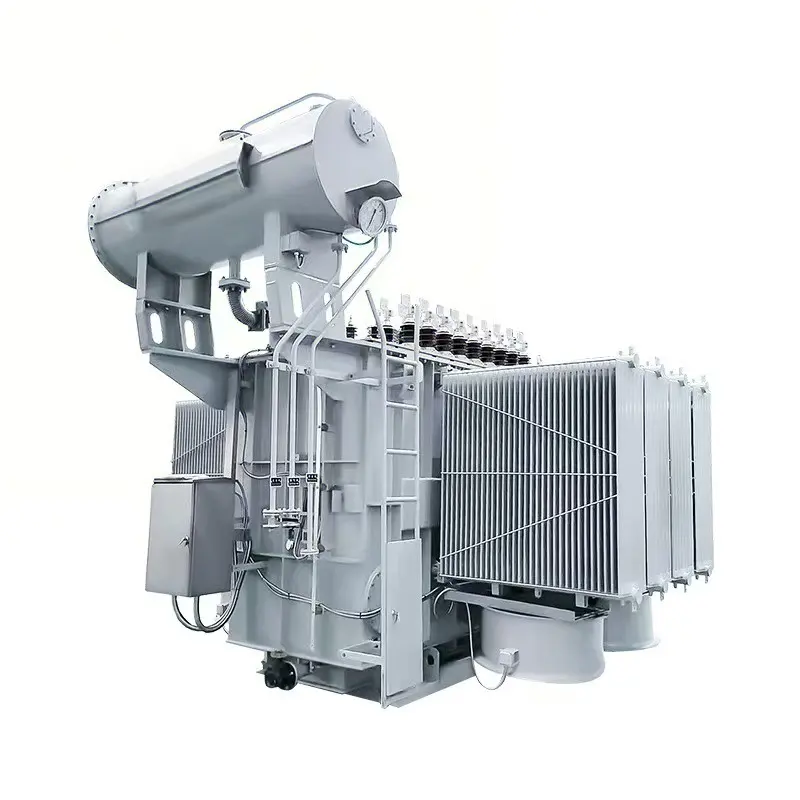
Manufacturing facilities across industries face increasingly complex electrical demands that require sophisticated power distribution solutions. When selecting electrical equipment for industrial applications, facility managers must carefully consider factors such as safety, reliability, maintenance requirements, and environmental conditions. A dry type transformer emerges as one of the most practical solutions for complex manufacturing environments where traditional oil-filled transformers may present challenges or limitations.
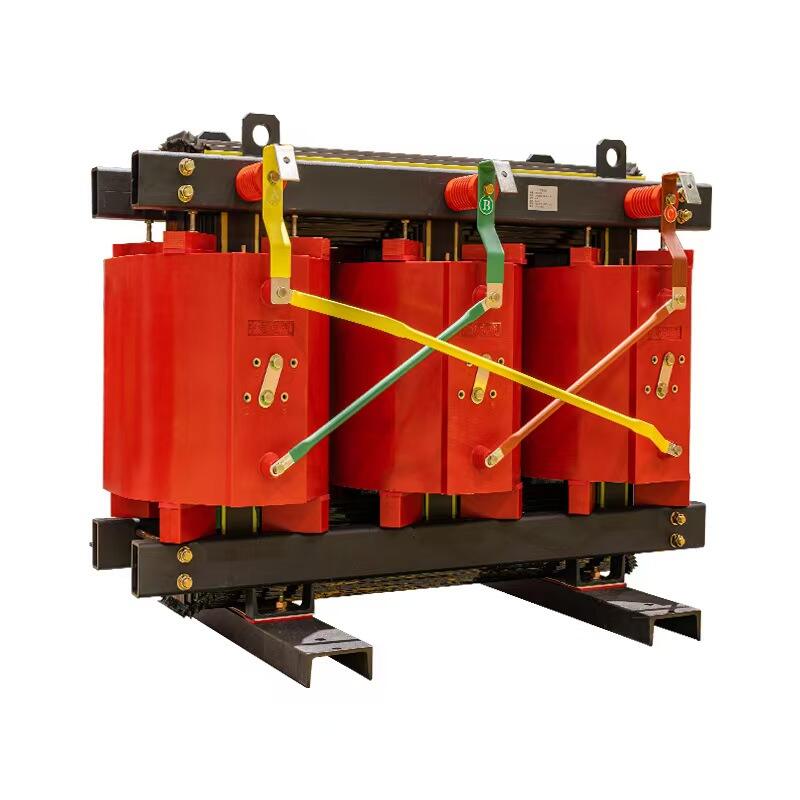
The unique characteristics of manufacturing sites often include variable loads, sensitive equipment, harsh environmental conditions, and strict safety protocols. These requirements make the selection of appropriate electrical infrastructure particularly critical for maintaining operational efficiency and worker safety. Understanding the specific advantages that dry type transformers offer in such environments helps facility planners make informed decisions that support long-term operational goals.
Advanced Safety Features for Industrial Environments
Fire Risk Mitigation and Enhanced Protection
Manufacturing facilities typically house flammable materials, sensitive processes, and valuable equipment that demand the highest levels of fire safety. Unlike oil-filled transformers that contain combustible insulating fluids, a dry type transformer utilizes solid insulation materials that significantly reduce fire hazards. This inherent safety advantage makes them particularly suitable for indoor installations where fire prevention is paramount.
The absence of flammable liquids eliminates the risk of oil leaks that could create environmental hazards or safety concerns. Manufacturing sites often require equipment installations in close proximity to production lines, storage areas, or personnel work zones. The reduced fire risk associated with dry transformers allows for more flexible placement options and reduces insurance premiums while maintaining compliance with stringent industrial safety standards.
Environmental Containment and Compliance
Complex manufacturing operations must adhere to increasingly strict environmental regulations while maintaining operational efficiency. Dry type transformers eliminate concerns about oil spill containment systems, secondary containment structures, and soil contamination risks that are associated with oil-filled alternatives. This advantage becomes particularly valuable in facilities processing food products, pharmaceuticals, or other sensitive materials where contamination prevention is critical.
The self-contained design of dry transformers simplifies environmental compliance procedures and reduces ongoing monitoring requirements. Manufacturing sites can focus their environmental management resources on core production processes rather than transformer-related containment systems. This streamlined approach to environmental protection aligns with modern sustainability initiatives while reducing administrative overhead.
Operational Reliability in Demanding Conditions
Performance Under Variable Load Conditions
Manufacturing facilities often experience significant load variations throughout production cycles, with some operations requiring substantial power during peak periods and minimal consumption during downtime. Dry type transformer technology demonstrates excellent performance characteristics under these variable conditions, maintaining voltage regulation and efficiency across a wide range of operating parameters.
The solid insulation system in dry transformers provides consistent performance even when subjected to thermal cycling that occurs with fluctuating loads. This thermal stability ensures reliable operation during demanding production schedules where power quality and availability directly impact productivity and product quality. Manufacturing sites benefit from reduced downtime and improved process reliability through consistent electrical performance.
Tolerance to Environmental Stresses
Industrial environments subject electrical equipment to various stresses including dust, humidity, temperature variations, and mechanical vibrations from production machinery. Dry type transformers incorporate robust enclosure designs and proven insulation systems that withstand these challenging conditions while maintaining operational integrity. The absence of cooling oil eliminates concerns about temperature-related viscosity changes that could affect performance in oil-filled units.
Manufacturing sites in diverse geographic locations face different climate challenges, from extreme cold in northern facilities to high heat and humidity in tropical locations. The adaptability of dry transformers to various environmental conditions makes them suitable for global manufacturing operations where standardized equipment specifications simplify procurement and maintenance procedures.
Maintenance Advantages and Cost Optimization
Simplified Maintenance Requirements
The operational demands of complex manufacturing sites leave limited windows for equipment maintenance activities. Dry type transformers require significantly less routine maintenance compared to oil-filled alternatives, eliminating the need for oil testing, filtration, and replacement procedures. This reduction in maintenance requirements allows facility teams to focus on production-critical activities while maintaining reliable power distribution systems.
Routine maintenance for dry transformers primarily involves visual inspections, connection tightness verification, and cleaning procedures that can be performed quickly without specialized equipment or extensive downtime. The predictable maintenance schedule enables better planning integration with production schedules, minimizing disruptions to manufacturing operations while ensuring continued reliability.
Long-term Cost Benefits
While initial equipment costs represent an important consideration, the total cost of ownership for electrical infrastructure extends well beyond purchase price. Dry type transformers offer significant advantages in ongoing operational costs through reduced maintenance requirements, elimination of oil-related expenses, and simplified installation procedures that reduce construction costs and timeline requirements.
Insurance cost reductions associated with decreased fire risks provide ongoing financial benefits that accumulate over the equipment lifetime. Manufacturing facilities also benefit from reduced regulatory compliance costs and simplified environmental monitoring requirements. These cumulative cost advantages often justify the selection of dry transformers even in applications where oil-filled alternatives might have lower initial costs.
Installation Flexibility and Space Optimization
Compact Design for Space-Constrained Facilities
Modern manufacturing facilities maximize production space utilization while accommodating necessary electrical infrastructure. Dry type transformers typically require less installation space compared to oil-filled units when considering the total footprint including required clearances, containment systems, and access areas. This space efficiency becomes particularly valuable in urban manufacturing locations where real estate costs are significant.
The ability to install dry transformers in closer proximity to load centers reduces conductor requirements and associated voltage drop concerns. Manufacturing sites benefit from improved electrical efficiency and reduced installation costs through shorter cable runs and simplified distribution architectures. The compact design also facilitates future expansion or reconfiguration activities that are common in dynamic manufacturing environments.
Installation Simplification and Timeline Reduction
Complex manufacturing projects often operate under tight construction schedules where delays can impact production startup dates and revenue projections. Dry transformer installations eliminate the need for oil containment systems, specialized foundations, and environmental protection measures required for oil-filled units. This simplification reduces construction complexity and accelerates project timelines.
The reduced installation requirements also minimize coordination challenges between electrical contractors and other construction trades. Manufacturing facility construction projects benefit from more predictable schedules and reduced risk of weather-related delays that can affect oil-filled transformer installations requiring specialized environmental protection during construction phases.
Technology Integration and Future Adaptability
Smart Monitoring and Diagnostic Capabilities
Modern manufacturing operations increasingly rely on advanced monitoring systems to optimize performance and predict maintenance requirements. Dry type transformers integrate seamlessly with smart monitoring technologies that provide real-time performance data, thermal monitoring, and predictive analytics capabilities. These monitoring systems enable proactive maintenance strategies that prevent unexpected failures and optimize equipment life cycles.
The integration capabilities support broader facility management systems that correlate electrical performance with production metrics, energy consumption patterns, and operational efficiency indicators. Manufacturing sites benefit from comprehensive data analytics that support continuous improvement initiatives and energy management programs while maintaining reliable power distribution systems.
Adaptability to Evolving Power Requirements
Manufacturing facilities often undergo expansions, process modifications, or technology upgrades that change electrical requirements. Dry type transformers provide flexibility for future modifications through their compact design and simplified installation requirements. The ability to relocate or reconfigure dry transformers with minimal disruption supports the dynamic nature of modern manufacturing operations.
As manufacturing sites adopt new technologies such as electric vehicle charging infrastructure, energy storage systems, or renewable energy integration, dry transformers provide the reliable foundation needed for these advanced applications. The proven performance characteristics and environmental compatibility of dry transformers make them suitable for supporting evolving electrical demands while maintaining operational reliability.
FAQ
What are the main advantages of dry type transformers in manufacturing environments?
Dry type transformers offer several key advantages for manufacturing sites including enhanced fire safety through elimination of combustible oils, reduced maintenance requirements, environmental compliance simplification, and installation flexibility. These transformers provide reliable performance under variable load conditions while requiring minimal ongoing maintenance, making them ideal for complex industrial applications where operational reliability is critical.
How do dry transformers perform under varying load conditions typical in manufacturing?
Dry type transformers demonstrate excellent performance under the variable load conditions common in manufacturing environments. Their solid insulation system provides consistent voltage regulation and thermal stability during load cycling, ensuring reliable operation during peak production periods and efficient performance during reduced demand periods. This adaptability supports diverse manufacturing processes with varying power requirements.
What maintenance requirements should manufacturers expect with dry type transformers?
Maintenance requirements for dry type transformers are significantly reduced compared to oil-filled alternatives. Routine maintenance primarily involves visual inspections, connection verification, and periodic cleaning procedures that can be performed without specialized equipment or extensive downtime. This simplified maintenance approach allows manufacturing facilities to focus resources on production-critical activities while maintaining reliable electrical infrastructure.
Are dry transformers suitable for all types of manufacturing facilities?
Dry type transformers are suitable for most manufacturing applications, particularly those requiring indoor installations, enhanced fire safety, or simplified environmental compliance. They perform well in facilities with space constraints, variable environmental conditions, or strict safety requirements. However, specific application requirements such as extreme temperature conditions or very high power ratings may require detailed engineering analysis to ensure optimal transformer selection for particular manufacturing environments.
Table of Contents
- Advanced Safety Features for Industrial Environments
- Operational Reliability in Demanding Conditions
- Maintenance Advantages and Cost Optimization
- Installation Flexibility and Space Optimization
- Technology Integration and Future Adaptability
-
FAQ
- What are the main advantages of dry type transformers in manufacturing environments?
- How do dry transformers perform under varying load conditions typical in manufacturing?
- What maintenance requirements should manufacturers expect with dry type transformers?
- Are dry transformers suitable for all types of manufacturing facilities?
