 EN
EN

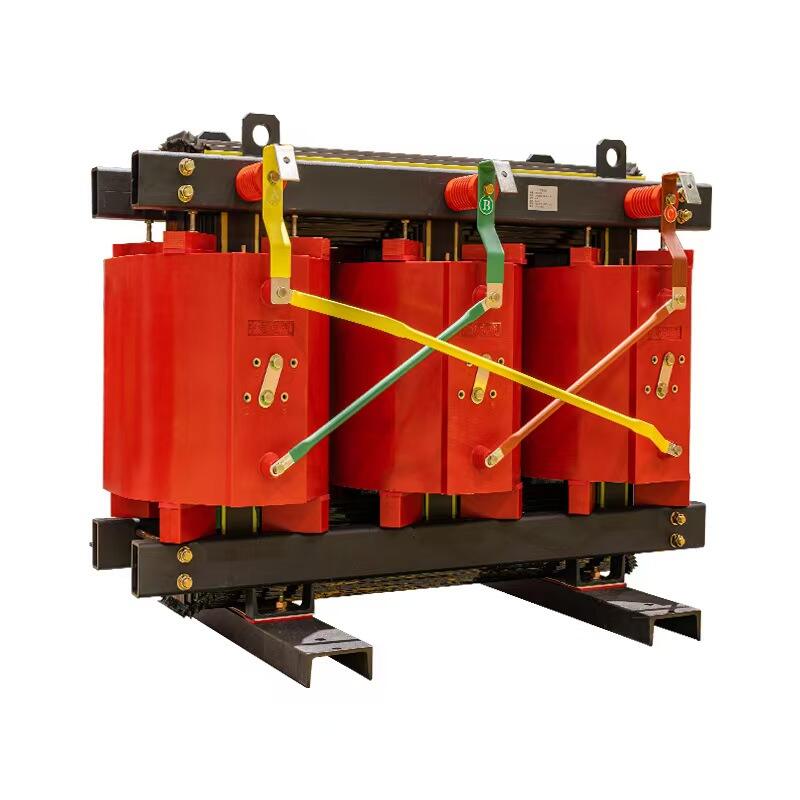
Power distribution systems rely heavily on transformers to maintain electrical grid stability and efficiency. Among the various transformer technologies available today, dry type transformers have gained significant traction in both commercial and industrial applications due to their enhanced safety features and environmental benefits. Understanding the factors that influence their long-term performance is crucial for engineers, facility managers, and procurement specialists who need to ensure reliable power distribution over extended operational periods. The longevity and effectiveness of these electrical devices depend on multiple interconnected variables that must be carefully considered during selection, installation, and maintenance phases.
Environmental Factors Impacting Transformer Performance
Temperature Management and Thermal Cycling
Temperature represents one of the most critical environmental factors affecting transformer longevity. Excessive heat accelerates insulation degradation, reduces winding life, and compromises overall system reliability. Modern dry type transformers incorporate advanced cooling systems and temperature monitoring capabilities to maintain optimal operating conditions. The ambient temperature in installation environments should typically remain below 40°C to ensure maximum performance and lifespan. Thermal cycling, which occurs during load variations, creates mechanical stress on windings and connections that can lead to premature failure if not properly managed.
Proper ventilation systems and climate control measures significantly extend transformer operational life. Installation locations should provide adequate airflow around the transformer enclosure, allowing heat dissipation through natural or forced convection. Many facilities implement temperature monitoring systems that provide real-time data on core and winding temperatures, enabling proactive maintenance decisions. The relationship between operating temperature and insulation life follows an exponential curve, meaning that small temperature reductions can dramatically extend equipment lifespan.
Humidity and Moisture Control
Moisture infiltration poses serious threats to transformer insulation systems and internal components. High humidity levels can cause tracking, flashover, and corrosion within the transformer structure. Dry type transformers utilize solid insulation materials that are less susceptible to moisture compared to oil-filled units, but proper environmental controls remain essential. Relative humidity levels should be maintained below 95% to prevent condensation and moisture-related degradation. Sealed enclosure designs and desiccant systems help protect sensitive internal components from atmospheric moisture.
Seasonal humidity variations require careful consideration during transformer specification and installation planning. Coastal installations face additional challenges due to salt air exposure, which can accelerate corrosion processes. Environmental sealing techniques and protective coatings provide additional barriers against moisture intrusion. Regular monitoring of insulation resistance values helps identify moisture-related issues before they cause significant damage or operational disruptions.
Electrical Load Characteristics and Power Quality
Load Profile Analysis and Capacity Management
The electrical load profile directly impacts transformer aging rates and performance characteristics. Consistent overloading accelerates insulation degradation and reduces expected service life significantly. Load management strategies should consider both steady-state and transient conditions to optimize transformer utilization without compromising reliability. Peak demand periods require careful analysis to ensure adequate capacity margins while avoiding unnecessary oversizing that increases initial costs. Modern load monitoring systems provide detailed insights into utilization patterns and help identify optimization opportunities.
Harmonic distortion from non-linear loads creates additional heating effects within transformer windings and core materials. Power electronic devices, variable frequency drives, and LED lighting systems generate harmonic currents that can cause excessive heating and reduced efficiency. Dry type transformer designs must account for harmonic content to ensure adequate cooling and prevent premature aging. K-factor ratings help specify transformers appropriate for specific harmonic environments and load characteristics.
Voltage Regulation and Power Factor Considerations
Voltage variations and power factor conditions significantly influence transformer performance and efficiency. Sustained operation at voltages outside design parameters can stress insulation systems and affect regulation characteristics. Power factor correction equipment installation should be coordinated with transformer specifications to avoid resonance conditions and voltage amplification. Reactive power management strategies help optimize system efficiency while reducing transformer loading and associated losses.
Tap changer operation, where applicable, provides voltage regulation capabilities but introduces mechanical wear considerations. Automatic voltage regulation systems must be properly calibrated to maintain voltage within acceptable ranges while minimizing unnecessary tap changes. Load tap changers require regular maintenance and monitoring to ensure reliable operation throughout the transformer service life. Voltage monitoring systems provide valuable data for optimizing tap settings and identifying potential regulation issues.
Design and Manufacturing Quality Factors
Insulation System Design and Materials
The insulation system represents the heart of transformer reliability and longevity. High-quality insulation materials and proven design methodologies ensure adequate electrical, thermal, and mechanical performance under various operating conditions. Epoxy resin systems, nomex paper, and polyester films provide excellent dielectric properties and thermal stability in dry type applications. Material selection must consider expected operating temperatures, electrical stress levels, and environmental exposure conditions throughout the intended service life.
Manufacturing quality control processes significantly impact insulation system integrity and long-term performance. Vacuum pressure impregnation techniques ensure complete resin penetration and eliminate air voids that could lead to partial discharge activity. Curing processes must be precisely controlled to achieve optimal mechanical and electrical properties. Quality assurance testing including partial discharge measurements, insulation resistance verification, and dielectric strength testing validates insulation system performance before shipment.
Core Construction and Magnetic Design
Magnetic core design and construction quality directly affect transformer efficiency, losses, and acoustic performance. High-grade silicon steel laminations with optimized grain orientation minimize core losses and reduce operating temperatures. Precise cutting and assembly techniques ensure minimal air gaps and optimal magnetic flux distribution. Core construction methods must balance electrical performance with mechanical stability to withstand transportation and operational stresses.
Winding design and manufacturing precision influence both electrical performance and mechanical durability. Conductor selection, insulation coordination, and winding tension control affect transformer impedance characteristics and short-circuit withstand capability. Advanced winding techniques and materials enable compact designs while maintaining excellent thermal and electrical performance. Manufacturing tolerances and quality control procedures ensure consistent performance across production runs and minimize field reliability issues.
Installation and Commissioning Practices
Site Preparation and Foundation Requirements
Proper site preparation and foundation design provide essential support for long-term transformer performance and accessibility. Foundation systems must accommodate transformer weight, seismic requirements, and thermal expansion considerations. Adequate spacing around transformer installations ensures proper ventilation and maintenance access throughout the service life. Site drainage and weatherproofing measures protect against environmental hazards and moisture intrusion.
Electrical installation practices significantly impact initial performance and long-term reliability. Connection torque specifications must be carefully followed to ensure adequate contact pressure without damaging terminals or conductors. Cable routing and support systems should minimize mechanical stress on transformer terminals while providing secure connections. Grounding system design and installation quality affect both safety and electrical performance characteristics.
Testing and Commissioning Procedures
Comprehensive testing and commissioning procedures validate transformer performance and identify potential issues before energization. Factory acceptance testing provides baseline performance data and confirms compliance with specifications. Field testing procedures should include insulation resistance measurements, turns ratio verification, and impedance testing to ensure proper installation and handling. Documentation of test results creates valuable reference data for future maintenance and troubleshooting activities.
Initial energization procedures and load application sequences help identify installation issues and ensure stable operation. Gradual load application allows monitoring of temperature rise characteristics and verification of cooling system performance. Protection system coordination and settings verification ensure proper response to fault conditions and abnormal operating scenarios. Commissioning documentation provides essential information for maintenance planning and warranty administration.
Maintenance Strategies and Monitoring Systems
Preventive Maintenance Programs
Effective preventive maintenance programs significantly extend transformer service life and reduce unexpected failure risks. Regular inspection schedules should include visual examination of connections, insulation surfaces, and cooling systems. Temperature monitoring and trending analysis help identify developing issues before they cause significant damage or operational disruptions. Connection tightness verification and cleaning procedures maintain optimal electrical contact and prevent overheating.
Insulation testing programs provide ongoing assessment of transformer condition and aging characteristics. Annual insulation resistance measurements, power factor testing, and partial discharge monitoring help track insulation system degradation over time. Trending analysis of test results enables predictive maintenance decisions and optimal timing for major maintenance activities. Documentation of maintenance activities and test results supports warranty claims and regulatory compliance requirements.
Condition Monitoring Technologies
Advanced condition monitoring systems provide continuous assessment of transformer health and performance characteristics. Temperature monitoring systems track hot spot locations and provide early warning of developing thermal issues. Vibration monitoring can detect mechanical problems such as loose connections or core movement. Power quality monitoring systems identify harmonic distortion and load imbalance conditions that may affect transformer performance.
Online partial discharge monitoring systems detect insulation deterioration in real-time and enable proactive maintenance decisions. Data logging and analysis capabilities provide historical trending and predictive maintenance insights. Integration with facility management systems enables automated alarming and response procedures. Remote monitoring capabilities allow expert analysis and support without requiring on-site personnel for routine assessments.
Economic Considerations and Life Cycle Analysis
Initial Investment vs Operating Costs
Life cycle cost analysis provides comprehensive evaluation of transformer ownership expenses over the expected service life. Initial purchase price represents only a portion of total ownership costs, with energy losses, maintenance expenses, and replacement costs contributing significantly to lifetime expenses. Efficiency improvements and reduced maintenance requirements often justify higher initial investments in premium transformer designs.
Energy efficiency considerations become increasingly important as energy costs continue rising and environmental regulations become more stringent. High-efficiency transformers reduce operating costs and environmental impact throughout their service life. Load loss and no-load loss characteristics directly impact annual energy consumption and associated costs. Proper sizing and application ensure optimal efficiency while meeting performance requirements.
Replacement Planning and Asset Management
Strategic replacement planning enables proactive asset management and minimizes unexpected outage costs. Condition assessment programs provide data-driven insights for replacement timing decisions. Standardization of transformer specifications simplifies procurement, maintenance, and spare parts management. Emergency replacement procedures and spare equipment strategies ensure continued operation during equipment failures.
Technology evolution and changing load requirements may influence replacement decisions independent of equipment condition. Energy efficiency improvements, power quality requirements, and safety regulations drive equipment upgrades and modernization projects. Replacement planning should consider future load growth, technology improvements, and regulatory changes that may affect transformer requirements. Coordination with facility expansion and renovation projects optimizes capital investment timing and reduces installation costs.
FAQ
What is the typical service life expectation for a dry type transformer?
Most dry type transformers are designed for 20-30 years of service life under normal operating conditions. However, actual service life depends heavily on environmental conditions, loading patterns, maintenance quality, and installation practices. Transformers operating in controlled environments with proper maintenance and moderate loading can exceed 30 years of reliable service. Conversely, harsh environments, overloading, or poor maintenance can significantly reduce service life to 15 years or less.
How does ambient temperature affect transformer performance and longevity?
Ambient temperature has a profound impact on transformer aging rates and performance characteristics. For every 10°C increase in operating temperature, insulation life typically decreases by approximately 50%. This relationship means that maintaining proper cooling and ventilation can dramatically extend equipment life. Most dry type transformers are rated for 40°C ambient temperature, and operation above this threshold requires derating or enhanced cooling systems to maintain expected performance and longevity.
What maintenance activities are most critical for long-term transformer performance?
Regular connection inspection and tightening represent the most critical maintenance activities for dry type transformers. Loose connections cause overheating and can lead to catastrophic failures. Annual insulation resistance testing helps monitor insulation system condition and identify developing issues. Cleaning of insulators and enclosures prevents tracking and maintains proper electrical clearances. Temperature monitoring and trending analysis enable proactive maintenance decisions and help optimize loading patterns.
How do harmonics and power quality issues affect transformer aging?
Harmonic distortion creates additional heating in transformer windings and core materials, accelerating aging processes and reducing efficiency. Non-linear loads such as variable frequency drives, switch-mode power supplies, and LED lighting generate harmonic currents that can cause excessive temperature rise. Proper harmonic analysis during transformer selection ensures adequate cooling capacity and prevents premature aging. K-factor ratings help specify transformers appropriate for harmonic-rich environments and maintain expected service life under these challenging conditions.
Table of Contents
- Environmental Factors Impacting Transformer Performance
- Electrical Load Characteristics and Power Quality
- Design and Manufacturing Quality Factors
- Installation and Commissioning Practices
- Maintenance Strategies and Monitoring Systems
- Economic Considerations and Life Cycle Analysis
-
FAQ
- What is the typical service life expectation for a dry type transformer?
- How does ambient temperature affect transformer performance and longevity?
- What maintenance activities are most critical for long-term transformer performance?
- How do harmonics and power quality issues affect transformer aging?
