 EN
EN
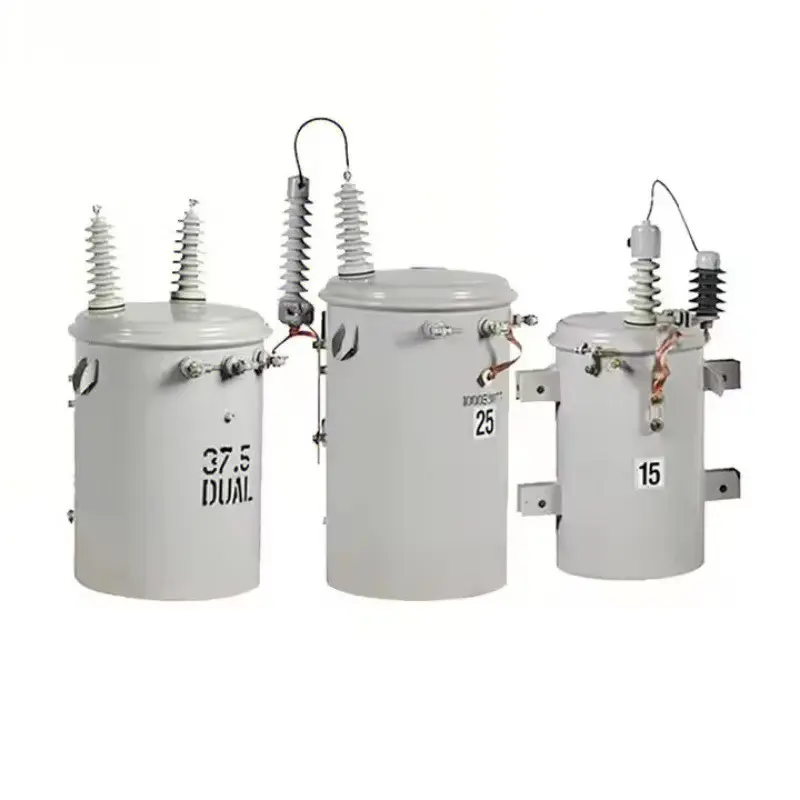
Industrial facilities face numerous electrical hazards that can compromise worker safety and operational continuity. Among the most effective solutions for enhancing electrical safety is the implementation of a dry type transformer, which eliminates many risks associated with traditional oil-filled transformers. These advanced electrical systems provide superior fire resistance, environmental protection, and maintenance advantages that make them ideal for industrial applications where safety is paramount.
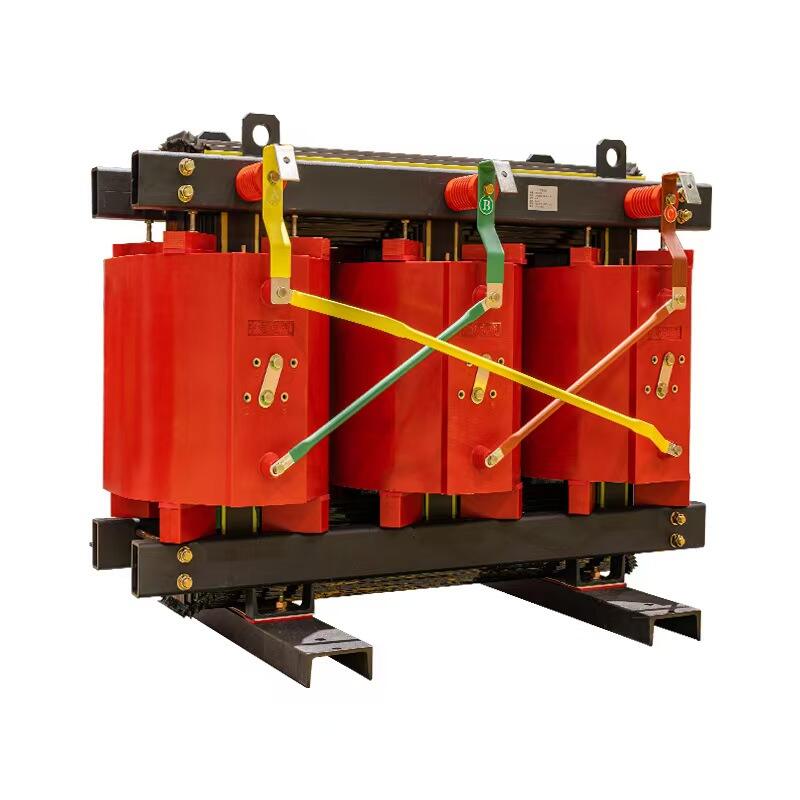
The growing emphasis on workplace safety regulations and environmental compliance has driven many industrial facilities to reconsider their electrical infrastructure. Manufacturing plants, chemical processing facilities, data centers, and commercial buildings are increasingly adopting dry type transformer technology to meet stringent safety standards while maintaining reliable power distribution. This transformation represents a significant shift toward safer, more sustainable electrical systems in industrial environments.
Enhanced Fire Safety and Risk Mitigation
Elimination of Flammable Liquids
The primary safety advantage of a dry type transformer lies in its complete elimination of flammable insulating oils. Traditional oil-filled transformers pose significant fire hazards due to their petroleum-based dielectric fluids, which can ignite and spread flames rapidly throughout a facility. In contrast, dry type transformers use solid insulation materials such as epoxy resin, vacuum pressure impregnation, or cast resin systems that are inherently fire-resistant.
This fundamental design difference dramatically reduces the risk of electrical fires that could devastate industrial operations. Fire prevention becomes even more critical in facilities handling combustible materials, chemicals, or operating in confined spaces where evacuation might be challenging. The absence of oil also eliminates the potential for oil leaks that could create slip hazards or environmental contamination.
Superior Arc Flash Protection
Arc flash incidents represent one of the most dangerous electrical hazards in industrial settings, capable of causing severe burns, blindness, or death. Dry type transformers inherently provide better arc flash protection due to their enclosed design and solid insulation systems. The cast resin construction contains electrical arcs more effectively, preventing them from propagating and reducing the energy released during fault conditions.
Modern dry type transformer designs incorporate advanced arc-resistant features, including pressure relief systems and robust enclosures that direct arc energy safely away from personnel. These safety mechanisms work in conjunction with proper protective relay settings to minimize arc flash exposure and protect workers from electrical accidents. The predictable behavior of solid insulation under fault conditions allows for more accurate arc flash calculations and appropriate personal protective equipment selection.
Environmental Safety and Compliance Benefits
Elimination of Soil and Water Contamination Risks
Environmental safety represents a crucial consideration for modern industrial facilities facing increasingly strict regulatory requirements. Oil-filled transformers pose constant risks of soil and groundwater contamination through accidental spills, leaks, or catastrophic failures. A dry type transformer eliminates these environmental hazards entirely, protecting surrounding ecosystems and reducing potential cleanup costs that can reach millions of dollars.
The absence of PCB-containing oils or other hazardous substances means that dry type transformers do not require specialized disposal procedures or environmental monitoring systems. This simplification of environmental compliance reduces administrative burdens and eliminates long-term liability concerns associated with soil contamination or groundwater pollution. Facilities can operate with greater confidence knowing their electrical infrastructure poses minimal environmental risks.
Indoor Installation Flexibility
The environmental safety characteristics of dry type transformers enable installation in locations where oil-filled units would be prohibited or require extensive safety measures. These transformers can be safely installed indoors, in basements, or near occupied areas without the need for oil containment systems, fire suppression equipment, or extensive ventilation requirements.
This installation flexibility allows for more efficient facility layouts and reduces construction costs associated with transformer vaults, oil spill containment, and specialized fire protection systems. The ability to locate transformers closer to load centers also improves system efficiency and reduces voltage drop, contributing to overall electrical system performance while maintaining superior safety standards.
Operational Safety and Maintenance Advantages
Reduced Maintenance Hazards
Maintenance activities on electrical equipment pose inherent safety risks to personnel, particularly when dealing with energized systems or hazardous substances. Dry type transformers significantly reduce maintenance-related safety hazards by eliminating the need for oil sampling, filtration, or replacement procedures that expose workers to potential electrical and chemical risks.
The solid insulation system requires minimal routine maintenance, typically involving only visual inspections, thermographic surveys, and periodic cleaning. This reduction in maintenance requirements decreases worker exposure to electrical hazards and eliminates risks associated with handling transformer oils. Maintenance personnel can perform most routine tasks without entering confined spaces or dealing with potentially contaminated fluids.
Improved System Reliability
Enhanced reliability directly contributes to facility safety by preventing unexpected equipment failures that could create hazardous conditions. Dry type transformers demonstrate superior reliability through their robust construction and resistance to environmental factors that commonly affect oil-filled units. The absence of oil degradation, moisture ingress, and thermal cycling effects extends equipment life and reduces the likelihood of catastrophic failures.
Predictable aging characteristics of solid insulation systems allow for more accurate condition assessment and proactive maintenance planning. This predictability enables facilities to schedule maintenance activities during planned outages, avoiding emergency repairs that often involve elevated safety risks. The improved reliability also reduces the need for backup power systems and emergency response procedures.
Technology Integration and Safety Monitoring
Advanced Monitoring Systems
Modern dry type transformer designs incorporate sophisticated monitoring and protection systems that enhance overall facility safety. Temperature monitoring, partial discharge detection, and vibration analysis systems provide real-time condition assessment and early warning capabilities. These monitoring systems enable predictive maintenance strategies that prevent equipment failures before they can create safety hazards.
Digital monitoring platforms integrate with facility management systems to provide comprehensive safety oversight and automated alarm functions. Remote monitoring capabilities allow safety personnel to assess transformer condition without entering potentially hazardous areas, reducing exposure risks while maintaining effective system surveillance. Advanced analytics help identify developing problems before they compromise safety or operational continuity.
Integration with Safety Systems
The electrical characteristics and safety features of dry type transformers facilitate integration with comprehensive facility safety systems. Their predictable behavior under fault conditions enables more accurate coordination with protective relaying, emergency shutdown systems, and fire suppression equipment. This integration creates layered safety systems that provide multiple levels of protection for personnel and equipment.
Standardized communication protocols allow dry type transformers to interface with building management systems, providing centralized safety monitoring and control capabilities. Emergency response procedures can be automated based on transformer status information, enabling rapid response to developing safety concerns. The integration capabilities support comprehensive safety management strategies that protect both personnel and facility assets.
Cost-Effectiveness of Safety Improvements
Reduced Insurance and Liability Costs
The safety improvements provided by dry type transformer technology translate directly into reduced insurance premiums and liability exposure for industrial facilities. Insurance providers recognize the reduced fire risk, environmental liability, and safety hazards associated with dry type transformers, often offering significant premium reductions for facilities that implement this technology.
The elimination of environmental contamination risks reduces long-term liability exposure and potential cleanup costs that could impact facility operations for decades. This risk reduction provides quantifiable financial benefits that often justify the initial investment in dry type transformer technology. Facilities can demonstrate improved safety performance to regulators, insurers, and stakeholders through the adoption of inherently safer electrical systems.
Operational Efficiency Benefits
Safety improvements contribute to operational efficiency by reducing downtime, maintenance requirements, and regulatory compliance costs. The reliable operation of dry type transformers minimizes production interruptions caused by electrical failures or safety incidents. Reduced maintenance requirements free up personnel resources for other critical tasks while eliminating safety-related work restrictions.
The simplified regulatory compliance requirements for dry type transformers reduce administrative burdens and eliminate costs associated with environmental monitoring, oil analysis, and specialized disposal procedures. These operational efficiencies compound over the equipment lifecycle, providing substantial cost savings while maintaining superior safety performance.
FAQ
What makes dry type transformers safer than oil-filled transformers in industrial facilities
Dry type transformers eliminate fire hazards by using solid insulation instead of flammable oils, provide better arc flash protection through enclosed designs, and eliminate environmental contamination risks. They can be safely installed indoors without special containment systems and require minimal maintenance, reducing worker exposure to electrical and chemical hazards.
Can dry type transformers be installed in any industrial environment
While dry type transformers offer greater installation flexibility than oil-filled units, they must still be protected from excessive moisture, corrosive atmospheres, and extreme temperatures. Proper enclosure ratings and environmental protection ensure safe operation in most industrial environments, but specific conditions should be evaluated during the design phase.
How do dry type transformers contribute to regulatory compliance in industrial facilities
Dry type transformers simplify compliance with environmental regulations by eliminating oil spill risks and hazardous waste disposal requirements. They support fire safety codes by reducing combustible materials and can be installed closer to occupied areas. The technology also helps facilities meet sustainability goals and demonstrate environmental stewardship to regulators and stakeholders.
What maintenance safety advantages do dry type transformers provide
Maintenance safety advantages include elimination of oil handling procedures, reduced confined space entry requirements, and minimal exposure to electrical hazards during routine inspections. The solid insulation system requires only visual inspections and cleaning, significantly reducing maintenance-related safety risks compared to oil-filled transformers that require regular oil sampling and treatment procedures.
Table of Contents
- Enhanced Fire Safety and Risk Mitigation
- Environmental Safety and Compliance Benefits
- Operational Safety and Maintenance Advantages
- Technology Integration and Safety Monitoring
- Cost-Effectiveness of Safety Improvements
-
FAQ
- What makes dry type transformers safer than oil-filled transformers in industrial facilities
- Can dry type transformers be installed in any industrial environment
- How do dry type transformers contribute to regulatory compliance in industrial facilities
- What maintenance safety advantages do dry type transformers provide
