 EN
EN

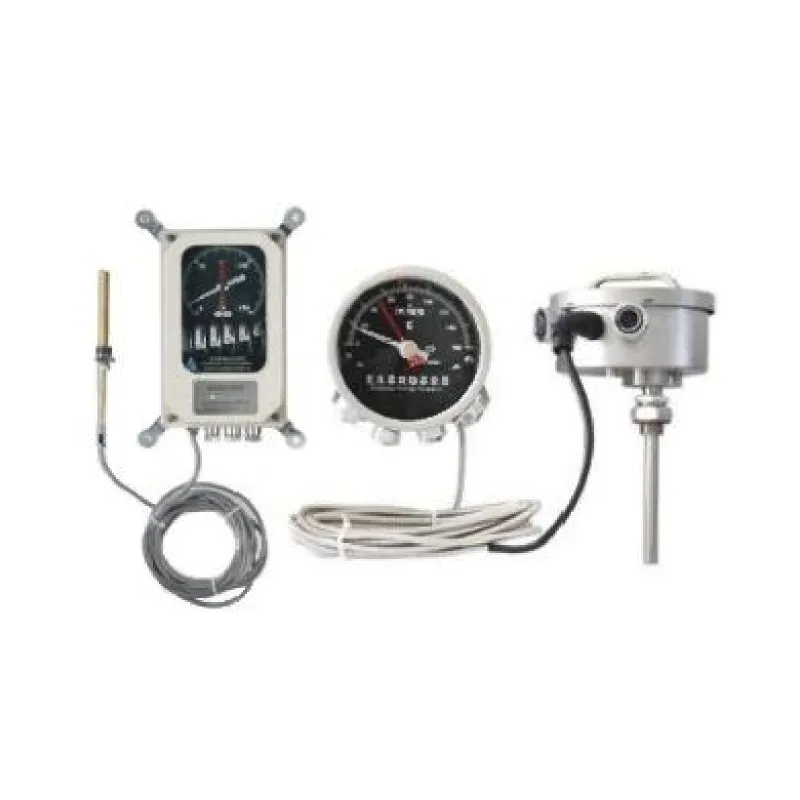
Indoor power systems require reliable, safe, and efficient electrical equipment that can operate in confined spaces without compromising performance or safety standards. Among the various transformer options available, the dry type transformer has emerged as the preferred choice for many indoor applications due to its unique design characteristics and operational advantages. Unlike oil-filled transformers, these units utilize solid insulation materials and air cooling, eliminating the fire hazards associated with flammable liquids while maintaining excellent electrical performance in controlled environments.
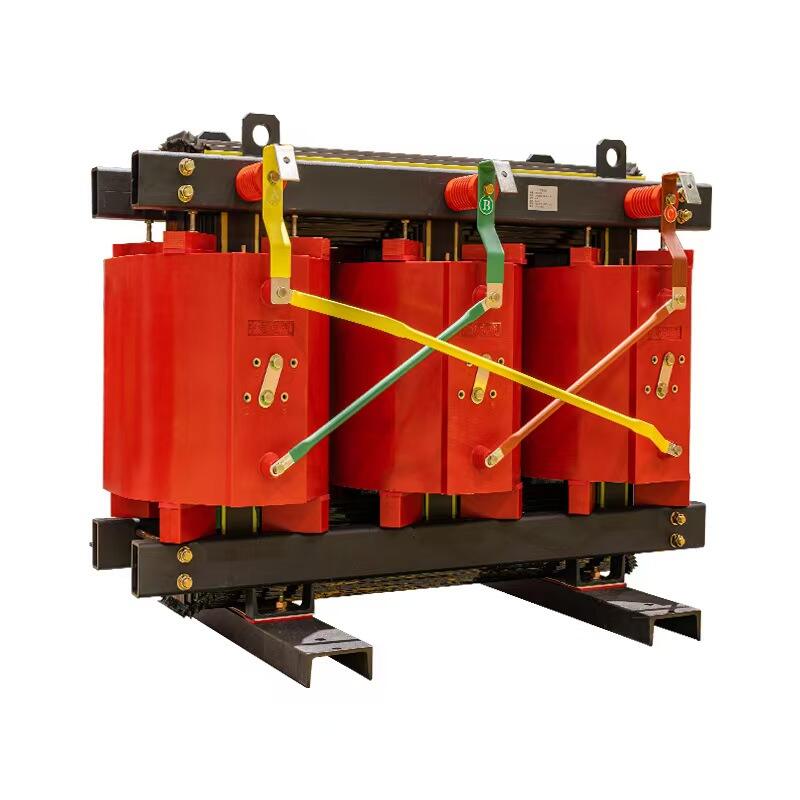
The growing adoption of dry type transformers in commercial buildings, hospitals, schools, and industrial facilities reflects their superior safety profile and maintenance advantages. These transformers offer exceptional reliability while meeting stringent environmental and safety regulations that govern indoor electrical installations. Their compact design and reduced infrastructure requirements make them particularly attractive for space-constrained applications where traditional oil-filled units would be impractical or prohibited.
Safety Advantages of Dry Type Transformers
Fire Prevention and Risk Mitigation
The absence of flammable insulating oil represents the most significant safety advantage of dry type transformers in indoor environments. Traditional oil-filled transformers pose inherent fire risks due to their petroleum-based cooling and insulating fluids, which can ignite under fault conditions or mechanical failures. Dry type transformers eliminate this risk entirely by using solid insulation materials such as epoxy resin or cast resin systems that are inherently non-combustible.
Fire suppression systems in buildings with dry type transformers require less sophisticated equipment and can utilize standard sprinkler systems without the specialized foam or gas suppression needed for oil-filled units. This simplification reduces both installation costs and ongoing maintenance requirements while providing building occupants with enhanced safety assurance. Insurance companies often recognize these reduced risks through lower premiums for facilities utilizing dry type transformer technology.
Environmental Safety Considerations
Indoor air quality remains uncompromised when dry type transformers are installed, as these units produce no emissions or vapors during normal operation. The solid insulation materials used in their construction do not degrade into harmful compounds under typical operating temperatures, ensuring that building HVAC systems maintain clean air circulation. This characteristic proves particularly important in healthcare facilities, educational institutions, and commercial buildings where occupant health and safety are paramount concerns.
Spill containment requirements are eliminated with dry type transformers, reducing the need for specialized flooring, drainage systems, and emergency response procedures. Building codes often mandate extensive containment infrastructure for oil-filled transformers, including leak detection systems and secondary containment barriers that add significant cost and complexity to electrical installations.
Operational Benefits for Indoor Applications
Space Efficiency and Installation Flexibility
The compact footprint of dry type transformers allows for more efficient use of valuable indoor real estate. Without the need for oil containment systems, fire walls, or specialized ventilation equipment, these transformers can be installed in smaller electrical rooms or integrated into building designs with greater flexibility. This space efficiency translates directly into cost savings for developers and building owners who can allocate additional square footage to revenue-generating activities.
Installation procedures for dry type transformers are significantly simplified compared to oil-filled alternatives. The absence of insulating oil eliminates the need for oil handling equipment, spill prevention measures during installation, and specialized transportation requirements. Electrical contractors can complete installations more quickly and with standard equipment, reducing project timelines and labor costs while minimizing disruption to ongoing building operations.
Maintenance Advantages and Lifecycle Benefits
Routine maintenance requirements for dry type transformers are substantially reduced compared to oil-filled units, making them ideal for indoor environments where accessibility may be limited. These transformers do not require oil sampling, filtration, or replacement procedures that are necessary for liquid-filled units. Visual inspections, connection tightening, and basic cleaning constitute the primary maintenance activities, all of which can be performed by standard electrical personnel without specialized training or equipment.
The elimination of oil-related maintenance tasks reduces the total cost of ownership over the transformer's operational lifetime. Building maintenance teams avoid the expenses associated with oil analysis, disposal of contaminated fluids, and potential environmental remediation costs that may arise from oil leaks or spills. This dry type transformer technology offers predictable maintenance schedules that align well with planned building maintenance programs.
Performance Characteristics in Controlled Environments
Thermal Management and Efficiency
Indoor environments provide ideal operating conditions for dry type transformers due to controlled temperature ranges and protection from weather extremes. These transformers utilize air circulation for cooling, which works effectively in climate-controlled buildings where ambient temperatures remain within optimal ranges. Modern designs incorporate advanced core materials and winding configurations that maximize efficiency while minimizing heat generation during normal operation.
The thermal characteristics of dry type transformers align well with building HVAC systems, as their heat output is predictable and manageable within existing climate control infrastructure. Unlike oil-filled transformers that may experience thermal cycling effects from changing oil viscosity, dry type units maintain consistent performance across their operating temperature range, contributing to more stable electrical system operation.
Electrical Performance and Reliability
Modern dry type transformer designs achieve electrical performance levels comparable to oil-filled units while offering superior reliability in indoor environments. The solid insulation systems used in these transformers demonstrate excellent dielectric strength and aging characteristics when protected from moisture and contamination. Indoor installations naturally provide this protection, allowing dry type transformers to achieve their full design life expectancy without premature degradation.
Overload capabilities of dry type transformers often exceed those of oil-filled units in indoor applications due to the consistent cooling environment provided by building climate control systems. This characteristic allows for more flexible loading strategies and better accommodation of changing electrical demands within commercial and industrial facilities.
Economic Considerations and Cost Analysis
Initial Investment and Infrastructure Costs
While dry type transformers may carry higher initial purchase prices compared to oil-filled alternatives, the total project costs often favor dry type selection when infrastructure requirements are considered. The elimination of oil containment systems, specialized fire suppression equipment, and enhanced ventilation requirements can result in significant savings during the design and construction phases of indoor electrical installations.
Building permit and approval processes are typically streamlined for dry type transformer installations, as these units pose fewer environmental and safety concerns to regulatory authorities. Reduced documentation requirements and fewer safety reviews can accelerate project schedules, providing indirect cost benefits through faster facility commissioning and earlier revenue generation for commercial properties.
Long-term Operating Economics
The lifecycle cost advantages of dry type transformers become apparent over their operational lifetime through reduced maintenance expenses, lower insurance costs, and elimination of oil-related operational concerns. Energy efficiency levels of modern dry type units rival those of oil-filled transformers while offering more predictable performance characteristics that support accurate energy budgeting and facility planning activities.
Disposal and replacement considerations favor dry type transformers due to their environmentally benign materials and simplified decommissioning procedures. At end-of-life, these units can be recycled without the environmental concerns associated with oil disposal, reducing both costs and regulatory compliance burdens for facility owners.
FAQ
What are the main safety differences between dry type and oil-filled transformers indoors
Dry type transformers eliminate fire hazards associated with flammable insulating oil, require no spill containment systems, and produce no emissions or vapors during operation. They can be installed closer to occupied spaces without specialized fire suppression systems and pose no environmental contamination risks from oil leaks or spills.
How do maintenance requirements differ for indoor dry type transformers
Maintenance for dry type transformers is significantly simplified, requiring only visual inspections, connection tightening, and basic cleaning. There are no oil sampling, filtration, or replacement procedures needed, and standard electrical personnel can perform all maintenance tasks without specialized training or equipment.
Are dry type transformers suitable for all indoor power system applications
Dry type transformers are well-suited for most indoor applications including commercial buildings, hospitals, schools, and light industrial facilities. However, very high power applications or environments with extreme temperature variations may require careful evaluation to ensure the transformer's cooling capacity matches the application requirements.
What cost factors should be considered when selecting dry type transformers for indoor use
Total cost analysis should include initial equipment costs, reduced infrastructure requirements, simplified installation procedures, lower maintenance expenses, and potential insurance savings. While initial purchase prices may be higher, the elimination of oil containment systems and specialized safety equipment often results in lower total project costs for indoor installations.
Table of Contents
- Safety Advantages of Dry Type Transformers
- Operational Benefits for Indoor Applications
- Performance Characteristics in Controlled Environments
- Economic Considerations and Cost Analysis
-
FAQ
- What are the main safety differences between dry type and oil-filled transformers indoors
- How do maintenance requirements differ for indoor dry type transformers
- Are dry type transformers suitable for all indoor power system applications
- What cost factors should be considered when selecting dry type transformers for indoor use
