 EN
EN

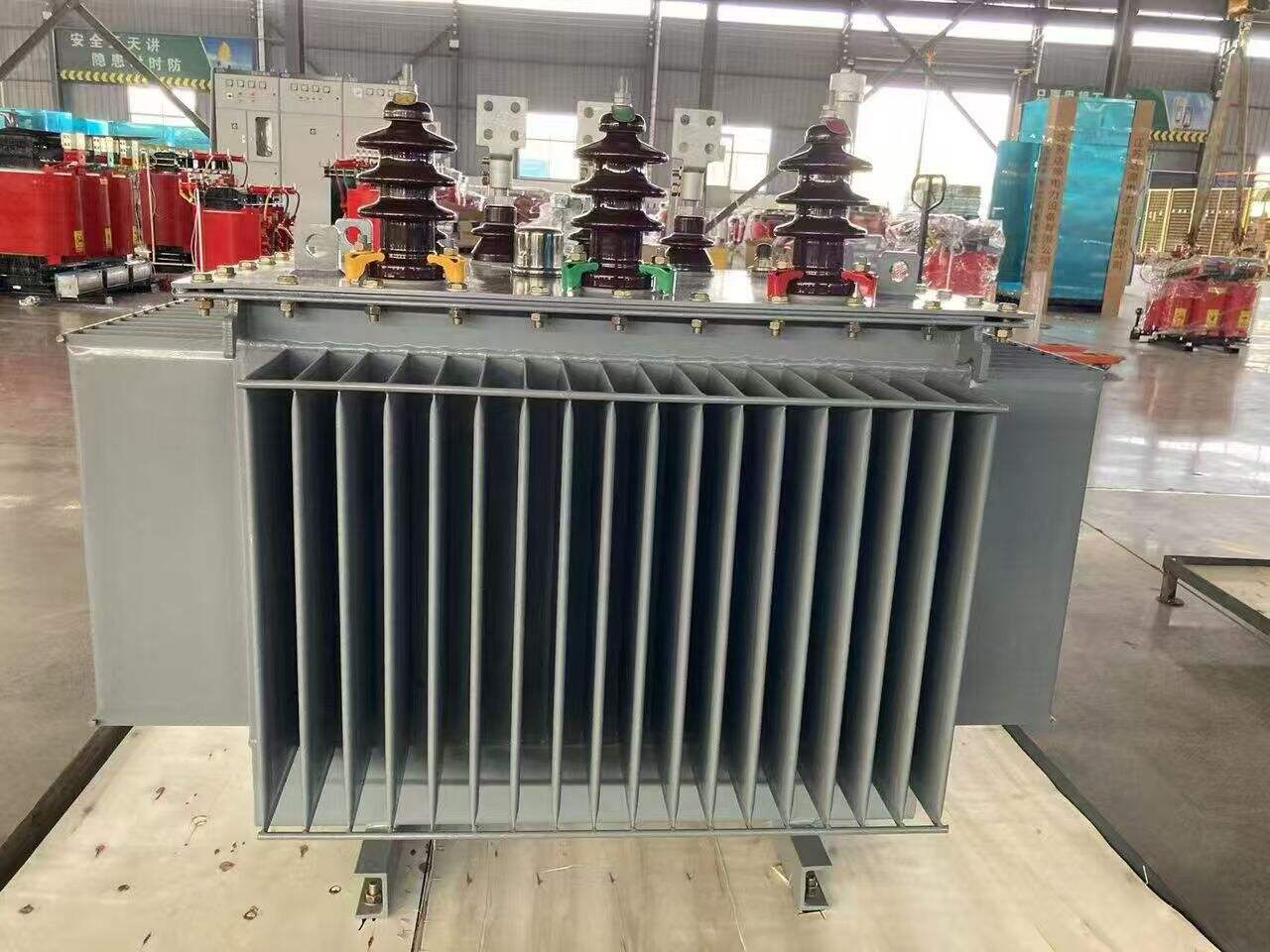
In the rapidly expanding world of renewable energy, the infrastructure behind solar installations is just as important as the panels themselves. A solar power transformer plays a foundational role in making solar-generated electricity usable, grid-compatible, and safely distributed across industrial and utility-scale projects. Without this critical component, the raw electrical output from photovoltaic systems would remain incompatible with the broader power grid and downstream equipment.
Understanding exactly what a solar power transformer is used for requires a closer look at how solar energy projects are engineered from generation to consumption. These transformers are not generic electrical components — they are specifically designed and optimized to handle the unique electrical characteristics of solar photovoltaic output, including the variable load profiles, DC-to-AC conversion demands, and the harmonic distortion that inverters introduce into the power stream. This article explores their functions, applications, and value across renewable energy projects.
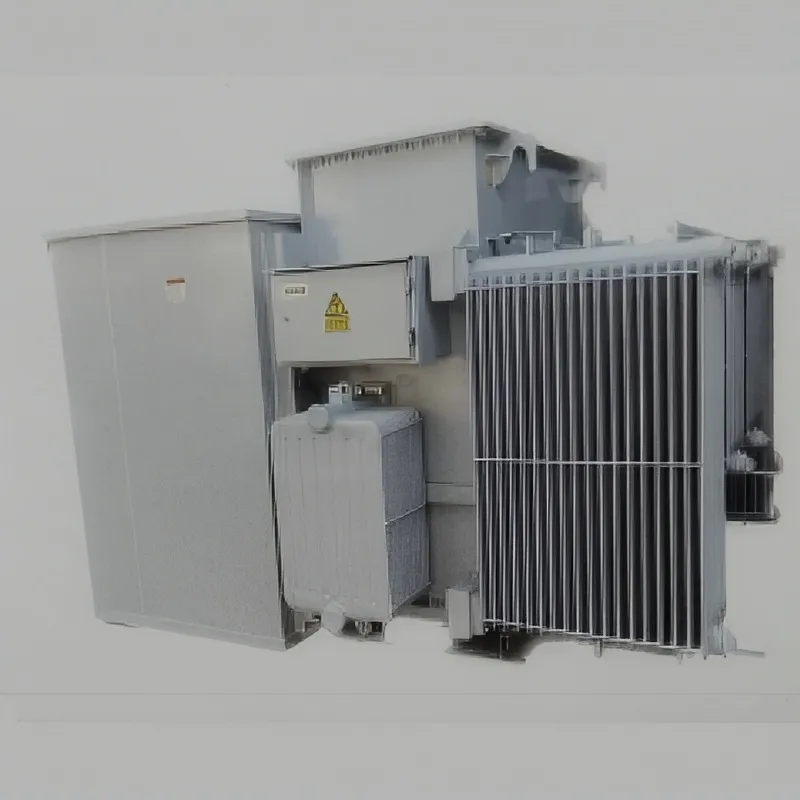
The Core Function of a Solar Power Transformer in PV Systems
Voltage Step-Up for Grid Connectivity
One of the primary uses of a solar power transformer is voltage transformation — specifically stepping up the relatively low AC voltage produced by solar inverters to the much higher voltage levels required for transmission and grid interconnection. Inverters typically output voltage in the range of 270V to 800V, while transmission grids operate at 10kV, 35kV, or even higher. The solar power transformer bridges this significant gap, enabling the energy generated at a solar farm to travel efficiently over long distances without excessive losses.
This step-up function is not merely about increasing numbers on a voltmeter. It fundamentally determines whether a solar project can be commercially viable. Transmitting power at low voltage over long distances results in enormous resistive losses, making the project economically unsustainable. A properly rated solar power transformer eliminates this bottleneck by converting the output to grid-compatible voltage levels before transmission begins.
In utility-scale solar parks, multiple inverter stations each connect to a dedicated pad-mounted or dry-type solar power transformer before the combined output reaches the central substation. This distributed architecture ensures efficiency, modularity, and fault isolation across the entire generating facility.
Electrical Isolation and Safety
Beyond voltage conversion, a solar power transformer provides galvanic isolation between the solar generation side and the grid. This isolation is a critical safety requirement in most grid connection standards worldwide. It prevents fault currents from propagating between the PV array ground and the utility grid, protecting both personnel and equipment from potentially dangerous electrical events.
Isolation also reduces the risk of DC injection into the AC grid, a problem that can cause issues with other connected equipment and violate grid codes. By incorporating this isolation function, the solar power transformer acts as both an electrical and a regulatory interface, ensuring that the solar installation meets the interconnection standards set by grid operators and national energy regulators.
Design Adaptations That Make a Solar Power Transformer Unique
Handling Harmonic Distortion from Inverters
A conventional distribution transformer is not optimized for the output characteristics of modern solar inverters. Inverters produce AC power through a switching process that introduces harmonic currents — distortions from the ideal sinusoidal waveform. A dedicated solar power transformer is engineered with a higher K-factor rating and specialized winding configurations, such as delta-delta or delta-star arrangements, to manage these harmonics and minimize their impact on transformer core heating and downstream equipment.
Failing to account for harmonics leads to accelerated insulation degradation, increased no-load losses, and premature transformer failure. The design of a purpose-built solar power transformer anticipates this electrical environment, using materials and winding geometries that distribute harmonic-induced heat more effectively and maintain efficiency over the project's 25-to-30-year operational lifespan.
This design attention directly translates into lower lifecycle costs for project owners. A solar power transformer that resists harmonic damage requires less frequent maintenance, has a longer mean time between failures, and supports the energy yield guarantees that financiers and off-takers expect from utility-scale renewable investments.
Thermal Performance Under Variable Solar Loads
Solar generation is inherently intermittent. Output varies with sunlight intensity, cloud cover, and the time of day, creating a load profile that cycles from zero at night to full capacity at peak irradiance and back again every single day. This daily thermal cycling places unusual stress on transformer insulation and cooling systems. A well-designed solar power transformer incorporates enhanced cooling mechanisms — whether ONAN (Oil Natural Air Natural), ONAF (Oil Natural Air Forced), or dry-type with forced air — to handle these continuous thermal fluctuations without degradation.
The insulation systems in a solar power transformer are typically rated for higher thermal classes, and the winding design accounts for hotspot temperature rises that occur during rapid load ramp-ups in the morning hours. These engineering choices are directly driven by the operational realities of solar power generation, not the steady-load assumptions built into standard distribution transformer designs.
Application Scenarios Across Renewable Energy Projects
Utility-Scale Solar Farms and Power Plants
In large-scale photovoltaic power plants, the solar power transformer typically appears at two levels of the electrical architecture. The first is the combiner-inverter level, where smaller step-up transformers interface directly with individual inverter blocks, raising their output from low voltage to medium voltage. The second is the main substation level, where a large power transformer steps up the aggregated medium voltage to the high voltage required for transmission grid interconnection.
At both levels, the specifications of the solar power transformer must align precisely with the inverter output ratings, the grid operator's interconnection requirements, and the site's environmental conditions. Outdoor installations in desert regions, for example, require transformers with enhanced UV resistance, dust protection ratings, and the ability to operate efficiently at elevated ambient temperatures.
Utility-scale projects also demand high reliability because downtime is directly measured in lost revenue. A solar power transformer that fails during peak generation hours can cost project owners thousands of dollars per hour in foregone electricity sales and potentially trigger contractual penalties under power purchase agreements.
Distributed Solar and Commercial Rooftop Installations
While utility-scale plants command the most attention, distributed solar applications also rely heavily on the solar power transformer. Commercial and industrial rooftop solar systems often connect to medium-voltage distribution networks, requiring compact, low-noise step-up transformers that can be installed in limited indoor space or in pad-mounted enclosures on commercial premises.
In these applications, dry-type solar power transformer designs are particularly popular because they eliminate the fire risk associated with oil-filled units, making them suitable for installation inside buildings, parking structures, and urban commercial developments. Their lower environmental footprint and reduced maintenance requirements align well with the sustainability commitments of the businesses that host rooftop solar arrays.
For smaller commercial systems, the solar power transformer may be integrated directly into a compact inverter-transformer skid, simplifying installation and reducing the civil works required for commissioning. This integration trend reflects the broader push toward modular, plug-and-play renewable energy solutions that can be deployed faster and more cost-effectively.
Integration with Energy Storage and Hybrid Renewable Systems
Supporting Battery Energy Storage Integration
Modern solar projects increasingly include battery energy storage systems (BESS) that allow operators to store excess generation and dispatch it during peak demand periods or grid stability events. The solar power transformer in these hybrid configurations must accommodate bidirectional power flow, as stored energy flows back through the transformer from the battery system to the grid when needed. This bidirectional requirement influences transformer design choices, particularly regarding no-load losses, tap changer specifications, and protection relay coordination.
Projects that combine solar generation with battery storage represent a growing share of new renewable energy developments globally. The solar power transformer sits at the heart of these hybrid systems, connecting the DC-coupled or AC-coupled battery arrays with the inverter output and the grid connection point. Its ability to handle both the solar generation profile and the storage discharge profile simultaneously is a key engineering consideration in project design.
Compatibility with Wind and Other Renewable Sources
Hybrid renewable energy parks that combine solar photovoltaic generation with wind turbines present an additional layer of complexity for transformer selection. In these configurations, the solar power transformer may need to accommodate combined AC output from both solar inverters and wind turbine generators, each with slightly different voltage and frequency characteristics. Careful transformer specification ensures that both generation types can feed into the grid simultaneously without conflict.
The growing deployment of hybrid renewable parks across regions with complementary solar and wind resources makes the role of the solar power transformer even more strategically significant. Project developers and engineering teams must account for the combined harmonic spectrum, the concurrent load profiles, and the protection coordination requirements across all generation assets when specifying transformer parameters for hybrid plants.
Key Factors in Selecting the Right Solar Power Transformer
Rating, Impedance, and Loss Optimization
Selecting the correct capacity rating for a solar power transformer requires careful alignment with the inverter nameplate output, the expected peak generation conditions, and any future expansion plans. Oversizing reduces efficiency during normal partial-load operation, while undersizing creates thermal stress and risks premature failure during peak generation periods. Impedance levels must also be coordinated with the protection relay settings used at the substation to ensure correct fault current behavior during grid disturbances.
Loss optimization is a financially significant factor. No-load losses in a solar power transformer occur continuously whenever the transformer is energized, even when generation output is zero. Over a 25-year project life, these losses accumulate into a measurable cost. Specifying low-loss core materials, such as amorphous metal or grain-oriented electrical steel, can meaningfully improve the project's energy yield and financial return.
Environmental and Site-Specific Requirements
The installation environment strongly influences the choice of solar power transformer design. Coastal sites face corrosion risks from salt-laden air, requiring specialized enclosures, corrosion-resistant coatings, and sealed terminal boxes. High-altitude sites experience reduced air density, which affects the cooling efficiency of air-cooled designs. Desert environments bring extreme temperature swings, blowing sand, and intense UV radiation, all of which must be addressed through appropriate enclosure ratings and material selection.
Seismic zone requirements are another environmental consideration, particularly for solar projects in regions with significant earthquake activity. A solar power transformer installed in such locations must meet applicable seismic qualification standards to ensure it remains operational and structurally intact following a seismic event, protecting both personnel and the project's ongoing revenue stream.
FAQ
What voltage does a solar power transformer typically step up to?
The output voltage depends on the project's grid connection requirements, but a solar power transformer most commonly steps up from inverter-level voltages in the 270V to 800V range to medium-voltage levels such as 10kV, 20kV, or 35kV for local distribution, or further to high-voltage levels such as 110kV or 220kV for transmission grid interconnection in large utility-scale plants.
Can a standard distribution transformer be used instead of a solar power transformer?
While a standard distribution transformer may function at a basic level, it is not optimized for the harmonic content, variable load cycling, and bidirectional flow requirements inherent in solar photovoltaic systems. Using a purpose-built solar power transformer ensures better thermal performance, longer service life, lower lifecycle losses, and compliance with the specific grid interconnection standards applicable to renewable energy projects.
What is the typical lifespan of a solar power transformer?
A well-specified and properly maintained solar power transformer is designed to match the operational life of the solar project, which is typically 25 to 30 years. Achieving this lifespan requires correct initial specification for the harmonic environment and load profile, routine monitoring of oil condition and winding temperatures in oil-type units, and prompt attention to any anomalies detected through on-site protection and monitoring systems.
Is a dry-type or oil-filled solar power transformer better for solar projects?
The choice between dry-type and oil-filled designs depends on site-specific factors. Dry-type solar power transformer units are preferred for indoor installations, urban environments, and locations where fire risk is a concern, as they eliminate oil-related hazards. Oil-filled units offer higher efficiency and better cooling capacity for large utility-scale outdoor installations. Both types can be engineered to meet the performance demands of modern solar energy projects when correctly specified for the application.
Table of Contents
- The Core Function of a Solar Power Transformer in PV Systems
- Design Adaptations That Make a Solar Power Transformer Unique
- Application Scenarios Across Renewable Energy Projects
- Integration with Energy Storage and Hybrid Renewable Systems
- Key Factors in Selecting the Right Solar Power Transformer
- FAQ
