 EN
EN

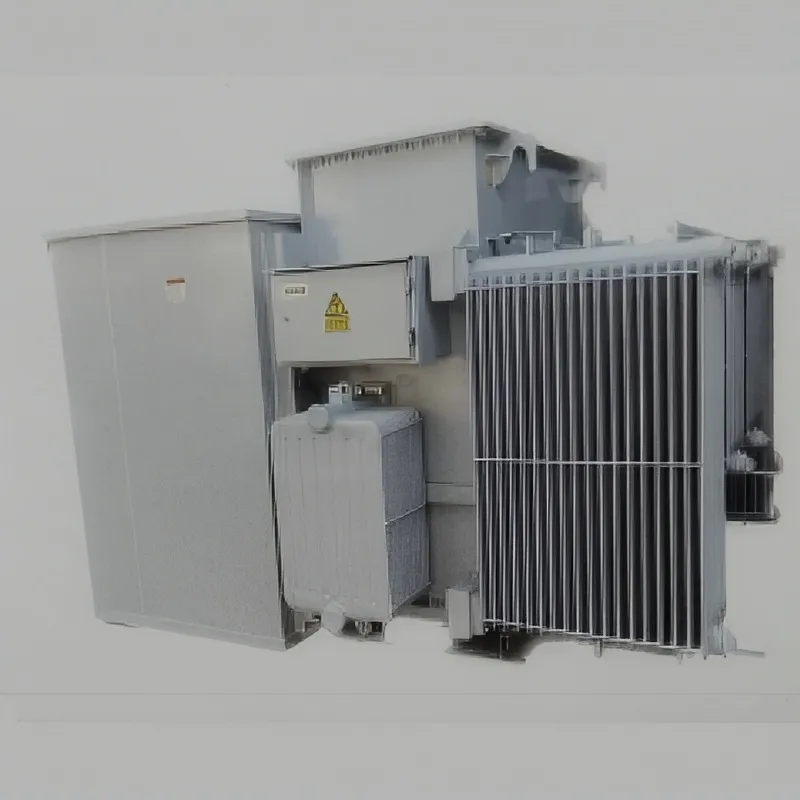
The rapid growth of renewable energy infrastructure has placed the solar power transformer at the heart of modern energy distribution systems. As solar installations scale from rooftop arrays to utility-grade power plants, the need to efficiently convert, regulate, and distribute generated electricity becomes critically important. Without a purpose-built transformer designed for photovoltaic environments, even the most advanced solar array cannot deliver its output reliably to the grid or to end users.
Understanding how a solar power transformer supports energy distribution systems requires examining both its technical function and its role within the broader power delivery chain. This article explores the mechanism, design considerations, application scenarios, and operational advantages that make the solar power transformer an indispensable component in renewable energy projects of all scales. Whether you are an engineer designing a new solar farm or a facility manager evaluating grid-tied solutions, this guide provides the decision-relevant detail you need.
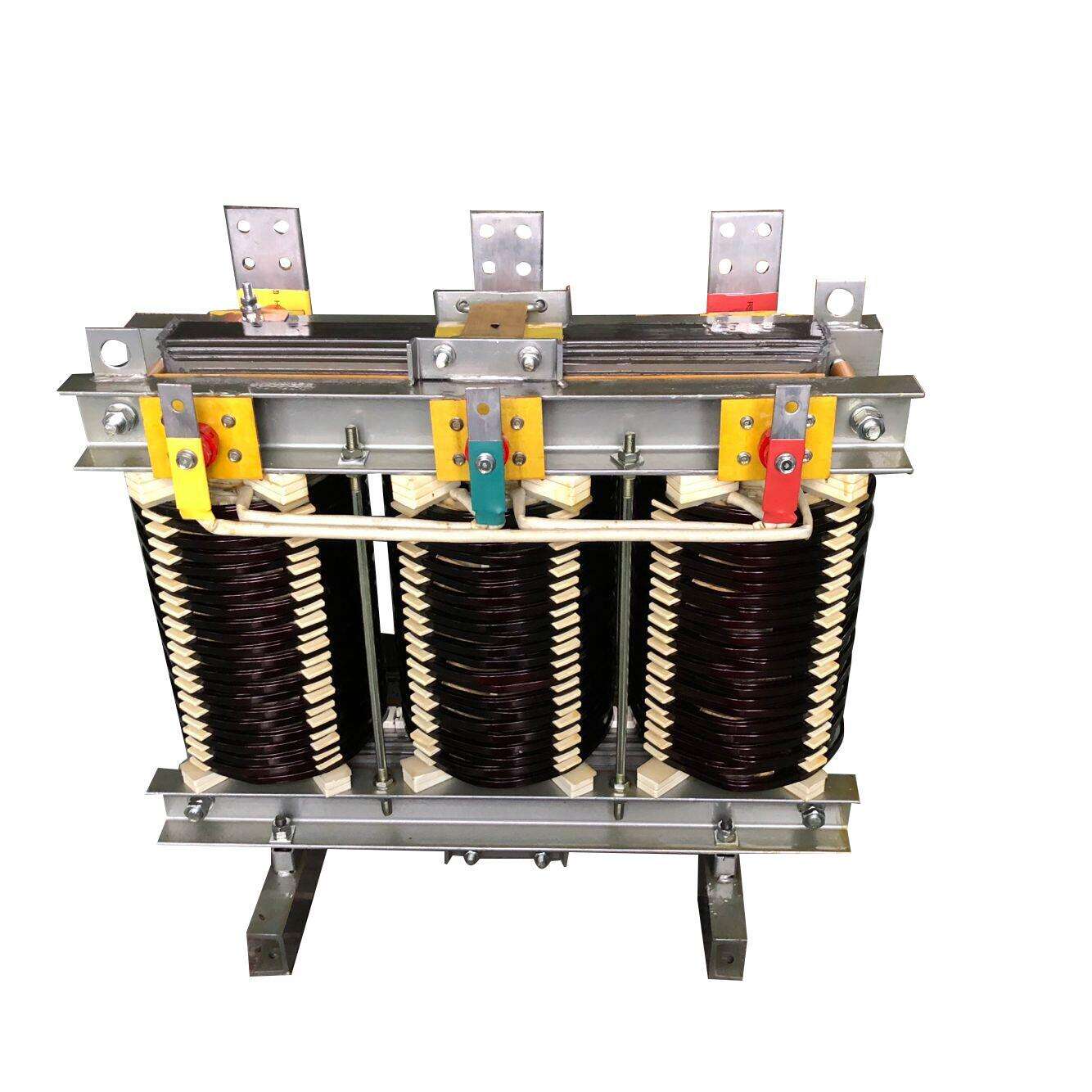
The Core Function of a Solar Power Transformer in Energy Distribution
Voltage Conversion for Grid Compatibility
A solar power transformer performs the fundamental task of stepping up or stepping down voltage levels to match the requirements of the receiving grid or load. Solar panels typically generate direct current at relatively low voltages, which inverters then convert to alternating current. However, this AC output is often at a voltage level unsuitable for direct connection to medium-voltage or high-voltage distribution networks. The solar power transformer bridges this gap by elevating the voltage to the appropriate transmission level, reducing energy losses over long distances.
In utility-scale installations, the voltage step-up process is particularly critical. A solar power transformer at a large photovoltaic plant may take inverter output at 0.4 kV and step it up to 35 kV or higher, allowing the generated electricity to travel efficiently along distribution lines before being stepped down again at substations for consumer use. This voltage management capability is what makes large-scale solar energy commercially viable and grid-compatible.
The precision of voltage conversion also affects power quality. A well-designed solar power transformer minimizes harmonic distortion introduced by inverter switching, ensuring that the electricity fed into the distribution system meets the power quality standards required by grid operators. Poor power quality can cause downstream equipment failures and may result in compliance penalties for the plant operator.
Electrical Isolation and System Protection
Beyond voltage conversion, a solar power transformer provides galvanic isolation between the photovoltaic array and the distribution grid. This isolation prevents DC components from entering the AC grid, which is a technical requirement enforced by most grid connection codes globally. Without this separation, ground faults, leakage currents, and DC injection could damage grid infrastructure and pose serious safety risks.
Isolation also plays a protective role in fault conditions. If a fault occurs on either side of the solar power transformer, the magnetic coupling between windings limits fault current propagation. This containment function reduces the risk of cascading failures across the distribution system, protecting both the solar installation and the broader grid from serious damage. System designers rely on this characteristic when calculating protection coordination for solar power plants.
Design Features That Make a Solar Power Transformer Suitable for Photovoltaic Systems
Handling Variable and Non-Sinusoidal Loads
Unlike conventional power plants that generate smooth, predictable AC waveforms, solar generation is inherently variable. Cloud cover, seasonal changes, and daily irradiance cycles cause the output of a solar array to fluctuate constantly. A solar power transformer must be designed to handle this variability without overheating or degrading in performance. Core materials, winding configurations, and cooling systems are all selected with this intermittent loading profile in mind.
Inverters also introduce harmonic currents into the transformer windings. A standard distribution transformer is not optimized for this type of non-sinusoidal loading, which can lead to elevated temperatures and premature insulation failure. A dedicated solar power transformer uses enhanced insulation systems, K-rated designs, or specially configured windings to accommodate harmonic-rich currents without sacrificing reliability or service life.
Some designs incorporate additional shielding layers between primary and secondary windings to further reduce harmonic transfer and electromagnetic interference. This attention to electrical noise management is especially important in installations where the solar power transformer is located near sensitive monitoring or communication equipment on the plant site.
Thermal Management and Environmental Durability
Solar installations are frequently located in open environments exposed to extreme heat, cold, humidity, dust, and UV radiation. The solar power transformer must be engineered to perform reliably across this range of environmental conditions. Oil-immersed designs offer excellent thermal performance and are common in large utility projects, while dry-type transformers are preferred in indoor or space-constrained installations where fire safety is a priority.
Advanced thermal management systems, including forced air cooling or oil-to-water heat exchangers, allow a solar power transformer to maintain safe operating temperatures even during prolonged periods of high generation. Proper thermal design directly extends the operational lifespan of the transformer, which is a significant factor given that solar plants are expected to operate for 25 years or more. Specifying a transformer with adequate thermal margins is therefore a long-term cost management decision, not merely a technical one.
Enclosure ratings such as IP54 or higher protect internal components from dust ingress and moisture infiltration in outdoor deployments. Corrosion-resistant coatings on tank surfaces and terminals are standard in high-quality solar power transformer designs intended for coastal or high-humidity environments. These protective measures reduce maintenance frequency and lower the total cost of ownership over the plant's operational life.
How a Solar Power Transformer Integrates Into the Distribution Network
Connection Points and Substation Roles
Within a solar power plant, the solar power transformer is typically positioned at the point of common coupling, where the plant's electrical output connects to the utility grid. In larger installations, multiple unit transformers — each associated with a cluster of inverters — feed into a central collector bus, which then connects to a main step-up solar power transformer before reaching the grid interconnection point. This hierarchical arrangement optimizes the flow of electricity from generation to distribution efficiently.
The configuration of the transformer's winding connections, commonly delta on the secondary side and star with neutral on the primary side, is carefully chosen to manage zero-sequence currents and ground fault behavior. These electrical design decisions directly affect how the distribution system responds to faults and how protection relays must be set. Engineers must coordinate transformer specifications with the overall protection philosophy of the distribution network to ensure safe and reliable operation.
Tap changers, whether off-load or on-load types, are frequently incorporated into a solar power transformer to allow fine voltage regulation without taking the unit out of service. On-load tap changers are particularly valuable in utility-scale plants where grid voltage can fluctuate independently of generation output. Maintaining voltage within the required band is a grid code obligation, and the tap changer gives plant operators the flexibility to meet this requirement dynamically.
Smart Monitoring and Grid Communication Capabilities
Modern solar power transformer units are increasingly equipped with integrated monitoring systems that provide real-time data on temperature, load current, voltage ratios, and insulation condition. This data feeds into the plant's supervisory control and data acquisition system, enabling operators to detect developing faults before they cause outages. Predictive maintenance strategies based on transformer condition data can significantly reduce unplanned downtime and extend equipment life.
Communication interfaces such as IEC 61850 or Modbus RTU allow the solar power transformer to interact with grid management systems, enabling automatic load shedding, reactive power compensation, and voltage support functions that contribute to grid stability. As energy distribution networks become smarter and more interconnected, the ability of a solar power transformer to participate in grid-level control loops becomes an increasingly important specification criterion for project developers and grid operators alike.
Operational Advantages of Using a Dedicated Solar Power Transformer
Efficiency Gains and Loss Reduction
A solar power transformer engineered specifically for photovoltaic applications typically exhibits lower no-load losses compared to general-purpose distribution transformers. Since solar generation has a significant proportion of low-load operating hours, particularly during early morning, late afternoon, and partially cloudy conditions, minimizing no-load losses directly improves the overall energy yield of the plant. Over a 25-year operational period, these efficiency gains translate into meaningful revenue improvements for project owners.
Load loss optimization is equally important. High-efficiency winding configurations reduce resistive heating during peak generation hours, keeping operating temperatures lower and further extending insulation life. The cumulative effect of improved efficiency across both no-load and load conditions makes a purpose-built solar power transformer a financially sound investment compared to using off-the-shelf alternatives that were not designed with photovoltaic load profiles in mind.
Reliability and Longevity in Renewable Energy Environments
The demanding operating conditions of solar installations — including thermal cycling, harmonic stress, and variable loading — accelerate wear on transformers not designed for this environment. A solar power transformer built to renewable energy standards uses enhanced dielectric materials, robust core laminations, and oversized cooling systems to withstand these stresses over decades of operation. Reliability is not just a technical metric in this context; it directly determines plant revenue and investor confidence.
Factory testing protocols for a solar power transformer typically include routine tests such as impedance measurement, no-load loss verification, and induced voltage testing, as well as type tests covering temperature rise, lightning impulse withstand, and short-circuit strength. Compliance with international standards such as IEC 60076 and IEEE C57 provides independent assurance that the transformer will perform as specified under real-world conditions throughout its design life.
Warranty periods, spare parts availability, and after-sales technical support are practical reliability factors that project developers evaluate alongside technical specifications. A solar power transformer backed by strong post-delivery support reduces operational risk for plant owners who depend on continuous generation to meet power purchase agreement obligations.
FAQ
What is the difference between a solar power transformer and a standard distribution transformer?
A solar power transformer is specifically designed to handle the variable, harmonic-rich output of photovoltaic inverters, while a standard distribution transformer is optimized for steady-state sinusoidal loads. The solar variant uses enhanced insulation, lower no-load loss designs, and additional harmonic mitigation features that standard units do not provide. Using a conventional distribution transformer in a solar application can lead to overheating, reduced efficiency, and shortened service life.
Can a solar power transformer operate in both grid-tied and off-grid solar systems?
Yes, a solar power transformer can be configured for both grid-tied and off-grid applications, though the specifications differ. Grid-tied systems require the transformer to match precise voltage and frequency parameters imposed by the utility, while off-grid systems have more flexibility in voltage levels but demand robust performance under fluctuating and uncontrolled load conditions. The transformer design must be matched to the system architecture to ensure safe and efficient operation in either context.
How does transformer sizing affect the performance of a solar power plant?
Undersizing a solar power transformer creates a bottleneck that limits how much of the array's output can be transmitted, reducing overall plant yield. Oversizing adds unnecessary capital cost and increases no-load losses during partial generation periods. Proper sizing accounts for the inverter output capacity, anticipated load profiles, future expansion plans, and any overloading allowances built into the transformer's thermal design. Accurate sizing is one of the most important engineering decisions in solar plant design.
What maintenance does a solar power transformer require in a solar installation?
Maintenance requirements vary depending on whether the solar power transformer is oil-immersed or dry-type. Oil-immersed units require periodic oil sampling and analysis to check for moisture, dissolved gases, and dielectric breakdown voltage, which reveal developing internal faults. Dry-type units require cleaning of ventilation paths and inspection of winding insulation. Both types benefit from regular thermal imaging, connection torque checks, and review of monitoring system alerts to identify issues before they escalate into failures.
Table of Contents
- The Core Function of a Solar Power Transformer in Energy Distribution
- Design Features That Make a Solar Power Transformer Suitable for Photovoltaic Systems
- How a Solar Power Transformer Integrates Into the Distribution Network
- Operational Advantages of Using a Dedicated Solar Power Transformer
-
FAQ
- What is the difference between a solar power transformer and a standard distribution transformer?
- Can a solar power transformer operate in both grid-tied and off-grid solar systems?
- How does transformer sizing affect the performance of a solar power plant?
- What maintenance does a solar power transformer require in a solar installation?
