 EN
EN

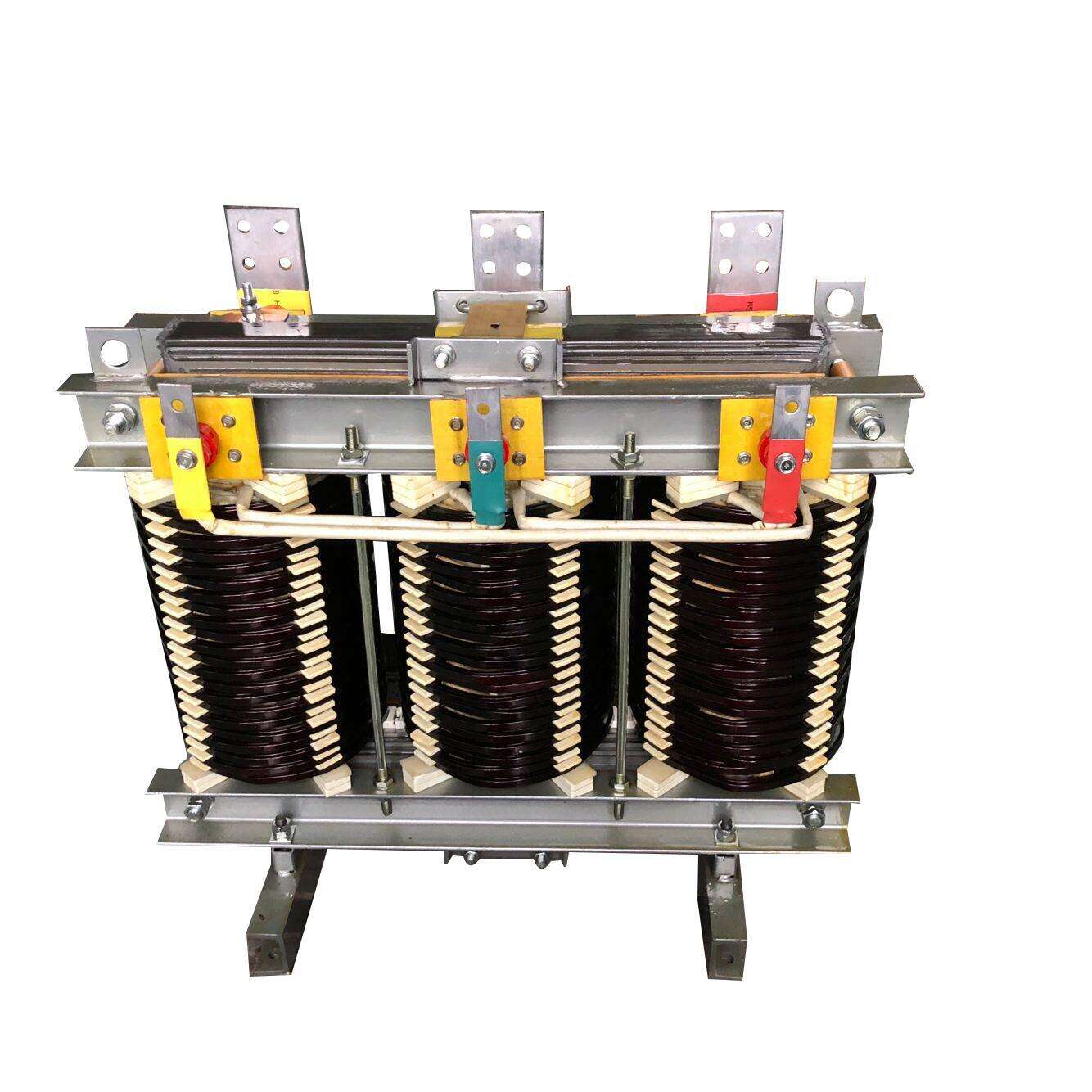
As renewable energy installations continue to scale globally, the ability to move solar-generated electricity from the point of production into the broader utility grid has become a critical engineering challenge. A solar power transformer sits at the heart of this challenge, serving as the essential interface between photovoltaic systems and the transmission or distribution network. Without proper voltage conversion, impedance matching, and electrical isolation, the energy harvested by solar panels cannot be safely or efficiently delivered to end users. Understanding how this component improves grid integration efficiency is therefore not just a technical question — it is a strategic one for any project developer, grid operator, or energy investor.
Grid integration efficiency is not a single metric — it reflects how much of the electricity generated by a solar farm can be reliably transferred to the grid with minimal losses, voltage deviation, or harmonic distortion. A properly specified solar power transformer addresses each of these dimensions simultaneously. From utility-scale ground-mounted arrays to rooftop commercial systems, the transformer design, insulation class, cooling method, and harmonic mitigation capability all determine how smoothly solar energy merges with an existing grid infrastructure. This article explores the specific mechanisms through which a solar power transformer elevates integration efficiency at every stage of the energy delivery chain.
The Role of Voltage Conversion in Solar Grid Integration
Matching Output Voltage to Grid Requirements
Solar photovoltaic panels generate direct current at relatively low voltages, and inverters convert this into alternating current at voltages that are still far below what long-distance transmission networks require. A solar power transformer steps up this voltage to match the grid connection point — whether that is a medium-voltage distribution line or a high-voltage transmission substation. This step-up function is fundamental to integration efficiency because transmitting electricity at higher voltages drastically reduces resistive losses along the cable run.
When voltage levels are mismatched at the point of interconnection, the grid protection systems may disconnect the solar installation during transient events, resulting in lost generation and potential equipment damage. A well-designed solar power transformer maintains tight voltage regulation across a range of load conditions, ensuring that the solar farm remains synchronized with the grid even when solar irradiance fluctuates rapidly due to cloud cover or seasonal changes. This stability is a direct contributor to higher capacity utilization and fewer forced outages.
Grid operators typically specify acceptable voltage bands at the point of common coupling, and a solar power transformer with on-load tap-changing capabilities allows real-time voltage adjustment without interrupting power flow. This feature becomes especially important in weak grid environments or at the end of long distribution feeders where voltage sag is a chronic issue. Projects equipped with tap-changer-enabled transformers report significantly fewer grid integration complaints and smoother approval processes with utility companies.
Galvanic Isolation and System Safety
Beyond voltage conversion, galvanic isolation provided by a solar power transformer separates the solar generation system from the public grid at a fundamental electrical level. This isolation prevents DC injection — a phenomenon where small amounts of direct current from the inverter leak into the alternating current network. DC injection can saturate distribution transformers downstream, increase core losses, and cause metering inaccuracies, all of which degrade grid integration efficiency.
Isolation also protects both the solar asset and the grid infrastructure from fault propagation. If a ground fault occurs on the solar side, isolation prevents that fault from appearing on the grid side, limiting the scope of any incident. Conversely, grid-side disturbances such as voltage spikes or phase imbalances are attenuated before they can damage the inverters or panels. This bidirectional protection improves overall system availability and lowers maintenance costs over the project lifetime.
Harmonic Mitigation and Power Quality Enhancement
Sources of Harmonic Distortion in Solar Systems
Modern solar inverters use high-frequency switching techniques to convert DC power into clean AC output, but this process inherently generates harmonic frequencies that deviate from the fundamental 50 Hz or 60 Hz grid frequency. When multiple inverters are connected in a large solar farm without adequate harmonic management, the cumulative distortion can exceed grid code limits, triggering penalties or forced curtailment. A solar power transformer designed with appropriate winding configurations plays a key role in suppressing these harmonics before they reach the utility network.
Transformers with delta-wye or delta-delta winding arrangements can cancel specific harmonic orders through phase displacement. For example, a delta connection on the primary winding traps triplen harmonics — the third, ninth, and fifteenth — and prevents them from propagating into the grid. This passive harmonic filtering effect reduces the need for external active harmonic filters, lowering both capital expenditure and ongoing operating costs. The result is a cleaner power output that meets stringent grid code requirements without additional power quality correction equipment.
Reducing Total Harmonic Distortion at the Point of Connection
Total harmonic distortion, or THD, is one of the primary metrics that grid operators monitor at the interconnection point of any solar project. A solar power transformer that is engineered for low leakage reactance and optimized core geometry can reduce THD values significantly compared to a general-purpose transformer used as a substitute. Lower THD means that sensitive grid-connected equipment, including motors, capacitor banks, and protection relays, operates within its design envelope rather than being exposed to degrading harmonic stress.
In markets where harmonic penalties are embedded in grid connection agreements, maintaining low THD directly translates into avoided charges and preserved revenue. Some utility interconnection studies now require project developers to submit power quality simulations before receiving a grid connection offer. Specifying a purpose-built solar power transformer with documented harmonic performance data can accelerate these approvals and reduce the risk of connection refusal. This is particularly relevant for large utility-scale projects where interconnection timelines directly affect financing and commissioning schedules.
Efficiency Gains Through Purpose-Built Transformer Design
Low No-Load Losses and Core Optimization
A conventional distribution transformer is designed for continuous, relatively stable load conditions typical of industrial or commercial premises. A solar power transformer, by contrast, must perform efficiently across a much wider load range — from near-zero output at dawn and dusk to full rated capacity at solar noon. This variable loading profile means that no-load core losses, which occur even when the transformer is energized but carrying minimal load, have a disproportionately large impact on the daily energy yield of a solar project.
Purpose-built solar transformers use grain-oriented silicon steel or amorphous metal core materials that exhibit significantly lower hysteresis and eddy current losses compared to standard cold-rolled steels. Over a 25-year project lifespan, these reduced no-load losses can represent tens of thousands of kilowatt-hours of additional energy delivered to the grid — energy that would otherwise be dissipated as heat in the transformer core. For project developers working with thin margins, this improvement in transformer efficiency can make the difference between a viable and a marginal business case.
Thermal Management and Continuous Operation
Solar farms are often located in high-irradiance regions that also experience high ambient temperatures. A solar power transformer must sustain its efficiency and reliability under these conditions without accelerated insulation degradation. Advanced cooling designs — including oil-directed forced cooling, thermosiphon systems, and temperature-monitored cooling fans — allow the transformer to operate at rated capacity even when ambient temperatures approach or exceed design thresholds.
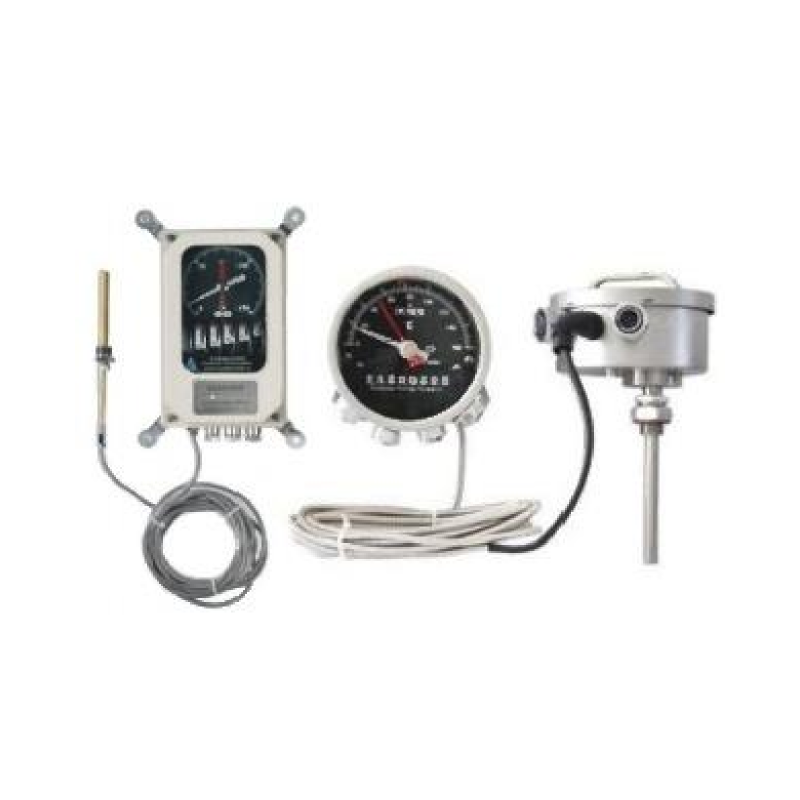
Thermal stress is one of the leading causes of premature transformer failure, and every forced outage in a solar project represents lost generation that cannot be recovered. By incorporating intelligent thermal monitoring systems that report winding hot-spot temperatures and oil temperatures to the SCADA platform, operators can schedule maintenance proactively and avoid unplanned downtime. A solar power transformer with built-in condition monitoring therefore contributes directly to integration efficiency by ensuring consistent power delivery across the full operating year.
For those evaluating equipment options for their next renewable energy project, a purpose-engineered solar power transformer offers a compelling combination of low losses, harmonic management, and durability that general-purpose alternatives simply cannot match. The incremental investment in a properly specified unit is typically recovered within the first few years of operation through improved energy yield and reduced maintenance expenditure.
Grid Code Compliance and Reactive Power Management
Meeting Interconnection Requirements with the Right Transformer
Grid codes in most jurisdictions now require solar power plants to provide reactive power support — the ability to absorb or inject reactive power to help maintain voltage stability across the distribution or transmission network. A solar power transformer with appropriate short-circuit impedance characteristics is essential for enabling this capability. The impedance of the transformer determines how much reactive current can flow between the solar inverter and the grid without causing excessive voltage deviation at the point of connection.
Transformers with carefully tuned impedance values allow inverters to operate at power factors other than unity — injecting reactive power during periods of voltage sag or absorbing it during voltage rise conditions. This dynamic voltage support capability is increasingly required as a condition of grid connection for large solar projects, and failure to demonstrate it during commissioning testing can delay commercial operation by months. A solar power transformer specified with the interconnection requirements in mind eliminates this risk at the design stage.
Protection Coordination and Grid Fault Ride-Through
Modern grid codes also require solar generators to remain connected and continue operating during short-duration voltage dips — a capability known as low-voltage ride-through or fault ride-through. The solar power transformer plays a direct role in this capability because its impedance and winding configuration influence how much of the grid fault voltage reaches the inverter terminals. A transformer that presents the right impedance characteristic can limit the voltage dip seen by the inverters, making it easier for them to remain online during network disturbances.
Protection coordination between the transformer's built-in protection devices — such as buchholz relays, winding temperature trips, and overcurrent relays — and the inverter control system must be carefully designed to avoid nuisance tripping during transient grid events. When this coordination is achieved, the solar plant maintains continuous generation through grid disturbances that would otherwise cause disconnection, improving the overall capacity factor and integration reliability of the installation. A well-coordinated solar power transformer and protection scheme therefore contributes measurably to the grid integration efficiency metrics that utilities use to evaluate renewable plant performance.
Long-Term Reliability and Lifecycle Considerations
Insulation Design for Extended Service Life
A solar power transformer in a utility-scale solar project is expected to operate for 25 to 30 years with minimal major maintenance interventions. Achieving this service life requires insulation systems that can withstand not only normal operating stresses but also the unique challenges of solar applications — including high ambient temperatures, rapid thermal cycling as the load follows the solar irradiance curve, and potential partial discharge from harmonic-rich waveforms produced by the inverters.
Thermally upgraded insulation materials, including high-temperature cellulose paper combined with synthetic ester or mineral oil, extend the thermal endurance of the winding insulation and allow operation at higher ambient temperatures without sacrificing transformer life expectancy. Projects in desert environments or tropical climates particularly benefit from these advanced insulation systems. Specifying a solar power transformer with appropriately rated insulation from the outset avoids costly mid-life retrofits and ensures that the asset continues to perform at its designed efficiency level throughout the project's commercial life.
Monitoring, Diagnostics, and Predictive Maintenance
The integration of smart monitoring capabilities into a solar power transformer has transformed how operators manage renewable energy assets. Online dissolved gas analysis monitors detect early signs of internal faults by analyzing gases dissolved in the transformer oil — gases that are produced when insulation or conductor materials begin to degrade. By catching these faults at the incipient stage, operators can plan targeted maintenance rather than waiting for a catastrophic failure that could take the transformer offline for weeks or months.
Remote monitoring platforms that collect transformer data — including load current, winding temperature, oil temperature, and tap changer position — and transmit it to a central operations center enable multi-site solar fleet operators to manage transformer health across dozens of installations simultaneously. This predictive maintenance model reduces unexpected downtime, extends asset life, and improves the average grid integration efficiency of the entire portfolio. A solar power transformer that is equipped with these diagnostic tools represents a sound long-term investment for any project committed to maximizing generation revenue over a multi-decade operating horizon.
FAQ
What makes a solar power transformer different from a standard distribution transformer?
A solar power transformer is specifically engineered to handle the unique characteristics of solar generation, including variable and intermittent loading, harmonic-rich waveforms from inverters, and the need for galvanic isolation between the DC-coupled solar system and the AC grid. Standard distribution transformers are designed for stable, predictable loads and do not incorporate the harmonic suppression winding configurations, low no-load loss core materials, or enhanced thermal management systems that solar applications require. Using a purpose-built unit avoids efficiency losses, premature aging, and grid code non-compliance.
How does a solar power transformer help a project meet grid code requirements?
A solar power transformer supports grid code compliance through several mechanisms, including reactive power management via controlled short-circuit impedance, harmonic mitigation through appropriate winding configurations, and fault ride-through support by limiting the voltage dip seen by inverters during grid disturbances. The transformer's protection coordination with the inverter control system also ensures that the plant remains connected through transient events rather than disconnecting and contributing to grid instability.
Can a solar power transformer improve energy yield over the project lifetime?
Yes, significantly. A solar power transformer designed with low no-load core losses reduces parasitic energy consumption during low-irradiance periods when the transformer is energized but carrying minimal load. Over a 25-year project life, this energy saving compounds into a substantial improvement in total generation delivered to the grid. Additionally, the transformer's harmonic mitigation capabilities reduce curtailment risks, and its reliability features minimize unplanned downtime — both of which directly translate into higher cumulative energy yield and improved project economics.
What cooling options are available for solar power transformers in high-temperature environments?
A solar power transformer deployed in high-temperature environments can be equipped with several cooling configurations depending on the thermal load and site conditions. Oil-natural air-natural cooling is the simplest and most maintenance-free option for moderate climates, while oil-forced air-forced cooling using thermostatically controlled fans is preferred for high-ambient-temperature desert or tropical sites. Thermosiphon cooling without moving parts offers a balance between passive reliability and thermal performance. Advanced units also incorporate winding hot-spot sensors and thermal models within the monitoring system to optimize cooling system activation and extend transformer life.
Table of Contents
- The Role of Voltage Conversion in Solar Grid Integration
- Harmonic Mitigation and Power Quality Enhancement
- Efficiency Gains Through Purpose-Built Transformer Design
- Grid Code Compliance and Reactive Power Management
- Long-Term Reliability and Lifecycle Considerations
-
FAQ
- What makes a solar power transformer different from a standard distribution transformer?
- How does a solar power transformer help a project meet grid code requirements?
- Can a solar power transformer improve energy yield over the project lifetime?
- What cooling options are available for solar power transformers in high-temperature environments?
