 EN
EN

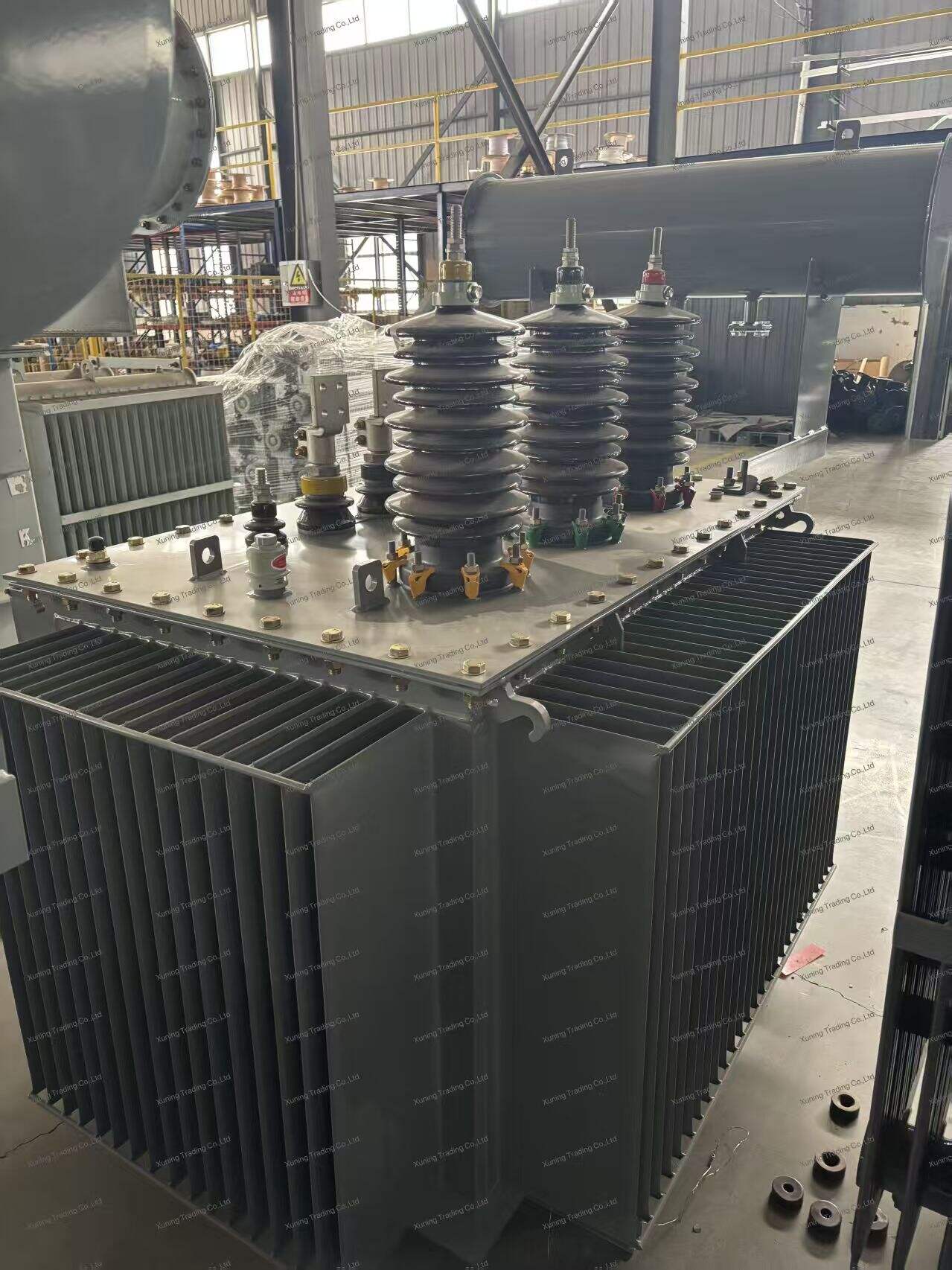
Industrial and commercial facilities rely on stable, consistent power to keep critical systems running without interruption. When voltage fluctuations, surges, or imbalances occur across a three-phase power supply, the consequences can range from reduced equipment performance to catastrophic hardware failure. A 3 phase voltage regulator is engineered specifically to address these threats, maintaining balanced and stable voltage delivery across all three phases simultaneously so that sensitive equipment remains protected under real-world operating conditions.
Understanding how a 3 phase voltage regulator works—and why it is indispensable in protecting sensitive equipment—requires a clear look at the nature of three-phase power, the types of electrical threats that exist in industrial environments, and the specific mechanisms by which regulation prevents damage. This article walks through each of those dimensions to give facility managers, engineers, and procurement professionals a thorough, decision-useful understanding of this critical power protection technology.
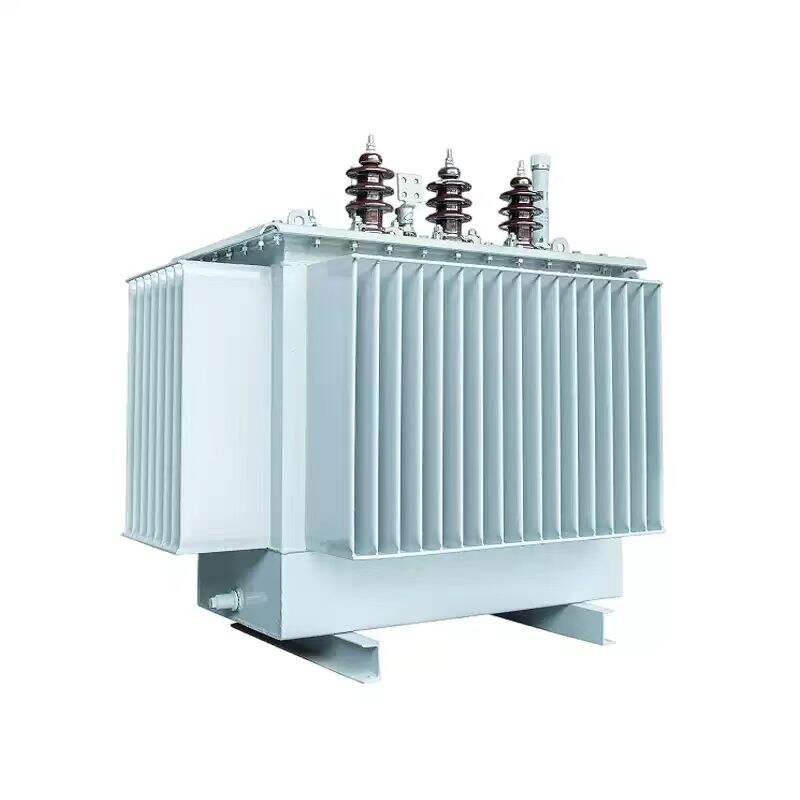
The Nature of Three-Phase Power and Its Vulnerabilities
What Makes Three-Phase Power Unique
Three-phase power delivers electricity through three alternating current waveforms, each offset by 120 degrees from the others. This configuration allows for a more efficient, continuous power delivery compared to single-phase systems, which is why it dominates industrial, manufacturing, and large commercial environments. Motors, compressors, HVAC systems, CNC machinery, and data center infrastructure all commonly operate on three-phase power.
The efficiency advantage of three-phase distribution comes with an inherent sensitivity challenge: all three phases must remain balanced and within acceptable voltage ranges for connected equipment to function correctly. When one phase deviates significantly in voltage level, the entire system is affected. Equipment designed for balanced three-phase input will draw uneven current, generate excess heat, and experience mechanical stress when that balance is disrupted.
This is precisely where the 3 phase voltage regulator plays its most fundamental role—it monitors and corrects all three phases in real time, ensuring that the voltage delivered to equipment remains within the tolerances for which that equipment was designed.
Common Voltage Threats in Industrial Environments
Industrial power environments are rarely as stable as the nominal values on a nameplate suggest. Voltage sags occur when heavy loads start up or when the utility grid experiences demand spikes. Voltage swells happen during sudden load drops or capacitor bank switching. Transient overvoltages, commonly called spikes, arise from lightning strikes, switching operations, or nearby fault conditions.
Phase imbalance is another persistent concern. When loads on a three-phase system are not distributed equally, or when one phase experiences a different impedance condition than the others, voltage levels diverge between phases. Even a five-percent imbalance in voltage can cause disproportionate current imbalance in motors—sometimes exceeding twenty-five percent—leading to overheating and shortened insulation life.
A 3 phase voltage regulator is designed to compensate for all of these conditions. Rather than waiting for equipment to fail or for a protective relay to trip a circuit, the regulator intervenes continuously to keep voltage within the acceptable window, preventing damage before it can accumulate.
How a 3 Phase Voltage Regulator Actively Protects Equipment
Continuous Voltage Sensing and Correction
The core protection mechanism of a 3 phase voltage regulator is its continuous sensing and correction loop. Voltage sensing circuits monitor the output on each phase in real time, comparing the measured value against the setpoint. When a deviation is detected, the regulator's control system adjusts the correction transformer or voltage injection circuit to compensate, returning the output voltage to the target level within milliseconds.
This speed of response is what separates a 3 phase voltage regulator from passive protection devices like fuses or basic surge suppressors. Fuses only respond to fault-level overcurrents. Surge suppressors only clamp extreme transients. A regulator, by contrast, handles the full spectrum of gradual sags, swells, and slow drifts that make up the majority of real-world power quality problems.
For sensitive equipment such as variable frequency drives, programmable logic controllers, medical imaging systems, and precision manufacturing tools, this continuous correction is essential. These devices often have input voltage tolerances of plus or minus ten percent or tighter. Sustained operation outside those tolerances degrades internal components silently over time, reducing service life long before any visible failure occurs.
Phase Balance Enforcement
A 3 phase voltage regulator does not simply regulate the average voltage across the system—it manages each phase independently. This per-phase correction capability is what enables the regulator to enforce phase balance even when load conditions on individual phases are unequal or when upstream supply irregularities affect one phase more than the others.
For three-phase motors, balanced voltage is directly tied to torque output, thermal behavior, and bearing life. An unbalanced supply causes negative-sequence current components that produce counter-torque, increase copper losses, and raise operating temperature. A properly sized 3 phase voltage regulator eliminates these negative-sequence effects by keeping phase voltages matched, which can extend motor winding life significantly.
In data center and telecommunications environments, phase balance also affects the performance of uninterruptible power supplies and power distribution units. Unbalanced input stresses rectifier circuits and battery charging systems. Regulators that maintain tight phase balance reduce maintenance frequency and extend the operational lifespan of this expensive downstream infrastructure.
Equipment Categories That Benefit Most from Voltage Regulation
Industrial Motors and Drives
Industrial motors represent one of the largest populations of equipment that benefit from a 3 phase voltage regulator. Induction motors are particularly sensitive to voltage variation because their torque output is proportional to the square of the applied voltage. A ten-percent voltage reduction results in approximately a nineteen-percent reduction in available torque, which forces the motor to draw more current to maintain load, accelerating insulation degradation.
Variable frequency drives, which are widely used to control motor speed and optimize energy consumption, have their own sensitive rectifier and capacitor bank inputs. These components react poorly to sustained voltage distortion or imbalance. Installing a 3 phase voltage regulator upstream of a VFD bank provides a cleaner input environment, reduces harmonic stress on the drive's components, and lowers the likelihood of nuisance trips and controller faults.
In pump stations, conveyor systems, compressor rooms, and HVAC plants, the return on investment from voltage regulation is often measurable in reduced maintenance calls, fewer motor rewinds, and lower energy consumption due to improved efficiency under balanced voltage conditions.
Precision Electronics and Control Systems
Programmable logic controllers, distributed control systems, human-machine interfaces, and industrial computers all depend on regulated power supplies to convert the incoming AC voltage into the stable DC voltages their internal circuits require. When the incoming three-phase supply fluctuates widely, even well-designed internal power supplies can be pushed outside their regulation range, causing logic errors, memory corruption, or unexpected shutdowns.
In process industries such as chemical, pharmaceutical, and food processing, an unexpected control system shutdown triggered by a voltage event can mean not only lost production but also safety system failures and product quality incidents. A 3 phase voltage regulator positioned at the power entry point for the control room or electrical panel serving these systems provides a first line of defense that is independent of the control system's own internal protections.
Medical equipment, laboratory instruments, and testing systems operate under similarly strict power quality requirements. Manufacturers of these devices often specify input power quality conditions explicitly, and operating outside those conditions may void equipment warranties and calibration certifications. A 3 phase voltage regulator ensures that the facility's power supply meets those specifications regardless of utility grid variability.
Selecting the Right 3 Phase Voltage Regulator for Your Application
Key Sizing and Performance Parameters
Choosing the correct 3 phase voltage regulator begins with understanding the load it must protect. The regulator must be rated for the maximum continuous kVA demand of the connected equipment, with adequate headroom for startup inrush currents from motors and other reactive loads. Undersizing a regulator is a common mistake that results in the unit operating near or above its thermal rating, reducing its own lifespan while failing to provide adequate protection during peak demand.
The regulation range of the unit—that is, the span of input voltage variation it can compensate for while maintaining a stable output—must also match the actual conditions of the installation site. In locations with notably weak or variable grid supplies, a wider regulation range is required. A 3 phase voltage regulator with a narrow compensation range may perform well under normal conditions but fail to protect equipment during the severe sags or swells that occur during grid disturbances.
Response time is another parameter that matters for sensitive loads. Servo systems, robotics, and precision motion control equipment need a regulator that can respond within a few cycles or less. Slower-responding units may be acceptable for thermal loads and lighting but are insufficient for high-performance electronic systems.
Installation and Integration Considerations
A 3 phase voltage regulator is typically installed at the main distribution panel or at the input to a specific sub-panel serving sensitive loads. The choice between a centralized installation protecting the entire facility and a distributed installation protecting specific equipment groups depends on the facility layout, the criticality of different load zones, and the economics of the available regulator options.
In retrofit applications, the installation must account for the physical footprint of the regulator, ventilation requirements, and the need for bypass switching so that maintenance can be performed without interrupting power to critical loads. A well-designed bypass arrangement allows the facility to switch to direct utility supply temporarily while the regulator is serviced, maintaining continuity of operations.
Integration with the facility's power monitoring and building management systems is increasingly common. Modern 3 phase voltage regulator units often include communication interfaces that allow voltage, current, and event data to be logged and analyzed remotely, giving maintenance teams the visibility they need to identify trends, schedule preventive maintenance, and document power quality compliance for warranty and regulatory purposes.
Long-Term Value of Deploying a 3 Phase Voltage Regulator
Reducing Total Cost of Ownership for Critical Equipment
The financial case for a 3 phase voltage regulator is built on avoided costs rather than direct revenue generation. When sensitive equipment operates under consistently regulated voltage, its internal components experience less thermal cycling stress, less dielectric degradation in winding insulation, and less mechanical fatigue from torque variation. The cumulative effect of this reduced stress is a measurable extension of equipment service life.
Unplanned downtime is one of the most expensive outcomes of power quality failures in industrial environments. A single unexpected shutdown of a production line, a CNC machining center, or a data processing system can cost significantly more than the initial investment in a 3 phase voltage regulator. By preventing the voltage events that trigger these shutdowns, the regulator effectively pays for itself through avoided downtime and the labor and parts costs associated with reactive repairs.
Energy efficiency is another long-term benefit. Equipment operating under balanced, regulated voltage draws current more efficiently, reducing reactive power demand and lowering electricity costs. For facilities with large motor populations or high-density electronic loads, the energy savings from a well-implemented 3 phase voltage regulator installation can contribute meaningfully to the payback calculation.
Supporting Warranty Compliance and Risk Management
Equipment manufacturers design and test their products under specific power quality conditions. When those conditions are not met in the field, warranty claims related to premature component failure are frequently disputed or denied on the grounds that the operating environment did not conform to specifications. A 3 phase voltage regulator provides documented evidence that the power supply to critical equipment meets manufacturer requirements, strengthening the facility's position in warranty discussions.
From a risk management perspective, deploying a 3 phase voltage regulator across critical load zones is a recognized best practice in industrial power quality management. Insurance underwriters for manufacturing facilities, data centers, and healthcare infrastructure increasingly recognize power quality protection measures as a factor in risk assessment and premium calculation.
Beyond financial risk, there is the operational risk of safety system failures triggered by voltage anomalies. In processes where control systems govern emergency shutdowns, valve actuation, or fire suppression, a voltage event that disrupts control power is not merely an operational inconvenience—it is a safety hazard. A 3 phase voltage regulator that keeps control power stable under all foreseeable grid conditions is a core element of responsible safety engineering in these environments.
FAQ
What types of equipment are most vulnerable to three-phase voltage problems?
Equipment with tight input voltage tolerances is most at risk, including three-phase induction motors, variable frequency drives, programmable logic controllers, industrial computers, medical imaging systems, and precision laboratory instruments. These devices experience accelerated wear, increased fault rates, and shortened service life when operated outside their specified voltage range, making a 3 phase voltage regulator a critical protective measure for facilities that depend on them.
How quickly does a 3 phase voltage regulator respond to a voltage sag?
Response time varies by regulator technology and design. Servo-controlled and solid-state 3 phase voltage regulator units can respond within one to two electrical cycles, or approximately sixteen to thirty-three milliseconds on a 60 Hz system. Electromechanical autotransformer-based units typically respond more slowly. For the most sensitive electronic loads, specifying response time explicitly when selecting a 3 phase voltage regulator is essential to ensure adequate protection.
Can a 3 phase voltage regulator handle both voltage sags and voltage swells?
Yes. A properly designed 3 phase voltage regulator compensates in both directions—boosting output when input voltage sags below the setpoint and reducing output when input voltage swells above it. The regulation range defines the maximum deviation in either direction that the unit can handle while maintaining a stable output. Verifying that this range covers the full extent of voltage variation observed at the installation site is a key step in the selection process.
Where in a facility should a 3 phase voltage regulator be installed?
The optimal installation point depends on whether protection is needed facility-wide or for specific load groups. A 3 phase voltage regulator installed at the main service entrance protects all downstream equipment but must be sized for the full facility load. Installing individual units at the input to sub-panels serving critical loads is a more targeted approach that allows right-sizing for each zone. In facilities with both sensitive and non-sensitive loads, the targeted approach often provides better value and simpler maintenance logistics.
Table of Contents
- The Nature of Three-Phase Power and Its Vulnerabilities
- How a 3 Phase Voltage Regulator Actively Protects Equipment
- Equipment Categories That Benefit Most from Voltage Regulation
- Selecting the Right 3 Phase Voltage Regulator for Your Application
- Long-Term Value of Deploying a 3 Phase Voltage Regulator
- FAQ
