Comprehensive Guide to Modern Transformer Types: Functions, Features, and Applications

Get a Free Quote

Our representative will contact you soon.
Email
Name
Mobile/WhatsApp
Company Name
Message
0/1000

types of transformers and their functions

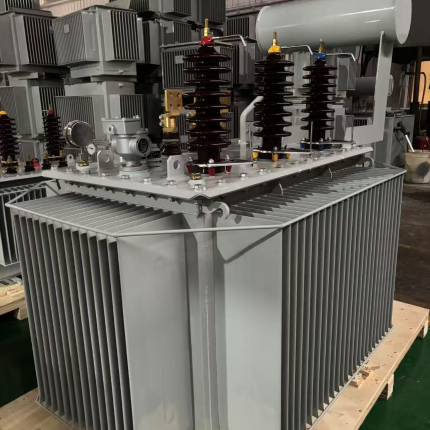
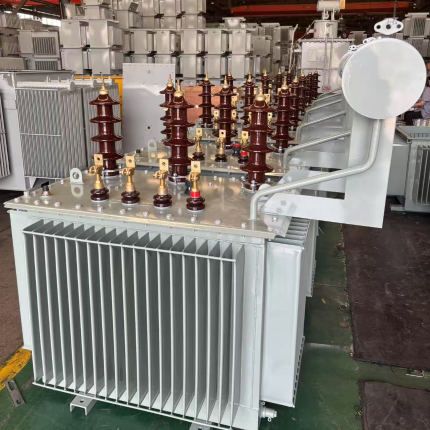
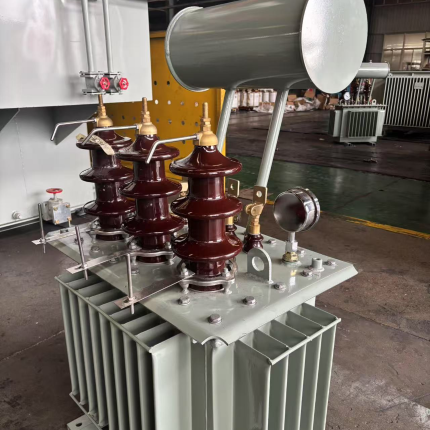
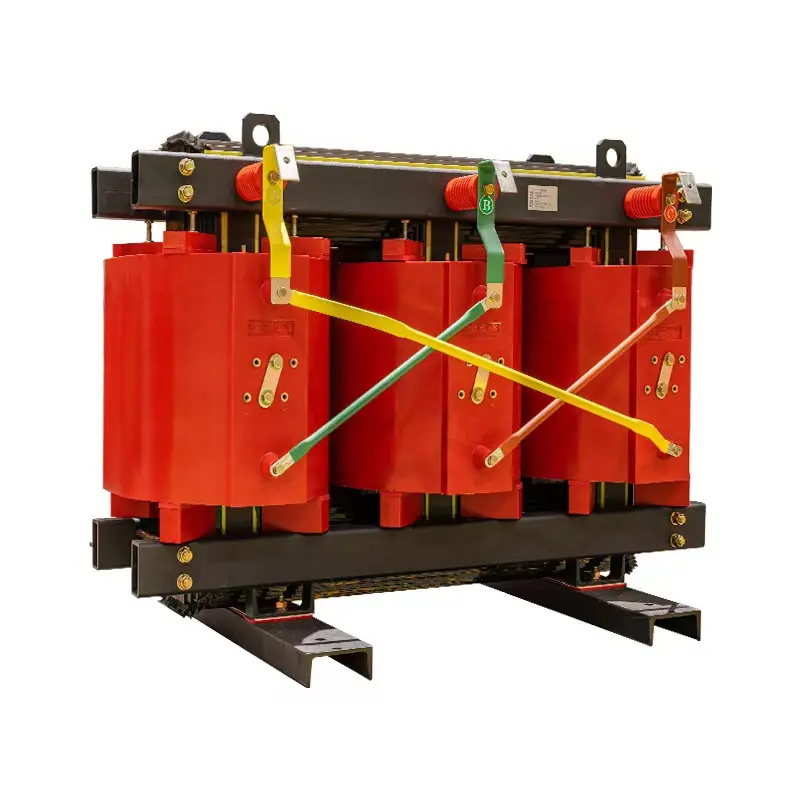
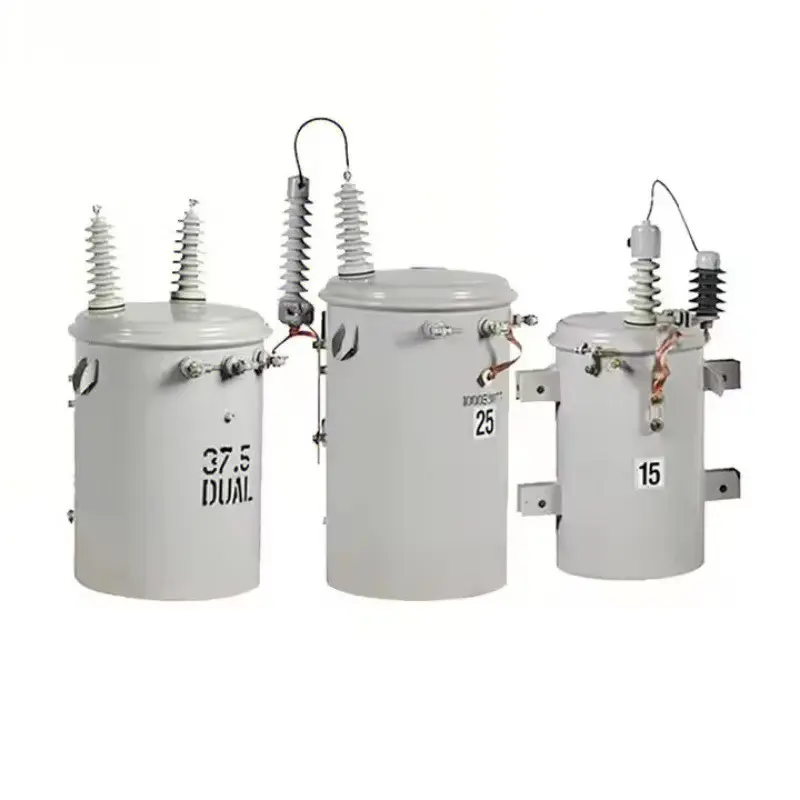
Transformers are essential electrical devices that transfer electrical energy between circuits through electromagnetic induction. The main types include power transformers, distribution transformers, instrument transformers, and isolation transformers. Power transformers are large units used in transmission networks to step voltage up or down between generating stations and distribution points. Distribution transformers convert high voltage power to lower voltages suitable for consumer use. Instrument transformers precisely measure current and voltage in power systems. Isolation transformers provide electrical separation between circuits for safety and noise reduction. Each type features specific core designs, winding arrangements, and cooling systems tailored to their applications. Power transformers utilize advanced cooling methods like oil immersion and forced air cooling, while distribution transformers often use sealed tank designs with natural cooling. Modern transformers incorporate advanced materials like amorphous cores for improved efficiency and digital monitoring systems for predictive maintenance. Their applications span from power generation and industrial processes to residential power distribution and sensitive electronic equipment protection. The technology continues to evolve with innovations in materials, designs, and smart monitoring capabilities.

New Products

Different types of transformers offer distinct advantages that make them invaluable in modern electrical systems. Power transformers excel in high-voltage applications, providing exceptional efficiency in power transmission over long distances, reducing energy losses and operating costs. Their robust construction ensures reliability in demanding conditions, while advanced cooling systems maintain optimal performance under heavy loads. Distribution transformers offer flexibility in installation, requiring minimal maintenance while delivering consistent power quality to end users. Their compact design and weather-resistant construction make them ideal for both urban and rural settings. Instrument transformers provide precise measurements crucial for system monitoring and protection, ensuring accurate billing and safety compliance. Their high accuracy class ratings and stability under varying conditions make them essential for power quality management. Isolation transformers effectively block interference and noise, protecting sensitive equipment from power quality issues. They provide an additional safety layer by preventing ground loops and reducing the risk of electrical shock. Modern transformer designs incorporate energy-efficient cores, reducing no-load losses and operating costs. Smart monitoring capabilities enable predictive maintenance, reducing downtime and extending service life. The various types work together to create a reliable, efficient, and safe power distribution network.

Latest News

Exceptional Supply Chain Integration, Empowering Efficient Transformer Delivery

29

Dec

Exceptional Supply Chain Integration, Empowering Efficient Transformer Delivery

View More
Xuning Leads the New Chapter of Trade by Integrating Resources Amidst Transformer Industry Transformation

29

Dec

Xuning Leads the New Chapter of Trade by Integrating Resources Amidst Transformer Industry Transformation

View More
The Pioneer of Resource Integration in the Transformer Trade Field

29

Dec

The Pioneer of Resource Integration in the Transformer Trade Field

View More

Get a Free Quote

Our representative will contact you soon.
Email
Name
Mobile/WhatsApp
Company Name
Message
0/1000

types of transformers and their functions

Advanced Cooling Technologies and Efficiency

Advanced Cooling Technologies and Efficiency

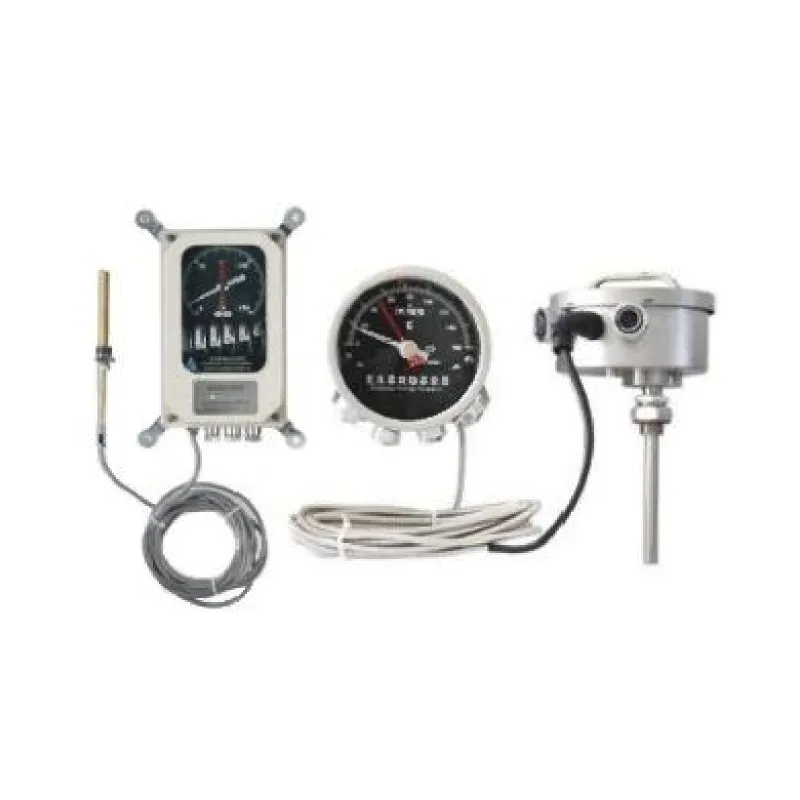
Modern transformer cooling systems represent a significant advancement in power distribution technology. Oil-immersed transformers utilize specialized mineral or synthetic oils that serve both as coolant and insulator, enabling efficient heat dissipation while maintaining electrical isolation. The integration of forced-air cooling systems with radiators enhances cooling capacity, allowing transformers to handle higher loads without compromising performance. Advanced monitoring systems continuously track oil temperature, pressure, and dissolved gas content, providing real-time data for optimal operation. This comprehensive cooling approach extends transformer lifespan, reduces maintenance requirements, and ensures consistent performance under varying load conditions.
Smart Monitoring and Diagnostic Capabilities

Smart Monitoring and Diagnostic Capabilities

Contemporary transformers feature sophisticated monitoring systems that revolutionize maintenance and operation. These systems integrate sensors and digital analytics to provide real-time status updates on critical parameters including temperature, load conditions, oil quality, and electrical characteristics. Predictive maintenance algorithms analyze this data to forecast potential issues before they become critical, enabling proactive maintenance scheduling. Remote monitoring capabilities allow operators to access transformer status from anywhere, facilitating quick response to anomalies. This smart approach significantly reduces unexpected downtime, extends equipment life, and optimizes maintenance resources.
Enhanced Safety and Protection Features

Enhanced Safety and Protection Features

Modern transformer designs incorporate multiple layers of safety features to protect both equipment and personnel. Advanced protection systems include automatic shutdown mechanisms that activate during abnormal conditions, preventing equipment damage and potential hazards. Buchholz relays detect internal faults by monitoring gas accumulation, while differential protection systems instantly identify and isolate faults. Ground fault protection systems prevent dangerous current flows, while surge arresters protect against voltage spikes. These safety features work together to create a comprehensive protection system that ensures reliable operation while maintaining the highest safety standards for maintenance personnel and nearby equipment.
Comprehensive Guide to Modern Transformer Types: Functions, Features, and Applications

Get a Free Quote

Our representative will contact you soon.
Email
Name
Mobile/WhatsApp
Company Name
Message
0/1000