Comprehensive Guide to Modern Transformer Types and Applications: Efficiency, Innovation, and Sustainability

Get a Free Quote

Our representative will contact you soon.
Email
Name
Mobile/WhatsApp
Company Name
Message
0/1000

different types of transformers and their applications

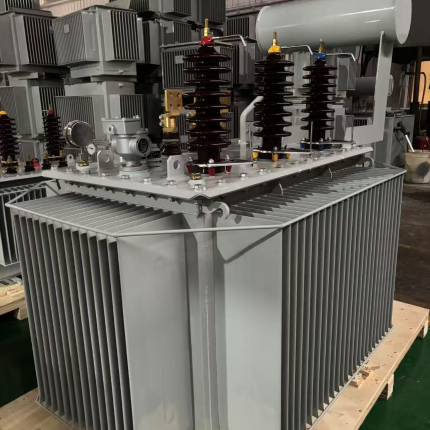
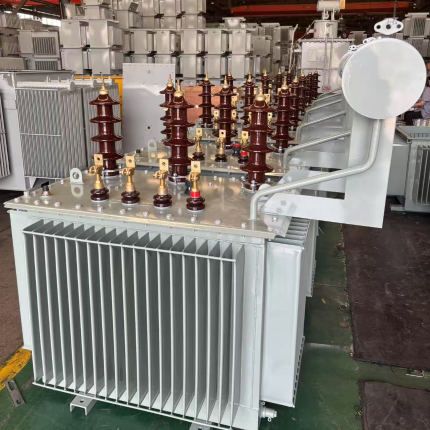
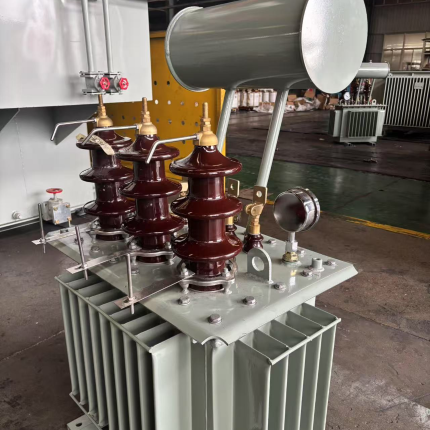
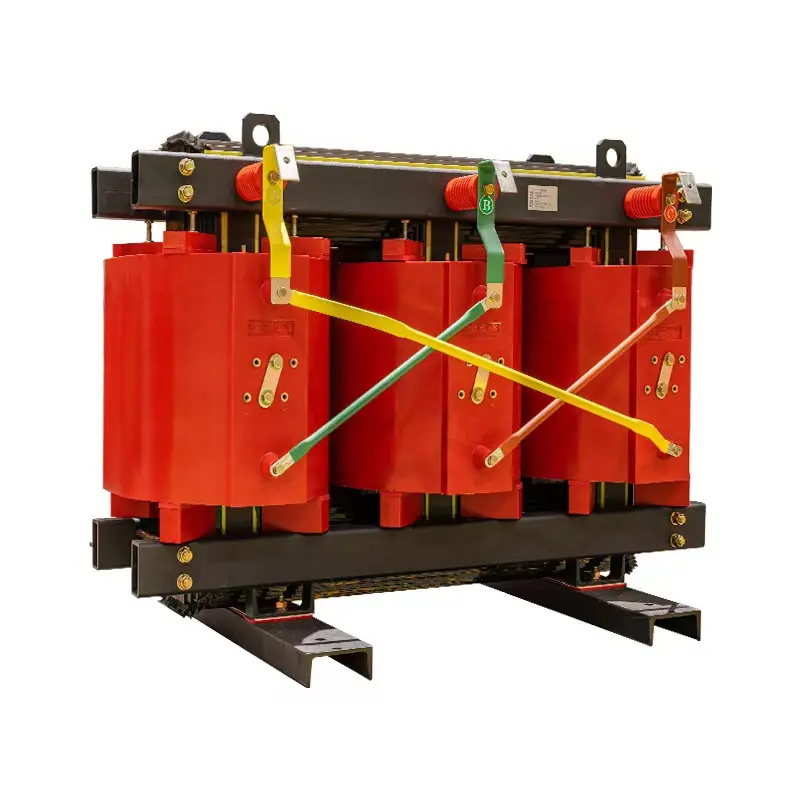
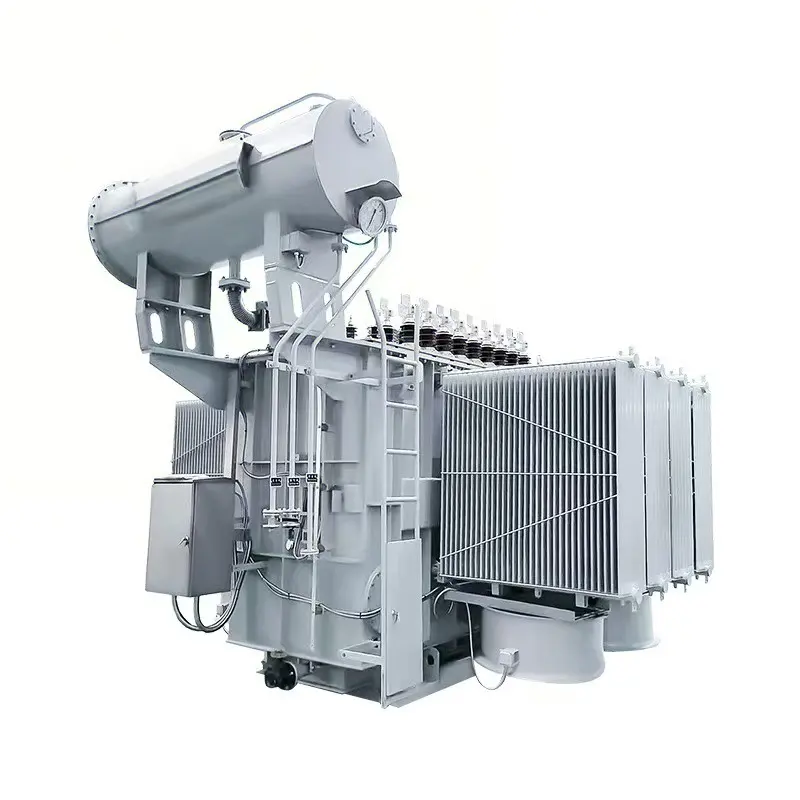
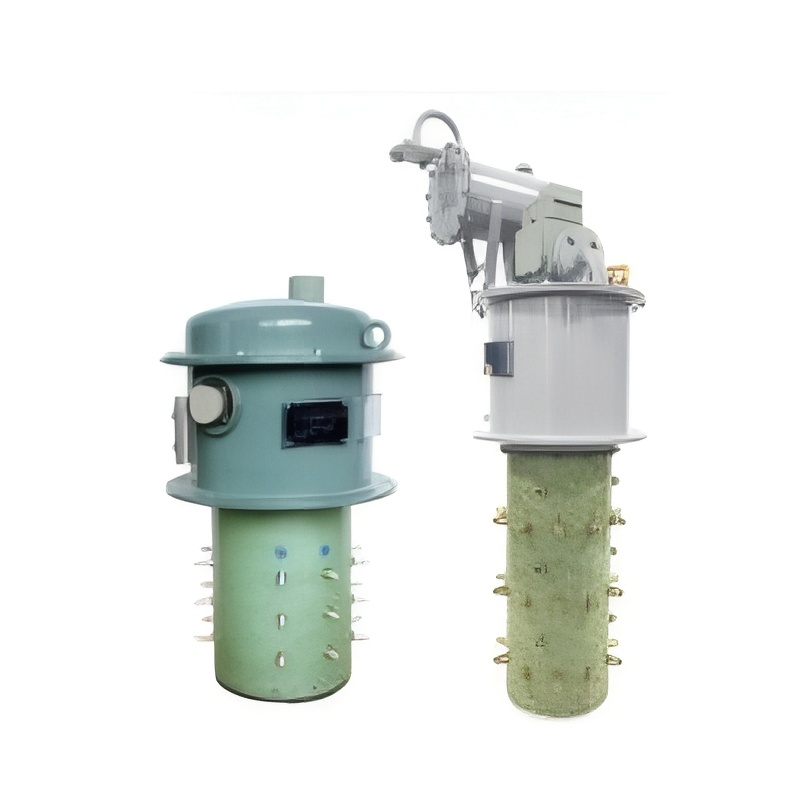
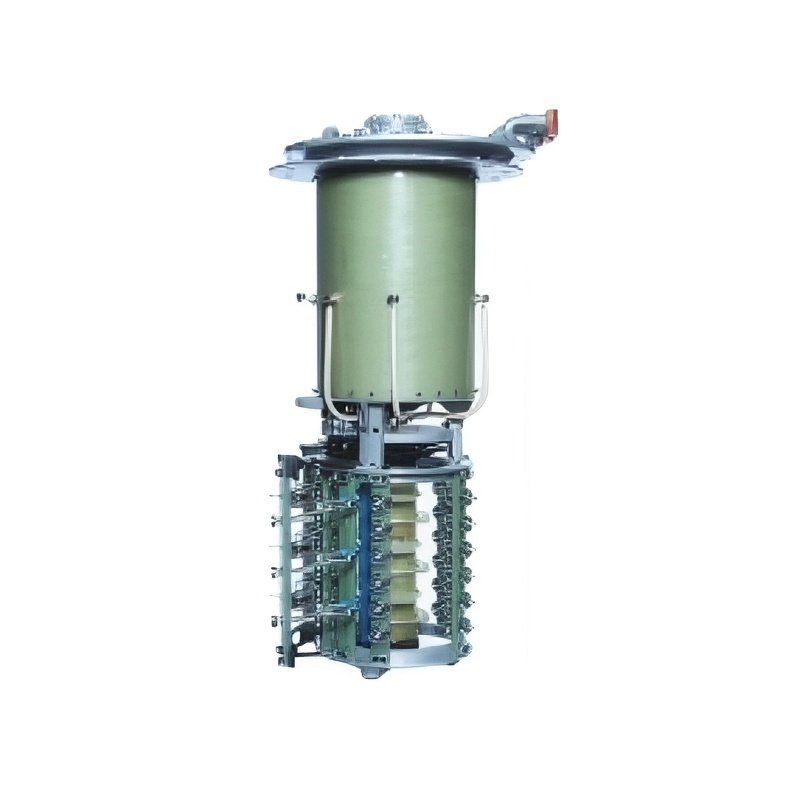
Transformers are essential electrical devices that transfer electrical energy between circuits through electromagnetic induction. The main types include power transformers, distribution transformers, and instrument transformers. Power transformers are large units used in power generation stations and substations, handling high voltage transmission. They efficiently step voltage up for long-distance power transmission and step it down for local distribution. Distribution transformers are smaller units found in residential and commercial areas, converting medium voltage to low voltage suitable for end-user consumption. Instrument transformers, including current and voltage transformers, are specialized units used for measurement and protection purposes in electrical systems. Autotransformers feature a single winding that serves as both primary and secondary, offering high efficiency in applications requiring minor voltage adjustments. Isolation transformers provide electrical separation between circuits, crucial for safety and noise reduction. Special application transformers include audio transformers for sound systems, RF transformers for radio frequency applications, and three-phase transformers for industrial power systems. Each type incorporates specific design features like core material selection, winding arrangement, and cooling systems to optimize performance for its intended application. Modern transformers also integrate smart monitoring systems and environmental considerations in their design.

Popular Products

Different types of transformers offer unique advantages that make them invaluable in various applications. Power transformers excel in high-voltage applications, providing exceptional efficiency in power transmission across long distances, significantly reducing energy losses and operating costs. Their robust construction ensures reliability in demanding conditions, while advanced cooling systems maintain optimal performance under heavy loads. Distribution transformers offer flexibility in installation and maintenance, making them ideal for urban and rural power distribution networks. Their compact design and lower maintenance requirements translate to reduced operational costs for utilities and businesses. Instrument transformers provide precise measurements and protection capabilities, essential for modern power systems management. Their high accuracy and reliability ensure proper system monitoring and protection, reducing the risk of equipment damage and power outages. Autotransformers offer cost advantages through their simpler construction and smaller size, while maintaining high efficiency in voltage regulation applications. Isolation transformers provide crucial safety benefits by preventing ground loops and reducing electromagnetic interference in sensitive equipment. Special application transformers are designed for specific needs, offering optimized performance in their respective applications, whether in audio systems, industrial processes, or specialized equipment. Modern transformer designs incorporate environmental considerations, using biodegradable oils and energy-efficient materials, helping organizations meet sustainability goals while reducing operational costs.

Practical Tips

Exceptional Supply Chain Integration, Empowering Efficient Transformer Delivery

29

Dec

Exceptional Supply Chain Integration, Empowering Efficient Transformer Delivery

View More
Xuning Leads the New Chapter of Trade by Integrating Resources Amidst Transformer Industry Transformation

29

Dec

Xuning Leads the New Chapter of Trade by Integrating Resources Amidst Transformer Industry Transformation

View More
The Pioneer of Resource Integration in the Transformer Trade Field

29

Dec

The Pioneer of Resource Integration in the Transformer Trade Field

View More

Get a Free Quote

Our representative will contact you soon.
Email
Name
Mobile/WhatsApp
Company Name
Message
0/1000

different types of transformers and their applications

Advanced Monitoring and Protection Systems

Advanced Monitoring and Protection Systems

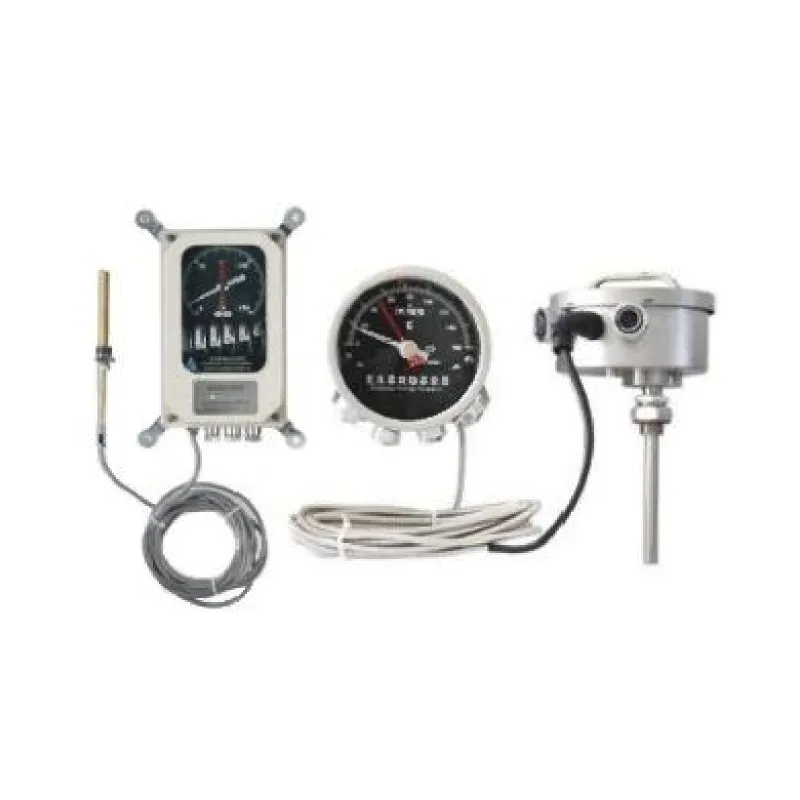
Modern transformers incorporate sophisticated monitoring and protection systems that revolutionize maintenance and operation. These systems utilize advanced sensors and digital technology to provide real-time monitoring of critical parameters including temperature, oil level, pressure, and load conditions. This continuous monitoring enables predictive maintenance strategies, allowing operators to identify potential issues before they become critical failures. The integration of smart monitoring systems reduces maintenance costs by up to 30% while significantly improving reliability and extending equipment lifespan. Protection systems include differential protection, overcurrent protection, and thermal protection, creating multiple layers of safety that prevent equipment damage and ensure uninterrupted power supply. These advanced systems also enable remote monitoring and control, reducing the need for on-site inspections and enabling rapid response to potential issues.
Energy Efficiency and Environmental Sustainability

Energy Efficiency and Environmental Sustainability

Modern transformer designs prioritize energy efficiency and environmental sustainability, meeting increasingly stringent global standards. High-efficiency cores using advanced materials like amorphous metals reduce core losses by up to 70% compared to traditional silicon steel cores. The use of biodegradable insulating oils provides excellent cooling properties while minimizing environmental impact in case of leaks. These eco-friendly designs help organizations reduce their carbon footprint while achieving significant energy cost savings over the transformer's lifetime. Advanced cooling systems optimize performance while minimizing energy consumption, and improved insulation materials extend service life while reducing maintenance requirements. These features make modern transformers essential components in green energy initiatives and sustainable power distribution systems.
Flexibility and Scalability in Power Distribution

Flexibility and Scalability in Power Distribution

Modern transformer systems offer unprecedented flexibility and scalability in power distribution applications. Smart grid compatibility allows for dynamic load management and efficient power distribution across varying demand patterns. Modular designs enable easy capacity expansion and system upgrades without requiring complete system overhauls. Advanced voltage regulation capabilities ensure stable power supply across different load conditions, crucial for sensitive electronic equipment and industrial processes. The ability to handle bidirectional power flow makes these transformers ideal for renewable energy integration and microgrids. Their adaptive nature supports future power system requirements, making them a future-proof investment for evolving power distribution needs.
Comprehensive Guide to Modern Transformer Types and Applications: Efficiency, Innovation, and Sustainability

Get a Free Quote

Our representative will contact you soon.
Email
Name
Mobile/WhatsApp
Company Name
Message
0/1000