Comprehensive Guide to Modern Transformer Types, Applications, and Advanced Features

Get a Free Quote

Our representative will contact you soon.
Email
Name
Mobile/WhatsApp
Company Name
Message
0/1000

types of transformers and their applications

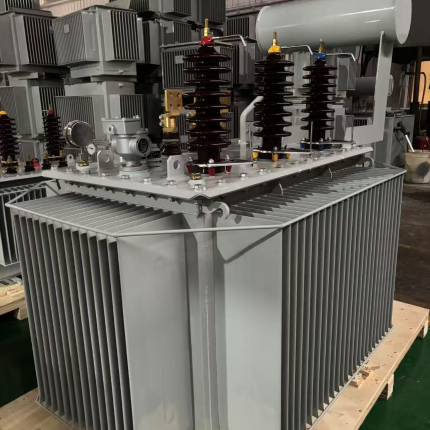
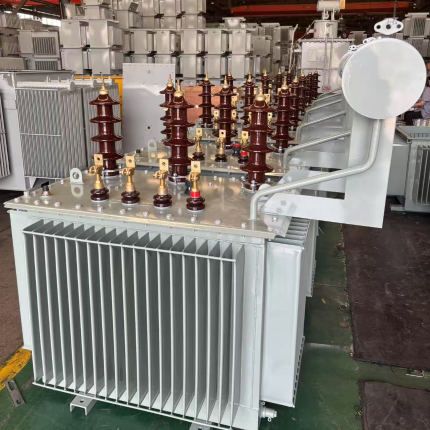
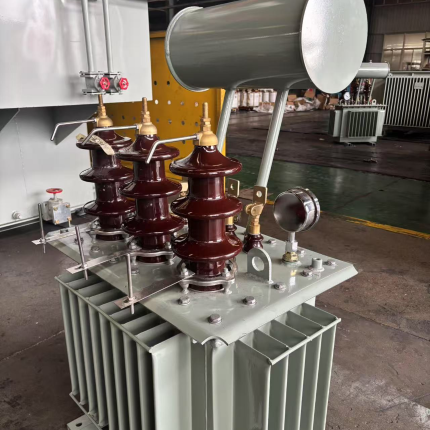
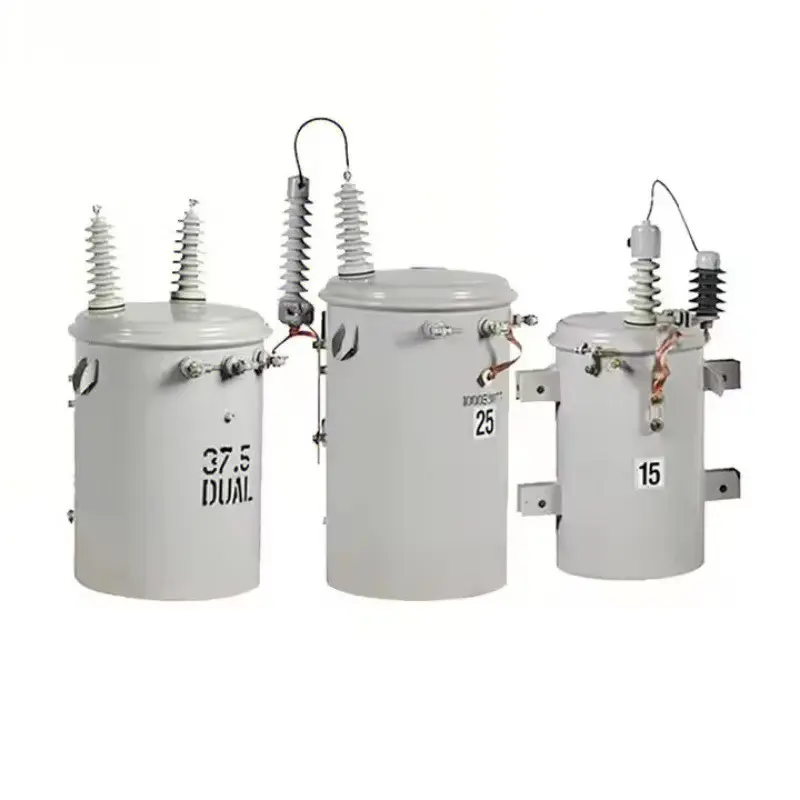
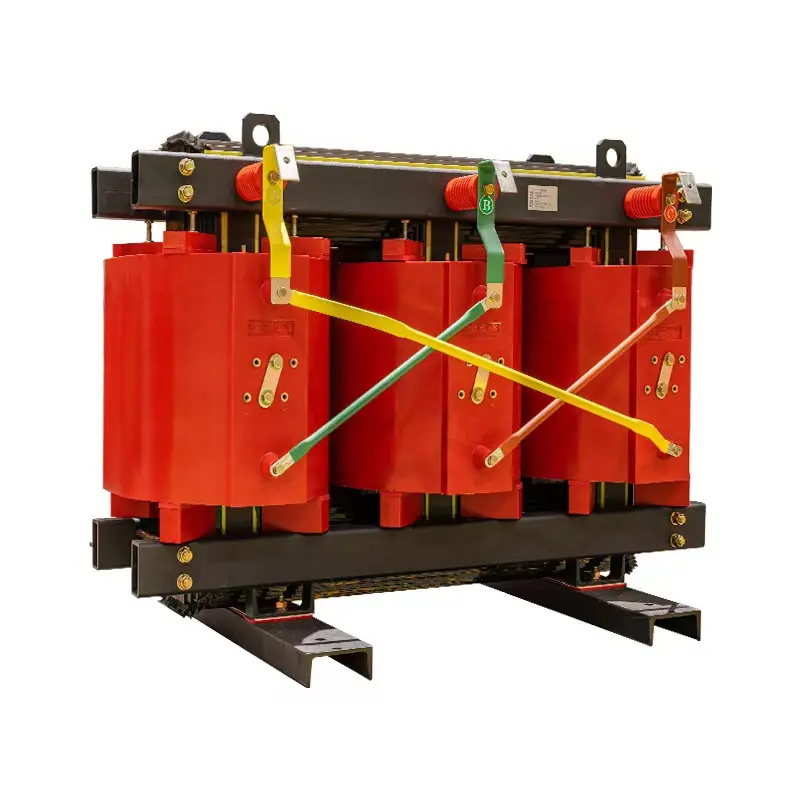
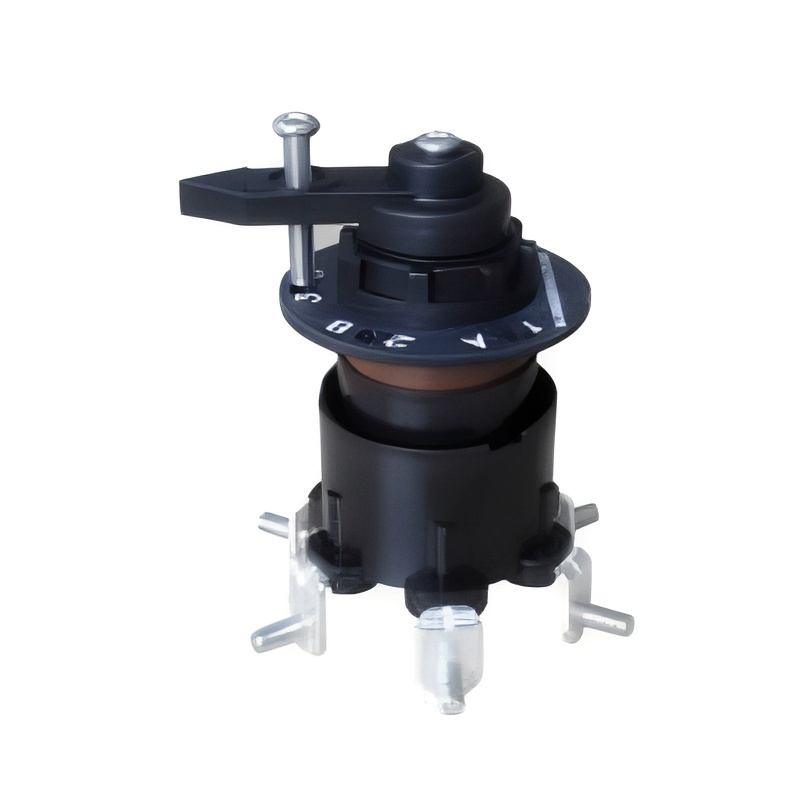
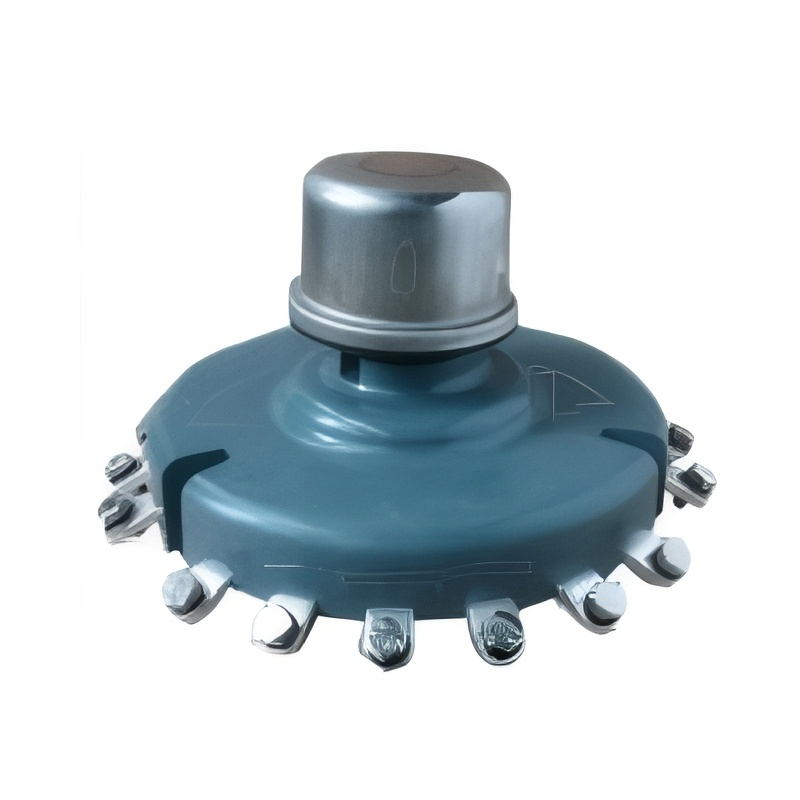
Transformers are essential electrical devices that transfer electrical energy between circuits through electromagnetic induction. The main types include power transformers, distribution transformers, and instrument transformers, each serving specific purposes in electrical systems. Power transformers are large units used in power generation stations and substations, handling high voltage transmission. Distribution transformers reduce voltage levels for commercial and residential use, typically mounted on utility poles or in underground vaults. Instrument transformers, including current and potential transformers, provide accurate measurements for metering and protection systems. Auto-transformers offer space-efficient solutions for voltage adjustment, while isolation transformers provide electrical separation between circuits for safety. Special application transformers include audio transformers for sound systems, RF transformers for radio frequency applications, and three-phase transformers for industrial power systems. These devices incorporate various technological features such as oil or dry-type cooling systems, tap changers for voltage adjustment, and protective components. Modern transformers often include digital monitoring systems, temperature sensors, and smart grid compatibility features for enhanced performance and reliability.

New Products

Transformers offer numerous advantages across different applications, making them indispensable in modern electrical systems. Power transformers enable efficient long-distance power transmission by stepping up voltage levels, significantly reducing transmission losses and operating costs. Distribution transformers provide reliable voltage conversion for safe power delivery to homes and businesses, featuring robust construction for outdoor installation and minimal maintenance requirements. Instrument transformers ensure accurate power measurement and system protection, critical for billing and safety applications. Modern transformer designs incorporate advanced materials and construction techniques, resulting in improved energy efficiency and reduced environmental impact. Smart transformers with monitoring capabilities enable predictive maintenance, reducing downtime and extending equipment life. The modular design of many transformer types facilitates easy installation and replacement, while compact designs save valuable space in urban installations. Safety features such as thermal protection and short-circuit resistance provide peace of mind for operators and end-users. The long service life of quality transformers, often exceeding 25 years with proper maintenance, ensures excellent return on investment. Additionally, the availability of various cooling methods and installation options allows for customization based on specific application requirements.

Latest News

Exceptional Supply Chain Integration, Empowering Efficient Transformer Delivery

29

Dec

Exceptional Supply Chain Integration, Empowering Efficient Transformer Delivery

View More
Xuning Leads the New Chapter of Trade by Integrating Resources Amidst Transformer Industry Transformation

29

Dec

Xuning Leads the New Chapter of Trade by Integrating Resources Amidst Transformer Industry Transformation

View More
The Pioneer of Resource Integration in the Transformer Trade Field

29

Dec

The Pioneer of Resource Integration in the Transformer Trade Field

View More

Get a Free Quote

Our representative will contact you soon.
Email
Name
Mobile/WhatsApp
Company Name
Message
0/1000

types of transformers and their applications

Advanced Monitoring and Control Systems

Advanced Monitoring and Control Systems

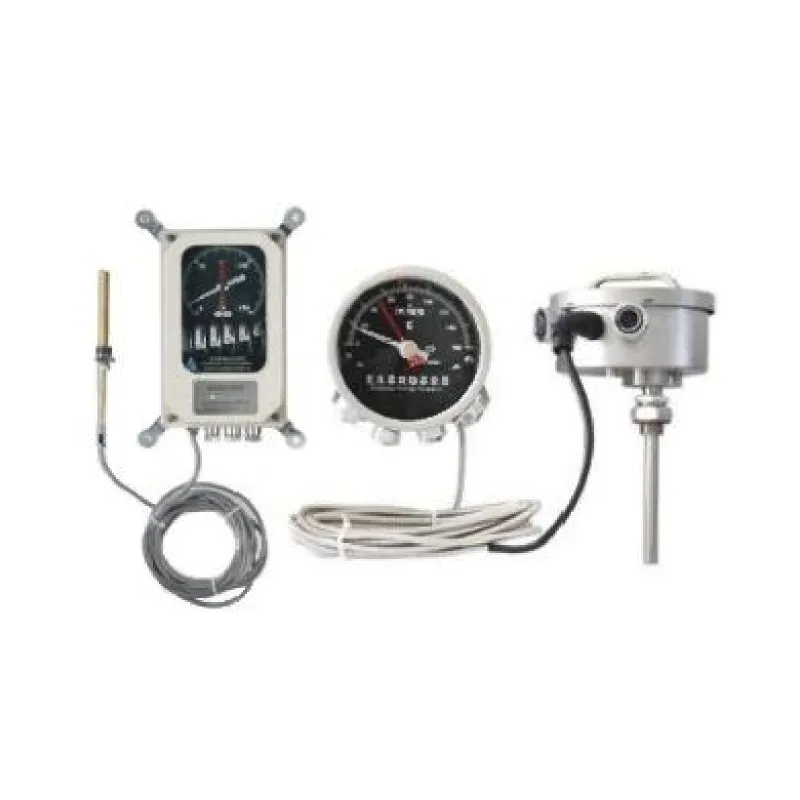
Modern transformers incorporate sophisticated monitoring and control systems that revolutionize maintenance and operation. These systems include real-time temperature monitoring, load management capabilities, and predictive maintenance algorithms. Digital sensors continuously track key parameters such as oil temperature, winding temperature, and load conditions, providing operators with comprehensive performance data. This advanced monitoring enables early detection of potential issues, preventing costly failures and extending equipment life. The integration with smart grid systems allows for remote monitoring and control, reducing operational costs and improving system reliability. Automated alarm systems alert operators to abnormal conditions, enabling prompt response to potential problems.
Energy Efficiency and Environmental Benefits

Energy Efficiency and Environmental Benefits

Contemporary transformer designs prioritize energy efficiency and environmental sustainability. High-efficiency cores made from advanced silicon steel grades minimize energy losses during operation, resulting in significant cost savings over the transformer's lifetime. The use of biodegradable insulating fluids instead of traditional mineral oil reduces environmental risks and simplifies maintenance procedures. Modern design techniques optimize material usage while maintaining performance, reducing the overall environmental footprint of manufacturing and operation. Energy-efficient transformers contribute to reduced carbon emissions and lower operating costs, making them an environmentally responsible choice for power distribution systems.
Reliability and Safety Features

Reliability and Safety Features

Transformer reliability and safety are enhanced through multiple integrated protection features. Comprehensive overcurrent protection systems prevent damage from electrical faults, while thermal protection systems monitor and control operating temperatures. Advanced cooling systems, including natural oil circulation and forced air cooling, ensure optimal operating conditions under various load conditions. Safety features such as pressure relief devices and automatic shutdown systems protect both equipment and personnel. The robust construction includes reinforced tank designs and seismic qualification for critical installations. These safety features, combined with regular maintenance programs, ensure long-term reliable operation and minimize the risk of failures.
Comprehensive Guide to Modern Transformer Types, Applications, and Advanced Features

Get a Free Quote

Our representative will contact you soon.
Email
Name
Mobile/WhatsApp
Company Name
Message
0/1000