types of transformer and their uses
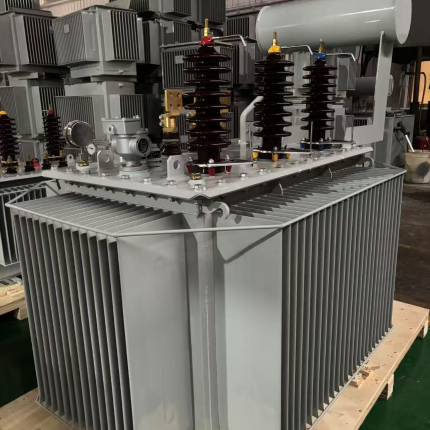
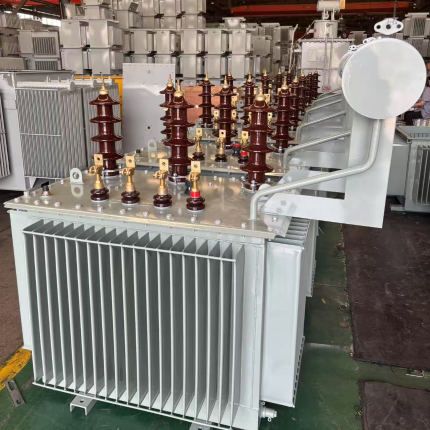
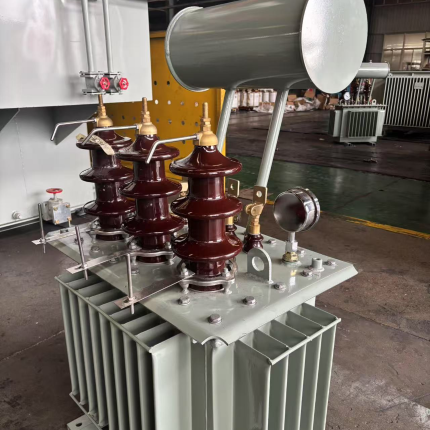
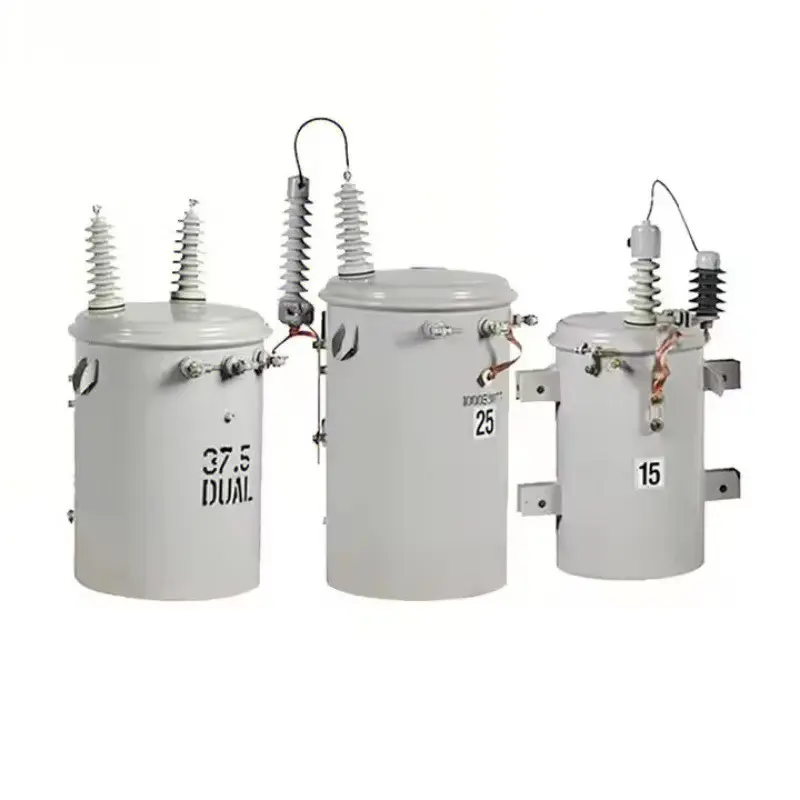
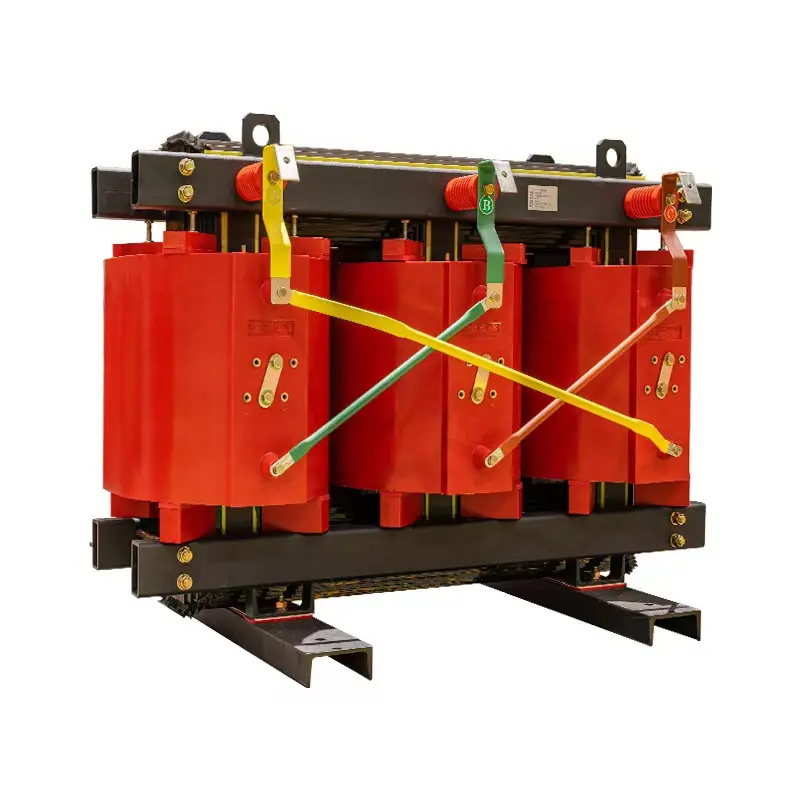
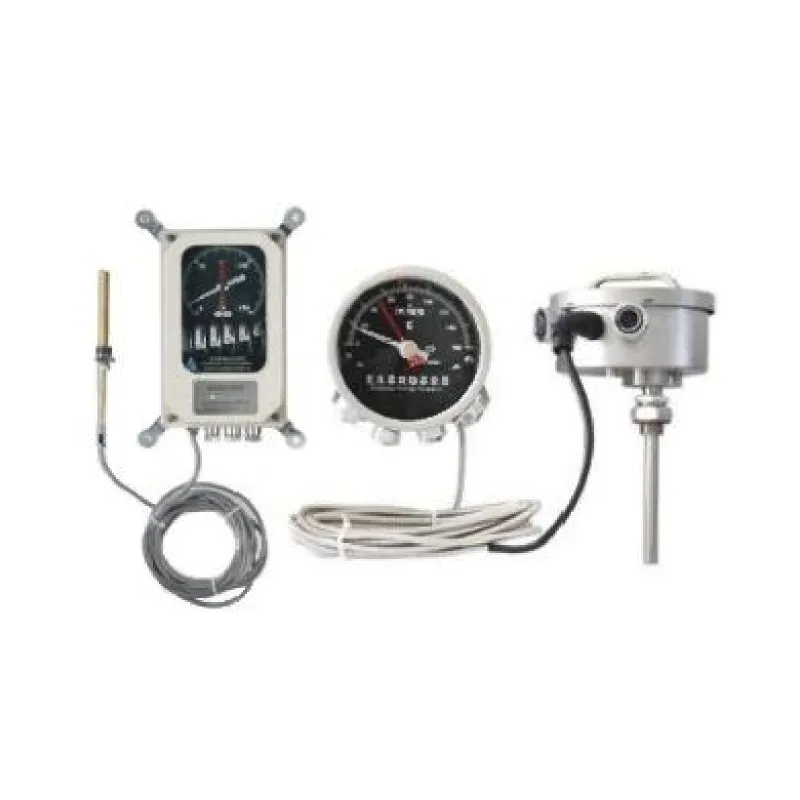
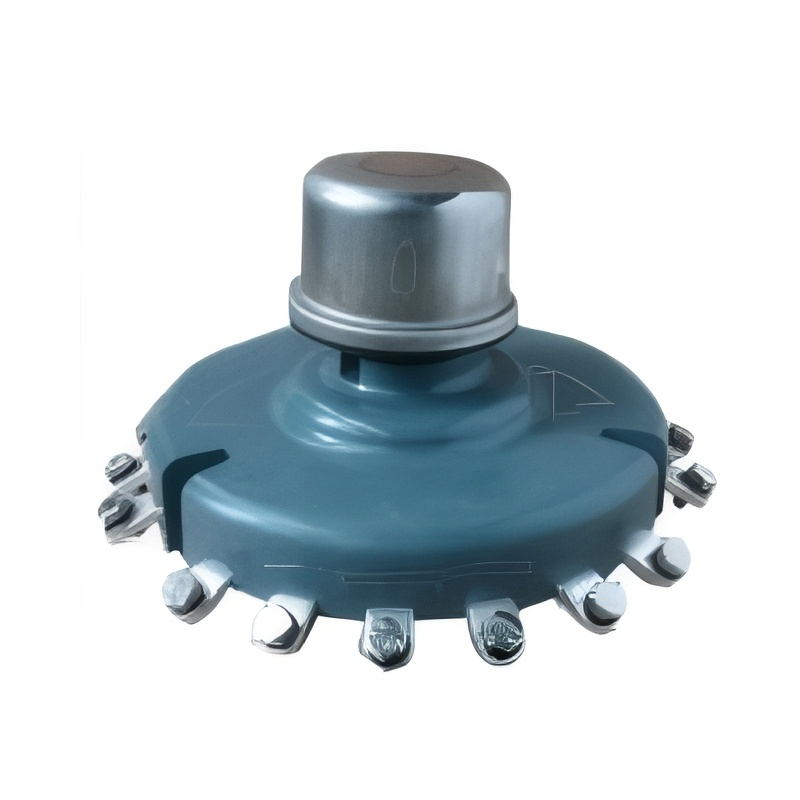
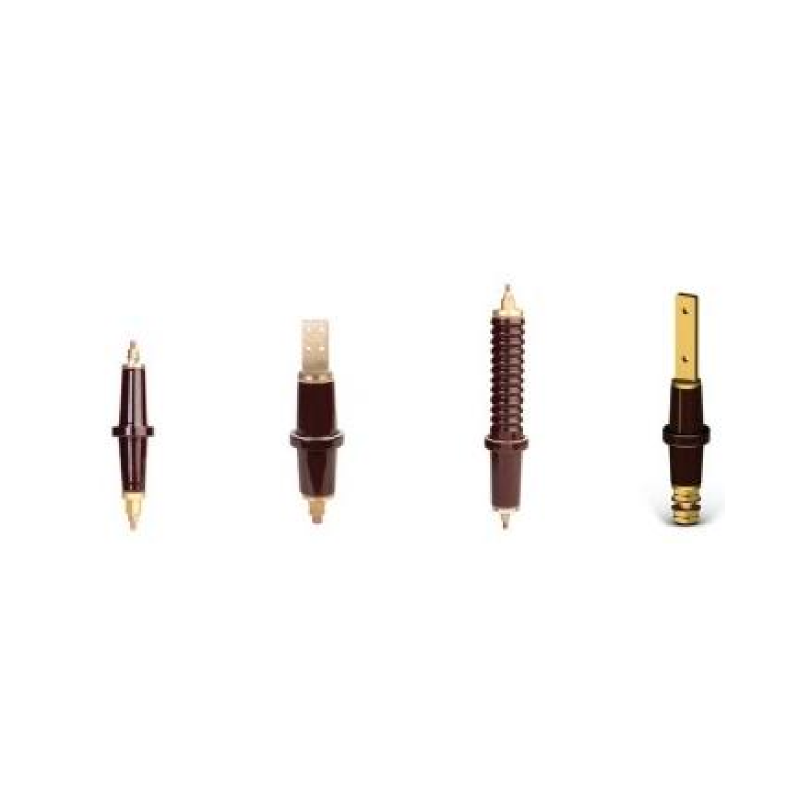
Transformers are essential electrical devices that transfer electrical energy between circuits through electromagnetic induction. There are several primary types, each serving distinct purposes. Power transformers handle high voltages in electrical grids, converting voltage levels for efficient power transmission. Distribution transformers step down voltage for residential and commercial use. Isolation transformers provide electrical separation between circuits for safety. Autotransformers offer variable voltage output with a single winding. Instrument transformers measure high currents and voltages safely. Step-up transformers increase voltage for long-distance power transmission, while step-down transformers reduce voltage for local distribution. Electronic transformers serve in consumer electronics, providing low-voltage power for devices. Pulse transformers handle digital signals in communications equipment. Each type features specific core materials, winding configurations, and cooling systems optimized for their intended applications. Modern transformers incorporate advanced monitoring systems, efficient cooling mechanisms, and sophisticated protection features to ensure reliable operation and extended service life.
 EN
EN