 EN
EN

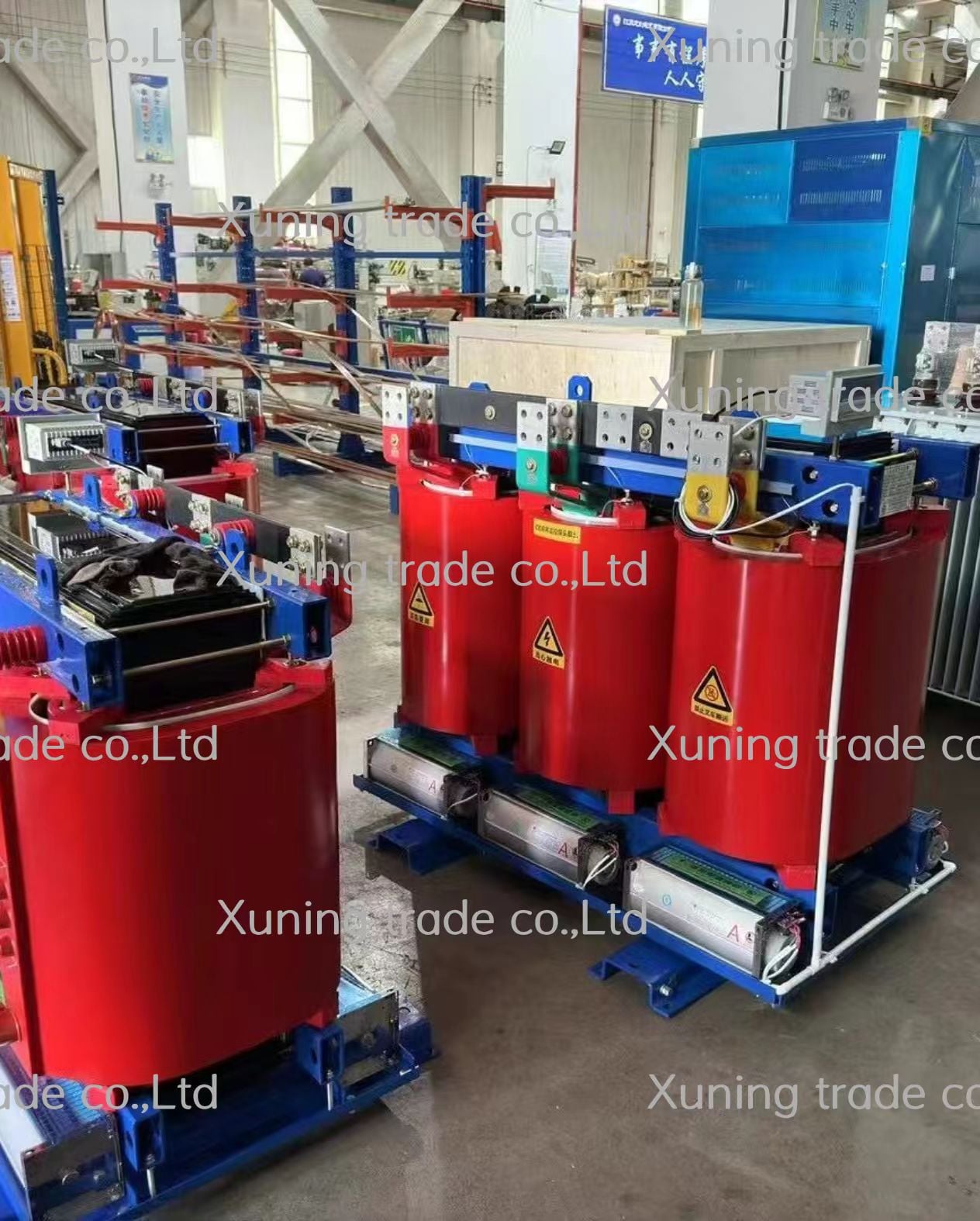
Power transformer units form the backbone of modern electrical infrastructure, serving as the essential intermediaries that enable reliable energy delivery across vast distances. These sophisticated devices transform high-voltage electricity into manageable levels suitable for distribution and consumption, making them indispensable to the functioning of contemporary power grids. Understanding why power transformer units are critical reveals much about how nations maintain stable energy systems and support economic growth through dependable electricity supply.

The significance of power transformer units extends far beyond simple electrical conversion. They represent critical infrastructure that determines whether energy can be transmitted efficiently from generation sources to end consumers, whether industrial facilities operate safely, and whether entire regions experience blackouts or stable power. Modern economies depend entirely on the seamless operation of power transformer units, making their reliability, maintenance, and technological advancement central concerns for utility companies, industrial operators, and energy planners worldwide.
Voltage Regulation and System Efficiency
The Primary Role of Power Transformer Units in Voltage Control
Power transformer units perform the critical function of stepping voltage up and down at precisely calibrated ratios determined by grid requirements. At generation stations, power transformer units elevate voltage to extremely high levels, sometimes exceeding 500 kilovolts, enabling electricity to traverse hundreds of miles with minimal losses. This stepping-up capability of power transformer units directly reduces resistive losses that would otherwise dissipate enormous amounts of energy as heat during transmission.
When electricity approaches distribution zones, different power transformer units step voltage down to levels appropriate for regional networks and local substations. This multi-stage voltage transformation managed by power transformer units ensures that sensitive equipment receives electricity within safe operating ranges while simultaneously maximizing the distance electricity can travel efficiently. Without properly functioning power transformer units, voltage regulation becomes impossible, leading to equipment damage, service interruptions, and safety hazards across the electrical grid.
Energy Losses and Economic Impact
The efficiency gains provided by power transformer units generate enormous economic benefits across electrical systems. High-voltage transmission enabled by power transformer units reduces resistive losses by factors of ten compared to lower-voltage alternatives. For major utilities managing billions of kilowatt-hours annually, the difference between systems with optimized power transformer units and inferior alternatives represents hundreds of millions of dollars in avoided energy waste annually.
Power transformer units with modern core designs and advanced winding configurations achieve efficiency levels exceeding ninety-eight percent, meaning less than two percent of energy converts to waste heat during transformation. When multiplied across thousands of power transformer units operating continuously throughout electrical networks, these efficiency improvements prevent blackouts caused by insufficient capacity and reduce the overall carbon footprint of electricity delivery systems.
Grid Stability and Fault Protection
Maintaining System Balance Through Power Transformer Units
Power transformer units serve as stabilizing elements that maintain voltage consistency throughout interconnected grids. When demand surges unexpectedly or generation sources fluctuate, power transformer units absorb immediate stress through their electromagnetic properties, preventing cascading voltage swings that trigger widespread outages. The inertia inherent in power transformer units provides critical seconds of stability that allow protective relays and control systems to respond appropriately to disturbances.
Modern power distribution increasingly incorporates renewable sources like wind and solar, which generate variable output depending on weather conditions. Power transformer units equipped with advanced tap-changing controls automatically adjust transformation ratios in response to real-time voltage variations, enabling the grid to absorb renewable generation without destabilizing the system. This adaptive capacity of power transformer units proves essential as utilities worldwide transition toward cleaner energy sources.
Fault Isolation and Safety Functions
Power transformer units incorporate multiple built-in protection mechanisms that prevent faults from propagating throughout distribution networks. When short circuits or overload conditions occur on one section of the grid, protective devices associated with power transformer units isolate the affected area, preventing the fault from cascading to other regions. This compartmentalization maintained by power transformer units ensures that localized problems do not trigger widespread blackouts affecting entire cities or regions.
The thermal protection systems integrated into power transformer units detect dangerous temperature increases caused by overloads or cooling system failures. These safeguards trigger automatic load shedding or equipment shutdown before damage occurs, preserving transformer integrity and preventing fires that could damage surrounding infrastructure. The combination of electrical and mechanical protection features built into power transformer units represents essential safety infrastructure protecting communities and industrial operations from catastrophic failures.
Infrastructure Resilience and Long-Term Planning
Capacity and Growth Considerations
Utilities must anticipate future demand when planning power transformer unit deployments, requiring investments years before capacity becomes necessary. Power transformer units represent significant capital investments, often costing hundreds of thousands to millions of dollars for large units serving major distribution hubs. Decisions about which power transformer units to install reflect forecasts about regional economic development, population growth, and industrial expansion, making these choices critical to enabling sustainable growth.
Undersized power transformer units force utilities to operate near maximum capacity continuously, reducing equipment lifespan and increasing failure risk. Oversized power transformer units waste resources and operate inefficiently at partial loads. Optimal power transformer unit sizing requires sophisticated load forecasting and grid modeling to balance availability against economic efficiency. The correct sizing of power transformer units determines whether regions experience reliable energy availability or face capacity constraints limiting growth.
Maintenance and Asset Management
Power transformer units represent some of the most valuable and difficult-to-replace assets in electrical infrastructure. Replacing a major power transformer unit requires specialized equipment, expert technicians, and weeks of planning to minimize disruption to customer service. Preventive maintenance programs for power transformer units monitor oil quality, temperature trends, and electrical performance, enabling utilities to schedule maintenance during low-demand periods and replace aging power transformer units before catastrophic failures occur.
Asset management systems tracking power transformer units throughout their operational lifespans provide utilities with data for replacement planning and risk mitigation. power transformer units with advanced diagnostic capabilities report detailed operational metrics enabling condition-based maintenance instead of fixed-interval replacement. This data-driven approach to power transformer unit management extends equipment lifespans, reduces unexpected failures, and optimizes capital spending across utility budgets.
FAQ
Why can't power transformer units be avoided in modern electrical systems?
Power transformer units are not optional components in electrical grids; they are fundamental to how electricity generation, transmission, and distribution operate. The physics of electrical power transmission requires stepping voltage up for long-distance transmission to minimize losses, then stepping voltage down for distribution and consumption. No alternative technology performs these essential functions, making power transformer units absolutely critical to every electrical system worldwide.
How do power transformer units prevent cascading blackouts?
Power transformer units contribute to blackout prevention through multiple mechanisms including voltage stabilization, fault isolation, and protective relay coordination. When disturbances occur, the electromagnetic properties of power transformer units provide momentary stability allowing control systems to respond. Properly designed protection systems integrated with power transformer units isolate faults before they propagate to other grid sections, preventing small problems from triggering regional outages.
What determines the lifespan of power transformer units?
Power transformer unit lifespan depends on thermal stress, moisture content in insulation materials, load profiles, and maintenance quality. Most power transformer units last forty to fifty years with proper care, though some operate for seventy years or longer. Overloading, poor cooling, and deferred maintenance dramatically shorten power transformer unit lifespans, making operational discipline and preventive maintenance essential to maximizing infrastructure value.
