 EN
EN

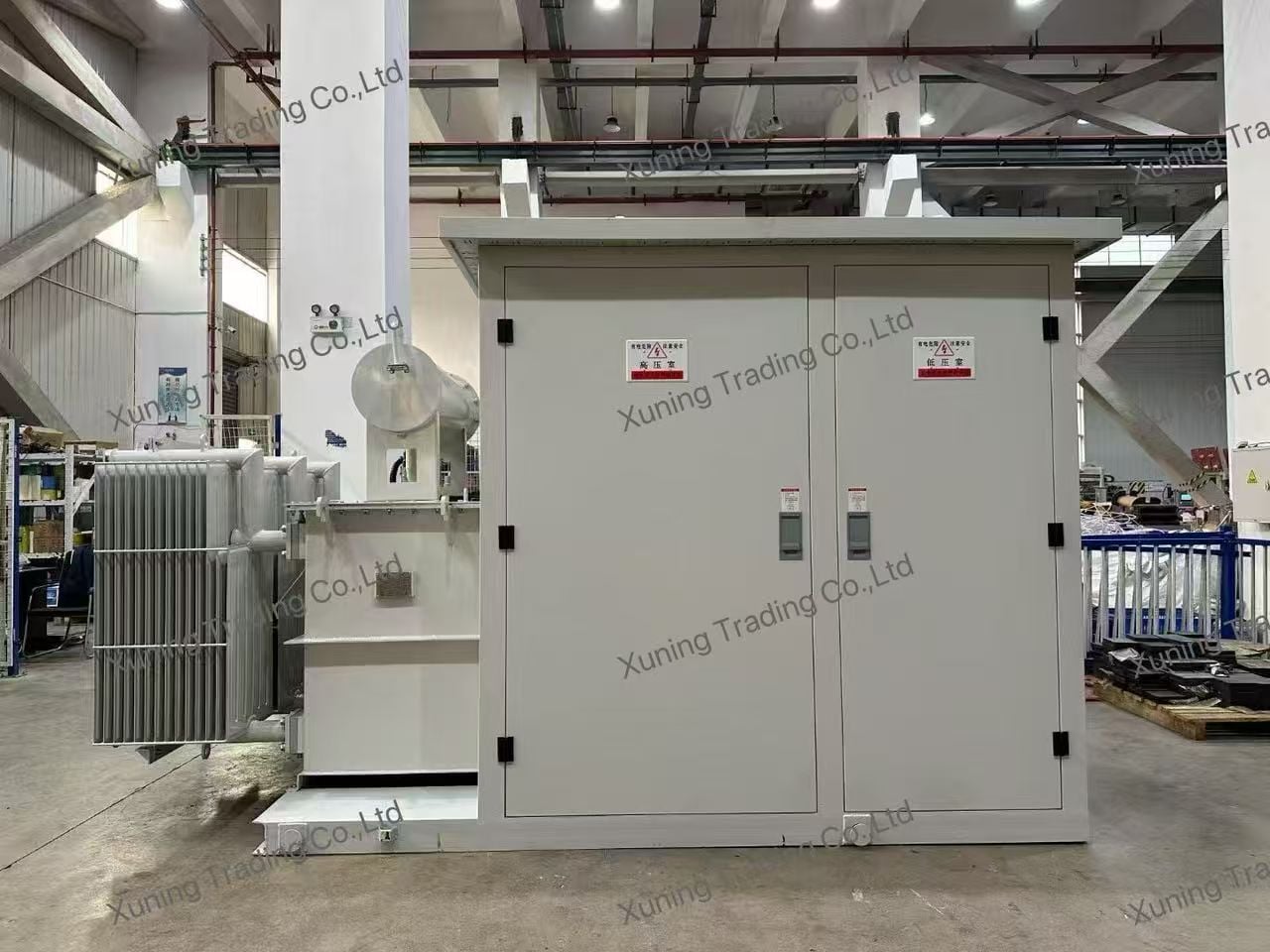
Power transformer efficiency stands as one of the most critical factors in modern electrical transmission systems. When utilities and industrial facilities optimize power transformer efficiency, they reduce energy losses, lower operational costs, and improve grid reliability. The question of how to enhance power transformer efficiency extends far beyond simple maintenance—it involves understanding the fundamental mechanisms that govern transformer performance, recognizing where losses occur, and implementing targeted strategies to maximize power transformer efficiency across your infrastructure.

Understanding how power transformer efficiency impacts your transmission network requires a clear grasp of both technical performance metrics and real-world operational implications. Every percentage point of improvement in power transformer efficiency translates directly to reduced energy waste, lower carbon emissions, and measurable financial savings. This article explores the mechanisms driving power transformer efficiency, examines the specific pathways to improvement, and addresses practical implementation strategies that enable facility managers and engineers to make informed decisions about transformer selection and operation.
Core Mechanisms Behind Power Transformer Efficiency
Understanding Transformer Losses and Energy Dissipation
Every power transformer experiences two primary loss categories: core losses and copper losses. Core losses, also called iron losses, occur within the transformer's magnetic circuit as electrical energy converts to heat through magnetic hysteresis and eddy currents. Copper losses happen in the transformer's windings due to resistance as electrical current flows through the conductor material. Together, these losses directly determine the overall power transformer efficiency rating that manufacturers publish. Modern power transformer efficiency typically ranges from 98% to 99.5%, meaning 1% to 2.5% of transmitted energy converts to heat rather than reaching the intended load.
Load Profile and Efficiency Performance Variation
Power transformer efficiency does not remain constant across all operating conditions. Transformers achieve peak power transformer efficiency at around 50% to 75% of their nameplate capacity, where the balance between core losses and copper losses optimizes. At very light loads, core losses dominate and reduce overall power transformer efficiency. At very heavy loads exceeding 90% capacity, copper losses surge due to increased current through the windings, similarly degrading power transformer efficiency. This performance profile means that proper load distribution and transformer sizing directly influence the achievable power transformer efficiency in your transmission network.
Practical Strategies to Enhance Power Transformer Efficiency
Material Selection and Core Technology Advancement
Upgrading to transformers with advanced core materials significantly improves power transformer efficiency. High-grade silicon steel and amorphous metal cores reduce hysteresis losses and eddy current generation compared to conventional steel. Power transformer efficiency improvements of 20% to 30% in core losses become achievable through superior magnetic materials. When selecting new transformers for critical transmission applications, specifying low-loss core materials directly supports your facility's efficiency targets. Modern manufacturers now produce transformers with efficiency ratings exceeding 99.5%, making material upgrades one of the most reliable pathways to enhanced power transformer efficiency.
Conductor Design and Cooling System Optimization
Copper losses in transformer windings decrease through larger conductor cross-sections and optimized winding geometries that reduce resistance. Enhanced cooling systems maintain lower winding temperatures, which further reduces resistance-based power transformer efficiency losses since copper conductivity improves at lower temperatures. Oil-cooled transformers with forced circulation systems achieve superior power transformer efficiency compared to naturally cooled units, particularly under continuous high-load conditions. Investing in transformers equipped with advanced cooling technology directly translates to sustained power transformer efficiency improvements throughout the transformer's operational lifespan.
Integration and Long-Term Performance Management
Preventive Maintenance and Condition Monitoring
Maintaining consistent power transformer efficiency requires systematic preventive maintenance and real-time condition monitoring. Insulation deterioration, moisture accumulation, and oil contamination all degrade power transformer efficiency over time. Regular oil analysis, thermal imaging, and dissolved gas analysis reveal developing problems before they significantly impact power transformer efficiency. Timely interventions such as oil dehydration, core grounding verification, and tap changer maintenance preserve the transformer's designed power transformer efficiency rating. Facilities that implement comprehensive monitoring programs consistently maintain power transformer efficiency levels within 0.5% of manufacturer specifications throughout multi-decade operational periods.
Operational Load Management and System Configuration
Operator practices directly influence the achievable power transformer efficiency within existing transformer infrastructure. Maintaining balanced three-phase loads minimizes phase imbalance losses that reduce overall power transformer efficiency. Distributing transmission loads across multiple transformers rather than overloading a single unit keeps all units operating within their peak power transformer efficiency zones. Strategic transformer placement within the network topology reduces transmission distances and associated losses, indirectly improving system-level power transformer efficiency. Software-based load forecasting enables operators to proactively redistribute loads and maintain optimal power transformer efficiency across the transmission network.
FAQ
What is considered good power transformer efficiency for modern industrial facilities?
Acceptable power transformer efficiency for contemporary transformers ranges from 98.5% to 99.5%, depending on transformer capacity and design specifications. Transformers rated at 99% or higher power transformer efficiency represent current best-in-class performance. Facility managers should specify transformers meeting efficiency standards that align with their energy cost targets and carbon reduction commitments. Higher power transformer efficiency ratings justify premium pricing through reduced operational costs over the transformer's 25 to 40-year lifespan.
How do transformer size and capacity affect power transformer efficiency?
Larger capacity transformers often achieve higher absolute power transformer efficiency percentages due to improved core-to-load ratios and economies of scale in conductor sizing. However, oversizing a transformer reduces power transformer efficiency during typical operating conditions when loads run below 50% capacity. Matching transformer capacity to actual load patterns proves critical for sustained power transformer efficiency. Most facilities optimize power transformer efficiency by right-sizing transformers to run 60% to 80% loaded during normal operations.
Can existing transformers be retrofitted to improve power transformer efficiency?
Full retrofitting of core components to improve power transformer efficiency is generally not economically feasible for existing transformers. Implementing enhanced cooling systems or upgrading insulation and monitoring equipment provides modest power transformer efficiency gains but cannot match the improvements offered by new high-efficiency transformers. When power transformer efficiency improvements become a priority, replacing older transformers with modern low-loss designs typically delivers better long-term value than attempting incremental retrofits. Lifecycle cost analysis comparing retrofit investments against replacement usually favors replacement when efficiency gains exceed 2% to 3%.
