 EN
EN

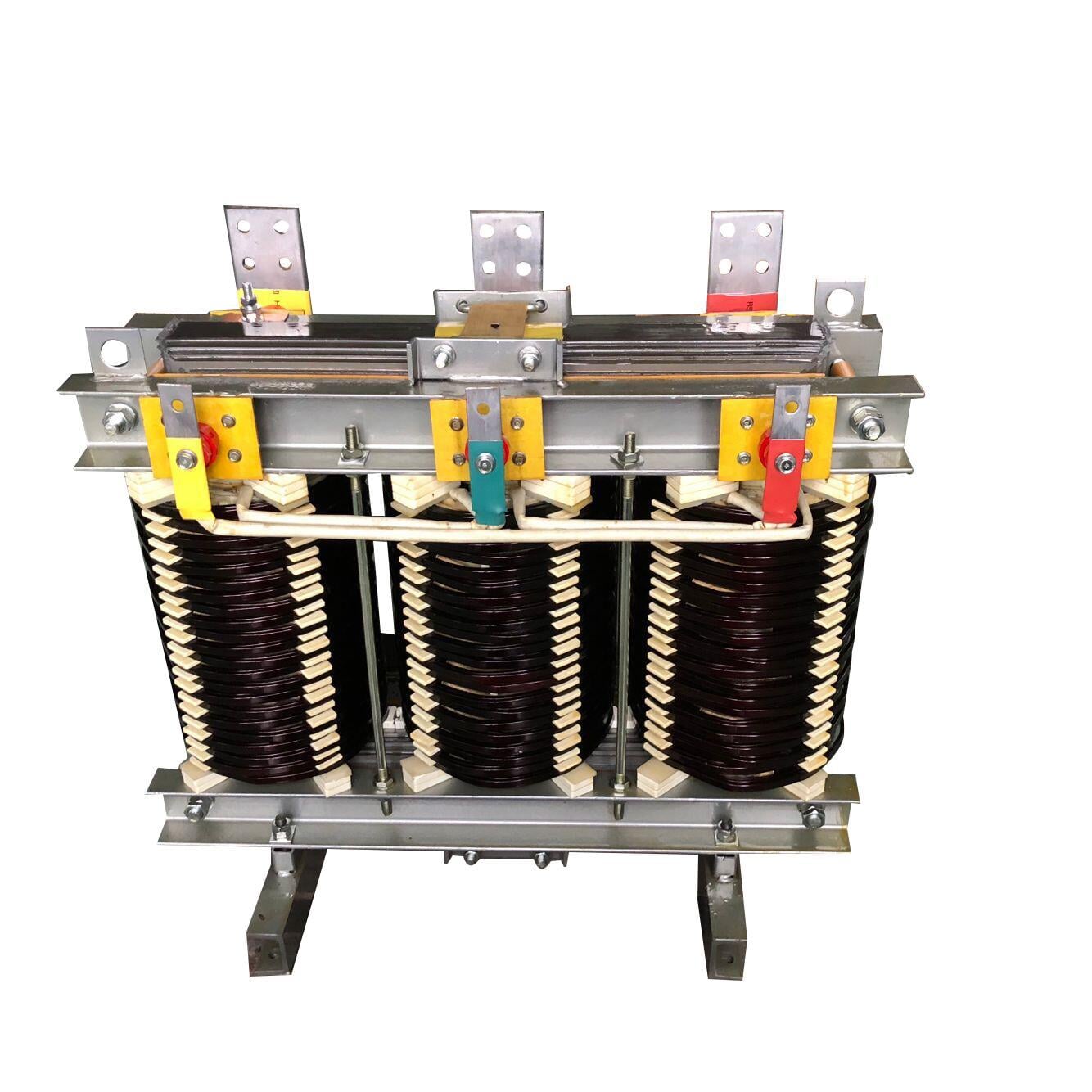
A power transformer is the backbone of modern electrical transmission infrastructure, enabling the efficient movement of electricity across vast distances at high voltages. Without power transformers, the generation and distribution of electrical energy would be fragmented and inefficient, unable to serve the scale demanded by industrial facilities, cities, and interconnected grids. Understanding how a power transformer supports high capacity transmission systems reveals the critical role this equipment plays in maintaining grid stability, minimizing energy loss, and ensuring reliable power delivery to end consumers.

The fundamental principle behind how a power transformer supports high capacity transmission lies in its ability to step up and step down voltage while maintaining energy conservation across magnetic coupling. As electricity is generated at power plants, a power transformer converts low voltage, high-current power into high voltage, low-current electricity suitable for long-distance transmission. This voltage transformation dramatically reduces resistive losses in transmission lines and enables the transport of massive amounts of power through smaller, more economical conductors. When that electricity reaches its destination, another power transformer steps the voltage back down to levels safe for industrial and residential use.
Voltage Step-Up and Long-Distance Efficiency
Core Function of the Power Transformer in Generation
At generation facilities, a power transformer is essential for converting the electrical output from turbines or generators into transmission-grade voltage. Most power plants generate electricity at voltages between 10 and 30 kilovolts, which is suitable for immediate use but far too low for efficient transmission over hundreds of kilometers. A power transformer increases this voltage to 115 kV, 230 kV, 345 kV, or even 765 kV, depending on the transmission network's capacity requirements. This step-up transformation is where a power transformer first demonstrates its value, making long-distance power transport economically viable by reducing energy dissipation proportional to the square of the current flowing through transmission lines.
Minimizing Transmission Losses Through Voltage Elevation
The relationship between current and power loss in transmission lines is governed by the formula P loss equals I squared times R, where I is current and R is line resistance. When a power transformer elevates voltage, it proportionally reduces current for the same amount of power being transmitted. For example, if a power transformer steps voltage up by a factor of ten, current is reduced by the same factor, and losses decrease by a factor of one hundred. This efficiency gain is why high-voltage transmission has become the standard for power systems. A power transformer operating at 345 kV or higher allows utilities to transmit several gigawatts across transmission corridors spanning multiple states, maintaining voltage stability and reducing operational costs that would otherwise be passed to consumers.
Voltage Step-Down and Grid Integration
The Role of Power Transformer in Distribution Networks
Once electricity traverses long transmission corridors through a power transformer stepped-up voltage network, secondary substations require step-down transformers to reduce voltage for distribution and use. A power transformer at this stage typically converts transmission-level voltage such as 138 kV or 230 kV down to subtransmission levels around 35 kV or 69 kV. From there, additional distribution transformers further reduce voltage to 12 kV, 4.8 kV, or ultimately 120/240 volts for residential and commercial applications. Each power transformer in this cascade serves to protect equipment downstream, prevent insulation breakdowns, and deliver usable power at appropriate voltage levels. Without this staged voltage reduction enabled by multiple power transformer units, attempting to use transmission-grade voltage directly at customer facilities would instantly destroy all connected electrical equipment.
Load Balancing and System Stability
A modern power transformer often incorporates on-load tap changers that allow voltage adjustment without disconnecting the equipment from the electrical grid. This capability enables a power transformer to maintain voltage stability across the transmission system even as load demand fluctuates throughout the day. When peak demand occurs, a power transformer automatically adjusts its turn ratio to compensate for voltage drops caused by increased current flow. Conversely, during low-demand periods, a power transformer can reduce voltage to avoid overvoltage conditions. This dynamic regulation performed by each power transformer in the network prevents cascading failures, protects sensitive industrial equipment, and ensures the grid operates within safe voltage bands, typically within plus or minus five percent of nominal voltage.
High Capacity Support and Power Rating Considerations
Sizing a Power Transformer for Maximum Throughput
High capacity transmission systems require a power transformer sized to handle peak load conditions with appropriate margin for future growth and contingency events. A large power transformer used in transmission might be rated for 300 megavolt-amperes, 500 megavolt-amperes, or even 1000 megavolt-amperes or more, depending on the region's electrical demand. The power transformer must be designed with cooling systems, insulation materials, and magnetic cores capable of sustaining these enormous power flows without overheating or degradation. Engineers select a power transformer based on the projected maximum power transfer, anticipated demand growth over ten to twenty years, and the consequences of transformer failure. Undersizing a power transformer creates bottlenecks and limits grid capacity, while oversizing increases capital costs and reduces efficiency under typical operating conditions.
Thermal Management and Reliability in Continuous Operation
A power transformer dissipates heat through core losses and copper losses as current flows through its windings and magnetic circuit. For high capacity transmission systems where a power transformer may operate continuously near its rated capacity, thermal management becomes critical to reliability and lifespan. Transformer cooling systems, such as oil-directed or forced-air cooling, circulate cooling medium to maintain winding temperatures below insulation limits, typically around 65 degrees Celsius for the hottest-spot winding temperature. power transformer units in high capacity applications undergo rigorous thermal testing and modeling before deployment to verify that cooling capacity matches expected operating conditions and ambient temperatures. Inadequate cooling of a power transformer can dramatically shorten insulation life, increase failure risk, and compromise network reliability.
System Protection and Operational Resilience
Fault Tolerance and Circuit Protection Integration
A power transformer forms the centerpiece of protection zones within transmission networks, with circuit breakers, current transformers, and monitoring systems positioned to detect and isolate faults before they cascade through the system. When a short circuit or abnormal condition occurs on one side of a power transformer, protective relays sense the resulting current surge and trip associated breakers, isolating the faulted section while allowing the rest of the grid to continue operating. A power transformer's physical design includes lightning arresters and surge suppressors that protect it from transient overvoltages caused by switching events or lightning strikes. The redundancy created by multiple power transformer units and alternative transmission paths ensures that failure of a single transformer does not black out entire regions, critical to modern grid resilience.
Monitoring and Predictive Maintenance of Power Transformer Assets
Utilities invest in diagnostic systems that continuously monitor a power transformer's health, including oil analysis, temperature sensors, and electrical parameter measurement. These systems provide early warning of degradation, enabling utilities to schedule maintenance or replacement of a power transformer before failure occurs. Dissolved gas analysis of transformer oil reveals incipient faults such as partial discharge, arcing, or overheating, allowing technicians to investigate and remediate issues before catastrophic failure. A well-maintained power transformer can operate reliably for four decades or longer, but neglecting diagnostics and maintenance significantly shortens operational life and increases failure risk. Predictive maintenance strategies driven by real-time data from a power transformer ensure optimal asset utilization, minimize unplanned outages, and extend equipment lifespan.
FAQ
Why is a power transformer essential in transmission systems rather than using direct generation voltage?
A power transformer is essential because direct generation voltage is too low for economical long-distance transmission. When a power transformer elevates voltage, it reduces current proportionally, and since transmission losses depend on current squared, a power transformer reduces losses by up to ninety-nine percent. This efficiency gain makes large-scale power networks financially viable. Without a power transformer stepping up voltage, resistive losses in transmission lines would convert massive amounts of electrical energy to waste heat, making power transmission prohibitively expensive and wasteful.
Can a single large power transformer serve an entire region's transmission needs?
While a single large power transformer can handle enormous power volumes, modern grids typically use multiple power transformer units and alternative transmission paths for resilience. A power transformer failure would leave an entire region without power if it were the only transmission link. By distributing load across multiple power transformer installations and maintaining redundant transmission corridors, utilities ensure that equipment maintenance or failure does not cascade into widespread blackouts. This architecture means a power transformer serves its function as part of an interconnected network rather than operating in isolation.
How do utilities choose between different power transformer voltage ratings for transmission?
Utilities select a power transformer voltage rating based on transmission distance, power volume, and existing grid infrastructure. Higher voltage ratings in a power transformer reduce losses over long distances but require more robust insulation and switching equipment, increasing cost. A power transformer operating at 765 kV suits long, heavily loaded transmission corridors, while a power transformer at 115 kV or 230 kV serves shorter regional connections. Utilities balance capital investment in a power transformer against operational efficiency, maintaining a mix of voltage levels that optimizes performance across diverse transmission requirements and load patterns.
