 EN
EN

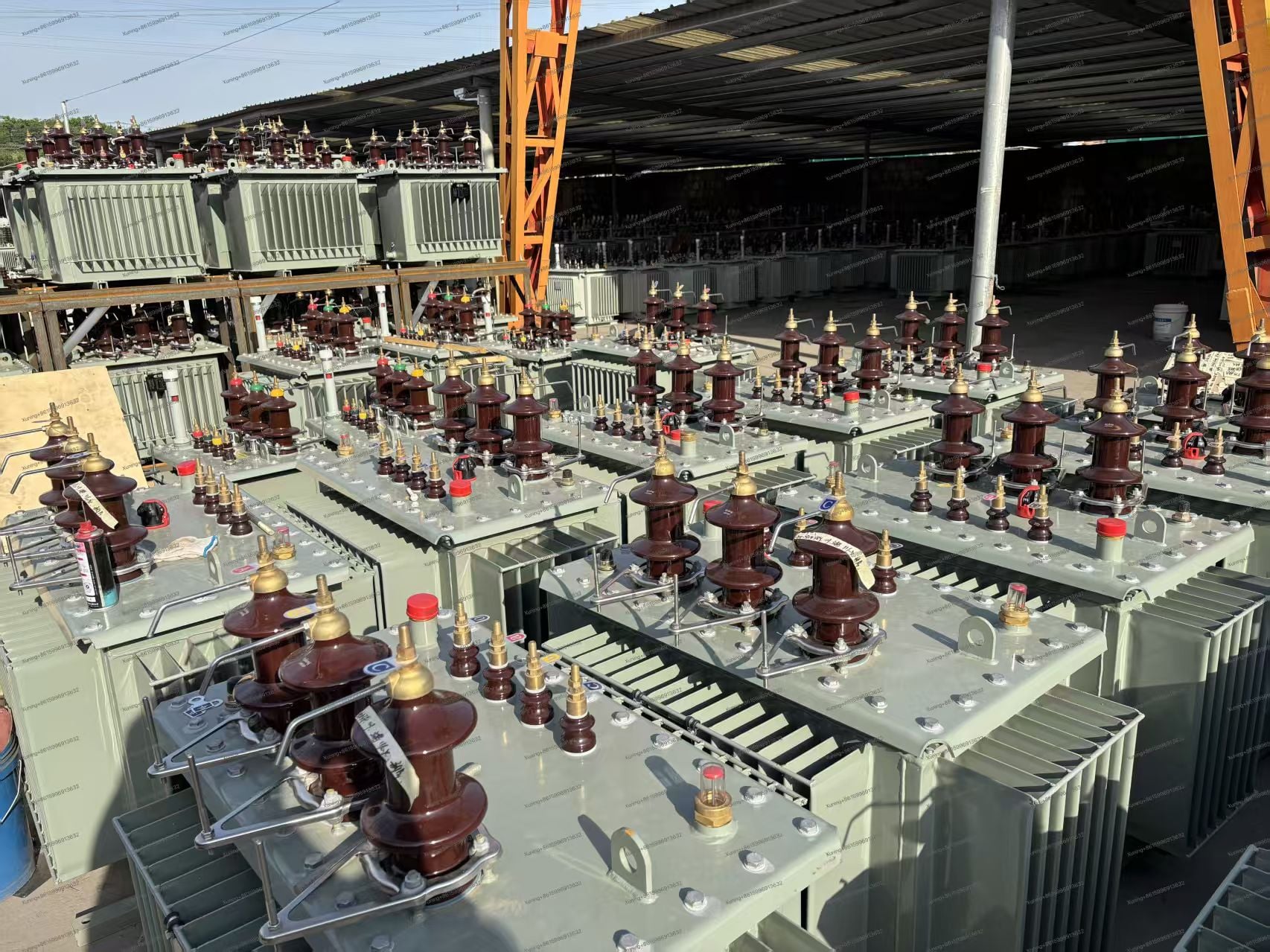
Maintenance expenses represent a significant portion of operational costs for industrial facilities, and equipment selection directly influences long-term budget requirements. A dry type transformer offers a compelling solution to reduce these expenses while improving facility reliability and safety. Unlike liquid-cooled alternatives, a dry type transformer operates without insulating oil, eliminating many maintenance challenges that drive costs upward over time. Understanding how a dry type transformer delivers cost savings requires examining the operational differences, durability advantages, and practical benefits that accumulate throughout its service life.

Industrial facilities depend on transformers to convert and distribute electrical power safely and efficiently. A dry type transformer provides a maintenance-friendly alternative that addresses the core cost drivers affecting traditional equipment. By choosing a dry type transformer, facility managers can substantially reduce unplanned downtime, eliminate hazardous fluid handling procedures, and minimize regulatory compliance burdens. The financial impact extends beyond direct maintenance spending to encompass labor efficiency, operational safety, and environmental liability protection.
Eliminating Oil-Related Maintenance and Environmental Liability
Oil Monitoring and Replacement Requirements
Traditional liquid-cooled transformers require continuous oil sampling, testing, and periodic replacement to maintain cooling performance and insulation integrity. A dry type transformer eliminates these recurring procedures, as the transformer cooling medium is air rather than oil. Without oil circulation systems, a dry type transformer requires no fluid testing schedules, oil disposal protocols, or fluid quality management programs. Facility technicians no longer need specialized training in oil handling, sampling procedures, or disposal compliance, directly reducing labor costs and administrative overhead associated with transformer operation.
Oil replacement represents a substantial ongoing expense, particularly for large capacity equipment serving industrial loads. The cost of premium transformer oil, combined with disposal fees and labor for draining and refilling procedures, creates annual expenses that accumulate significantly over decades of operation. A dry type transformer operates without these fluid replacement cycles, immediately eliminating one of the largest recurring maintenance line items. For facilities operating multiple transformers or replacement transformers over time, selecting a dry type transformer compounds the savings across all equipment in service.
Environmental Compliance and Spill Prevention
Oil-filled equipment carries environmental liability risk that requires secondary containment systems, spill prevention infrastructure, and emergency response planning. A dry type transformer eliminates the need for containment vessels, reducing capital investment in facility infrastructure and ground-level modifications. Without oil as a potential environmental contaminant, regulatory compliance requirements become simpler and less costly to maintain. Facility managers avoid potential fines, remediation expenses, and liability claims resulting from oil leaks or spills that could contaminate soil or groundwater.
Insurance premiums for facilities housing oil-filled transformers often reflect environmental risk exposure, with additional coverage required for potential spill scenarios. A dry type transformer installation may qualify for reduced insurance rates due to lower environmental liability, providing direct financial benefit beyond transformer-specific maintenance savings. Over a 25 to 30-year transformer service life, cumulative insurance savings can rival the initial equipment cost difference between oil-cooled and dry type solutions.
Improving Equipment Reliability and Reducing Unplanned Downtime
Simplified Cooling System Design
The cooling mechanism in a dry type transformer relies on passive air circulation and cooling fins rather than complex oil circulation pumps, filtration systems, and temperature control equipment. This simpler mechanical design means fewer components can fail, reducing the probability of unexpected equipment shutdown during critical production periods. A dry type transformer with its streamlined cooling architecture requires significantly fewer maintenance interventions than oil-cooled equipment with multiple active cooling components requiring regular service and potential replacement.
When cooling system failures occur in traditional transformers, repair timelines extend substantially due to the need for specialized maintenance teams, parts procurement, and complex reassembly procedures. A dry type transformer's straightforward design accelerates troubleshooting and repair processes when maintenance becomes necessary. Reduced repair duration directly translates to shorter production interruptions, protecting revenue and maintaining customer commitments during unexpected equipment issues.
Extended Service Life and Component Durability
A dry type transformer experiences less thermal stress than oil-cooled alternatives because air cooling operates at higher outlet temperatures while maintaining appropriate winding temperatures through improved insulation materials. The absence of oil degradation processes means the transformer core and windings maintain their electrical properties longer, extending overall equipment life by 5 to 10 years or more in many applications. Longer service intervals and extended equipment lifespan reduce the frequency of costly replacements, spreading capital expenditures across longer time periods and improving facility budget predictability.
Modern dry type transformer designs incorporate advanced insulation materials and construction techniques that enhance resistance to moisture, thermal cycling, and mechanical stress. These durable components withstand harsh industrial environments better than traditional designs, delivering consistent performance and requiring fewer emergency repairs or components upgrades throughout the transformer's operational lifetime. Facilities report reduced maintenance emergency calls, fewer weekend repair sessions, and improved overall equipment availability when operating dry type transformer equipment.
Reducing Labor Costs and Operational Complexity
Simplified Maintenance Procedures and Training Requirements
A dry type transformer requires less specialized maintenance training than oil-cooled alternatives, reducing the skill level and experience required for routine inspection and basic troubleshooting. Standard facility maintenance teams can handle fundamental tasks without hazardous materials certifications or specialized oil handling training. This simplified maintenance approach reduces labor costs by enabling broader staff utilization and reducing dependence on high-cost specialized contractors for routine procedures. Facility budgets benefit from the ability to distribute maintenance work across existing staff rather than requiring dedicated transformer specialists.
Maintenance schedules for a dry type transformer focus on visual inspection, environmental monitoring, and thermal monitoring rather than complex fluid analysis and component replacement procedures. These simplified tasks require less time per service interval, reducing total labor hours spent on transformer maintenance across monthly, quarterly, and annual maintenance cycles. Cumulative labor savings from simplified procedures contribute substantially to the total cost-of-ownership advantage delivered by dry type transformer technology throughout its service life.
Reduced Emergency Service and Contractor Dependency
Oil-cooled transformers frequently require emergency calls to specialized service contractors when unexpected failures occur, resulting in premium labor rates and extended service response times. A dry type transformer's simpler design enables in-house maintenance teams to perform troubleshooting and basic repairs without waiting for specialized contractor availability. This capability reduces emergency service costs, accelerates equipment recovery, and minimizes production interruptions during unexpected failures. Facilities with multiple dry type transformers develop enhanced internal expertise, further reducing reliance on external contractors and associated premium labor costs.
The predictability of dry type transformer maintenance requirements enables proactive budget planning and scheduled maintenance activities rather than reactive emergency spending. Facility managers can coordinate maintenance activities during planned production downtime, optimizing labor utilization and reducing the premium costs associated with emergency repairs. Over multiple years of operation, this improved maintenance predictability significantly reduces total maintenance spending compared to the unpredictable cost patterns typical of oil-cooled equipment.
FAQ
What makes a dry type transformer more cost-effective than oil-cooled transformers?
A dry type transformer reduces costs through eliminated oil replacement and monitoring expenses, simplified maintenance procedures requiring less specialized labor, reduced environmental liability and compliance expenses, and improved equipment reliability extending service life. The cumulative savings across these categories typically exceed the slightly higher initial purchase price of a dry type transformer within 5 to 10 years of operation, with continuing cost advantages throughout the equipment's 25 to 30-year lifespan.
How does a dry type transformer improve facility safety and reduce liability?
A dry type transformer eliminates flammable oil coolant, reducing fire risk and the need for extensive fire suppression infrastructure. The transformer requires no secondary containment systems for environmental protection, eliminating related capital costs and liability exposure. Staff safety improves because maintenance procedures no longer involve hazardous oil handling, high-temperature fluid exposure, or complex cleanup requirements. Lower insurance premiums reflect these reduced safety and environmental risks, providing direct financial benefits to facility operations.
Can a dry type transformer handle the same electrical loads as oil-cooled equipment?
Modern dry type transformer designs deliver equivalent electrical performance and load capacity compared to oil-cooled alternatives across the full range of industrial applications. A dry type transformer is suitable for indoor and outdoor installations, can handle peak loads comparable to traditional equipment, and maintains efficiency across varying temperature conditions. Facility engineers can confidently select a dry type transformer for existing applications without compromising electrical performance or equipment reliability.
