 EN
EN

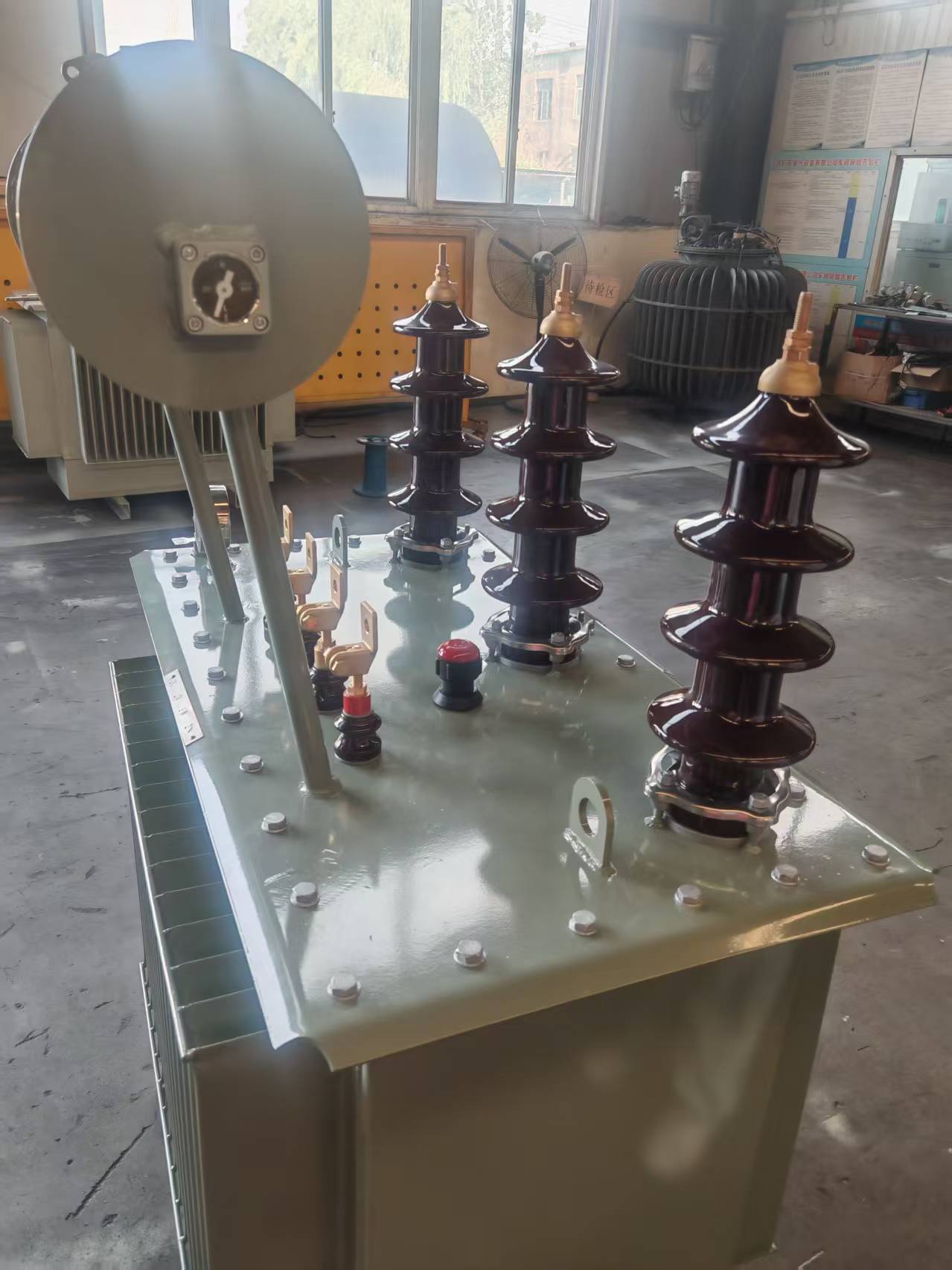
Industrial operations depend on reliable power delivery, and the high voltage transformer stands as one of the most critical components in modern manufacturing and energy infrastructure. A high voltage transformer enables the efficient transmission and distribution of electrical power across vast distances, stepping voltage levels up or down to match the specific requirements of different industrial processes and equipment. Understanding where and why a high voltage transformer is deployed across various sectors helps facility managers, engineers, and procurement teams make informed decisions about power infrastructure investment and system design.

The high voltage transformer has become indispensable in sectors ranging from utilities and heavy manufacturing to renewable energy integration and data centers. Each application places unique demands on transformer design, capacity, cooling methods, and environmental resilience. By examining the specific roles a high voltage transformer plays across different industries, organizations can better align their infrastructure choices with operational demands and regulatory requirements.
Power Generation and Utility Distribution
Stepping Voltage for Long-Distance Transmission
Electrical utilities rely on the high voltage transformer to move power from generation plants to regional distribution centers efficiently. When power is generated at conventional voltages, it experiences significant losses over long transmission distances. A high voltage transformer steps up the voltage to levels ranging from 115 kV to 765 kV or higher, dramatically reducing current flow and therefore reducing resistive losses in transmission lines. This voltage stepping is critical; without a high voltage transformer at the generation source, utilities would lose enormous amounts of energy as heat in the conductors, making power delivery economically unviable across wide geographic areas.
Substations and Local Distribution
At regional substations, another high voltage transformer steps the voltage back down to intermediate levels suitable for local distribution networks. This staged approach using multiple high voltage transformer installations allows utilities to optimize both transmission efficiency and safe delivery voltage at the consumer level. A high voltage transformer positioned at a substation may reduce voltage from 138 kV to 34.5 kV or similar intermediate levels, which then feeds into secondary networks that serve commercial and residential customers. This hierarchical system of high voltage transformer stations ensures stable, reliable power delivery across entire regions.
Heavy Manufacturing and Industrial Processing
Arc Furnaces and High-Power Industrial Loads
Steel mills, aluminum smelters, and other heavy manufacturing facilities operate equipment that demands enormous electrical power delivered at specific voltages. The high voltage transformer connects the facility's incoming utility supply to internal distribution systems, and specialized high voltage transformer units often support individual process loads such as electric arc furnaces, induction melting equipment, and large electrolytic cells. These industrial-duty high voltage transformer installations must withstand rapid load changes, harmonic distortions, and extreme thermal stress. A single high voltage transformer serving an arc furnace might handle power levels in the tens or hundreds of megawatts, making robust design and continuous monitoring essential for uninterrupted production.
Motor Drives and Mechanical Power Systems
Large industrial motors driving pumps, compressors, and rolling mills require stable power at controlled voltage levels. A high voltage transformer dedicated to motor drive systems ensures that voltage fluctuations on the incoming utility line do not disrupt production. By isolating the high voltage transformer from the main grid, manufacturers can maintain precise voltage control and protect sensitive equipment from transient disturbances. Many modern facilities employ multiple high voltage transformer units within a single plant to serve different process areas, each optimized for its particular load profile and duty cycle.
Renewable Energy Integration and Data Center Operations
Wind and Solar Power Interconnection
Renewable energy facilities such as wind farms and solar installations generate power at relatively modest voltages that must be stepped up for efficient grid connection. A high voltage transformer at each renewable site converts locally generated power to transmission-level voltage, allowing the energy to be delivered efficiently to distant load centers. The high voltage transformer enables small, distributed generation sources to participate meaningfully in regional and national power markets. As renewable generation capacity grows, the role of the high voltage transformer in smoothly integrating variable renewable sources into existing grids becomes increasingly important for system stability and cost-effective energy distribution.
Data Center Power Requirements
Modern data centers consume enormous quantities of electrical power and require exceptionally high reliability and voltage stability. The high voltage transformer steps down utility-supplied power to levels suitable for data center distribution systems while providing electrical isolation that protects sensitive computing equipment. A high voltage transformer serving a large data center must be designed for continuous operation with minimal downtime, often featuring advanced cooling systems and redundant monitoring equipment. The high voltage transformer in this application ensures that voltage quality remains within strict tolerances, preventing data loss, service interruptions, and hardware failures.
Healthcare Facilities and Critical Infrastructure
Hospital Power Systems and Emergency Backup
Healthcare facilities depend on uninterrupted power delivery for life-support equipment, surgical suites, and diagnostic imaging systems. The high voltage transformer delivers power from the utility grid to the hospital's internal electrical distribution network, while backup generators and battery systems ensure continuity during grid disturbances. A high voltage transformer in a hospital setting must maintain voltage within extremely tight tolerances and provide rapid switchover capability to backup power sources. The high voltage transformer also isolates the facility from external grid disturbances, protecting critical medical equipment from voltage sags, surges, and harmonic distortions that could compromise patient safety or data integrity.
Emergency Services and Infrastructure Protection
Police departments, fire stations, water treatment facilities, and other essential services require power systems that remain operational during emergencies and grid failures. A high voltage transformer supporting these critical facilities often incorporates isolation transformers and surge protection to shield equipment from electrical transients. The high voltage transformer provides the electrical foundation for facilities that must continue operating when the broader grid fails, ensuring that emergency response capabilities remain intact during natural disasters, equipment failures, or other crises.
FAQ
What voltage levels does a high voltage transformer typically operate at?
A high voltage transformer typically operates at voltage levels ranging from 1 kV to over 765 kV, depending on the application. Transmission-class high voltage transformer installations often operate at 115 kV, 230 kV, 345 kV, 500 kV, or higher, while distribution-level high voltage transformer units typically work at 10 kV to 69 kV ranges. Industrial applications may use medium-voltage high voltage transformer equipment at 2.4 kV to 34.5 kV levels. The specific high voltage transformer voltage class is selected based on the distance power must travel, the amount of power being transmitted, and the equipment at each end of the system.
How does a high voltage transformer improve transmission efficiency?
A high voltage transformer reduces transmission losses through a fundamental principle of electrical physics: power loss in a conductor is proportional to the square of the current flowing through it. By using a high voltage transformer to step up voltage, the same amount of power can be transmitted at much lower current levels. For example, transmitting 1,000 MW at 10 kV requires about 100,000 amperes, while transmitting the same power at 500 kV requires only 2,000 amperes through a high voltage transformer conversion. This dramatic reduction in current means substantially lower resistive heating losses in transmission lines, making long-distance power delivery economically feasible.
Can a high voltage transformer be used in renewable energy systems?
Yes, a high voltage transformer is essential for connecting renewable energy sources to the electrical grid. Wind turbines and solar installations generate power at local voltages, typically 690 V for wind or 400-600 V for large solar arrays, which must be stepped up for efficient transmission. A high voltage transformer converts this locally generated power to grid-compatible transmission voltages, often 69 kV or higher, enabling the renewable facility to deliver power cost-effectively across long distances. The high voltage transformer allows distributed renewable generation to participate in regional power markets while maintaining transmission efficiency and grid stability.
