 EN
EN

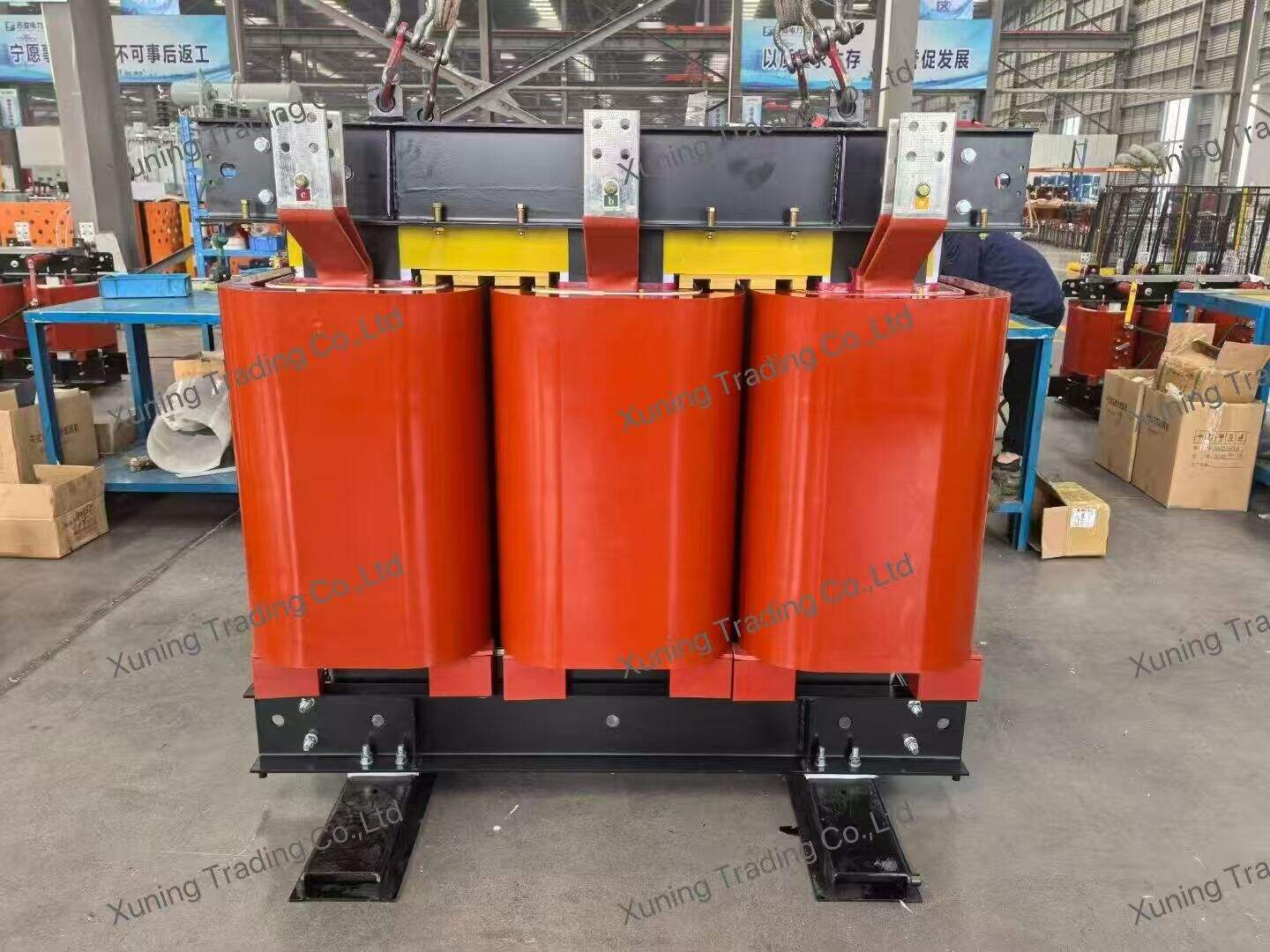
Power transformer safety systems rely heavily on specialized protective devices that monitor internal conditions and respond to potential failures. Among these critical components, pilot valves serve as essential pressure relief mechanisms that protect transformers from catastrophic damage during fault conditions. The operational characteristics and design requirements of pilot valves differ significantly between dry type and oil-immersed transformers due to the distinct operating environments and cooling media involved. Understanding these differences is crucial for engineers, maintenance professionals, and procurement specialists who work with transformer protection systems across various industrial applications.
Fundamental Design Differences in Pilot Valve Construction
Material Composition and Environmental Compatibility
The construction materials for pilot valves in dry type transformers must withstand direct exposure to ambient air conditions while maintaining reliable operation across temperature variations. These pilot valves typically feature corrosion-resistant alloys and specialized sealing materials designed to prevent moisture ingress and contamination. The valve bodies often incorporate stainless steel or aluminum alloy construction with enhanced surface treatments to resist oxidation and environmental degradation over extended operational periods.
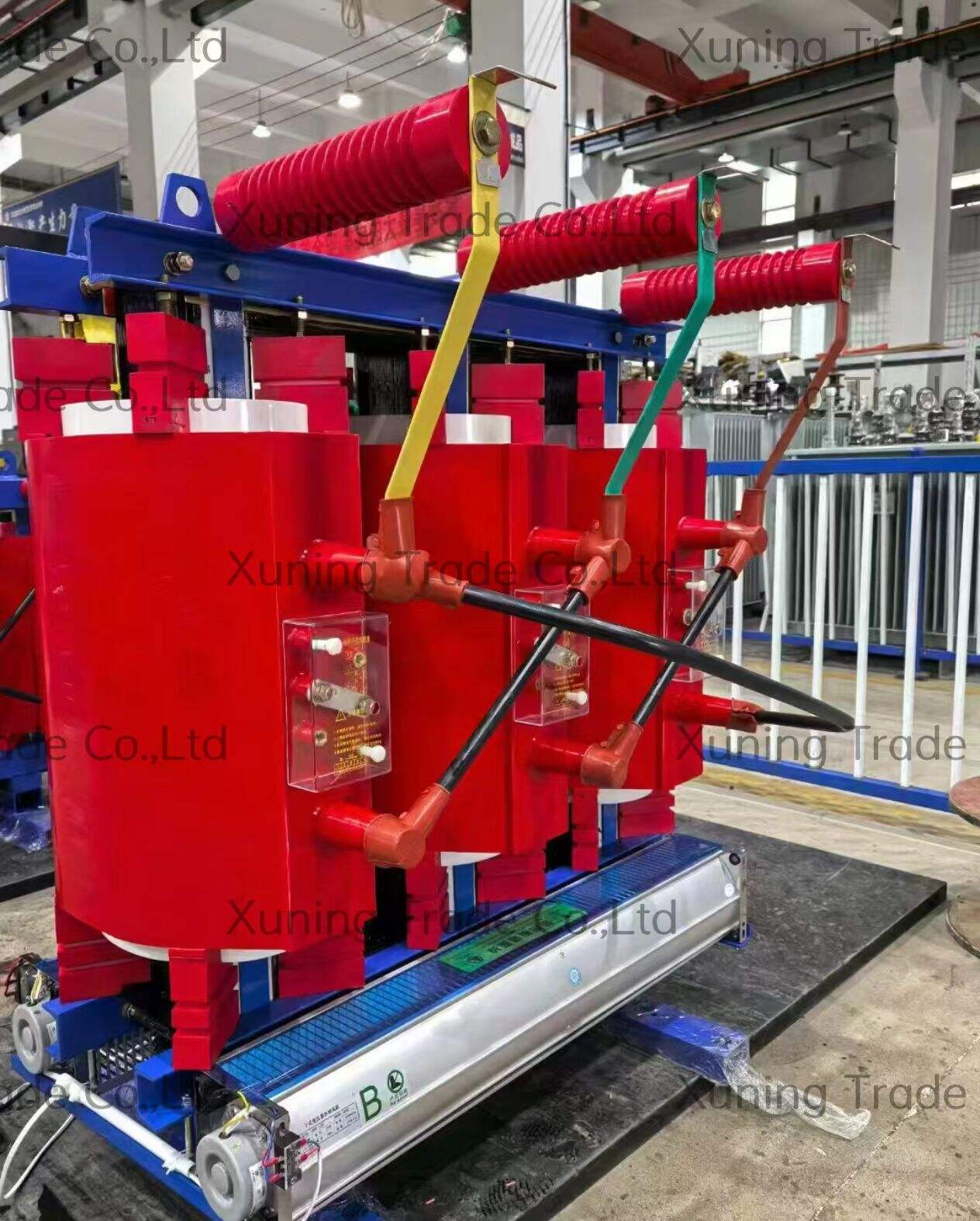
Conversely, pilot valves designed for oil-immersed transformers must demonstrate complete compatibility with transformer oil chemistry while maintaining operational integrity under submerged conditions. These specialized pilot valves utilize materials that resist oil degradation and chemical interaction, including specific elastomers and metal alloys that maintain their properties when continuously exposed to mineral oil or synthetic dielectric fluids. The material selection process for oil-immersed applications requires extensive testing to ensure long-term reliability without contributing to oil contamination or degradation.
Sealing Technology and Pressure Response Characteristics
Air-cooled transformer pilot valves incorporate sealing technologies optimized for gas pressure relief applications, where the primary concern involves managing air pressure fluctuations caused by thermal cycling and potential arcing events. These pilot valves feature precision-engineered spring mechanisms and diaphragm assemblies that respond accurately to predetermined pressure thresholds while preventing false activations during normal temperature variations. The sealing systems must maintain effectiveness across wide temperature ranges while preventing atmospheric contamination of the transformer interior.
Oil-immersed transformer pilot valves require sophisticated sealing technologies that function reliably in liquid environments while managing both oil pressure and gas pressure scenarios. These pilot valves incorporate specialized diaphragm materials and spring assemblies designed to operate effectively when submerged in transformer oil, responding to pressure increases caused by oil expansion, gas generation, or internal fault conditions. The sealing technology must prevent oil leakage during normal operation while providing reliable pressure relief when required.
Operational Response Mechanisms and Performance Parameters
Pressure Threshold Settings and Calibration Requirements
Dry type transformer pilot valves typically operate with lower pressure threshold settings compared to their oil-immersed counterparts, reflecting the different thermal expansion characteristics and pressure generation mechanisms in air-cooled systems. These pilot valves require precise calibration to respond effectively to pressure increases caused by thermal cycling, partial discharge events, or insulation degradation without triggering unnecessary alarms during normal operational variations. The calibration process must account for ambient temperature variations and seasonal changes that affect internal pressure conditions.
Oil-immersed transformers generate significantly higher internal pressures due to oil thermal expansion and potential gas evolution during fault conditions, necessitating pilot valves with higher pressure threshold settings and more robust response mechanisms. These pilot valves must distinguish between normal pressure fluctuations caused by load variations and temperature changes versus abnormal pressure increases indicating potential fault conditions. The calibration requirements involve complex considerations of oil properties, transformer design specifications, and environmental operating conditions to ensure optimal protection performance.
Response Time Characteristics and Flow Capacity
The response time requirements for pilot valves in dry type transformers emphasize rapid pressure equalization to prevent damage to insulation systems and internal components during fault events. These pilot valves must provide sufficient flow capacity to manage air pressure increases while maintaining structural integrity and preventing contamination ingress. The flow characteristics must accommodate both gradual pressure changes during normal operation and rapid pressure increases during fault conditions, requiring sophisticated valve design optimization.
Pilot valves in oil-immersed transformers face more complex response time requirements due to the viscosity characteristics of transformer oil and the potential for gas bubble formation during fault conditions. These pilot valves must provide adequate flow capacity for both oil and gas phases while maintaining precise pressure control and preventing excessive oil loss during pressure relief operations. The response characteristics must account for oil temperature variations that affect viscosity and flow behavior, ensuring consistent protection performance across operational temperature ranges.
Installation Considerations and Maintenance Requirements
Mounting Configurations and Accessibility
Dry type transformer installations typically provide better accessibility for pilot valve maintenance and inspection due to the open construction design and absence of oil containment requirements. These pilot valves can be mounted in positions that facilitate routine maintenance activities while ensuring optimal pressure sensing and relief functionality. The installation process involves considerations of environmental protection, electrical clearances, and maintenance accessibility without the complications associated with oil containment systems.
Oil-immersed transformer pilot valve installations require careful consideration of oil containment, environmental protection, and specialized maintenance procedures due to the liquid-filled environment. These pilot valves must be positioned to ensure effective pressure monitoring while maintaining oil system integrity and preventing environmental contamination. The installation process involves complex sealing requirements, oil level considerations, and specialized tools and procedures for maintenance activities in oil-filled environments.
Preventive Maintenance Protocols and Testing Procedures
Maintenance procedures for dry type transformer pilot valves focus on mechanical component inspection, calibration verification, and environmental protection assessment. These pilot valves require periodic testing to ensure proper pressure threshold settings and response characteristics while maintaining sealing effectiveness against atmospheric contamination. The maintenance protocols typically involve visual inspection, mechanical testing, and calibration verification using specialized pressure testing equipment designed for air-filled systems.
Oil-immersed transformer pilot valve maintenance involves more complex procedures requiring specialized equipment and safety protocols for working with oil-filled systems. These pilot valves require periodic oil sampling and analysis to ensure compatibility and absence of contamination, along with mechanical testing procedures that account for oil effects on valve operation. The maintenance protocols must address oil handling safety requirements, environmental protection measures, and specialized testing procedures that ensure reliable operation in liquid environments.
Performance Monitoring and Diagnostic Capabilities
Condition Assessment Technologies
Modern pilot valves in dry type transformers increasingly incorporate electronic monitoring capabilities that provide real-time status information and performance diagnostics. These advanced pilot valves feature integrated sensors that monitor pressure conditions, valve position, and operational parameters while providing remote monitoring capabilities through digital communication interfaces. The diagnostic systems can detect potential valve degradation, calibration drift, and environmental impact factors that may affect performance reliability.
Oil-immersed transformer pilot valves utilize specialized monitoring technologies designed to function reliably in oil-filled environments while providing comprehensive performance data. These advanced pilot valves incorporate oil-compatible sensors and monitoring systems that track pressure conditions, oil quality parameters, and valve operational status without compromising oil system integrity. The diagnostic capabilities must account for oil effects on sensor performance while providing accurate condition assessment data for predictive maintenance programs.
Integration with Transformer Protection Systems
Pilot valves in dry type transformers integrate with overall protection systems through standardized communication protocols and monitoring interfaces that provide coordinated fault detection and response capabilities. These integrated systems enable comprehensive transformer condition monitoring while ensuring pilot valve operation coordination with other protective devices and systems. The integration capabilities facilitate automated response protocols and remote monitoring systems that enhance overall transformer reliability and safety.
Oil-immersed transformer pilot valves require specialized integration approaches that account for oil system monitoring requirements and coordination with oil quality assessment systems. These integrated pilot valves provide comprehensive condition data that supports both mechanical protection and oil system health monitoring, enabling coordinated maintenance planning and fault response protocols. The integration systems must accommodate the unique characteristics of oil-filled environments while providing reliable communication and control capabilities.
Economic and Operational Impact Analysis
Cost Considerations and Lifecycle Economics
The economic impact of pilot valve selection and maintenance varies significantly between dry type and oil-immersed transformer applications due to different operational requirements and maintenance complexity. Dry type transformer pilot valves typically involve lower initial costs and reduced maintenance expenses due to simplified installation and servicing procedures. However, the lifecycle economics must account for environmental protection requirements and potential replacement frequency related to atmospheric exposure effects.
Oil-immersed transformer pilot valves often require higher initial investment and more complex maintenance procedures, but may provide longer operational life due to protection from environmental degradation. The economic analysis must consider oil handling costs, environmental compliance requirements, and specialized maintenance equipment needs while evaluating overall lifecycle value. The cost optimization process involves balancing initial investment against long-term operational expenses and reliability requirements.
Operational Efficiency and Reliability Factors
Operational efficiency considerations for pilot valves encompass response accuracy, maintenance requirements, and integration with overall transformer operation protocols. Dry type transformer pilot valves contribute to operational efficiency through simplified maintenance procedures and direct accessibility for inspection and testing activities. The reliability factors include environmental resistance, mechanical durability, and calibration stability across operational temperature ranges and atmospheric conditions.
Oil-immersed transformer pilot valves affect operational efficiency through their impact on oil system integrity, maintenance scheduling complexity, and specialized servicing requirements. These pilot valves must demonstrate exceptional reliability due to the challenges associated with underwater maintenance and the critical importance of oil system protection. The efficiency optimization involves balancing protection performance with maintenance accessibility and operational continuity requirements throughout the transformer lifecycle.
FAQ
What are the primary factors that determine pilot valve pressure settings for different transformer types
Pilot valve pressure settings depend on transformer design specifications, cooling medium characteristics, and operational environment factors. Dry type transformers typically require lower pressure thresholds due to air expansion characteristics, while oil-immersed transformers need higher settings to accommodate oil thermal expansion and maintain proper system pressure during normal operation. The setting determination process involves manufacturer specifications, industry standards, and site-specific operational requirements.
How do environmental conditions affect pilot valve performance in outdoor installations
Environmental factors significantly impact pilot valve performance through temperature variations, humidity exposure, and atmospheric contamination effects. Outdoor installations require pilot valves with enhanced environmental protection features, including corrosion-resistant materials, weatherproof sealing systems, and temperature compensation mechanisms. The environmental assessment process must consider local climate conditions, pollution levels, and seasonal variations that may affect valve operation and maintenance requirements.
What maintenance intervals are recommended for pilot valves in different transformer applications
Maintenance intervals vary based on transformer type, operating environment, and manufacturer recommendations. Dry type transformer pilot valves typically require annual inspection and calibration verification, while oil-immersed applications may extend intervals to 18-24 months depending on oil quality monitoring results. The maintenance scheduling optimization involves balancing reliability requirements with operational costs and transformer availability constraints.
How do pilot valves integrate with modern transformer monitoring systems
Modern pilot valves incorporate digital communication capabilities that enable integration with comprehensive transformer monitoring systems through standardized protocols and interfaces. These integrated systems provide real-time status monitoring, predictive maintenance alerts, and coordinated fault response capabilities that enhance overall transformer protection and operational efficiency. The integration process involves communication protocol selection, data management systems, and coordination with existing monitoring infrastructure.
Table of Contents
- Fundamental Design Differences in Pilot Valve Construction
- Operational Response Mechanisms and Performance Parameters
- Installation Considerations and Maintenance Requirements
- Performance Monitoring and Diagnostic Capabilities
- Economic and Operational Impact Analysis
-
FAQ
- What are the primary factors that determine pilot valve pressure settings for different transformer types
- How do environmental conditions affect pilot valve performance in outdoor installations
- What maintenance intervals are recommended for pilot valves in different transformer applications
- How do pilot valves integrate with modern transformer monitoring systems
