 EN
EN

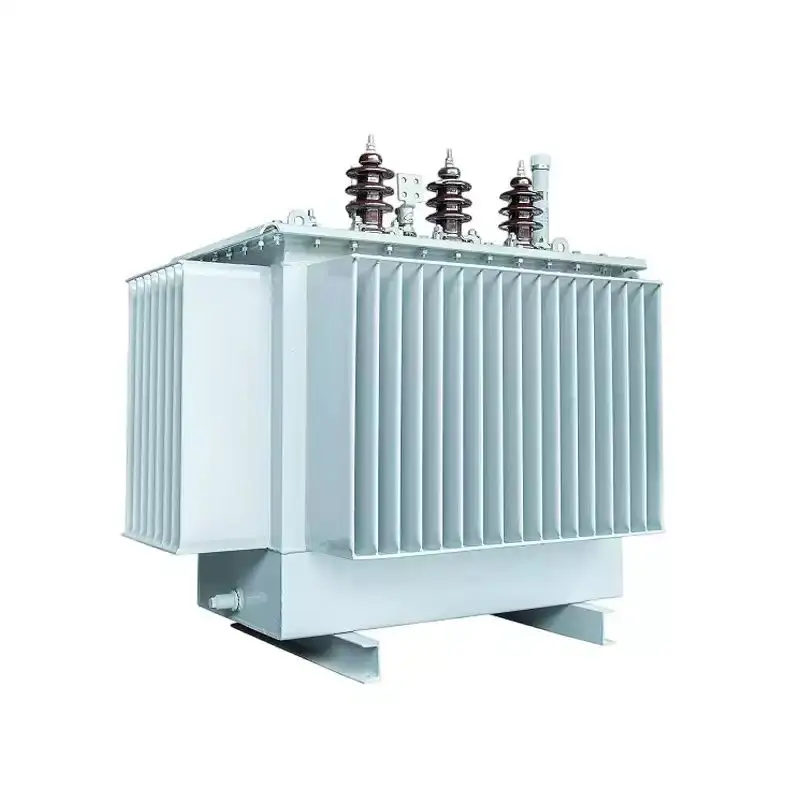
Transformer oil leakage represents one of the most critical challenges in power system operations, potentially leading to equipment failure, environmental contamination, and significant financial losses. Safety valves serve as essential protective components in oil-immersed transformer systems, providing automated pressure relief mechanisms that prevent catastrophic failures and maintain system integrity. These specialized devices monitor internal pressure conditions continuously, activating when predetermined thresholds are exceeded to protect transformer tanks from rupture or seal failure. Understanding how safety valves function within transformer systems is crucial for power engineers, maintenance professionals, and facility managers responsible for electrical infrastructure reliability.
Fundamental Principles of Transformer Oil Management
Oil-Immersed Transformer Design Considerations
Oil-immersed transformers utilize dielectric oil as both an insulating medium and cooling agent, creating a complex thermal and pressure management system. The transformer oil expands and contracts with temperature fluctuations, generating internal pressure variations that must be carefully controlled. Safety valves are strategically positioned to respond to these pressure changes, ensuring that excessive internal pressure does not compromise the transformer tank integrity. The oil serves multiple functions including heat dissipation, arc suppression, and electrical insulation, making pressure management critical for operational safety.
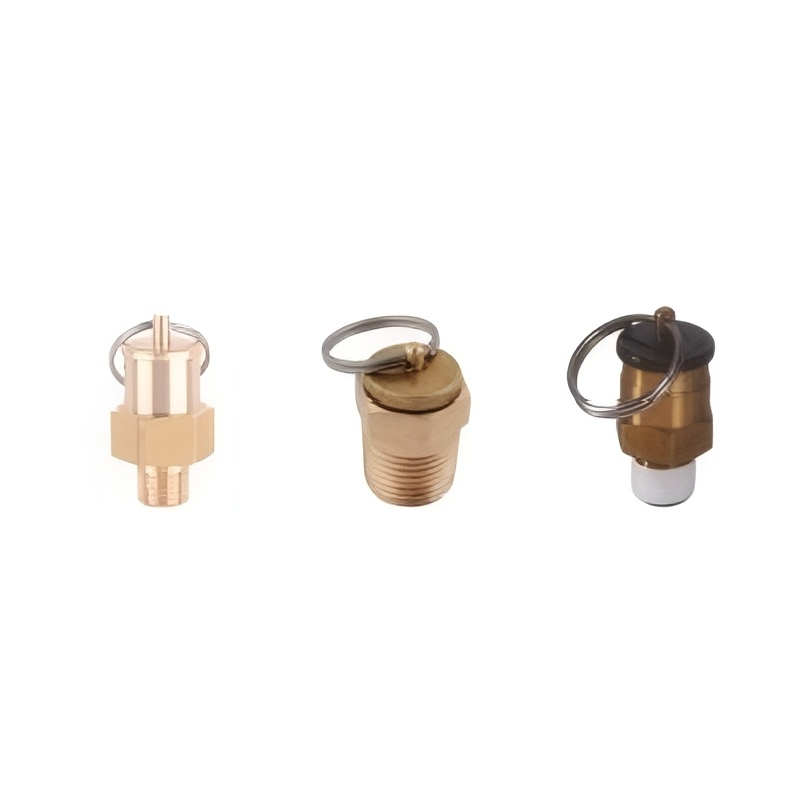
Modern transformer designs incorporate sophisticated oil management systems where safety valves work in conjunction with conservator tanks, breather systems, and monitoring equipment. The oil volume changes significantly with temperature variations, sometimes expanding by several percent during peak loading conditions. Safety valves must accommodate these normal operational variations while remaining sensitive enough to respond to abnormal pressure conditions that could indicate internal faults or cooling system failures.
Pressure Dynamics in Transformer Systems
Transformer internal pressure results from multiple factors including thermal expansion of oil, gas generation from electrical arcing, and ambient temperature changes affecting the overall system. Safety valves monitor these pressure conditions through mechanical or electronic sensing mechanisms, maintaining predetermined pressure limits to prevent structural damage. The pressure relief function becomes critical during fault conditions when rapid gas generation can create dangerous pressure spikes within the transformer tank.
Understanding pressure dynamics helps engineers properly size and configure safety valves for specific transformer applications. Different transformer ratings, operating voltages, and installation environments require customized safety valve specifications to ensure optimal protection. The relationship between oil temperature, volume expansion, and internal pressure must be carefully calculated to establish appropriate safety valve operating parameters.
Safety Valve Operation Mechanisms
Mechanical Pressure Relief Systems
Mechanical safety valves utilize spring-loaded mechanisms that respond to pressure differentials across the valve seat, providing reliable pressure relief without external power requirements. These devices incorporate calibrated springs that compress under specific pressure conditions, opening relief ports to allow controlled oil or gas venting. The mechanical design ensures fail-safe operation even during power outages or control system failures, making them essential components for transformer protection schemes.
Spring calibration determines the precise pressure threshold at which safety valves activate, typically set slightly above normal operating pressures but well below dangerous levels. The valve seat design and spring characteristics must be matched to transformer specifications, considering factors such as oil viscosity, temperature ranges, and expected pressure variations. Mechanical safety valves offer proven reliability and require minimal maintenance when properly installed and periodically tested.
Electronic Monitoring and Control Features
Advanced safety valves incorporate electronic pressure sensors and control systems that provide enhanced monitoring capabilities and integration with transformer management systems. These intelligent devices can transmit real-time pressure data to control rooms, enabling proactive maintenance and early warning of potential problems. Electronic safety valves often include adjustable pressure settings, diagnostic capabilities, and communication interfaces for remote monitoring applications.
Digital safety valves can be programmed with multiple pressure thresholds, providing staged responses to different pressure conditions. Initial warnings may trigger at lower pressures, while higher thresholds activate pressure relief functions. This graduated response capability allows operators to take corrective action before emergency pressure relief becomes necessary, potentially preventing oil loss and system downtime.
Preventing Oil Leakage Through Proper Valve Selection
Sizing and Specification Requirements
Proper safety valve sizing requires careful analysis of transformer characteristics including oil volume, thermal capacity, fault current levels, and installation environment. Undersized safety valves may not provide adequate pressure relief during emergency conditions, while oversized valves might activate prematurely during normal operational pressure variations. Engineering calculations must consider peak pressure conditions that could occur during transformer faults, overload conditions, or cooling system failures.
Valve flow capacity calculations incorporate oil properties such as viscosity, density, and temperature characteristics to ensure adequate relief capability. The relationship between pressure differential and flow rate through the valve must be optimized for the specific transformer application. Safety valves specifications should include materials compatible with transformer oil chemistry and environmental conditions expected at the installation site.
Installation and Integration Considerations
Safety valve installation requires precise positioning and proper connection to transformer tank systems to ensure effective pressure monitoring and relief functions. Valve mounting locations must provide direct access to transformer internal pressure while avoiding interference with other equipment or maintenance activities. Piping connections should minimize pressure losses and ensure rapid response to pressure changes within the transformer tank.
Integration with existing transformer protection systems requires coordination between safety valves and other protective devices such as Buchholz relays, temperature monitors, and dissolved gas analysis equipment. Safety valves should complement rather than interfere with other protection schemes, providing an additional layer of security against catastrophic failures. Proper integration ensures that safety valve operation is coordinated with overall transformer management strategies.
Maintenance and Testing Protocols
Routine Inspection Requirements
Regular safety valve inspections ensure continued reliability and proper operation throughout the transformer service life. Visual inspections should check for corrosion, mechanical damage, or contamination that could affect valve performance. Pressure settings must be verified periodically using calibrated test equipment to confirm that safety valves will activate at proper pressure thresholds. Documentation of inspection results provides valuable trending data for predictive maintenance programs.
Inspection protocols should include verification of mounting hardware, seal integrity, and connection security to prevent premature oil leakage or valve malfunction. Safety valves exposed to outdoor environments require additional attention to weather-related degradation and UV exposure effects. Regular cleaning and lubrication of mechanical components help maintain smooth operation and extend service life.
Performance Testing and Calibration
Performance testing of safety valves involves controlled pressure application to verify proper activation points and flow characteristics. Testing should simulate actual operating conditions including oil temperature and viscosity effects on valve performance. Calibration procedures must follow manufacturer specifications and industry standards to ensure consistent and reliable operation across different environmental conditions.
Test results should be compared against original specifications and previous test data to identify any degradation in valve performance over time. Pressure testing equipment must be calibrated and traceable to national standards to ensure accurate measurements. Safety valves that fail to meet performance criteria should be repaired or replaced immediately to maintain transformer protection integrity.
Advanced Applications and Future Developments
Smart Grid Integration Capabilities
Modern safety valves increasingly incorporate communication capabilities that enable integration with smart grid monitoring and control systems. These advanced devices can transmit operational data, alarm conditions, and diagnostic information to centralized control centers for improved system management. Real-time monitoring capabilities allow operators to track safety valve status across multiple transformer installations, optimizing maintenance schedules and improving overall system reliability.
Integration with smart grid systems enables predictive analytics and machine learning applications that can identify potential safety valve issues before they result in equipment failures. Historical data analysis helps optimize safety valve settings and maintenance intervals based on actual operating experience rather than conservative estimates. Communication protocols must be standardized to ensure interoperability between different manufacturer equipment and utility control systems.
Environmental and Regulatory Compliance
Safety valves play crucial roles in environmental protection by preventing uncontrolled oil releases that could contaminate soil and groundwater. Regulatory agencies increasingly require demonstration of effective oil containment measures, making safety valves essential components of environmental compliance programs. Modern safety valve designs incorporate features that minimize oil discharge during normal operation while maintaining effective pressure relief capabilities during emergency conditions.
Environmental regulations may specify maximum allowable oil discharge rates and require secondary containment measures for safety valve outlets. Compliance documentation must demonstrate that safety valves meet applicable environmental standards and operating permits. Regular testing and maintenance records provide evidence of proper environmental stewardship and regulatory compliance for utility operations.
Economic Benefits and Cost Considerations
Prevention of Catastrophic Failures
Investment in quality safety valves provides significant economic returns through prevention of catastrophic transformer failures that could cost millions of dollars to repair or replace. Oil leakage prevention protects expensive transformer oil inventories and reduces environmental remediation costs associated with contamination incidents. Safety valves also prevent damage to adjacent equipment that could result from transformer explosions or fires caused by excessive internal pressure.
Cost-benefit analysis should consider the full lifecycle costs of safety valve systems including initial purchase, installation, maintenance, and replacement expenses compared to potential failure costs. Insurance considerations may provide additional economic incentives for installing comprehensive safety valve protection systems. Utility risk management programs increasingly recognize safety valves as essential components for minimizing operational and financial risks.
Operational Efficiency Improvements
Properly functioning safety valves contribute to improved transformer operational efficiency by maintaining optimal oil conditions and preventing performance degradation caused by contamination or thermal stress. Advanced monitoring capabilities enable optimized maintenance scheduling that reduces unnecessary downtime while ensuring continued protection. Predictive maintenance programs based on safety valve data can identify developing problems before they require emergency repairs.
Safety valves with remote monitoring capabilities reduce the need for manual inspections and enable more efficient maintenance resource allocation. Real-time condition monitoring allows operators to optimize transformer loading and cooling systems based on actual operating conditions rather than conservative estimates. These operational improvements can extend transformer service life and improve overall system reliability while reducing maintenance costs.
FAQ
How often should safety valves be tested on oil-immersed transformers
Safety valves should be tested annually or according to manufacturer recommendations, with more frequent testing in severe operating environments. Testing intervals may be extended for safety valves with proven reliability records and comprehensive monitoring systems. Emergency testing should be conducted after any significant transformer fault or unusual operating condition that could affect safety valve performance.
What are the signs that a safety valve may be malfunctioning
Warning signs include visible oil leakage around the valve, incorrect pressure readings during testing, corrosion or mechanical damage to valve components, and failure to activate at specified pressure thresholds. Unusual pressure fluctuations in the transformer system may also indicate safety valve problems. Any signs of malfunction should trigger immediate inspection and testing by qualified personnel.
Can safety valves be retrofitted to older transformer installations
Yes, safety valves can typically be retrofitted to older transformers through proper engineering analysis and modification of existing tank connections. Retrofit installations require careful evaluation of existing pressure relief systems and may involve tank modifications to accommodate new valve mounting requirements. Professional engineering consultation is recommended to ensure proper integration with existing transformer protection systems.
What maintenance procedures are required for electronic safety valves
Electronic safety valves require regular calibration of pressure sensors, verification of communication systems, and testing of electronic control functions in addition to mechanical component inspection. Battery backup systems should be tested periodically, and software updates may be needed to maintain compatibility with monitoring systems. Maintenance procedures should follow manufacturer specifications and include documentation of all test results and calibration data.
