 EN
EN

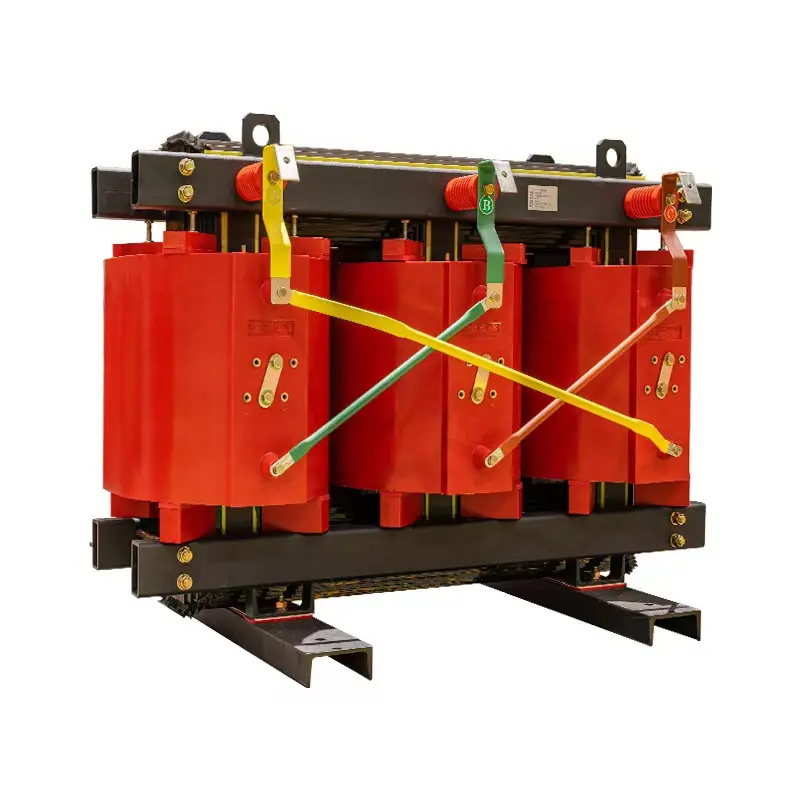
Industrial ball valves play a critical role in maintaining the operational integrity of dry type transformer systems across various industrial applications. These precision-engineered components serve as essential control mechanisms that regulate fluid flow, pressure management, and system isolation during maintenance procedures. The reliability of industrial ball valves directly impacts transformer performance, energy efficiency, and overall system longevity in demanding industrial environments.
Dry type transformers require specialized maintenance protocols that differ significantly from oil-filled transformer systems. The absence of liquid insulation creates unique operational challenges that demand precise control mechanisms for cooling systems, ventilation management, and environmental protection. Understanding the intersection between valve technology and transformer maintenance establishes the foundation for developing comprehensive maintenance strategies that maximize equipment lifespan while minimizing operational disruptions.
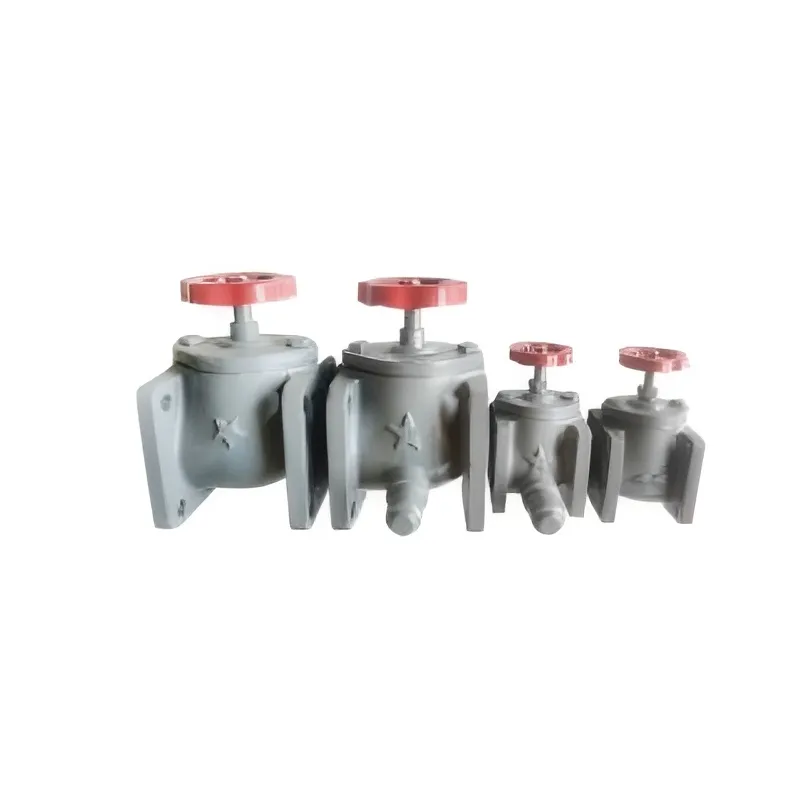
Fundamental Principles of Industrial Ball Valve Maintenance
Core Maintenance Components and System Integration
The maintenance of industrial ball valves within dry type transformer applications requires a systematic approach that addresses both mechanical and environmental factors. These valves must withstand continuous thermal cycling, electromagnetic interference, and varying pressure conditions while maintaining precise control over system parameters. Regular inspection protocols should focus on seal integrity, actuator performance, and material degradation that can compromise valve functionality over time.
Preventive maintenance schedules must account for the specific operating conditions present in transformer environments, including temperature fluctuations, humidity variations, and exposure to electromagnetic fields. The selection of appropriate lubricants, gasket materials, and protective coatings becomes crucial for ensuring long-term valve reliability. Documentation of maintenance activities provides valuable data for optimizing future maintenance intervals and identifying potential failure patterns before they impact system performance.
Material Selection and Environmental Considerations
The harsh operating environment surrounding dry type transformers demands careful consideration of valve materials and construction techniques. Industrial ball valves must demonstrate resistance to thermal expansion, corrosion, and mechanical stress while maintaining dimensional stability across wide temperature ranges. Stainless steel bodies, PTFE seals, and specialized actuator components represent common material choices that balance durability with operational requirements.
Environmental factors such as dust accumulation, moisture infiltration, and chemical exposure can significantly impact valve performance if not properly addressed through maintenance protocols. Regular cleaning procedures, protective coating applications, and environmental monitoring help preserve valve integrity and extend operational lifespan. The implementation of environmental protection measures, including valve enclosures and filtration systems, can dramatically reduce maintenance requirements while improving overall system reliability.
Advanced Maintenance Techniques and Diagnostic Methods
Condition Monitoring and Predictive Maintenance
Modern maintenance strategies for industrial ball valves incorporate advanced diagnostic techniques that enable predictive maintenance approaches rather than reactive repair methods. Vibration analysis, thermal imaging, and acoustic monitoring provide early warning indicators of potential valve problems before they result in system failures. These technologies allow maintenance teams to schedule repairs during planned outages, minimizing unexpected downtime and reducing overall maintenance costs.
The integration of smart sensors and monitoring systems creates opportunities for continuous valve performance assessment without manual intervention. Data collection regarding valve operation cycles, pressure differentials, and environmental conditions enables the development of sophisticated maintenance algorithms that optimize inspection intervals based on actual operating conditions rather than arbitrary time schedules. This approach maximizes valve reliability while minimizing unnecessary maintenance activities.
Performance Optimization Through Systematic Approaches
Optimizing the performance of industrial ball valves requires systematic analysis of operational parameters and maintenance effectiveness. Regular performance testing should include flow capacity verification, seal leakage assessment, and actuator response time measurements. These evaluations provide quantitative data that supports maintenance decision-making and helps identify optimization opportunities within existing systems.
The implementation of standardized maintenance procedures ensures consistency across multiple valve installations and facilitates knowledge transfer between maintenance personnel. Training programs that focus on valve-specific maintenance techniques, diagnostic methods, and safety procedures enhance the effectiveness of maintenance activities while reducing the risk of human error. Documentation of best practices and lessons learned contributes to continuous improvement in maintenance strategies and operational reliability.
Troubleshooting Common Issues in Transformer Applications
Identifying and Resolving Seal-Related Problems
Seal degradation represents one of the most common failure modes affecting industrial ball valves in transformer applications. The combination of thermal cycling, chemical exposure, and mechanical stress can cause seal materials to harden, crack, or lose their sealing properties over time. Early detection of seal problems through regular inspection and testing prevents minor issues from developing into major system failures that could compromise transformer operation.
Replacement of valve seals requires careful attention to material compatibility, installation procedures, and post-installation testing to ensure proper performance. The selection of appropriate seal materials must consider operating temperature ranges, chemical compatibility, and expected service life under specific operating conditions. Proper installation techniques, including surface preparation and torque specifications, are essential for achieving reliable seal performance and preventing premature failure.
Actuator Maintenance and Performance Issues
Actuator systems associated with industrial ball valves require specialized maintenance attention due to their exposure to electromagnetic interference from transformer operations. Electric actuators may experience control signal interference, while pneumatic systems can suffer from moisture contamination or pressure fluctuations that affect valve operation. Regular calibration and adjustment of actuator controls ensures precise valve positioning and reliable response to control signals.
Maintenance of actuator systems should include inspection of electrical connections, pneumatic fittings, and mechanical linkages that can be affected by vibration or thermal expansion. The implementation of surge protection devices and proper grounding techniques helps protect electronic actuator components from electromagnetic interference. Regular testing of actuator response times and positioning accuracy provides early indication of developing problems that could affect valve performance.
Integration with Transformer Cooling Systems
Cooling System Valve Requirements and Specifications
Dry type transformers rely heavily on effective cooling systems to maintain optimal operating temperatures and prevent insulation degradation. Industrial ball valves within these cooling circuits must provide precise flow control, rapid response times, and reliable isolation capabilities during maintenance activities. The thermal management requirements of transformer systems place unique demands on valve performance that differ significantly from other industrial applications.
The sizing and selection of industrial ball valves for transformer cooling applications must consider factors such as coolant flow rates, pressure drop requirements, and temperature cycling effects. Oversized valves can result in poor flow control at low flow rates, while undersized valves create excessive pressure drops that reduce cooling efficiency. Proper valve sizing calculations should account for system dynamics and future expansion requirements to ensure long-term performance optimization.
Maintenance Coordination with Cooling System Operations
Effective maintenance of industrial ball valves in transformer cooling systems requires careful coordination with overall system operations to minimize disruptions and maintain temperature control. Maintenance scheduling must consider transformer load conditions, ambient temperature variations, and backup cooling capacity to ensure safe operating conditions during valve maintenance activities. The development of detailed maintenance procedures that include system isolation, valve testing, and restoration protocols helps minimize maintenance time and operational risks.
The integration of valve maintenance with broader cooling system maintenance activities creates opportunities for efficiency improvements and cost reductions. Coordinated maintenance schedules allow for simultaneous inspection of multiple system components while minimizing the frequency of system shutdowns. This approach also facilitates comprehensive system testing and performance verification following maintenance activities, ensuring optimal cooling system performance and transformer reliability.
Quality Control and Performance Verification
Testing Protocols and Performance Standards
Establishing comprehensive testing protocols for industrial ball valves ensures consistent performance and reliability throughout their operational lifespan. These protocols should include initial acceptance testing, periodic performance verification, and post-maintenance validation procedures that confirm proper valve operation. Standardized testing methods provide objective criteria for evaluating valve condition and determining maintenance requirements based on measurable performance parameters.
Performance standards for industrial ball valves in transformer applications should address specific requirements such as leakage rates, operating torque, response times, and temperature stability. Regular comparison of actual performance against established standards helps identify degradation trends and optimize maintenance intervals. The documentation of test results creates a historical performance database that supports predictive maintenance strategies and failure analysis activities.
Documentation and Continuous Improvement
Comprehensive documentation of maintenance activities, performance testing, and system modifications provides essential information for optimizing valve maintenance strategies over time. Detailed maintenance records should include inspection findings, repair procedures, parts replacement history, and performance test results that enable trend analysis and predictive maintenance planning. This documentation also supports warranty claims and regulatory compliance requirements that may apply to transformer installations.
Continuous improvement in valve maintenance strategies requires systematic analysis of maintenance effectiveness, failure patterns, and cost optimization opportunities. Regular review of maintenance procedures and performance data helps identify areas for improvement and supports the development of best practices that can be applied across multiple installations. The sharing of lessons learned and successful maintenance strategies contributes to industry-wide improvements in valve reliability and operational efficiency.
FAQ
How often should industrial ball valves in dry type transformer applications be inspected
Industrial ball valves in dry type transformer applications should typically be inspected quarterly for basic operational checks, with comprehensive inspections conducted annually. However, the specific inspection frequency depends on operating conditions, environmental factors, and valve criticality within the system. High-temperature applications or valves exposed to harsh environmental conditions may require more frequent inspection intervals to ensure reliable operation and prevent unexpected failures.
What are the most common failure modes for industrial ball valves in transformer cooling systems
The most common failure modes include seal degradation due to thermal cycling, actuator malfunction caused by electromagnetic interference, and body corrosion from environmental exposure. Seal failures typically manifest as internal or external leakage, while actuator problems may result in poor valve positioning or complete loss of control. Regular maintenance focusing on these critical components can prevent most failures and extend valve operational life significantly.
Can existing industrial ball valves be upgraded to improve performance in transformer applications
Many existing industrial ball valves can be upgraded through component replacement, actuator modifications, or protective system additions. Common upgrades include installing high-temperature seals, adding electromagnetic shielding for actuators, and implementing advanced monitoring systems. However, the cost-effectiveness of upgrades should be evaluated against replacement options, considering factors such as remaining valve life, upgrade costs, and expected performance improvements.
What environmental factors most significantly impact industrial ball valve maintenance requirements
Temperature fluctuations, humidity levels, and electromagnetic field exposure represent the most significant environmental factors affecting maintenance requirements for industrial ball valves in transformer applications. Extreme temperature variations accelerate seal degradation and material fatigue, while high humidity can promote corrosion and contamination issues. Electromagnetic fields can interfere with electronic actuator components and monitoring systems, requiring specialized protective measures and more frequent calibration activities.
Table of Contents
- Fundamental Principles of Industrial Ball Valve Maintenance
- Advanced Maintenance Techniques and Diagnostic Methods
- Troubleshooting Common Issues in Transformer Applications
- Integration with Transformer Cooling Systems
- Quality Control and Performance Verification
-
FAQ
- How often should industrial ball valves in dry type transformer applications be inspected
- What are the most common failure modes for industrial ball valves in transformer cooling systems
- Can existing industrial ball valves be upgraded to improve performance in transformer applications
- What environmental factors most significantly impact industrial ball valve maintenance requirements
