 EN
EN

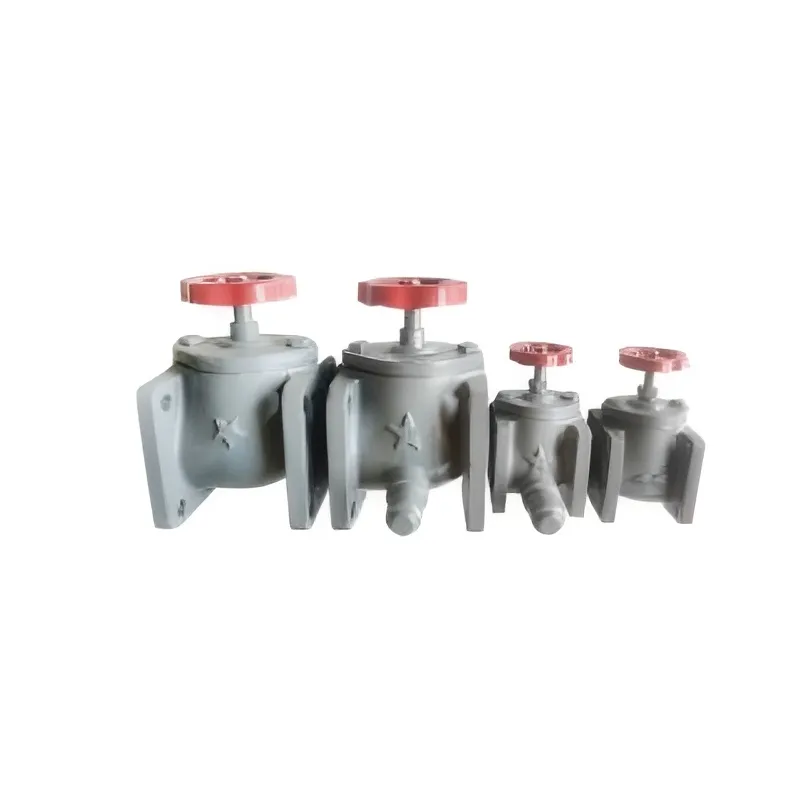
Power transformer safety remains a critical concern for electrical utilities and industrial facilities worldwide. Among the various safety mechanisms employed in oil-immersed transformers, high pressure ball valves stand out as essential components that significantly enhance operational reliability and protect valuable equipment from catastrophic failures. These specialized valves provide precise control over transformer oil circulation, pressure regulation, and emergency isolation capabilities that are fundamental to maintaining transformer integrity under various operating conditions.
Understanding High Pressure Ball Valve Fundamentals in Transformer Applications
Construction and Design Principles
High pressure ball valves designed for transformer applications feature robust construction materials capable of withstanding the demanding environment within oil-immersed electrical equipment. These valves typically incorporate stainless steel or specialized alloy bodies that resist corrosion from transformer oil and maintain structural integrity under extreme pressure conditions. The ball mechanism itself is precision-machined to ensure tight sealing while providing smooth operation even after extended periods of service.
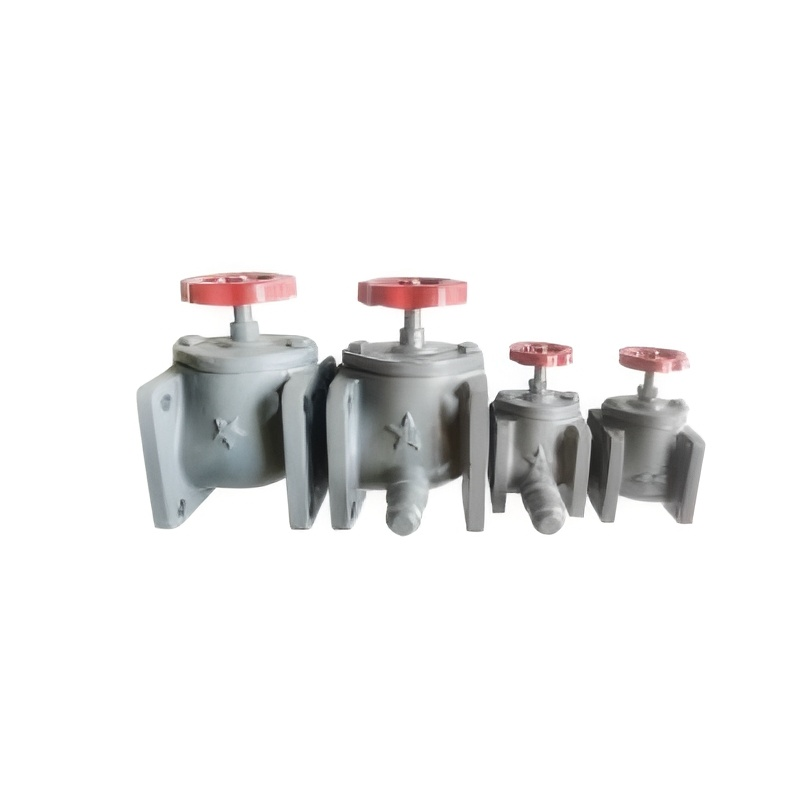
The valve design incorporates multiple sealing elements including primary and secondary seals that prevent oil leakage during both normal operation and emergency situations. Advanced high pressure ball valves feature fire-safe designs that maintain sealing capability even when exposed to extreme temperatures that might occur during transformer faults. This redundant sealing approach ensures that transformer oil remains contained within the system, preventing environmental contamination and maintaining proper insulation levels.
Pressure Rating and Performance Specifications
Transformer applications demand high pressure ball valves with specific pressure ratings that align with system operating parameters. Typical pressure ratings range from 150 PSI to over 2000 PSI, depending on the transformer size and cooling system requirements. These valves must maintain their sealing integrity across wide temperature ranges, often from -40°C to +150°C, accommodating the thermal cycling that occurs during transformer load variations.
Performance specifications for transformer-grade high pressure ball valves include low torque operation to facilitate both manual and automated control, minimal pressure drop across the valve body to maintain efficient oil circulation, and rapid closure capabilities for emergency isolation. The valve bodies are designed with smooth internal surfaces to minimize turbulence and pressure losses that could affect transformer cooling efficiency.
Safety Enhancement Mechanisms Through Valve Integration
Emergency Isolation and Fault Response
One of the primary safety functions of high pressure ball valves in transformer systems is providing rapid isolation during fault conditions. When internal transformer faults occur, these valves can quickly shut off oil circulation to specific sections, preventing the spread of contaminated or degraded oil throughout the entire cooling system. This isolation capability is particularly crucial during electrical faults that generate gases or carbonized particles within the transformer oil.
Modern transformer installations often integrate high pressure ball valves with automated control systems that respond to protective relay signals. These automated systems can execute emergency valve closures in milliseconds, far faster than manual intervention could achieve. The rapid response capability helps contain fault conditions before they can escalate to catastrophic failures that might result in fire, explosion, or extensive equipment damage.
Pressure Management and Overpressure Protection
Transformer cooling systems rely on precise pressure control to maintain optimal oil circulation and heat transfer efficiency. High pressure ball valves serve as key components in pressure regulation schemes, allowing operators to adjust system pressure in response to changing load conditions or ambient temperatures. These valves help maintain the delicate balance between adequate cooling performance and safe operating pressures.
During abnormal operating conditions, such as rapid load changes or cooling system malfunctions, transformer oil pressure can exceed safe limits. High pressure ball valves equipped with pressure relief functions provide automatic overpressure protection by opening predetermined pathways that safely release excess pressure. This protection mechanism prevents catastrophic tank ruptures and maintains transformer structural integrity during emergency conditions.
Operational Benefits and System Integration
Enhanced Maintenance Capabilities
The strategic placement of high pressure ball valves throughout transformer cooling systems enables comprehensive maintenance procedures without requiring complete system shutdowns. Maintenance teams can isolate specific sections of the cooling circuit, allowing for component replacement, oil sampling, or system cleaning while other portions remain operational. This sectional isolation capability significantly reduces maintenance downtime and associated revenue losses.
Regular maintenance of high pressure ball valves themselves contributes to overall system reliability. These valves are designed for periodic inspection and service, with replaceable sealing elements and accessible actuator mechanisms. Proper valve maintenance ensures continued leak-tight performance and reliable operation when emergency situations demand immediate response.
Oil Quality Management and Contamination Control
Transformer oil quality directly impacts both electrical performance and equipment longevity. High pressure ball valves play a crucial role in maintaining oil purity by enabling selective drainage of contaminated oil sections and facilitating oil processing procedures. When moisture, gases, or solid contaminants are detected in specific areas of the cooling system, operators can use strategically placed valves to isolate and drain affected sections while maintaining oil circulation in clean areas.
Oil processing operations, including filtration, degassing, and drying, rely heavily on high pressure ball valves to control oil flow through treatment equipment. These valves ensure that processed oil returns to the transformer at proper pressure and flow rates while preventing backflow that could reintroduce contaminants. The precise flow control provided by high pressure ball valves optimizes oil treatment efficiency and maintains consistent oil quality throughout the system.
Advanced Control Integration and Automation
Remote Monitoring and Control Systems
Modern transformer installations increasingly incorporate remote monitoring capabilities that extend to high pressure ball valve status and control functions. These systems provide real-time feedback on valve position, pressure differentials, and operational status, enabling operators to monitor critical safety systems from centralized control rooms. Remote valve control capability allows immediate response to developing fault conditions, even when personnel are not physically present at the transformer location.
Integration with supervisory control and data acquisition systems enables high pressure ball valves to participate in automated safety sequences that respond to multiple system parameters simultaneously. For example, when protective relays detect internal faults, the control system can automatically coordinate valve closures with protective relay operations, cooling system adjustments, and alarm notifications to implement comprehensive emergency response procedures.
Predictive Maintenance and Condition Monitoring
Advanced high pressure ball valves incorporate condition monitoring features that track valve performance parameters and predict maintenance requirements before failures occur. These monitoring systems evaluate factors such as actuator torque requirements, valve cycling frequency, and sealing performance to identify gradual degradation that could compromise safety functions.
Predictive maintenance programs utilize data collected from high pressure ball valve monitoring systems to optimize maintenance schedules and prevent unexpected failures. This approach reduces both maintenance costs and safety risks by ensuring that valve replacements or repairs occur during planned maintenance windows rather than during emergency situations when system availability is critical.
Environmental and Regulatory Compliance
Spill Prevention and Environmental Protection
Environmental regulations require transformer installations to implement comprehensive spill prevention measures, and high pressure ball valves serve as key components in these protection systems. These valves enable rapid isolation of oil-containing systems during leak situations, minimizing the volume of oil that could potentially reach the environment. Emergency isolation capabilities provided by high pressure ball valves help facilities maintain compliance with environmental protection requirements while protecting valuable transformer oil resources.
Secondary containment systems rely on high pressure ball valves to control oil drainage from containment areas and manage oil recovery operations following spill incidents. These valves ensure that recovered oil can be properly processed and returned to service while preventing contaminated material from spreading beyond designated containment boundaries. The environmental protection provided by properly functioning high pressure ball valves helps facilities avoid costly remediation activities and regulatory penalties.
Safety Code Compliance and Industry Standards
Electrical safety codes and industry standards specify requirements for transformer safety systems that directly impact high pressure ball valve selection and installation practices. These standards address factors such as valve pressure ratings, materials compatibility, installation locations, and testing procedures that ensure consistent safety performance across different transformer installations. Compliance with these standards provides assurance that high pressure ball valves will perform reliably when safety situations arise.
Regular testing and certification procedures for high pressure ball valves demonstrate ongoing compliance with safety requirements and provide documentation needed for regulatory inspections. These testing programs verify that valve performance characteristics remain within specified parameters and that safety functions operate correctly under simulated emergency conditions.
Future Developments and Technological Advances
Smart Valve Technologies and IoT Integration
The integration of Internet of Things technologies into high pressure ball valve designs is creating new possibilities for enhanced safety monitoring and control. Smart valves equipped with wireless communication capabilities can transmit real-time operational data to cloud-based monitoring systems, enabling advanced analytics and remote diagnostics that improve safety system reliability. These technological advances allow maintenance teams to identify potential safety system issues before they impact transformer operation.
Artificial intelligence applications in valve monitoring systems can analyze operational patterns and predict failure modes with greater accuracy than traditional monitoring approaches. Machine learning algorithms can identify subtle changes in valve performance characteristics that indicate developing problems, enabling proactive maintenance actions that maintain safety system integrity.
Materials Science Improvements and Durability Enhancement
Ongoing developments in materials science are producing new alloys and coating technologies that extend the service life of high pressure ball valves in challenging transformer environments. These advanced materials resist corrosion, wear, and thermal cycling more effectively than traditional materials, reducing maintenance requirements while improving safety system reliability. Enhanced materials also enable valve designs that operate effectively at higher pressures and temperatures, accommodating evolving transformer cooling system requirements.
Nanotechnology applications in valve sealing systems are creating sealing materials with superior performance characteristics, including reduced leakage rates and extended service intervals. These advanced sealing technologies contribute to improved environmental protection and reduced maintenance costs while maintaining the reliable safety functions that high pressure ball valves provide in transformer applications.
FAQ
What pressure ratings are typically required for high pressure ball valves in transformer cooling systems?
High pressure ball valves in transformer cooling systems typically require pressure ratings between 150 PSI and 2000 PSI, depending on the specific transformer size, cooling system design, and operating parameters. Large power transformers often require higher pressure ratings to maintain adequate oil circulation through extensive cooling circuits, while smaller distribution transformers may operate effectively with lower pressure ratings. The selected pressure rating must provide adequate safety margin above normal operating pressures to ensure reliable performance during peak load conditions and emergency situations.
How do high pressure ball valves contribute to transformer fire prevention and safety?
High pressure ball valves contribute to fire prevention by providing rapid isolation capabilities that can contain oil-fed fires and prevent their spread throughout the cooling system. During internal electrical faults that generate heat and potentially ignite transformer oil, these valves can quickly shut off oil supply to affected areas, starving potential fires of fuel. Additionally, many high pressure ball valves feature fire-safe designs that maintain sealing integrity even when exposed to extreme temperatures, preventing oil leakage that could feed external fires. The rapid response capability of automated valve systems, often operating in milliseconds, provides crucial early intervention that can prevent minor incidents from escalating to catastrophic failures.
What maintenance procedures are essential for ensuring reliable operation of high pressure ball valves in transformer applications?
Essential maintenance procedures for transformer application high pressure ball valves include regular visual inspections for oil leakage, periodic actuator operation testing to verify smooth cycling and proper torque requirements, and scheduled replacement of sealing elements based on manufacturer recommendations or condition monitoring results. Pressure testing should be performed annually to confirm continued sealing integrity, while valve position indicators and control systems require calibration verification. Internal inspection and cleaning may be necessary during major transformer maintenance outages, particularly in systems where oil contamination or particle buildup could affect valve operation. Documentation of all maintenance activities is crucial for regulatory compliance and trending analysis that supports predictive maintenance programs.
How do automated high pressure ball valve systems enhance transformer safety compared to manual valve operations?
Automated high pressure ball valve systems provide significantly faster response times compared to manual operations, typically executing emergency closures in milliseconds rather than the minutes required for manual intervention. This rapid response capability is crucial during fault conditions where immediate isolation can prevent catastrophic escalation. Automated systems eliminate human error factors and ensure consistent response to predetermined safety criteria, operating reliably even when personnel are not immediately available. Integration with protective relay systems enables coordinated safety responses that simultaneously address electrical protection, mechanical isolation, and system status reporting. Additionally, automated valve systems can operate in hazardous environments where manual intervention would pose safety risks to personnel, ensuring that critical safety functions remain available even during severe fault conditions.
Table of Contents
- Understanding High Pressure Ball Valve Fundamentals in Transformer Applications
- Safety Enhancement Mechanisms Through Valve Integration
- Operational Benefits and System Integration
- Advanced Control Integration and Automation
- Environmental and Regulatory Compliance
- Future Developments and Technological Advances
-
FAQ
- What pressure ratings are typically required for high pressure ball valves in transformer cooling systems?
- How do high pressure ball valves contribute to transformer fire prevention and safety?
- What maintenance procedures are essential for ensuring reliable operation of high pressure ball valves in transformer applications?
- How do automated high pressure ball valve systems enhance transformer safety compared to manual valve operations?
