 EN
EN

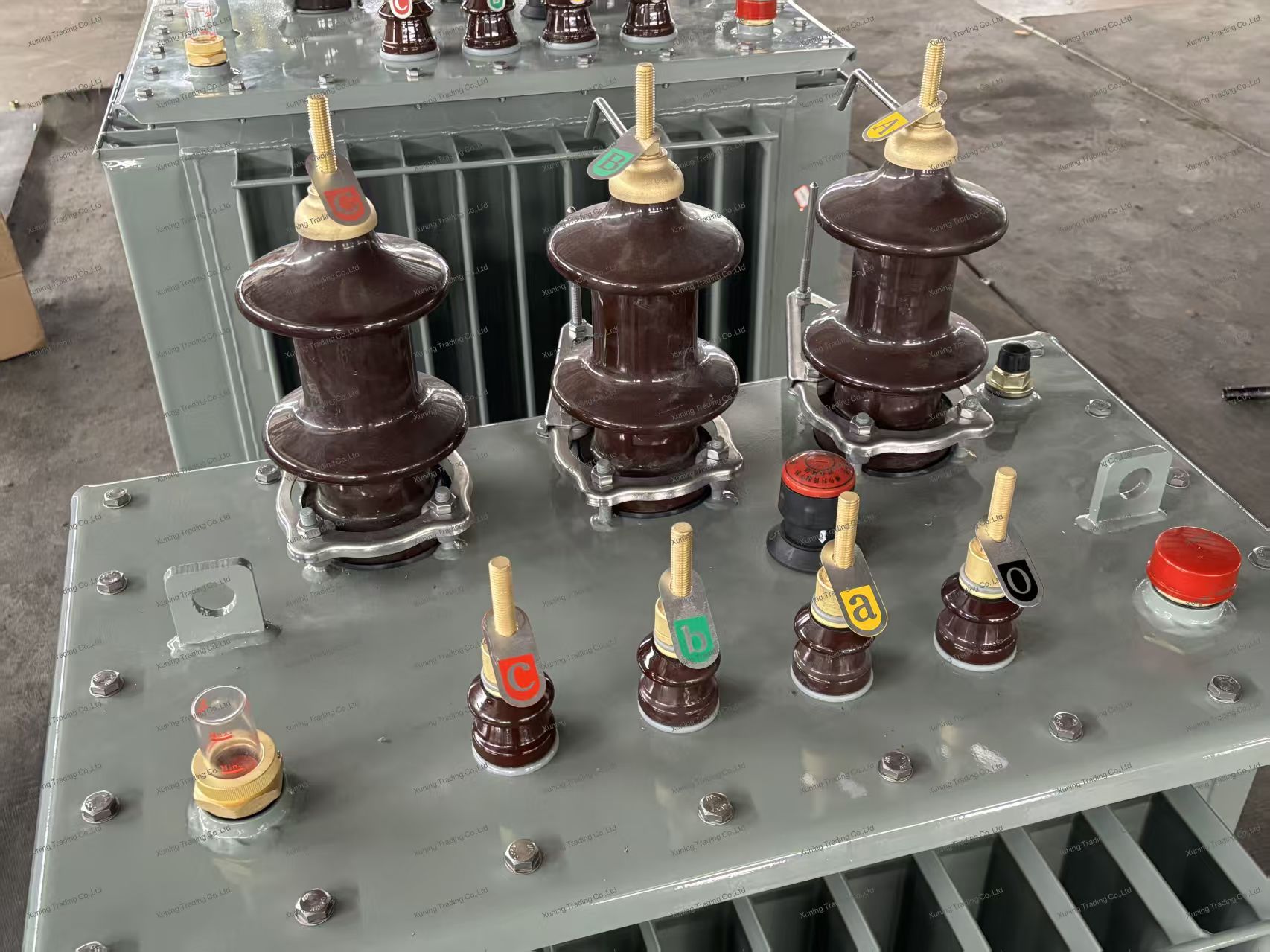
A distribution transformer serves as a critical component in modern electrical networks, stepping down high-voltage electricity from transmission lines to lower voltages suitable for residential, commercial, and industrial consumers. Understanding the fundamental role of a distribution transformer is essential for anyone involved in electrical infrastructure, facility management, or power system planning. These devices form the backbone of reliable power delivery and directly impact the quality and stability of electricity reaching end-users worldwide.
The distribution transformer converts electrical power efficiently while maintaining the safety and reliability standards that modern electricity grids demand. By reducing voltage levels in stages, a distribution transformer enables safe distribution across neighborhoods and business districts. Every time you flip a light switch or power a machine, you depend on the seamless operation of these transformers working silently behind the scenes to deliver the right voltage at the right time.
Understanding the Core Function of Distribution Transformers
Voltage Step-Down and Load Distribution
A distribution transformer reduces transmission voltages, typically ranging from 4 kV to 35 kV, down to utilization voltages of 120 V to 480 V. This step-down function is the primary reason a distribution transformer exists within the electrical network infrastructure. Without this voltage reduction, the electricity flowing through power lines would be far too dangerous and inefficient for direct use in homes and businesses. The distribution transformer achieves this transformation through electromagnetic induction, using primary and secondary winding configurations sized according to the voltage ratio required.
By distributing loads across multiple distribution transformer units positioned strategically throughout a service territory, utility companies can manage power flow more effectively and minimize transmission losses. Each distribution transformer handles a specific geographic zone or customer cluster, ensuring balanced current distribution. This decentralized approach means a single distribution transformer failure does not collapse the entire grid, allowing utilities to maintain service continuity while repairs are completed. The placement and capacity rating of each distribution transformer directly influences grid reliability and response time during peak demand periods.
Electrical Safety and Consumer Protection
A distribution transformer plays a vital safety role by isolating high-voltage transmission systems from consumer-accessible circuits. The transformer windings and core materials provide electrical insulation that prevents dangerous voltage levels from reaching end-users. Additionally, a distribution transformer reduces fault currents that could cause electrical fires, equipment damage, or personal injury. The transformer oil or dry-type insulation used in a distribution transformer absorbs and dissipates heat generated during normal operation, maintaining safe operating temperatures even under sustained high-load conditions.
Properly designed and maintained distribution transformer installations include grounding systems, protective fuses, and lightning arresters that shield consumers from voltage surges and transient events. When lightning strikes near power lines or switching events occur within the grid, a distribution transformer equipped with surge protection diverts dangerous energy harmlessly to ground rather than allowing it to damage appliances and electronics downstream. This protective function of a distribution transformer is often taken for granted but represents an enormous economic benefit by reducing replacement costs and downtime for countless businesses and households.
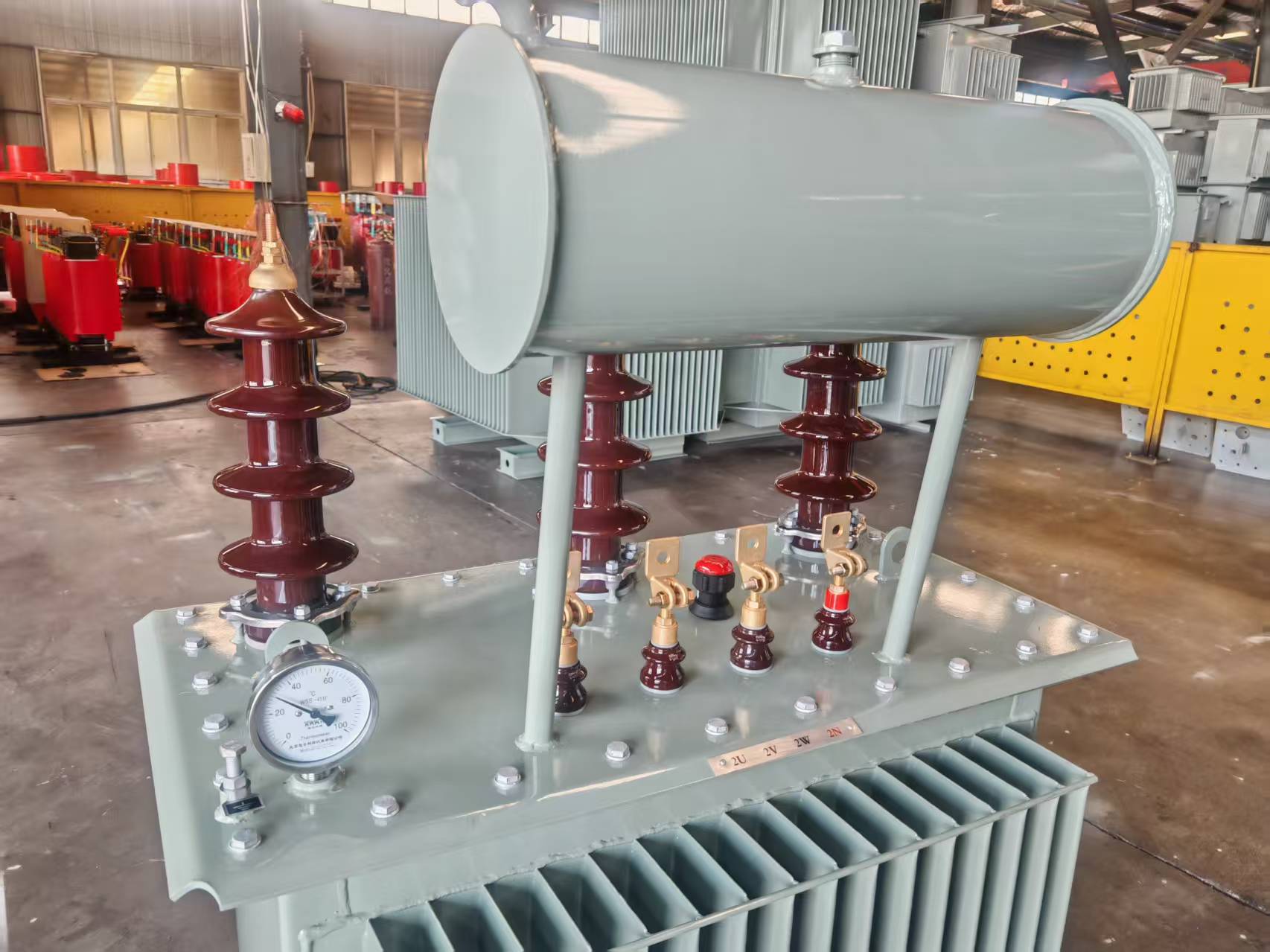
Power Quality and System Efficiency Delivered by Distribution Transformers
Maintaining Voltage Stability Across Service Areas
A distribution transformer maintains voltage stability by connecting to different tap points on its primary winding, allowing utility operators to adjust output voltage within a narrow band. Modern distribution transformer designs include load-tap-changing mechanisms that automatically respond to voltage fluctuations, ensuring consumers always receive electricity within acceptable voltage ranges. Voltage regulation through a distribution transformer prevents motor burnout, reduces lighting flicker, and extends the lifespan of sensitive electronic equipment. When voltage dips occur during peak demand, a distribution transformer equipped with automatic tap changers quickly restores nominal voltage levels without interrupting service.
The voltage profile maintained by a distribution transformer directly impacts power quality metrics that utilities monitor and report to regulators. Utilities invest in advanced distribution transformer technology specifically because voltage stability reduces customer complaints, minimizes equipment damage claims, and improves overall customer satisfaction. In industrial settings, stable voltage output from a distribution transformer can mean the difference between efficient production runs and costly equipment shutdowns due to voltage-sensitive machinery.
Energy Efficiency and Losses Reduction
Modern distribution transformer designs achieve efficiency ratings exceeding 98 percent, meaning more than 98 percent of input power reaches consumers with minimal wastage. A distribution transformer reduces energy losses through optimized core materials and conductor sizing that minimize resistive heating. These efficiency improvements translate directly to lower energy costs for consumers and reduced environmental impact from power generation. By choosing high-efficiency distribution transformer models, utilities can defer expensive network upgrades and generation capacity additions.
Energy losses from a distribution transformer accumulate across thousands of units within a utility network, making even small efficiency improvements generate substantial annual savings. A 0.5 percent efficiency gain across a utility's entire fleet of distribution transformers can represent millions of dollars annually. Over the 30-to-40-year typical lifespan of a distribution transformer, investing in higher-efficiency units during replacement cycles delivers superior total cost of ownership compared to cheaper, less-efficient alternatives. Progressive utilities prioritize distribution transformer upgrades as a key component of broader energy efficiency and carbon reduction programs.
Applications and Industry Contexts for Distribution Transformers
Urban Residential and Commercial Networks
Urban electrical systems rely heavily on padmount and pole-mounted distribution transformer units to serve apartment complexes, office buildings, shopping centers, and mixed-use developments. A distribution transformer in urban settings must handle variable loads driven by time-of-day demand patterns, seasonal changes, and unpredictable consumer behavior. Urban distribution transformer installations are often subject to environmental constraints, including noise limits, aesthetic considerations, and limited physical space for equipment placement. Utility engineers select specific distribution transformer models based on noise ratings, cooling methods, and mounting flexibility required by local regulations and customer preferences.
Commercial customers increasingly rely on three-phase power supplied through dedicated distribution transformer connections, enabling efficient operation of HVAC systems, elevator motors, manufacturing equipment, and data center cooling infrastructure. A distribution transformer serving commercial loads must accommodate harmonic distortion from nonlinear electronic equipment while maintaining power quality for sensitive digital systems. Backup power arrangements and load-transfer capabilities in some commercial settings require specialized distribution transformer configurations that allow rapid switching between utility power and generator power without interrupting critical operations.
Industrial and Rural Distribution Systems
Industrial customers requiring large power draws depend on industrial-class distribution transformer installations designed to handle continuous heavy loads and motor starting currents. A distribution transformer supporting factory production lines, textile mills, steel processing facilities, or chemical plants must withstand mechanical stress from starting transients and maintain voltage under demanding peak-load conditions. Industrial distribution transformer applications often incorporate enhanced cooling systems, robust construction, and redundancy provisions to ensure production continuity. Manufacturing facilities sometimes invest in in-plant distribution transformer upgrades to improve power quality, reduce voltage sag during motor starts, and optimize overall energy consumption.
Rural electrification projects depend on cost-effective distribution transformer solutions that must span long distances while serving dispersed farm operations and small communities. A distribution transformer designed for rural applications must tolerate voltage variations resulting from long feeder distances and small customer bases. Remote location challenges mean a distribution transformer in rural areas must demonstrate exceptional reliability and require minimal maintenance intervention, since service technician travel times and costs are significant. Rural cooperatives and utility companies often standardize on proven distribution transformer designs that have demonstrated decades of reliable performance under challenging geographic and weather conditions.
FAQ
What makes a distribution transformer different from a power transformer?
A distribution transformer typically handles lower power ratings, covers shorter distances, and operates at lower primary voltages compared to power transformers used in transmission networks. While a power transformer steps down voltages from 115 kV or higher to 35 kV or lower, a distribution transformer then steps down those voltages further to consumer-usable levels. Distribution transformer designs prioritize cost-effectiveness and efficiency for frequent voltage conversions, whereas power transformer designs emphasize maximum capacity and resilience during extreme network stress events.
How does a distribution transformer handle reactive power and harmonics?
A distribution transformer manages reactive power through its magnetic inductance characteristics and capacitor banks installed on the secondary circuits. Modern distribution transformer installations include harmonic filters that mitigate distortion caused by variable-frequency drives, rectifiers, and switched-mode power supplies in customer equipment. The distribution transformer core material and conductor design work together to limit harmonic amplification and reduce voltage distortion that could damage sensitive equipment downstream. Utilities regularly monitor harmonic content and may upgrade distribution transformer specifications in areas with high concentrations of nonlinear loads.
What maintenance does a distribution transformer require?
A distribution transformer requires periodic oil sampling, thermal imaging inspections, and visual condition assessments to detect early signs of degradation. Utilities typically schedule distribution transformer maintenance every 3 to 5 years, including oil analysis for moisture content, acid number, and dissolved gas content that indicate internal condition. Dry-type distribution transformers require less frequent maintenance but need periodic cleaning of cooling fins and inspection of insulation integrity. Preventive distribution transformer maintenance extends equipment life, prevents unexpected failures, and maintains optimal efficiency throughout the asset's operational period.
