 EN
EN

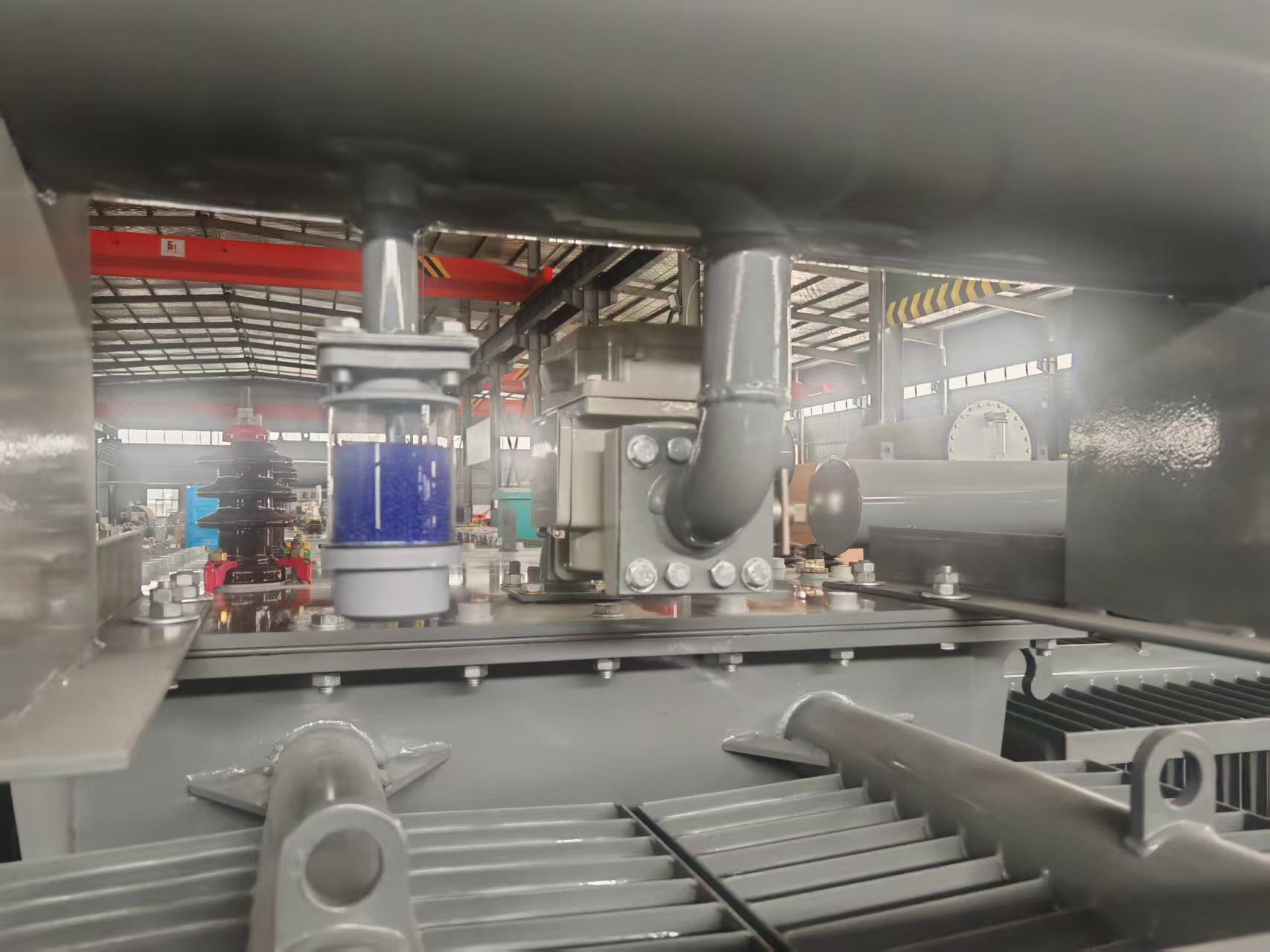
A distribution transformer plays a critical role in modern electrical infrastructure by stepping down voltage from transmission lines to usable levels for businesses and residential areas. However, the efficiency of a distribution transformer directly impacts overall energy consumption costs and operational sustainability. Understanding how a distribution transformer can improve energy efficiency helps industrial facilities, utilities, and facility managers make informed decisions about equipment upgrades and maintenance strategies that reduce operational expenses while supporting environmental goals.
Energy efficiency in a distribution transformer is measured by how much electrical energy is lost during the voltage conversion process. Every distribution transformer experiences some degree of power loss, including core loss (magnetic losses in the transformer's iron core) and copper loss (resistance in the coils). Modern high-efficiency distribution transformer designs minimize these losses through advanced materials, optimized coil configurations, and improved cooling systems, ultimately delivering more usable energy to end consumers while reducing wasted electricity and heat generation.
Core Loss Reduction in Distribution Transformer Technology
Understanding Core Loss Mechanisms
Core loss occurs when the magnetic field in a distribution transformer's iron core creates eddy currents and hysteresis losses. These losses happen continuously, regardless of the load level applied to the distribution transformer. Traditional core materials exhibit higher magnetic resistance, causing more energy to convert into unwanted heat. Modern distribution transformer designs use grain-oriented silicon steel and specialized lamination techniques that significantly reduce magnetic resistance, thereby lowering core loss by up to fifteen percent compared to conventional designs.
Material and Design Innovations
Advanced distribution transformer manufacturers have developed superior core materials and construction methods that minimize energy dissipation. A high-efficiency distribution transformer employs thinner laminations and improved insulation between core sheets, reducing eddy current pathways. The distribution transformer's core geometry is optimized through computer modeling to ensure uniform magnetic field distribution. Additionally, premium-grade silicon content in the steel used in a distribution transformer enhances magnetic properties, allowing the distribution transformer to handle the same load with substantially less core loss than standard designs.
Copper Loss Optimization and Load Performance
Winding Design and Conductor Selection
Copper loss—also called I²R loss—represents energy wasted as heat in the distribution transformer's conducting windings during energy transfer. A distribution transformer's copper loss increases with higher current loads, making winding efficiency critical for overall performance. By using larger cross-sectional copper conductors and optimized winding arrangements, a distribution transformer can reduce resistance in the coils. High-efficiency distribution transformer models employ advanced winding techniques that maintain lower resistance while managing space constraints within the transformer enclosure, ensuring that a distribution transformer operates at peak efficiency across typical industrial load ranges.
Load Factor Impact and Operating Efficiency
The efficiency of any distribution transformer varies depending on the actual load it carries relative to its rated capacity. A distribution transformer performs most efficiently when operating at approximately seventy-five percent of its rated load. At light loads, core loss dominates total losses, while at heavy loads, copper loss becomes significant. Understanding this relationship allows facility managers to select a distribution transformer that matches typical operational loads rather than oversizing the distribution transformer, which would waste energy during normal operation. Strategic load management and selecting the appropriately sized distribution transformer can reduce overall energy consumption by five to ten percent annually.
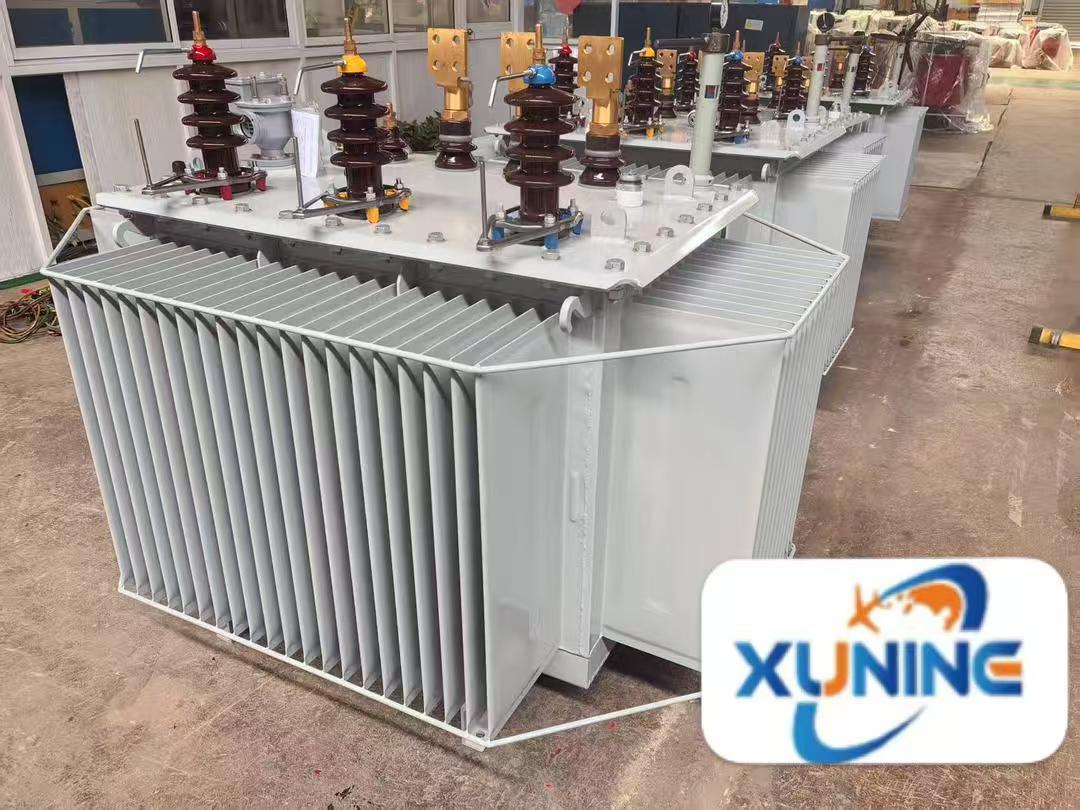
Cooling System Efficiency and Heat Dissipation
Fluid Selection and Thermal Performance
The cooling medium inside a distribution transformer directly affects heat dissipation efficiency and operating temperature. Traditional mineral oil has long served as the cooling fluid in a distribution transformer, but natural ester fluids and synthetic alternatives now offer superior thermal properties. An efficient distribution transformer with advanced cooling fluid requires less circulation and lower cooling fan operation, reducing auxiliary power consumption. The choice of cooling fluid in a distribution transformer influences both the transformer's lifespan and its energy losses, as better thermal properties allow a distribution transformer to operate at lower temperatures, which reduces resistive losses in the windings.
Active Cooling and Operational Flexibility
Modern distribution transformer designs incorporate smart cooling systems that adjust fan speed based on actual temperature conditions rather than running continuously. This intelligent approach to cooling a distribution transformer reduces energy consumption while maintaining safe operating temperatures. Temperature sensors and automated control systems optimize distribution transformer performance throughout the year, with reduced cooling demands during cool seasons. Many contemporary distribution transformer units feature variable-speed cooling fans that scale power consumption to actual needs, allowing a distribution transformer to achieve energy savings of eight to twelve percent in auxiliary cooling systems compared to fixed-speed designs.
Implementation and Selection Criteria for Energy-Efficient Distribution Transformers
Efficiency Standards and Regulatory Compliance
Global standards establish minimum efficiency requirements for distribution transformer equipment, with levels varying by region and transformer size. Standards like NEMA TP-1, EURO 50588-10, and IEC 60076-20 define efficiency benchmarks that modern distribution transformer manufacturers must meet or exceed. An energy-efficient distribution transformer typically achieves ninety-eight percent efficiency or higher, meaning less than two percent of input energy is lost during voltage transformation. Understanding applicable efficiency standards helps procurement teams evaluate whether a distribution transformer meets regulatory requirements and provides competitive advantages. Selecting a distribution transformer that exceeds minimum standards ensures long-term performance and positions facilities ahead of future efficiency mandates.
Total Cost of Ownership and Payback Analysis
Although a high-efficiency distribution transformer typically costs more upfront than standard models, the operational savings from reduced energy losses justify the investment. A distribution transformer with superior efficiency characteristics recovers its premium cost through lower electricity expenses over the equipment's typical fifteen to twenty-year lifespan. Calculating the total cost of ownership for a distribution transformer involves comparing the purchase price against projected energy savings, maintenance requirements, and residual value. For many industrial facilities, upgrading to an energy-efficient distribution transformer generates return on investment within three to five years, after which all additional savings represent net cost reduction and improved profitability.
FAQ
What percentage of energy can a distribution transformer lose during operation?
A typical distribution transformer loses between one and three percent of input energy as heat through core and copper losses. Standard distribution transformer designs may reach the higher end of this range, while premium energy-efficient distribution transformer models operate near the lower end. The actual loss percentage for any distribution transformer depends on its design, cooling system, operating load, and ambient temperature conditions.
How does a distribution transformer's efficiency change with load variations?
A distribution transformer achieves maximum efficiency at approximately seventy-five percent of its rated capacity. At lower loads, core losses dominate, while at very high loads approaching one hundred percent capacity, copper losses increase significantly. The distribution transformer's overall efficiency curve shows that neither light nor heavy loading produces optimal efficiency, making proper load management critical for maintaining peak distribution transformer performance year-round.
Can upgrading to a high-efficiency distribution transformer reduce industrial operating costs?
Yes, upgrading to a high-efficiency distribution transformer can reduce operating costs substantially over time. A modern, energy-efficient distribution transformer typically reduces energy losses by twenty to thirty percent compared to older standard designs. For facilities operating large distribution transformer equipment continuously, the electricity savings from a distribution transformer upgrade often exceed the investment cost within three to five years, with additional savings extending throughout the equipment's useful life.
