 EN
EN

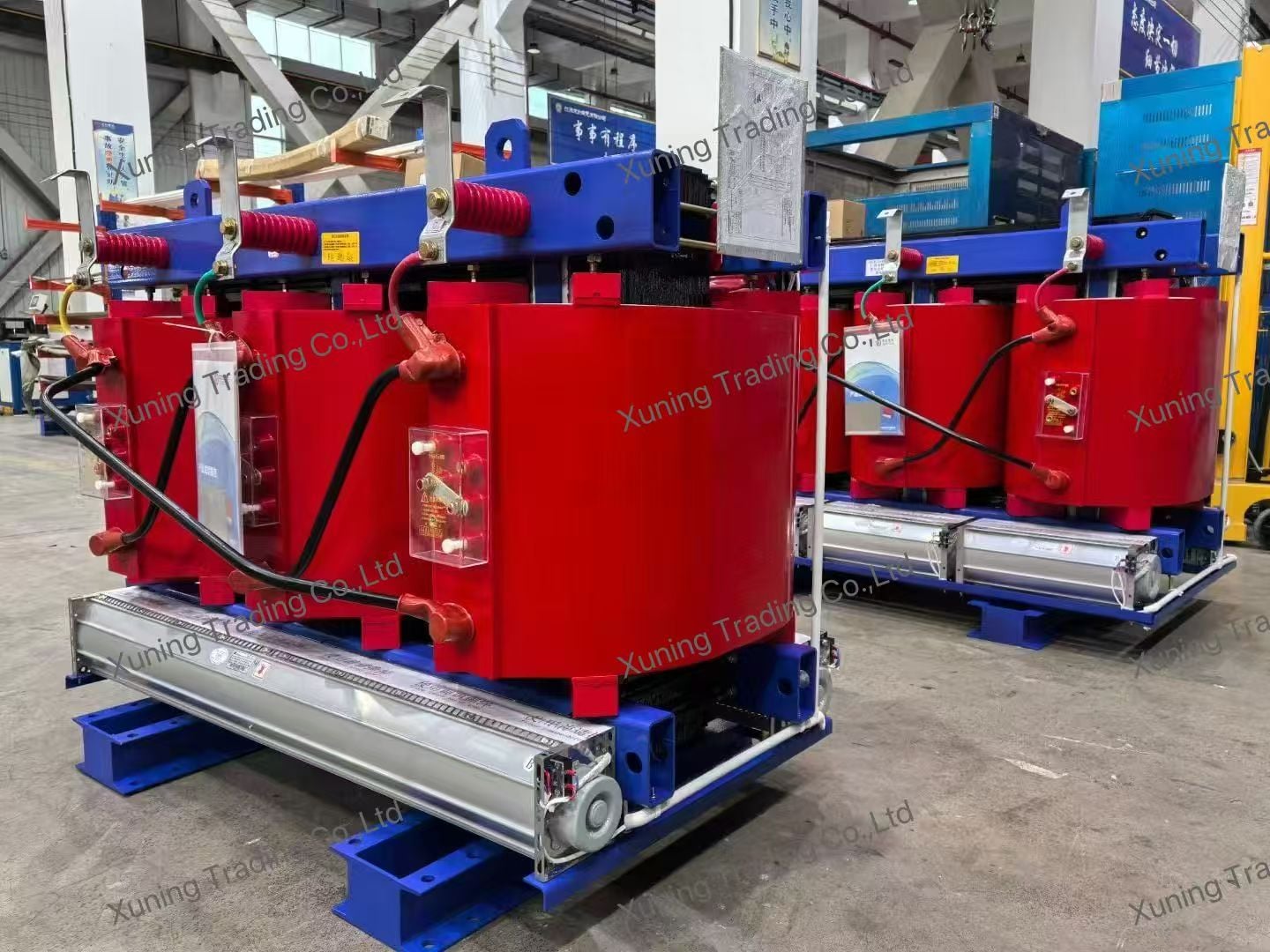
Safety in electrical installations remains a critical concern for industrial and commercial facilities worldwide. The dry type transformer has emerged as a transformative solution for indoor environments, fundamentally changing how organizations approach electrical safety and system reliability. Unlike traditional oil-cooled transformers, a dry type transformer eliminates the fire risk associated with flammable cooling fluids, making it an ideal choice for facilities located near sensitive areas, residential zones, or environments with strict safety regulations. Understanding how a dry type transformer improves safety in indoor installations is essential for facility managers, electrical engineers, and decision-makers responsible for infrastructure planning.
The shift toward dry type transformer technology reflects a broader industry recognition that traditional cooling methods introduce unnecessary hazards into indoor spaces. A dry type transformer operates using solid insulation and air cooling mechanisms rather than flammable oils, dramatically reducing environmental contamination risks and simplifying regulatory compliance. This fundamental design difference creates multiple safety advantages that extend beyond fire prevention, encompassing electrical performance, maintenance accessibility, and long-term operational reliability in confined or densely populated indoor settings.
Fire Safety and Risk Elimination
The Advantage of Non-Flammable Design
A dry type transformer eliminates one of the most serious hazards present in traditional transformer installations: the risk of catastrophic fire caused by oil leakage or ignition. The solid insulation materials used in a dry type transformer cannot burn, ignite spontaneously, or create toxic fumes under normal operating conditions. This fundamental safety feature makes a dry type transformer the preferred choice for buildings with occupancy restrictions, such as hospitals, data centers, schools, and residential complexes. When a dry type transformer is installed indoors, facility managers can eliminate expensive fire suppression systems, containment structures, and specialized ventilation requirements that are mandatory for oil-cooled equipment.
Regulatory Compliance and Insurance Benefits
Installation of a dry type transformer in indoor spaces simplifies compliance with fire codes and electrical safety standards across most jurisdictions. Building codes in many regions require that a dry type transformer be preferred over oil-cooled alternatives when space constraints or safety proximity limits apply. Insurance providers often recognize the inherent safety benefits of a dry type transformer by offering reduced premiums and streamlined coverage terms, recognizing that the risk profile is substantially lower than traditional equipment. Choosing a dry type transformer directly addresses regulatory barriers that might otherwise prevent facility expansion or equipment upgrades in sensitive locations.
Environmental Protection and Contamination Control
Eliminating Oil Spill Hazards
A dry type transformer produces no cooling fluid that could potentially leak, spill, or contaminate surrounding environments. Traditional transformers require containment structures, drain systems, and regular inspection protocols to manage oil-related environmental risks. In contrast, a dry type transformer requires no secondary containment, eliminating the infrastructure costs and ongoing maintenance burden associated with fluid management. This characteristic makes a dry type transformer particularly valuable in facilities adjacent to groundwater sources, storm drain systems, or areas where environmental liability carries significant financial consequences.
Simplified Maintenance and Environmental Responsibility
Operators managing a dry type transformer face significantly reduced environmental monitoring requirements compared to oil-cooled equipment. A dry type transformer does not require fluid sampling, analysis, or periodic oil replacement, eliminating waste disposal processes and associated environmental paperwork. The absence of cooling fluid means a dry type transformer can be installed closer to sensitive operations without risk of fluid contamination affecting product quality, sterile environments, or sensitive equipment. This operational simplicity and environmental responsibility strengthen institutional reputation and demonstrate corporate commitment to sustainable facility management practices.
Reliability and Performance in Indoor Environments
Thermal Management Without Fluid Dependency
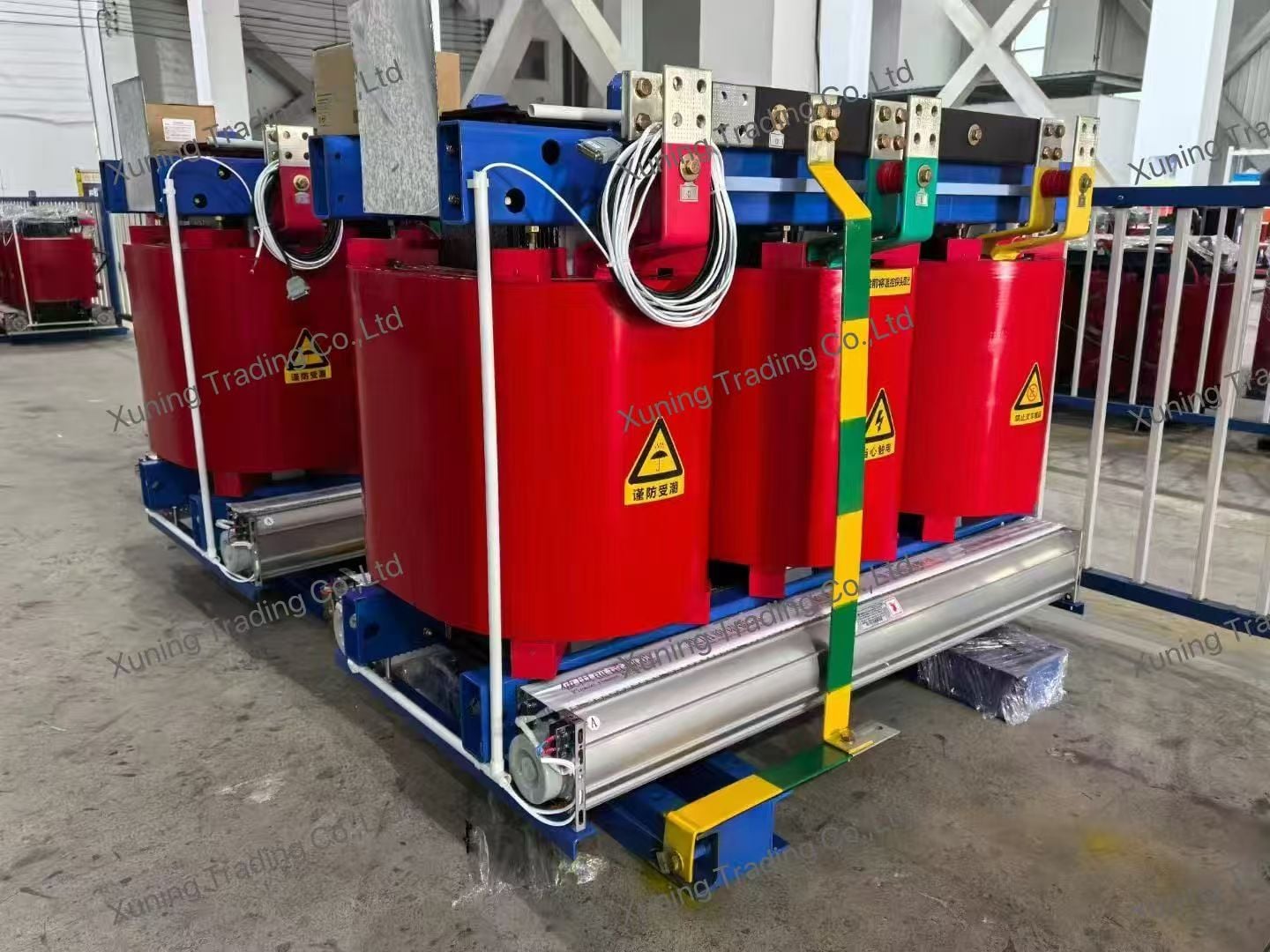
A dry type transformer maintains consistent performance and safety characteristics across wide temperature ranges and humidity variations commonly found in indoor industrial spaces. The solid insulation system in a dry type transformer does not degrade due to moisture absorption as rapidly as traditional materials, and the absence of cooling fluid eliminates performance variability associated with fluid viscosity changes. When a dry type transformer operates in temperature-controlled indoor environments, thermal stability remains predictable and reliable, reducing the likelihood of performance degradation that could trigger unexpected shutdowns or safety interventions.
Accessibility and Fault Detection
Because a dry type transformer does not require specialized ventilation ducting, cooling circulation systems, or oil containment infrastructure, installation within congested industrial spaces becomes straightforward and cost-effective. Technicians can access a dry type transformer for inspection, testing, and maintenance without navigating complex fluid management systems or waiting for cooling down periods. The absence of oil means a dry type transformer cooling surfaces remain visible and cleanable using standard industrial methods, enabling early detection of dust accumulation or other factors that might affect thermal performance. This accessibility directly translates into faster fault identification and more responsive maintenance procedures.
FAQ
What fire safety advantages does a dry type transformer offer compared to oil-cooled models?
A dry type transformer uses solid insulation that cannot ignite, burn, or release flammable vapor, eliminating the primary fire risk present in traditional oil-cooled transformers. This makes a dry type transformer suitable for installation in enclosed spaces without requiring expensive fire suppression systems, containment areas, or specialized ventilation infrastructure. The non-flammable design of a dry type transformer directly reduces insurance costs and simplifies regulatory compliance for facilities with strict occupancy or proximity requirements.
Can a dry type transformer be installed in any indoor location?
While a dry type transformer is substantially more flexible than oil-cooled alternatives, installation requirements still depend on ambient temperature, humidity levels, dust conditions, and available cooling air circulation. A dry type transformer should not be placed in excessively humid environments without proper dehumidification, nor in spaces with extreme temperature fluctuations that exceed manufacturer specifications. Consulting installation guidelines ensures a dry type transformer operates safely and maintains rated performance across the intended indoor environment's specific conditions.
How does a dry type transformer reduce total cost of ownership?
A dry type transformer eliminates expenses associated with oil purchase, fluid analysis, disposal, containment infrastructure, and specialized fire suppression systems required for traditional transformers. Additionally, a dry type transformer reduces insurance premiums, simplifies maintenance procedures, and requires less frequent servicing than oil-cooled equipment. The combined effect of lower operational costs, reduced environmental liability, and simplified regulatory compliance makes a dry type transformer a financially attractive choice for indoor installations despite potentially higher initial capital expense.
