 EN
EN

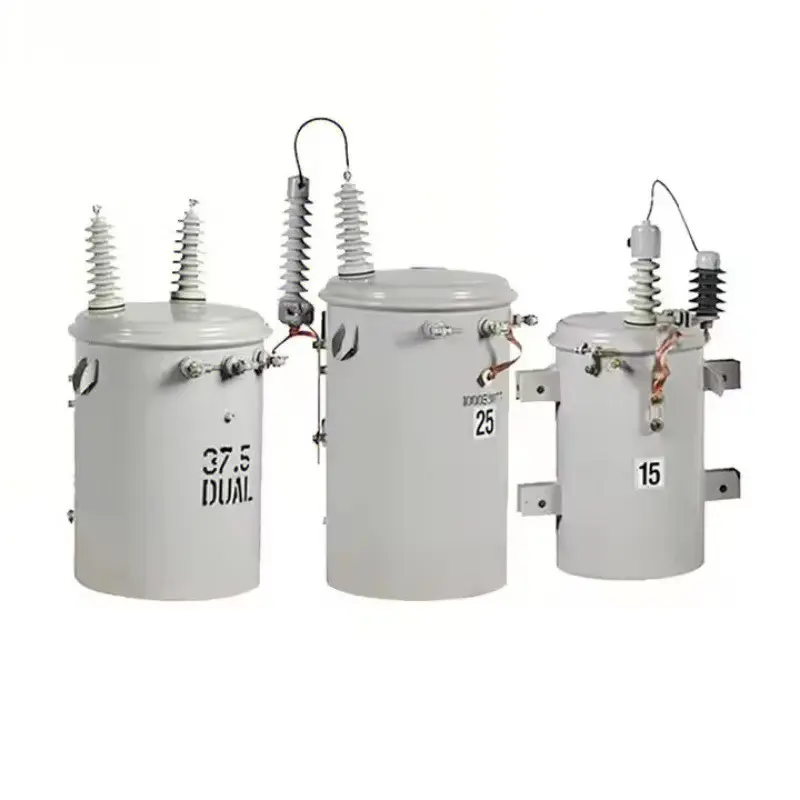
Installing a single phase pole mounted transformer requires careful planning and adherence to specific technical requirements to ensure safe and reliable electrical distribution. These transformers serve as crucial components in electrical power systems, converting high voltage electricity to lower voltages suitable for residential and commercial applications. Understanding the installation considerations for a single phase pole mounted transformer helps prevent costly mistakes and ensures optimal performance throughout the equipment's operational life. From site preparation to safety protocols, each aspect of the installation process demands attention to detail and compliance with local electrical codes and utility standards.
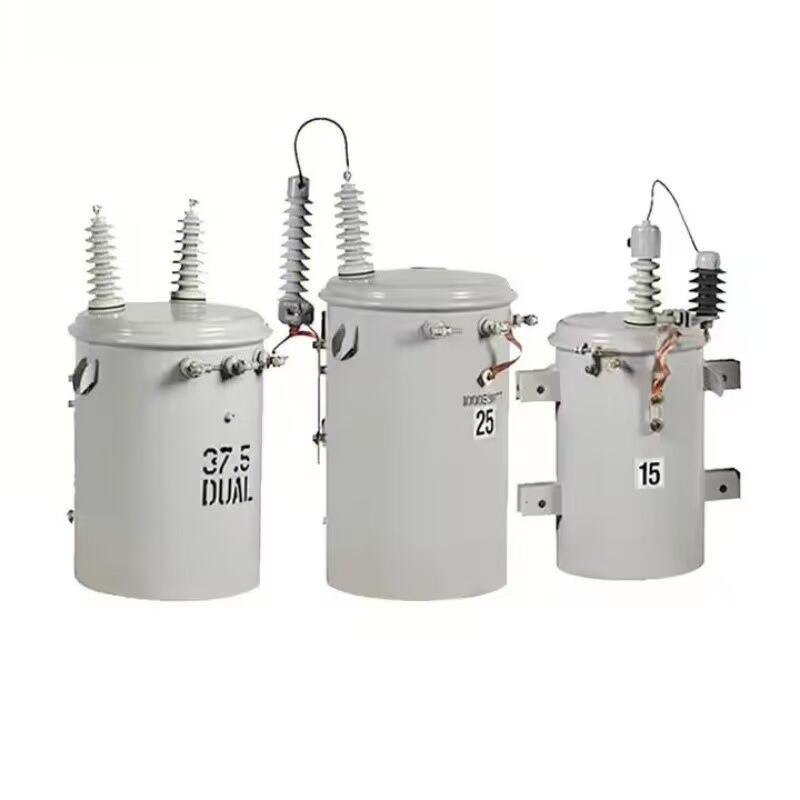
Site Assessment and Preparation Requirements
Environmental and Geographic Considerations
Before installing any single phase pole mounted transformer, conducting a thorough site assessment determines the feasibility and requirements for the installation. Environmental factors such as climate conditions, soil composition, and local weather patterns significantly impact transformer selection and mounting specifications. Areas prone to extreme temperatures, high humidity, or frequent storms require specialized considerations for both the transformer housing and mounting hardware. Geographic features including elevation, proximity to water bodies, and seismic activity zones influence foundation requirements and structural support systems.
Soil analysis plays a critical role in determining the appropriate foundation type and depth for pole installation. Different soil types provide varying levels of stability and drainage characteristics that affect both the immediate installation process and long-term structural integrity. Rocky terrain may require specialized drilling equipment, while sandy or clay soils might need additional reinforcement measures. Ground water levels and seasonal variations must be considered to prevent foundation settling or corrosion issues that could compromise the single phase pole mounted transformer installation over time.
Clearance and Accessibility Planning
Proper clearance planning ensures adequate space for installation, maintenance, and emergency access around the transformer location. National Electrical Code requirements specify minimum distances from buildings, property lines, and other electrical equipment to maintain safety standards and prevent electrical hazards. These clearances also facilitate routine maintenance procedures and provide sufficient working space for qualified technicians when servicing the single phase pole mounted transformer equipment. Additionally, consideration for future infrastructure development helps prevent conflicts with planned construction or utility expansions.
Access routes for installation equipment and maintenance vehicles require careful evaluation during the planning phase. Heavy machinery needed for pole setting and transformer installation must have clear pathways to the installation site without damaging existing infrastructure or landscaping. Emergency access considerations include ensuring fire department vehicles and utility crews can reach the equipment quickly when needed. Proper access planning also accounts for seasonal variations that might affect road conditions or restrict vehicle movement during certain times of the year.
Electrical Design and Load Analysis
Load Calculation and Capacity Planning
Accurate load calculations form the foundation for selecting the appropriate single phase pole mounted transformer capacity and configuration. Load analysis involves evaluating current electrical demands and projecting future growth to ensure the transformer can handle both present and anticipated electrical loads. This analysis considers factors such as residential growth patterns, commercial development plans, and seasonal load variations that affect overall electrical demand. Proper capacity planning prevents overloading situations that could lead to equipment failure or service interruptions.
Demand factor calculations help determine the actual simultaneous load versus the connected load, providing more accurate sizing requirements for the transformer installation. These calculations account for diversity factors that recognize not all connected loads operate simultaneously at maximum capacity. Understanding load characteristics such as power factor, harmonic content, and load switching patterns helps optimize transformer selection and performance. Additionally, consideration for load balancing across phases ensures efficient operation and prevents uneven loading conditions that could affect transformer life expectancy.
Primary and Secondary Connection Planning
Primary connection planning involves coordinating with the utility company to establish proper high-voltage feed connections and protective equipment integration. The primary voltage level and connection configuration must match both utility standards and the specific requirements of the single phase pole mounted transformer installation. Coordination includes determining fault current levels, protective device coordination, and backup protection schemes to ensure reliable operation and system protection. Primary connection methods vary depending on utility practices and local electrical codes governing overhead distribution systems.
Secondary connection design focuses on the low-voltage distribution network that serves end customers and electrical loads. Secondary voltage selection depends on local standards and customer requirements, with common configurations including 120/240V single phase for residential applications. Proper secondary connection planning includes determining conductor sizes, routing methods, and connection hardware specifications that ensure safe and reliable power delivery. Secondary protection requirements include appropriate fusing or circuit breaker coordination to protect both the transformer and downstream electrical equipment from overcurrent conditions.
Mechanical Installation Specifications
Pole Selection and Foundation Requirements
Selecting the appropriate pole type and size requires careful consideration of the transformer weight, wind loading, and local environmental conditions. Pole materials including wood, concrete, and steel each offer different advantages in terms of cost, durability, and installation requirements. The pole must provide adequate strength to support not only the single phase pole mounted transformer but also associated hardware, conductors, and additional equipment such as surge arresters or disconnect switches. Wind loading calculations determine the required pole class and embedment depth to withstand local wind conditions and maintain structural integrity throughout the installation's service life.
Foundation design depends on pole type, soil conditions, and local building codes that govern utility installations. Direct burial installations require proper backfill materials and compaction procedures to ensure long-term stability and prevent settling. Concrete foundations may be necessary in areas with poor soil conditions or high wind loading requirements. Foundation design must also consider frost line depths in cold climates to prevent heaving or movement that could affect transformer alignment and electrical connections. Proper drainage around the foundation prevents water accumulation that could lead to corrosion or stability issues.
Mounting Hardware and Support Systems
Transformer mounting hardware must be designed to securely attach the single phase pole mounted transformer to the support pole while allowing for thermal expansion and vibration. Mounting brackets and hardware should be constructed from corrosion-resistant materials suitable for the local environment and expected service life. The mounting system must distribute the transformer weight evenly across the pole structure and provide adequate support for all operational conditions including wind loading and seismic activity. Proper hardware selection includes consideration for maintenance accessibility and the ability to safely remove or replace the transformer when necessary.
Support system design includes provisions for conductor attachment, grounding connections, and auxiliary equipment mounting. Conductor support hardware must maintain proper electrical clearances while providing secure mechanical support for both primary and secondary connections. The support system should accommodate conductor thermal expansion and contraction to prevent mechanical stress on electrical connections. Additionally, the mounting configuration should facilitate proper transformer cooling and ventilation to ensure optimal operating temperatures and equipment longevity.
Safety Protocols and Code Compliance
Electrical Safety Requirements
Electrical safety protocols during single phase pole mounted transformer installation require strict adherence to established procedures and safety standards. All work must be performed by qualified personnel with appropriate training and certification for high-voltage electrical work. Proper lockout/tagout procedures ensure the electrical circuit is de-energized and secured before beginning installation work. Personal protective equipment requirements include appropriate voltage-rated gloves, face shields, and arc-rated clothing suitable for the voltage levels involved in the installation process.
Ground fault protection and electrical isolation procedures prevent accidental energization during installation activities. Temporary grounding systems provide additional safety measures during the installation process, ensuring any induced voltages or accidental contact with energized conductors is safely dissipated. Safety clearances must be maintained around energized equipment, and proper barriers or warning signs alert other personnel to electrical hazards in the work area. Emergency response procedures should be established and communicated to all personnel involved in the installation process.
Regulatory Compliance and Inspection Requirements
Regulatory compliance involves meeting all applicable local, state, and federal codes governing electrical installations and utility equipment. Building permit requirements vary by jurisdiction and may require detailed installation plans, engineering calculations, and approval processes before work can begin. The National Electrical Code provides minimum safety standards that must be followed, while local amendments may impose additional requirements specific to the area. Utility company standards and interconnection agreements establish specific technical requirements for single phase pole mounted transformer installations connecting to their distribution system.
Inspection procedures typically involve multiple stages including pre-installation plan review, installation progress inspections, and final acceptance testing. Qualified inspectors verify compliance with approved plans and applicable codes throughout the installation process. Documentation requirements include maintaining records of materials used, testing results, and compliance certifications that demonstrate proper installation procedures were followed. Final commissioning tests verify proper operation and safety of the completed installation before energization and service connection.
Testing and Commissioning Procedures
Pre-Energization Testing
Pre-energization testing procedures verify the integrity and proper installation of all single phase pole mounted transformer components before connecting to the electrical system. Insulation resistance testing checks for proper isolation between windings and between windings and ground, ensuring no moisture or contamination has compromised the transformer's electrical integrity. Continuity testing verifies proper electrical connections and identifies any open circuits or connection problems that could affect transformer operation. These tests help identify installation problems that can be corrected before energization, preventing equipment damage or safety hazards.
Mechanical inspection procedures verify proper transformer mounting, connection security, and clearance compliance before energization. All hardware connections should be checked for proper torque specifications to ensure reliable long-term performance. Visual inspection identifies any physical damage that may have occurred during installation or any installation defects that require correction. Grounding system testing verifies proper electrical continuity and resistance values to ensure effective safety grounding throughout the installation.
System Integration and Performance Verification
System integration testing verifies proper operation of the single phase pole mounted transformer within the broader electrical distribution system. Voltage regulation testing checks that output voltages remain within acceptable limits under various load conditions, ensuring proper customer service voltage levels. Load testing verifies the transformer can handle its rated capacity without overheating or performance degradation. Protection system testing ensures proper coordination between protective devices and verifies that fault conditions will be cleared safely and reliably.
Performance verification includes monitoring key operational parameters such as transformer temperatures, voltage levels, and load currents during initial operation periods. This monitoring helps identify any performance issues or installation problems that may not be apparent during initial testing but could affect long-term reliability. Documentation of baseline performance parameters provides reference data for future maintenance and troubleshooting activities. Proper commissioning procedures establish a foundation for reliable operation throughout the transformer's service life.
FAQ
What permits are required for installing a single phase pole mounted transformer
Installation permits typically include electrical permits from local building departments and utility interconnection agreements with the serving electric utility company. Building permits may require detailed installation drawings, engineering calculations, and compliance documentation demonstrating adherence to local electrical codes and zoning requirements. Utility permits ensure proper coordination with existing distribution systems and compliance with utility construction standards. Some jurisdictions may also require environmental permits if the installation affects sensitive areas or requires tree removal. The specific permit requirements vary significantly by location, so consulting with local authorities early in the planning process helps ensure all necessary approvals are obtained before beginning work.
How deep should the pole be buried for a single phase pole mounted transformer installation
Pole burial depth depends on pole class, height, soil conditions, and local wind loading requirements, typically ranging from 6 to 10 feet for standard distribution installations. The general rule requires burying approximately 10% of the pole length plus 2 feet, though this may be modified based on soil conditions and engineering requirements. Rocky or unstable soils may require deeper burial or concrete foundations for adequate support. Local building codes and utility standards provide specific requirements that must be followed for each installation. Professional engineering analysis may be required for unusual soil conditions or high wind areas to determine appropriate burial depths and foundation requirements.
What safety clearances are required around a pole mounted transformer
Safety clearances around pole mounted transformers must comply with National Electrical Code requirements and local utility standards, typically requiring minimum distances of 8 to 12 feet horizontally from buildings and 15 to 25 feet vertically from overhead conductors. Ground clearances require minimum heights above grade for low-voltage conductors and transformer components to prevent accidental contact. Working space clearances ensure adequate room for maintenance personnel to safely perform routine service and emergency repairs. These clearances may be increased in areas with special conditions such as schools, hospitals, or high pedestrian traffic areas. Local codes may impose additional clearance requirements beyond national standards.
How long does it take to install a single phase pole mounted transformer
Installation time varies significantly based on site conditions, permit approval processes, and utility coordination requirements, typically ranging from several weeks to several months for complete project completion. Site preparation and pole installation can often be completed in 1-2 days with appropriate equipment and favorable conditions. Transformer installation and electrical connections typically require an additional day for completion by qualified utility crews. However, the overall project timeline is usually determined by permit processing, utility coordination, and material procurement rather than actual installation work. Complex installations or those requiring special equipment or challenging site conditions may require additional time for proper completion and testing.
Table of Contents
- Site Assessment and Preparation Requirements
- Electrical Design and Load Analysis
- Mechanical Installation Specifications
- Safety Protocols and Code Compliance
- Testing and Commissioning Procedures
-
FAQ
- What permits are required for installing a single phase pole mounted transformer
- How deep should the pole be buried for a single phase pole mounted transformer installation
- What safety clearances are required around a pole mounted transformer
- How long does it take to install a single phase pole mounted transformer
