 EN
EN

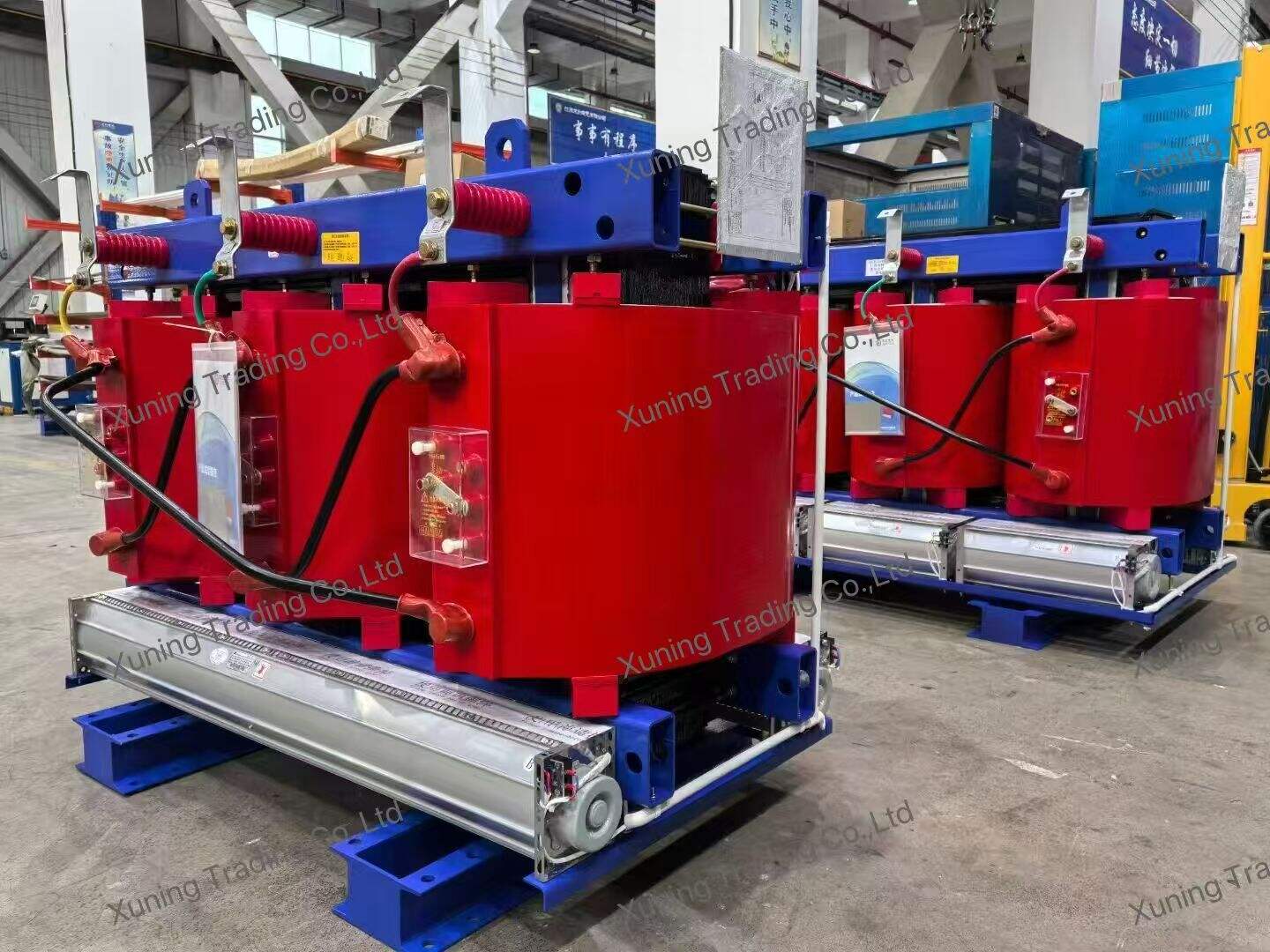
Transformers serve as the backbone of modern power systems, enabling the efficient transmission and distribution of electrical energy across vast networks. These electromagnetic devices facilitate voltage transformation, allowing electricity to travel long distances with minimal losses before being stepped down to safe, usable levels for consumers. Understanding how transformers and their various types support modern power systems is crucial for electrical engineers, utilities, and anyone involved in power infrastructure development.
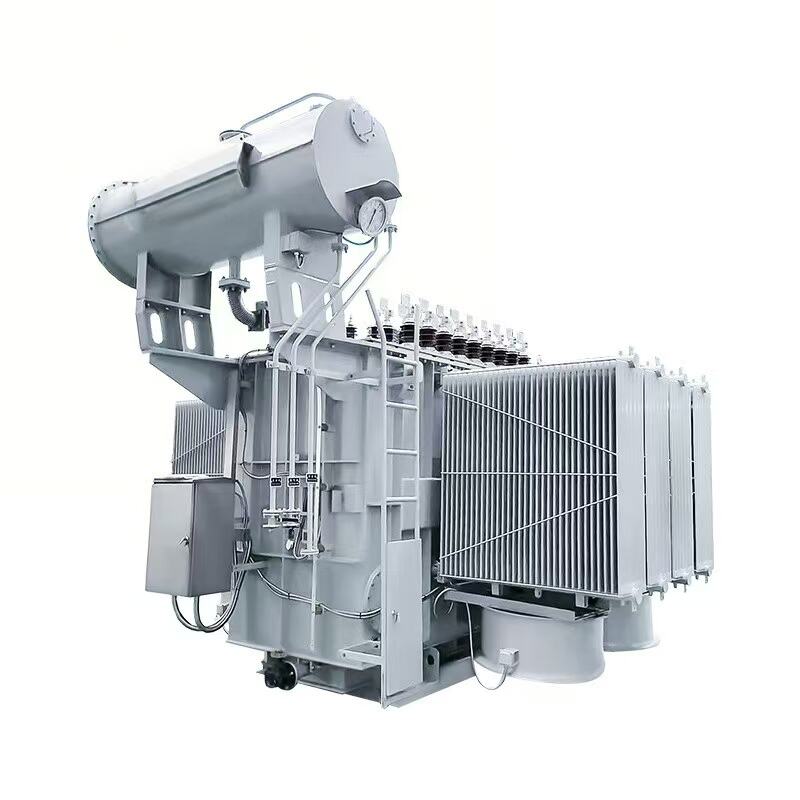
Modern power systems rely on sophisticated transformer networks to maintain grid stability, accommodate varying load demands, and ensure reliable electricity supply. The strategic deployment of different transformer types throughout the power infrastructure creates a seamless energy delivery system that spans from generation facilities to end-user applications. This comprehensive approach to transformer utilization enables utilities to optimize power flow, minimize energy losses, and maintain consistent service quality across diverse operational scenarios.
The Fundamental Role of Transformers in Power System Operations
Voltage Level Management and Grid Hierarchy
Transformers establish the voltage hierarchy that defines modern power system architecture, creating distinct operational levels that optimize energy transmission efficiency. Generation facilities typically produce electricity at medium voltage levels, which must be stepped up to high transmission voltages for long-distance transport. This voltage elevation reduces current flow for the same power transfer, significantly minimizing resistive losses across transmission lines. The systematic voltage management enabled by transformers allows utilities to maintain economic viability while serving geographically dispersed load centers.
Distribution systems utilize transformers to create multiple voltage tiers that accommodate different customer categories and load requirements. Primary distribution networks typically operate at medium voltages between 4kV and 35kV, while secondary distribution systems provide low voltages suitable for residential and commercial applications. This hierarchical structure enables utilities to optimize equipment sizing, reduce infrastructure costs, and maintain service reliability across diverse customer segments. The voltage transformation capabilities of transformers make this multi-tier approach possible and economically justified.
Grid interconnection between different utilities and regional networks relies heavily on transformers to manage voltage compatibility and power flow control. These devices enable seamless energy exchange between systems operating at different voltage levels, supporting grid stability and resource optimization. Interconnection transformers often incorporate advanced features such as load tap changers and phase angle control to facilitate dynamic grid management and maintain optimal power flow patterns during varying operational conditions.
Power Quality Enhancement and System Stability
Transformers contribute significantly to power quality enhancement by providing electrical isolation between different system segments and filtering harmonic disturbances. The magnetic coupling inherent in transformer design naturally attenuates high-frequency noise and transient disturbances that could otherwise propagate throughout the power system. This isolation effect becomes particularly valuable in industrial environments where nonlinear loads generate harmonic currents that could interfere with sensitive equipment operation.
Modern transformers incorporate design features that actively support system stability during fault conditions and load variations. Impedance characteristics of transformers help limit fault currents to manageable levels, protecting downstream equipment and maintaining service to unaffected system areas. The inherent inductance of transformer windings provides reactive power support that helps maintain voltage stability during heavy loading conditions or system disturbances.
Grounding transformers play a specialized role in establishing neutral points for ungrounded systems, enabling proper protection coordination and reducing the risk of overvoltages during ground fault conditions. These devices support overall system safety by providing controlled paths for fault currents and enabling effective operation of protective relaying systems. The strategic placement of grounding transformers throughout the power system ensures consistent protection performance and maintains personnel safety standards.
Power Transformer Types and Their Specific Applications
Step-Up Transformers in Generation and Transmission
Step-up transformers at generation facilities perform the critical function of elevating generator output voltage to transmission levels, enabling efficient long-distance power transfer. These large-capacity units typically handle power levels ranging from tens to hundreds of megavolt-amperes, with voltage ratios that may exceed 20:1. The high-voltage secondary windings of generation transformers feed directly into transmission substations, where additional switching and protection equipment manages power flow to the broader grid network.
Transmission system transformers facilitate voltage elevation at intermediate points throughout the network, accommodating different transmission voltage levels and optimizing power transfer capacity. These units enable utilities to utilize existing transmission corridors more effectively by allowing higher voltage operation on selected lines. The application of transformers in transmission systems supports grid expansion without requiring entirely new transmission corridors, providing economic benefits while maintaining system reliability.
Auto-transformers serve specialized roles in transmission applications where voltage ratios are relatively modest and efficiency considerations are paramount. These devices achieve voltage transformation using a single winding with multiple taps, reducing material requirements and improving efficiency compared to conventional two-winding designs. Auto-transformers commonly interconnect transmission systems operating at related voltage levels, such as 345kV and 500kV networks, supporting flexible power transfer between different system segments.
Distribution Transformers and Customer Interface
Distribution transformers represent the final voltage transformation stage before electricity reaches end-use customers, stepping down medium distribution voltages to utilization levels. These ubiquitous devices appear in numerous configurations, including pole-mounted units for overhead distribution systems and pad-mounted transformers for underground networks. The widespread deployment of distribution transformers enables utilities to serve diverse customer types while maintaining standardized distribution voltage levels throughout service territories.
Single-phase distribution transformers serve residential customers and small commercial loads, providing the 120/240V split-phase service common in North American electrical systems. These units typically range from 10kVA to 100kVA in capacity and incorporate design features that minimize audible noise and visual impact in residential environments. The reliability and longevity of distribution transformers directly impact customer satisfaction and utility maintenance costs, making quality design and manufacturing essential considerations.
Three-phase distribution transformers support larger commercial and industrial customers requiring higher power levels and balanced three-phase supply. These units may utilize various winding connections, such as delta-wye or wye-wye configurations, to provide appropriate voltage relationships and grounding arrangements for specific customer requirements. The flexibility of three-phase transformer connections enables utilities to accommodate diverse load characteristics while maintaining standardized primary distribution systems.
Specialized Transformer Technologies for Modern Grid Requirements
Smart Transformers and Digital Integration
Smart transformers incorporate advanced monitoring and control technologies that enable real-time assessment of transformer condition and loading. These intelligent devices provide continuous data on temperature, load current, voltage levels, and other critical parameters that support predictive maintenance programs and optimal asset utilization. The integration of smart transformers into modern power systems enhances grid visibility and enables more sophisticated operational strategies that improve efficiency and reliability.
Digital communication capabilities in smart transformers support advanced grid management systems by providing granular data on power flow patterns and equipment status. This information enables utilities to implement dynamic load management, optimize power factor correction, and coordinate distributed energy resource integration. The communication infrastructure associated with smart transformers contributes to the broader smart grid initiative by creating data-rich environments that support analytical decision-making.
Remote monitoring capabilities of modern transformers reduce the need for manual inspections and enable proactive maintenance scheduling based on actual equipment condition rather than predetermined intervals. This condition-based maintenance approach improves asset utilization, reduces operational costs, and minimizes the risk of unexpected failures. The data collected from smart transformers also supports long-term planning decisions by providing insights into actual loading patterns and equipment performance trends.
Renewable Energy Integration and Grid Flexibility
Transformers play essential roles in integrating renewable energy sources into existing power systems, accommodating the unique characteristics of wind, solar, and other distributed generation technologies. These applications often require transformers with enhanced capability to handle bidirectional power flow, voltage variations, and harmonic content associated with power electronic interfaces. The proper selection and application of transformers in renewable energy systems directly impacts the successful integration of these resources into the broader grid infrastructure.
Wind farm transformers must accommodate the variable output and specialized grounding requirements associated with wind turbine generators. These units often incorporate features such as load tap changers to manage voltage variations and specialized protection systems to coordinate with wind farm control systems. The offshore application of wind farm transformers presents additional challenges related to environmental exposure and maintenance accessibility, requiring robust designs and enhanced monitoring capabilities.
Solar photovoltaic installations utilize transformers to interface with distribution systems and manage the unique characteristics of inverter-based generation. These applications may require transformers with enhanced capability to handle harmonic currents and provide appropriate grounding for photovoltaic arrays. The distributed nature of solar installations creates opportunities for innovative transformer applications that support local voltage regulation and power quality enhancement while facilitating integration with existing distribution infrastructure.
Future Trends and Technological Advancement in Transformer Design
Materials Innovation and Efficiency Improvement
Advanced magnetic materials continue to drive improvements in transformer efficiency and performance characteristics, enabling more compact designs with reduced losses. High-grade silicon steel and amorphous metal cores provide superior magnetic properties that translate into lower no-load losses and improved energy efficiency. These material innovations support utility efforts to reduce system losses and environmental impact while maintaining reliable power delivery performance.
Insulation system advancements enable transformers to operate at higher power densities and withstand more severe environmental conditions. Modern insulation materials and designs support extended equipment life and improved reliability under diverse operating conditions. The development of biodegradable insulating fluids addresses environmental concerns while maintaining or improving electrical performance characteristics, supporting sustainable power system development.
Superconducting transformer technology represents a potential breakthrough for high-capacity applications, offering dramatically reduced losses and compact designs. These advanced transformers utilize superconducting windings that eliminate resistive losses under normal operating conditions. While currently limited by cooling system requirements and cost considerations, superconducting transformers may find applications in critical installations where space constraints and efficiency requirements justify the additional complexity.
Grid Modernization and Adaptive Infrastructure
Power electronic transformers represent an emerging technology that combines traditional magnetic transformation with solid-state switching and control capabilities. These devices enable precise control of voltage magnitude and phase angle, supporting advanced grid management functions such as power flow control and voltage regulation. The integration of power electronics into transformer design creates opportunities for enhanced grid flexibility and improved integration of distributed energy resources.
Modular transformer designs enable more flexible deployment strategies and simplified maintenance procedures, supporting the evolving requirements of modern power systems. These approaches allow utilities to scale capacity incrementally and reduce the impact of maintenance activities on system reliability. Modular designs also support standardization initiatives that reduce costs and improve spare parts availability across diverse transformer applications.
Artificial intelligence and machine learning applications in transformer monitoring and control systems enable predictive analytics and autonomous optimization of transformer operation. These technologies support more sophisticated maintenance strategies and enable transformers to adapt their operation to changing system conditions automatically. The integration of AI capabilities into transformer systems represents a significant advancement in autonomous grid management and operational optimization.
FAQ
What makes transformers essential for efficient power transmission over long distances?
Transformers enable efficient long-distance power transmission by stepping up voltage levels at generation facilities, which dramatically reduces current flow for the same power transfer. Lower current levels result in significantly reduced resistive losses in transmission lines, making it economically feasible to transport electricity across hundreds of miles. Without transformers to manage voltage levels, the energy losses during transmission would make distant power generation economically unviable, limiting the development of large-scale power grids.
How do different transformer types contribute to power system reliability?
Different transformer types contribute to power system reliability through specialized functions that address specific operational requirements. Step-up transformers ensure efficient generation interface, distribution transformers provide voltage levels suitable for customer equipment, and protective transformers support system stability during fault conditions. This diversity of transformer applications creates redundant pathways for power delivery and enables utilities to isolate problems without affecting the entire system, significantly enhancing overall grid reliability.
What role do transformers play in integrating renewable energy sources into the grid?
Transformers facilitate renewable energy integration by providing voltage transformation, electrical isolation, and grid interface capabilities necessary for connecting variable generation sources to existing power systems. They accommodate the bidirectional power flow characteristics of distributed generation and help manage voltage variations associated with renewable resources. Specialized transformer designs for renewable applications include features such as enhanced harmonic handling capabilities and advanced monitoring systems that support grid stability while maximizing renewable energy utilization.
How do modern smart transformers enhance power system operations?
Smart transformers enhance power system operations by providing real-time monitoring data, enabling predictive maintenance strategies, and supporting dynamic grid management functions. These devices continuously monitor critical parameters such as temperature, loading, and power quality, transmitting this information to grid operators for analysis and decision-making. The advanced capabilities of smart transformers enable utilities to optimize asset utilization, reduce maintenance costs, and improve system reliability through data-driven operational strategies that respond to actual equipment conditions rather than predetermined schedules.
Table of Contents
- The Fundamental Role of Transformers in Power System Operations
- Power Transformer Types and Their Specific Applications
- Specialized Transformer Technologies for Modern Grid Requirements
- Future Trends and Technological Advancement in Transformer Design
-
FAQ
- What makes transformers essential for efficient power transmission over long distances?
- How do different transformer types contribute to power system reliability?
- What role do transformers play in integrating renewable energy sources into the grid?
- How do modern smart transformers enhance power system operations?
