 EN
EN

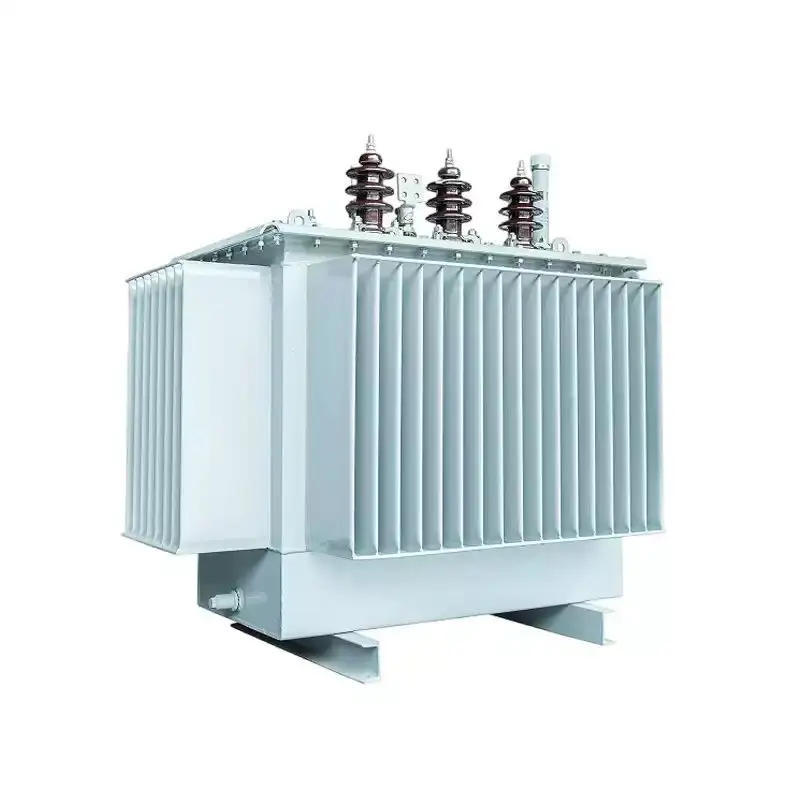
When selecting an outdoor electrical distribution panel for industrial or commercial applications, safety must be the top priority. These critical electrical components face harsh environmental conditions while maintaining reliable power distribution across facilities. Understanding the essential safety features of an outdoor electrical distribution panel ensures operational continuity and protects personnel from electrical hazards. Modern electrical distribution systems require robust protection mechanisms that can withstand weather extremes, moisture ingress, and mechanical impacts while maintaining optimal performance standards.
Environmental Protection Features
Weatherproofing and Ingress Protection
The enclosure of an outdoor electrical distribution panel must provide adequate protection against environmental elements. IP (Ingress Protection) ratings indicate the level of protection against solid particles and liquid ingress. For outdoor applications, panels should meet minimum IP65 ratings to ensure protection against dust ingress and low-pressure water jets from any direction. Higher-rated enclosures with IP66 or IP67 specifications offer enhanced protection against powerful water jets and temporary immersion scenarios.
Corrosion-resistant materials such as stainless steel, aluminum alloys, or specially treated carbon steel provide long-term durability in harsh outdoor environments. The enclosure design should incorporate proper drainage systems and ventilation mechanisms to prevent moisture accumulation inside the panel. Gasket sealing systems around doors and access points create additional barriers against water and dust penetration, ensuring the electrical components remain protected throughout the panel's operational lifespan.
Temperature Management Systems
Temperature fluctuations pose significant challenges to outdoor electrical distribution panel performance and component longevity. Effective thermal management systems include forced ventilation fans, louvers, and heat exchangers that maintain optimal internal temperatures. These systems prevent overheating during high ambient temperature conditions while ensuring proper air circulation to remove heat generated by electrical components.
Advanced temperature monitoring systems with digital displays and alarm functions alert operators to temperature excursions before they cause equipment damage. Some panels incorporate heating elements for cold climate applications to prevent condensation formation and ensure reliable operation during freezing conditions. Proper thermal management extends component life, reduces maintenance requirements, and maintains consistent electrical performance across varying environmental conditions.
Electrical Safety Protection Systems
Circuit Protection Mechanisms
Comprehensive circuit protection forms the foundation of electrical safety in any outdoor electrical distribution panel. Circuit breakers, fuses, and protective relays provide multiple layers of overcurrent protection, preventing electrical fires and equipment damage. Modern panels incorporate intelligent protective devices that can communicate fault conditions and system status to centralized monitoring systems.
Ground fault circuit interrupters (GFCI) and arc fault circuit interrupters (AFCI) provide additional safety measures against electrical shock and fire hazards. These devices continuously monitor electrical circuits for anomalies and immediately disconnect power when dangerous conditions are detected. Surge protection devices protect sensitive equipment from voltage spikes caused by lightning strikes or switching transients, preserving the integrity of connected electrical systems.
Grounding and Bonding Systems
Proper grounding and bonding systems ensure personnel safety and equipment protection in outdoor electrical distribution panel installations. Equipment grounding conductors provide a low-impedance path for fault currents, enabling protective devices to operate quickly and clear dangerous faults. Grounding electrode systems establish a reference point for the electrical system and provide a path for lightning and surge currents to dissipate safely into the earth.
Bonding systems create electrical continuity between metallic components, preventing potential differences that could create shock hazards or interfere with protective device operation. Regular inspection and testing of grounding systems ensure continued effectiveness and compliance with safety standards. Proper grounding also reduces electromagnetic interference and improves overall system performance and reliability.
Access Control and Physical Security
Locking Mechanisms and Entry Control
Physical security features prevent unauthorized access to electrical components while ensuring legitimate maintenance personnel can safely service the outdoor electrical distribution panel. Multiple locking mechanisms, including key locks, combination locks, and electronic access control systems, provide flexible security options for different applications and organizational requirements.
Tamper-evident seals and access logging systems help maintain security accountability and detect unauthorized entry attempts. Some advanced panels incorporate biometric access control or card reader systems that create audit trails of all access events. These security measures protect against theft, vandalism, and accidental contact with energized components by unqualified personnel.
Safety Signage and Warning Systems
Clear safety signage and warning systems communicate electrical hazards and safety procedures to personnel working near the outdoor electrical distribution panel. Arc flash warning labels indicate incident energy levels and required personal protective equipment for safe work practices. Danger, warning, and caution labels use standardized colors and symbols to convey hazard severity and appropriate safety responses.
Illuminated warning beacons and audible alarms alert personnel to abnormal operating conditions or active maintenance procedures. These visual and audible indicators help prevent accidents by providing immediate notification of potentially dangerous situations. Proper placement and maintenance of safety signage ensures visibility and legibility under all lighting and weather conditions.
Monitoring and Diagnostic Capabilities
Real-Time System Monitoring
Advanced monitoring systems in modern outdoor electrical distribution panel installations provide continuous surveillance of electrical parameters and system health. Digital meters and sensors monitor voltage, current, power factor, harmonics, and other critical electrical characteristics. This real-time data enables operators to identify potential problems before they escalate into serious safety hazards or equipment failures.
Remote monitoring capabilities allow facility managers to oversee multiple panels from centralized control rooms, improving response times and reducing the need for routine physical inspections. Data logging functions create historical records that support predictive maintenance programs and help identify trends that could indicate developing problems. Integration with building management systems enables coordinated responses to electrical events and automated safety procedures.
Fault Detection and Analysis
Sophisticated fault detection systems continuously analyze electrical waveforms and system behavior to identify abnormal conditions in the outdoor electrical distribution panel. These systems can detect various fault types, including ground faults, arc faults, overcurrent conditions, and insulation degradation. Early detection enables proactive maintenance interventions that prevent safety incidents and costly equipment damage.
Advanced diagnostic tools provide detailed fault analysis and location information, helping maintenance personnel quickly identify and resolve problems. Some systems incorporate machine learning algorithms that improve fault detection accuracy over time by analyzing historical patterns and system behavior. This intelligent monitoring capability significantly enhances safety by reducing the time electrical systems operate in potentially dangerous fault conditions.
Maintenance and Inspection Features
Accessibility and Service Points
Proper design of maintenance access points ensures safe and efficient servicing of outdoor electrical distribution panel components. Wide door openings, removable panels, and strategic component placement allow maintenance personnel to work safely without compromising their ability to quickly exit the panel area if necessary. Adequate clearance spaces around electrical components comply with safety codes and enable proper use of personal protective equipment.
Test points and measurement locations positioned away from energized components allow safe electrical testing during routine maintenance procedures. Some panels incorporate isolation switches or maintenance modes that de-energize specific sections while maintaining power to critical loads. These features enable safer maintenance practices and reduce the risk of electrical accidents during service activities.
Component Replacement and Upgrades
Modular design principles in outdoor electrical distribution panel construction facilitate safe component replacement and system upgrades throughout the panel's service life. Standardized mounting systems and connection methods reduce installation time and minimize exposure to electrical hazards during maintenance activities. Hot-swappable components allow replacement of certain devices without interrupting power to other panel sections.
Clear labeling and documentation systems help maintenance personnel identify components and understand system configurations quickly and accurately. Color-coded wiring and standardized terminal arrangements reduce the likelihood of connection errors during maintenance work. These design features contribute to overall safety by reducing maintenance complexity and the potential for human error during service activities.
Integration with Safety Systems
Emergency Shutdown Capabilities
Emergency shutdown systems provide immediate power disconnection capabilities when safety hazards are detected or emergency conditions arise near the outdoor electrical distribution panel. Emergency stop buttons located at strategic positions around the panel enable quick power removal during maintenance activities or emergency situations. These systems typically incorporate multiple redundant methods to ensure reliable operation when needed most.
Integration with fire suppression systems enables automatic power disconnection when fire detection systems activate, reducing electrical fire risks and improving overall facility safety. Some installations include integration with security systems that can trigger emergency shutdowns during unauthorized access attempts or other security breaches. These integrated safety systems provide comprehensive protection by coordinating responses across multiple facility systems.
Communication and Alert Networks
Modern communication systems enable outdoor electrical distribution panel monitoring and control from remote locations while maintaining reliable safety oversight. Network connectivity allows integration with facility management systems, enabling coordinated responses to electrical events and automated safety procedures. Redundant communication paths ensure continued monitoring capability even if primary communication systems fail.
Alert systems notify appropriate personnel immediately when safety-related events occur, enabling rapid response to developing problems. These systems can send notifications through multiple channels, including text messages, emails, and automated phone calls, ensuring critical information reaches responsible personnel regardless of their location. Priority-based alert systems ensure the most critical safety events receive immediate attention while routine notifications are handled through normal channels.
Frequently Asked Questions
What IP rating should an outdoor electrical distribution panel have for reliable operation?
An outdoor electrical distribution panel should have a minimum IP65 rating for most applications, providing protection against dust ingress and water jets from any direction. For more demanding environments or critical applications, IP66 or IP67 ratings offer enhanced protection against high-pressure water jets and temporary submersion. The specific IP rating required depends on the installation environment, local weather conditions, and the level of protection needed for the electrical components inside the panel.
How often should safety systems in outdoor electrical distribution panels be tested?
Safety systems in outdoor electrical distribution panels should be tested according to manufacturer recommendations and applicable safety standards, typically ranging from monthly to annually depending on the specific system. Circuit protection devices, ground fault systems, and emergency shutdown mechanisms require regular testing to ensure proper operation. Arc flash studies should be updated every five years or whenever significant changes are made to the electrical system to maintain accurate safety information.
What personal protective equipment is required when working on outdoor electrical distribution panels?
Personal protective equipment requirements for working on outdoor electrical distribution panels depend on the arc flash incident energy levels and specific work activities being performed. At minimum, workers typically need arc-rated clothing, safety glasses, hard hats, and insulated tools rated for the system voltage. High-energy systems may require full arc flash suits, face shields, and specialized protective equipment. Always consult arc flash labels and follow established safety procedures before beginning any work on electrical distribution equipment.
Can outdoor electrical distribution panels be upgraded with additional safety features?
Most outdoor electrical distribution panels can be upgraded with additional safety features, though the extent of possible upgrades depends on the panel design and available space. Common upgrades include installing arc flash detection systems, adding surge protection devices, upgrading to more advanced circuit protection, and implementing remote monitoring systems. However, significant modifications should always be performed by qualified electrical professionals and may require updates to electrical drawings and safety documentation to maintain compliance with current safety standards.
Table of Contents
- Environmental Protection Features
- Electrical Safety Protection Systems
- Access Control and Physical Security
- Monitoring and Diagnostic Capabilities
- Maintenance and Inspection Features
- Integration with Safety Systems
-
Frequently Asked Questions
- What IP rating should an outdoor electrical distribution panel have for reliable operation?
- How often should safety systems in outdoor electrical distribution panels be tested?
- What personal protective equipment is required when working on outdoor electrical distribution panels?
- Can outdoor electrical distribution panels be upgraded with additional safety features?
