 EN
EN

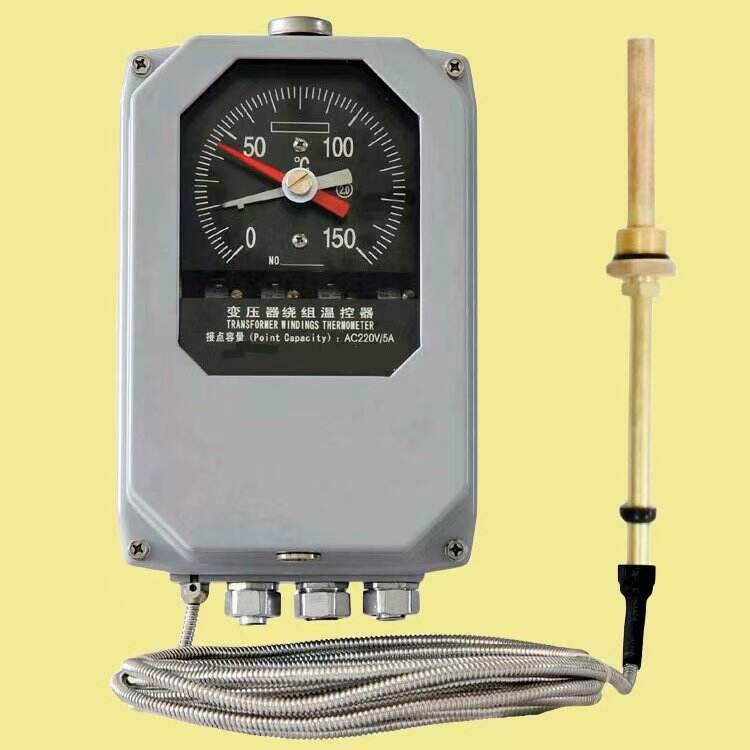
Power transformers represent critical infrastructure investments that require comprehensive monitoring systems to ensure reliable operation and extended service life. Among the most crucial monitoring parameters, winding temperature stands as a primary indicator of transformer health and operational status. A transformer winding temperature sensor provides real-time thermal monitoring capabilities that enable operators to detect potential issues before they escalate into costly failures. These sophisticated sensing devices have become indispensable components in modern transformer protection schemes, offering precise temperature measurements that directly correlate with transformer loading conditions and internal health status.
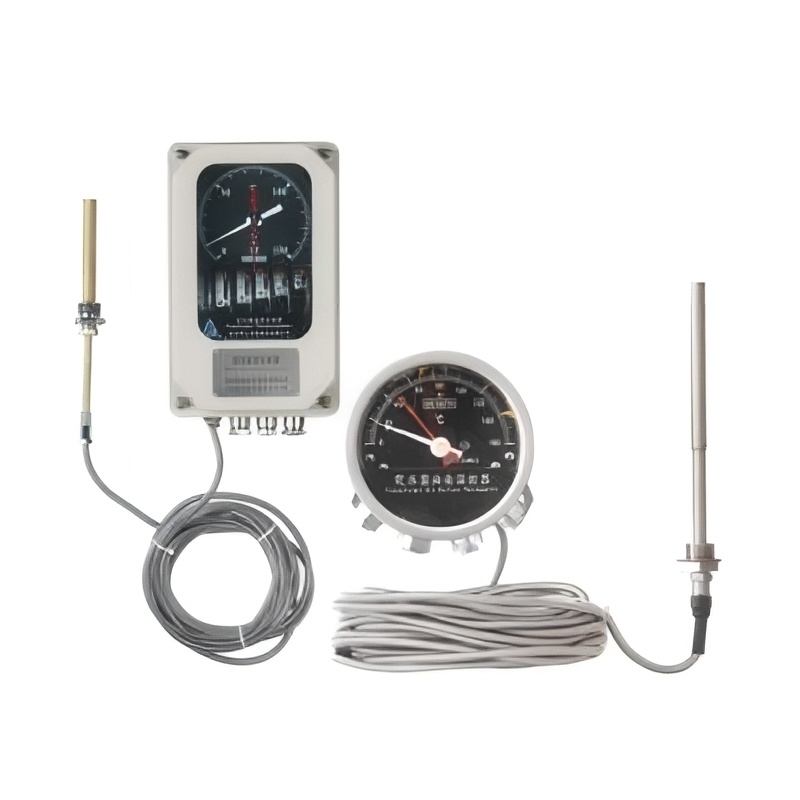
The implementation of advanced temperature sensing technology has revolutionized transformer asset management strategies across utility companies and industrial facilities worldwide. Modern transformer winding temperature sensor systems integrate seamlessly with digital protection relays and supervisory control systems, providing continuous monitoring capabilities that extend far beyond traditional analog gauges. This technological evolution has enabled operators to optimize transformer loading while maintaining safe operating margins, ultimately maximizing asset utilization and return on investment.
Understanding Transformer Thermal Dynamics
Heat Generation Mechanisms in Power Transformers
Power transformers generate heat through multiple mechanisms during normal operation, with winding losses representing the most significant thermal source. Copper losses in the primary and secondary windings increase proportionally with the square of the load current, making accurate temperature monitoring essential for safe operation. Core losses, though relatively constant, contribute additional thermal stress that must be considered in comprehensive temperature management strategies.
The thermal behavior of transformer windings follows complex patterns influenced by ambient temperature, cooling system efficiency, and load characteristics. A properly calibrated transformer winding temperature sensor captures these thermal variations with high precision, enabling operators to understand the relationship between electrical loading and thermal response. This understanding becomes critical when evaluating transformer capacity during peak demand periods or emergency loading scenarios.
Temperature Distribution Patterns Within Transformer Windings
Temperature distribution within transformer windings exhibits significant variations based on winding geometry, cooling arrangement, and load distribution patterns. The hottest spots typically occur in the upper portions of high-voltage windings, where heat accumulation combines with reduced cooling effectiveness. Strategic placement of transformer winding temperature sensor elements ensures accurate monitoring of these critical thermal zones.
Advanced sensing systems employ multiple temperature measurement points to create comprehensive thermal profiles of transformer windings. This multi-point monitoring approach enables operators to identify developing hot spots before they reach dangerous levels, providing early warning of potential insulation degradation or cooling system problems. The correlation between measured temperatures and predicted hot-spot temperatures forms the foundation of modern transformer thermal management protocols.
Advanced Sensing Technologies for Transformer Monitoring
Fiber Optic Temperature Sensing Solutions
Fiber optic temperature sensing represents the most advanced technology available for transformer winding temperature monitoring applications. These systems utilize distributed temperature sensing principles to provide continuous temperature measurements along the entire length of optical fibers embedded within transformer windings. The immunity to electromagnetic interference makes fiber optic transformer winding temperature sensor systems ideal for high-voltage applications where traditional sensing methods face limitations.
The installation of fiber optic sensing cables during transformer manufacturing enables unprecedented visibility into internal thermal conditions. These systems can detect temperature variations as small as one degree Celsius while providing spatial resolution down to one meter intervals. This level of precision allows operators to identify localized heating effects that might indicate developing problems such as turn-to-turn faults or cooling blockages.
Resistance Temperature Detector Integration
Resistance Temperature Detectors remain the most widely deployed transformer winding temperature sensor technology due to their proven reliability and cost-effectiveness. Modern RTD systems incorporate digital signal processing capabilities that enhance measurement accuracy while reducing susceptibility to electrical noise. The integration of RTD sensors with intelligent temperature controllers enables automated response to thermal excursions, including load shedding and alarm generation.
Contemporary RTD-based monitoring systems support multiple sensor configurations, allowing operators to customize temperature monitoring schemes based on specific transformer designs and operational requirements. The standardization of RTD specifications ensures compatibility across different manufacturer platforms while maintaining high accuracy standards essential for reliable asset protection. These systems typically achieve measurement uncertainties within plus or minus 0.5 degrees Celsius under normal operating conditions.
Asset Protection Benefits Through Temperature Monitoring
Preventing Catastrophic Transformer Failures
The primary benefit of implementing comprehensive transformer winding temperature sensor systems lies in their ability to prevent catastrophic failures that could result in extended outages and significant financial losses. Statistical analysis of transformer failures indicates that thermal stress represents a leading cause of premature asset deterioration, making temperature monitoring essential for effective asset protection strategies.
Early detection of thermal anomalies enables operators to implement corrective actions before irreversible damage occurs to transformer insulation systems. The relationship between operating temperature and insulation life follows well-established aging curves, with every ten-degree increase in operating temperature approximately halving insulation life expectancy. Accurate temperature monitoring through reliable sensing systems provides the data necessary to optimize loading practices while maintaining acceptable risk levels.
Optimizing Transformer Loading Capabilities
Modern transformer winding temperature sensor systems enable dynamic loading optimization that maximizes asset utilization while maintaining safe operating margins. By providing real-time thermal feedback, these systems allow operators to safely exceed nameplate ratings during peak demand periods when system conditions permit. This capability has become increasingly valuable as utility companies face growing pressure to maximize existing asset utilization.
The implementation of intelligent loading algorithms based on transformer winding temperature sensor data enables automated optimization of transformer operations. These systems continuously evaluate thermal conditions against predetermined limits, automatically adjusting loading recommendations to maintain safe operating conditions. The result is improved system reliability combined with enhanced asset utilization that directly impacts operational profitability.
Implementation Strategies for Temperature Sensing Systems
Retrofit Installation Considerations
Retrofitting existing transformers with advanced transformer winding temperature sensor systems requires careful planning to minimize operational disruptions while maximizing monitoring effectiveness. The selection of appropriate sensing technologies must consider factors such as transformer age, cooling system design, and existing protection schemes. Successful retrofit projects typically involve comprehensive thermal modeling to identify optimal sensor placement locations.
Installation procedures for retrofit applications must account for the challenges associated with accessing internal transformer components without compromising insulation integrity. Specialized installation techniques enable the deployment of sensing cables through existing bushings or dedicated access ports, minimizing the need for major transformer modifications. These approaches have proven successful across various transformer designs and voltage classes.
Integration with Digital Protection Systems
The integration of transformer winding temperature sensor systems with modern digital protection platforms creates comprehensive monitoring solutions that enhance overall transformer protection capabilities. These integrated systems combine thermal monitoring with electrical protection functions, enabling coordinated responses to developing abnormal conditions. The communication protocols used in modern sensing systems ensure seamless integration with existing supervisory control and data acquisition systems.
Advanced integration strategies incorporate predictive analytics capabilities that utilize historical temperature data to identify developing trends and potential problems. Machine learning algorithms can analyze patterns in temperature data to provide early warning of impending issues, enabling proactive maintenance scheduling that minimizes unplanned outages. This predictive approach represents the future of transformer asset management, where data-driven decisions optimize both reliability and cost-effectiveness.
Maintenance and Calibration Requirements
Periodic Calibration Protocols
Maintaining the accuracy and reliability of transformer winding temperature sensor systems requires implementation of systematic calibration protocols that ensure consistent measurement performance throughout the sensor lifecycle. Industry standards specify calibration intervals based on sensor technology and application criticality, with most systems requiring annual verification against traceable temperature standards.
The calibration process involves comparison of sensor outputs against precision reference standards under controlled conditions that simulate actual operating environments. Documentation of calibration results enables trending analysis that can identify sensors approaching end-of-life conditions before accuracy degradation affects operational decisions. This proactive approach to sensor maintenance ensures continued reliability of temperature monitoring systems.
Troubleshooting Common Sensor Issues
Common issues affecting transformer winding temperature sensor performance include cable degradation, moisture ingress, and electrical interference from nearby high-voltage equipment. Systematic troubleshooting procedures enable maintenance personnel to quickly identify and resolve these problems, minimizing the duration of monitoring system outages.
The implementation of redundant sensing arrangements provides backup monitoring capabilities during sensor maintenance or repair activities. This redundancy ensures continuous temperature monitoring even when individual sensor elements require attention, maintaining the integrity of transformer protection systems. Modern sensing systems incorporate self-diagnostic capabilities that automatically detect and report sensor malfunctions, enabling rapid response to equipment problems.
Economic Impact of Temperature Monitoring Systems
Cost-Benefit Analysis of Sensor Implementation
The economic benefits of implementing comprehensive transformer winding temperature sensor systems far exceed the initial investment costs when considering the potential consequences of unmonitored transformer failures. Analysis of utility outage costs indicates that major transformer failures can result in financial impacts exceeding millions of dollars when considering equipment replacement, system restoration, and lost revenue factors.
Beyond failure prevention, temperature monitoring systems enable optimized loading practices that can increase transformer capacity utilization by ten to twenty percent under appropriate conditions. This enhanced utilization capability can defer the need for additional transformer installations, providing significant capital cost savings. The payback period for comprehensive temperature monitoring systems typically ranges from two to five years depending on the criticality of the monitored assets.
Insurance and Regulatory Considerations
Insurance companies increasingly recognize the risk mitigation benefits provided by advanced transformer monitoring systems, including comprehensive transformer winding temperature sensor installations. Many insurers offer premium reductions for facilities that implement recognized monitoring technologies, acknowledging the reduced probability of catastrophic losses. These insurance benefits contribute to the overall economic justification for monitoring system investments.
Regulatory agencies in many jurisdictions encourage or require implementation of advanced monitoring systems for critical transmission transformers. Compliance with these requirements ensures continued operating permits while demonstrating commitment to system reliability and public safety. The documentation capabilities of modern monitoring systems facilitate regulatory reporting and incident investigation processes.
Future Developments in Temperature Sensing Technology
Wireless and IoT-Enabled Monitoring Solutions
The evolution toward wireless and Internet of Things enabled transformer winding temperature sensor systems promises to reduce installation costs while enhancing monitoring capabilities. These systems eliminate the need for extensive cabling installations, making them particularly attractive for retrofit applications where cable routing presents challenges.
Advanced wireless sensing platforms incorporate edge computing capabilities that enable local data processing and analysis, reducing communication bandwidth requirements while providing faster response to abnormal conditions. The integration of artificial intelligence algorithms at the sensor level enables more sophisticated analysis of temperature patterns and improved prediction of developing problems.
Integration with Predictive Maintenance Programs
Future transformer winding temperature sensor systems will play increasingly important roles in comprehensive predictive maintenance programs that utilize multiple monitoring technologies to assess transformer health. The correlation of temperature data with dissolved gas analysis, partial discharge measurements, and oil quality parameters provides comprehensive insights into transformer condition.
Machine learning algorithms trained on historical monitoring data from multiple transformers enable the development of predictive models that can forecast maintenance requirements and optimal replacement timing. This approach transforms maintenance from reactive to proactive strategies that optimize both cost and reliability outcomes.
FAQ
What accuracy levels can be expected from modern transformer winding temperature sensor systems
Modern transformer winding temperature sensor systems typically achieve measurement accuracies within plus or minus 0.5 to 1.0 degrees Celsius under normal operating conditions. Fiber optic systems can provide even higher accuracy levels, often within plus or minus 0.1 degrees Celsius. The actual accuracy depends on sensor technology, installation quality, and calibration procedures.
How do transformer winding temperature sensor systems integrate with existing protection schemes
Transformer winding temperature sensor systems integrate with existing protection schemes through standardized communication protocols such as Modbus, DNP3, or IEC 61850. These protocols enable seamless data exchange with digital protection relays, SCADA systems, and other monitoring equipment. Integration typically involves configuring alarm setpoints and control logic within the existing protection platform.
What maintenance requirements are associated with transformer temperature monitoring systems
Maintenance requirements for transformer winding temperature sensor systems include annual calibration verification, periodic inspection of sensor cables and connections, and validation of communication links. Fiber optic systems may require specialized test equipment for performance verification, while RTD-based systems typically use standard resistance measurement instruments for calibration checks.
Can temperature monitoring systems be retrofitted to existing transformers
Yes, transformer winding temperature sensor systems can be successfully retrofitted to existing transformers using specialized installation techniques. Retrofit installations may utilize existing bushing access ports or require the creation of dedicated sensor entry points. The feasibility and approach depend on transformer design, age, and specific monitoring requirements. Professional installation services ensure proper sensor placement without compromising transformer integrity.
Table of Contents
- Understanding Transformer Thermal Dynamics
- Advanced Sensing Technologies for Transformer Monitoring
- Asset Protection Benefits Through Temperature Monitoring
- Implementation Strategies for Temperature Sensing Systems
- Maintenance and Calibration Requirements
- Economic Impact of Temperature Monitoring Systems
- Future Developments in Temperature Sensing Technology
-
FAQ
- What accuracy levels can be expected from modern transformer winding temperature sensor systems
- How do transformer winding temperature sensor systems integrate with existing protection schemes
- What maintenance requirements are associated with transformer temperature monitoring systems
- Can temperature monitoring systems be retrofitted to existing transformers
