 EN
EN

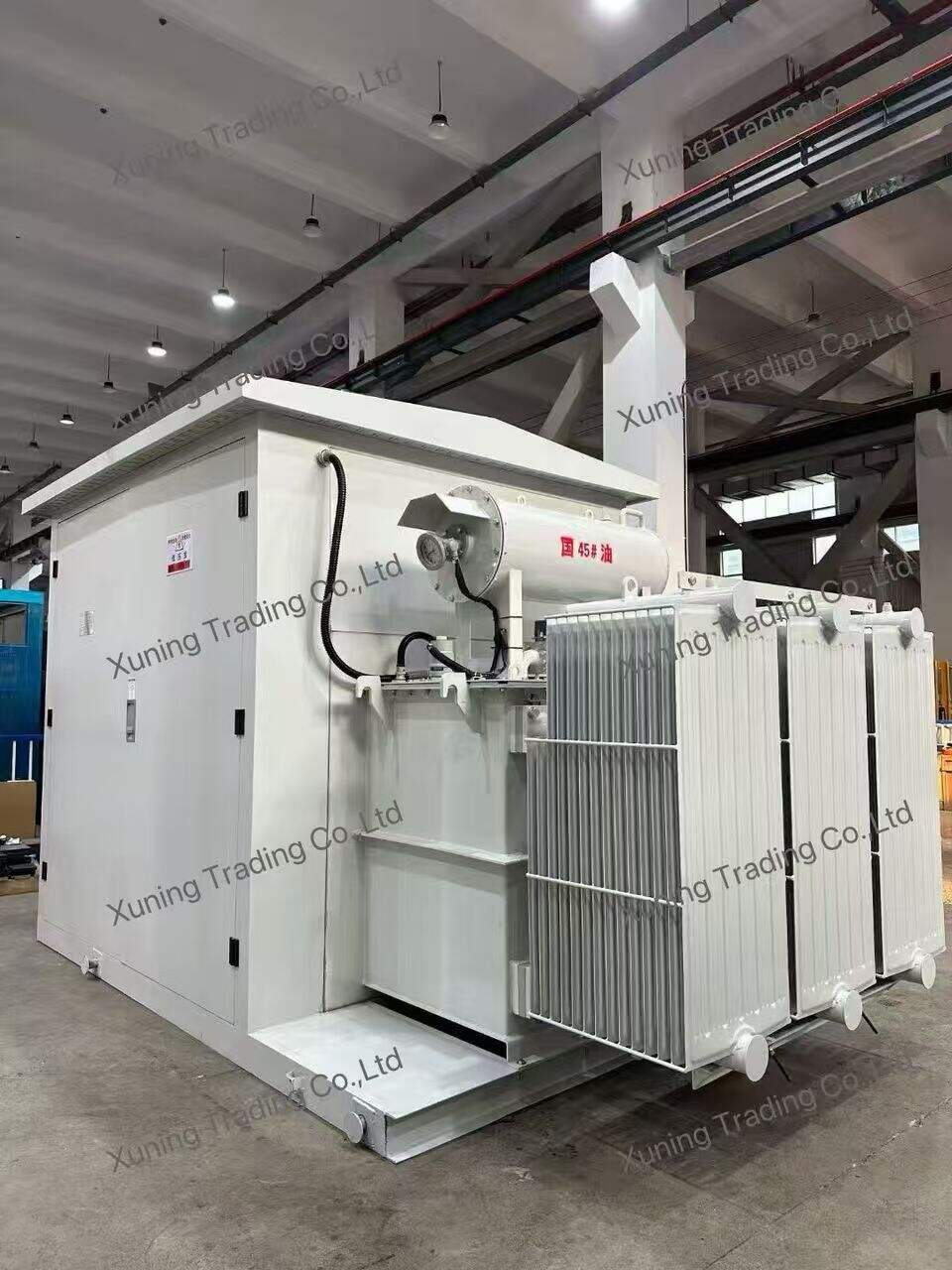
Understanding the practical differences between transformer types is crucial for electrical engineers who design, specify, and maintain power distribution systems. The selection of appropriate transformer types directly impacts system efficiency, reliability, and cost-effectiveness across various industrial and commercial applications. Modern electrical infrastructure relies heavily on matching specific transformer types to their intended applications, whether in power generation facilities, distribution networks, or industrial manufacturing environments.
Core Construction Methods Define Performance Characteristics
Shell Type Construction Benefits
Shell type transformer construction represents one of the most common approaches in medium to high-power applications. This design features magnetic cores that surround the windings, providing superior magnetic flux containment and reduced leakage reactance. The shell configuration offers enhanced mechanical strength and improved short-circuit withstand capability, making these transformer types particularly suitable for industrial environments with demanding operational conditions.
The magnetic circuit in shell type transformers creates multiple paths for flux flow, resulting in better magnetic coupling between primary and secondary windings. This characteristic translates to improved voltage regulation and higher efficiency ratings compared to alternative construction methods. Electrical engineers often specify shell type designs for applications requiring consistent performance under varying load conditions.
Core Type Design Applications
Core type transformer construction utilizes a different approach where windings surround the magnetic core material. These transformer types excel in lower power applications and offer advantages in manufacturing cost and maintenance accessibility. The core design provides excellent heat dissipation characteristics due to the winding arrangement, making thermal management more straightforward in many installations.
The simplified construction of core type transformers allows for easier field maintenance and inspection procedures. Electrical engineers appreciate the accessibility of winding connections and the ability to perform routine maintenance without complete unit disassembly. This construction method proves particularly valuable in distributed power systems where maintenance resources may be limited.
Cooling Methods Impact Operational Reliability
Oil-Filled Transformer Advantages
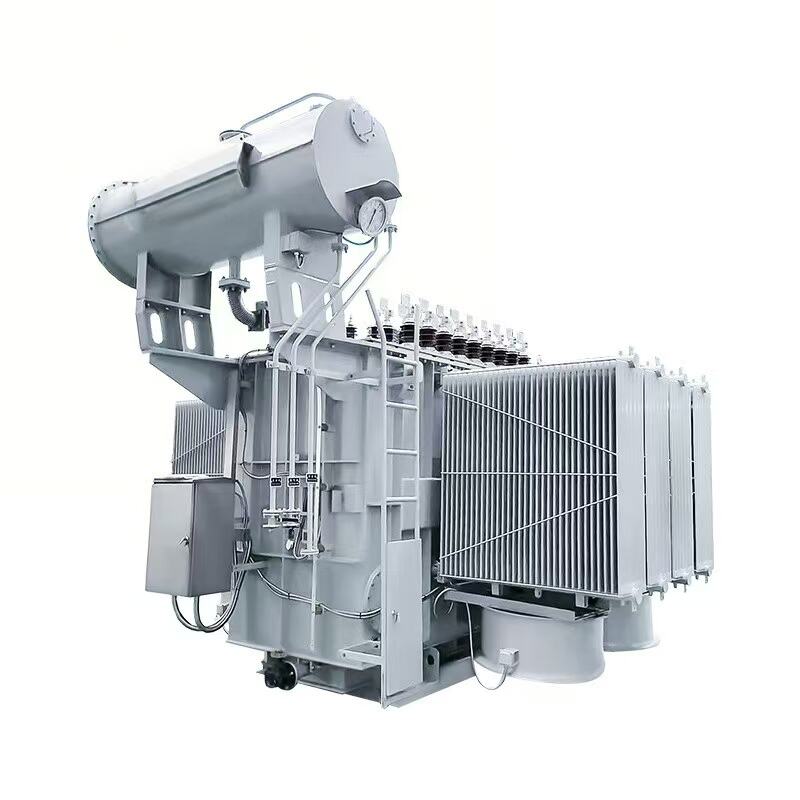
Oil-filled transformer types dominate high-power applications due to their superior heat transfer capabilities and dielectric strength properties. The mineral oil serves dual purposes as both a cooling medium and electrical insulation, enabling these transformer types to operate at higher power densities while maintaining acceptable temperature limits. The thermal conductivity of transformer oil significantly exceeds that of air, allowing for more compact designs in space-constrained installations.
The dielectric properties of transformer oil provide excellent insulation between high-voltage components, enabling higher voltage ratings in smaller physical packages. Oil circulation, whether natural or forced, ensures uniform temperature distribution throughout the transformer core and windings. This thermal management approach extends operational life and maintains consistent electrical performance across varying ambient conditions.
Dry Type Transformer Benefits
Dry type transformer construction eliminates the need for liquid cooling media, relying instead on air circulation for thermal management. These transformer types offer significant advantages in indoor installations where fire safety regulations restrict the use of oil-filled equipment. The absence of combustible liquids reduces environmental concerns and simplifies installation requirements in many commercial and institutional buildings.
Maintenance requirements for dry type transformers are generally lower than their oil-filled counterparts, as there are no fluid levels to monitor or filtration systems to maintain. The solid insulation systems used in dry type designs provide reliable operation in environments where oil contamination or leakage would pose operational risks. Electrical engineers often specify dry type transformer types for indoor substations and building electrical systems where safety and environmental considerations are paramount.
Voltage Configuration Options Meet Diverse System Requirements
Step-Up Transformer Applications
Step-up transformer types are essential components in power generation and transmission systems, converting lower generator voltages to higher transmission levels. These transformers must handle significant power levels while maintaining high efficiency ratings to minimize transmission losses. The design considerations for step-up applications include enhanced insulation systems, robust mechanical construction, and sophisticated cooling arrangements to manage the substantial heat generation associated with high-power operation.
The electrical characteristics of step-up transformer types require careful attention to winding ratios, impedance values, and regulation characteristics. Proper selection ensures optimal power transfer efficiency and voltage stability throughout varying load conditions. These transformers often incorporate tap-changing mechanisms to provide voltage regulation capability, allowing system operators to maintain optimal voltage levels despite changing system conditions.
Step-Down Distribution Transformers
Step-down transformer types serve the critical function of reducing transmission voltages to utilization levels suitable for industrial and commercial loads. These transformers must provide reliable voltage conversion while accommodating the diverse load characteristics typical of distribution systems. The design emphasis shifts toward load flexibility, voltage regulation, and protection against common distribution system disturbances.
Distribution transformer types require robust overcurrent protection and the ability to withstand temporary overloads without damage. The thermal design must accommodate load cycling patterns typical of commercial and residential applications, where demand varies significantly throughout daily and seasonal cycles. Electrical engineers specify these transformer types based on load growth projections and system reliability requirements.
Three-Phase Versus Single-Phase Configurations
Three-Phase System Advantages
Three-phase transformer types offer superior power transfer efficiency and more balanced magnetic flux distribution compared to single-phase alternatives. The inherent balance of three-phase systems reduces neutral current requirements and provides more consistent torque characteristics for rotating machinery. These transformer types enable more efficient utilization of conductor materials and result in smaller, lighter installations for equivalent power ratings.
The magnetic design of three-phase transformer types benefits from improved flux utilization and reduced core material requirements per unit of power transferred. This efficiency translates to lower operational losses and improved power factor characteristics in most applications. Industrial facilities typically specify three-phase transformer types for motor loads and other equipment requiring balanced power delivery.
Single-Phase Applications
Single-phase transformer types remain essential for residential and light commercial applications where three-phase power is not required or available. These transformers offer simplicity in installation and connection, making them suitable for distributed power systems serving individual buildings or small commercial facilities. The straightforward design and operation of single-phase transformer types reduce complexity in system design and maintenance procedures.
Cost considerations often favor single-phase transformer types in lower power applications, as the manufacturing and installation costs per unit are typically lower than three-phase alternatives. The electrical characteristics of single-phase systems align well with residential and small commercial loads, providing adequate power quality for lighting, heating, and small motor applications.
Specialized Transformer Types for Unique Applications
Autotransformer Characteristics
Autotransformer types utilize a single winding with multiple taps to provide voltage transformation, offering significant material and cost savings compared to conventional two-winding designs. These transformer types achieve higher efficiency ratings due to reduced copper losses and improved magnetic coupling between input and output circuits. The electrical connection between primary and secondary circuits provides advantages in certain applications while requiring careful consideration of grounding and protection schemes.
The reduced material requirements of autotransformer types result in smaller physical dimensions and lower installed costs for applications where the voltage transformation ratio is relatively modest. Electrical engineers must evaluate the system grounding requirements and fault current characteristics when specifying autotransformer types, as the electrical connection between windings affects system protection coordination.
Isolation Transformer Benefits
Isolation transformer types provide electrical separation between primary and secondary circuits, offering enhanced safety and noise reduction capabilities. These transformers eliminate common-mode electrical paths that can transmit interference and reduce the risk of shock hazards in sensitive electronic applications. The galvanic isolation provided by these transformer types proves essential in medical facilities, laboratories, and precision manufacturing environments.
The electrical isolation characteristics of these transformer types enable independent grounding schemes for load and source circuits, improving system flexibility and reducing ground loop problems. Electronic equipment often requires isolation transformer types to maintain proper operation in environments with significant electrical noise or grounding irregularities. The transformer design emphasizes low capacitive coupling and enhanced dielectric strength to maximize isolation effectiveness.
Environmental Considerations in Transformer Selection
Indoor Installation Requirements
Indoor transformer types must comply with stringent fire safety codes and ventilation requirements that vary significantly based on local regulations and building occupancy classifications. Dry type transformer types are typically preferred for indoor applications due to their reduced fire hazard and simplified installation requirements. The selection process must consider available ventilation, ambient temperature limits, and accessibility for maintenance operations.
Sound levels become critical considerations for indoor transformer installations, particularly in occupied buildings where noise restrictions apply. Low-noise transformer types incorporate design features such as step-lap core construction and sound-dampening enclosures to minimize audible output. Electrical engineers must evaluate both steady-state and transient noise characteristics when specifying indoor transformer types.
Outdoor Installation Challenges
Outdoor transformer types require robust environmental protection against moisture, temperature extremes, and atmospheric contamination. The enclosure design must provide adequate weatherproofing while maintaining proper ventilation for thermal management. UV-resistant materials and corrosion-resistant finishes extend operational life in harsh outdoor environments where maintenance access may be limited.
Lightning protection and surge withstand capability become paramount considerations for outdoor transformer types, as these installations face direct exposure to atmospheric disturbances. The electrical design must incorporate appropriate surge arresters and grounding systems to protect against overvoltage conditions. Wildlife protection features may be necessary in certain geographic areas to prevent outages caused by animal contact.
Economic Factors in Transformer Type Selection
Initial Cost Considerations
The initial purchase price of different transformer types varies significantly based on construction methods, materials, and performance specifications. Oil-filled transformer types generally offer lower per-unit costs for higher power ratings, while dry type alternatives command premium pricing due to their specialized insulation systems and fire safety benefits. Electrical engineers must balance initial cost against long-term operational considerations when evaluating transformer type alternatives.
Installation costs can significantly impact the total project economics, particularly for transformer types requiring specialized foundations, containment systems, or environmental controls. The complexity of electrical connections and protection system requirements varies among transformer types, affecting both material and labor costs during installation. Project scheduling considerations may influence transformer type selection when delivery times vary significantly between alternatives.
Operational Cost Analysis
Energy efficiency differences between transformer types can result in substantial operational cost variations over the expected service life. Higher efficiency transformer types typically command premium initial pricing but provide ongoing energy cost savings that may justify the additional investment. The economic analysis must consider local utility rates, load characteristics, and projected service life to determine the optimal transformer type selection.
Maintenance costs vary considerably among transformer types, with dry type designs generally requiring less routine maintenance than oil-filled alternatives. However, the accessibility and complexity of maintenance procedures can impact long-term operational costs regardless of the transformer type selected. Spare parts availability and specialized service requirements should be evaluated when comparing total cost of ownership among different transformer types.
FAQ
What factors determine the most suitable transformer type for a specific application?
The selection of appropriate transformer types depends on several critical factors including power rating requirements, voltage levels, installation environment, and safety considerations. Indoor applications typically favor dry type transformer types due to fire safety requirements, while outdoor installations may utilize oil-filled designs for better thermal performance. Load characteristics, efficiency requirements, and maintenance accessibility also influence the optimal transformer type selection for each specific application.
How do efficiency ratings compare between different transformer types?
Efficiency ratings vary among transformer types based on construction methods and cooling systems. Oil-filled transformer types typically achieve higher efficiency ratings due to superior heat transfer capabilities and lower operating temperatures. However, modern dry type transformer types incorporate advanced materials and design techniques that approach the efficiency levels of oil-filled alternatives while providing safety and environmental advantages in appropriate applications.
What maintenance requirements differ between transformer types?
Maintenance requirements vary significantly among different transformer types. Oil-filled units require regular fluid testing, filtration, and replacement, along with monitoring of moisture content and dissolved gases. Dry type transformer types eliminate fluid maintenance requirements but need regular inspection of insulation systems and ventilation paths. The accessibility of internal components and required maintenance equipment varies among transformer types, affecting long-term service planning and costs.
How do environmental regulations impact transformer type selection?
Environmental regulations significantly influence transformer type selection, particularly regarding fire safety codes, spill containment requirements, and indoor air quality standards. Many jurisdictions restrict or prohibit certain transformer types in occupied buildings, while others require specialized containment systems for oil-filled installations. Environmental impact assessments may favor transformer types with lower carbon footprints or reduced end-of-life disposal requirements, affecting specification decisions in environmentally sensitive projects.
Table of Contents
- Core Construction Methods Define Performance Characteristics
- Cooling Methods Impact Operational Reliability
- Voltage Configuration Options Meet Diverse System Requirements
- Three-Phase Versus Single-Phase Configurations
- Specialized Transformer Types for Unique Applications
- Environmental Considerations in Transformer Selection
- Economic Factors in Transformer Type Selection
- FAQ
