single phase transformer voltage
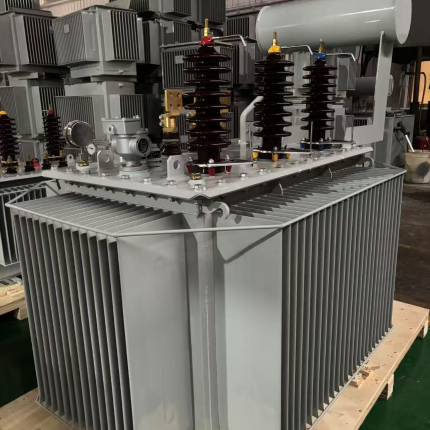
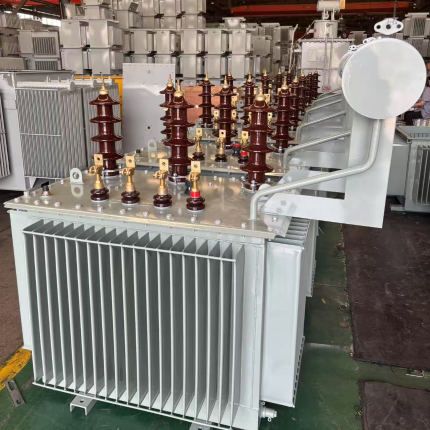
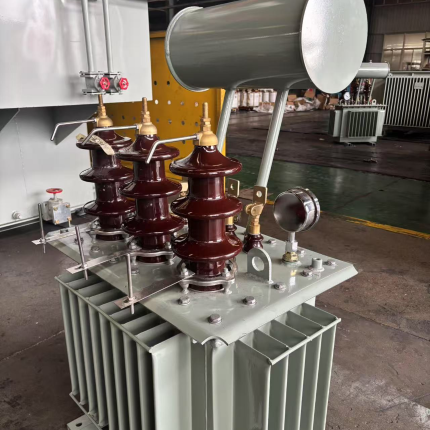
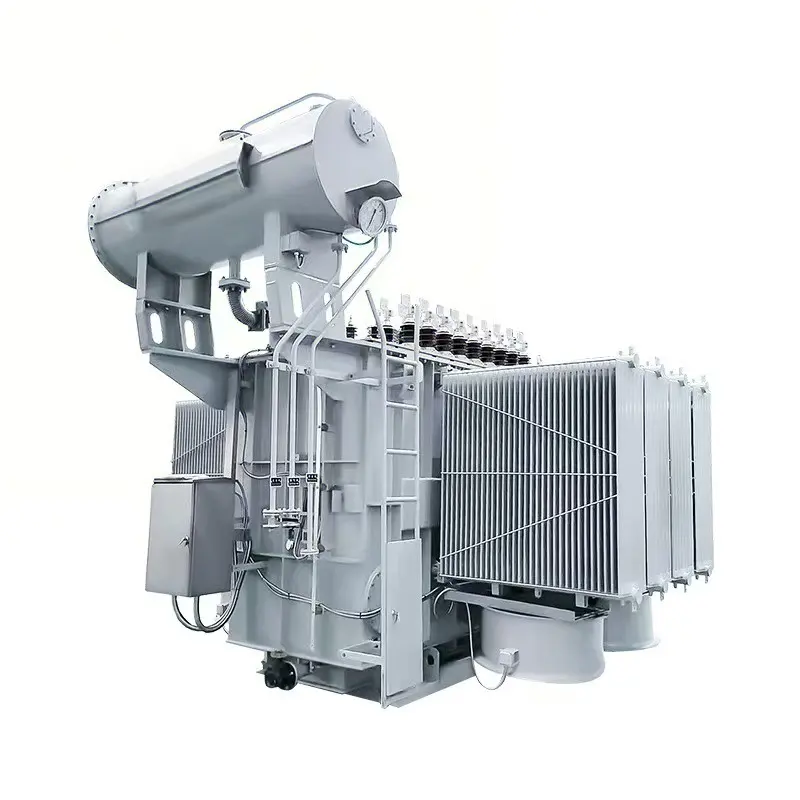
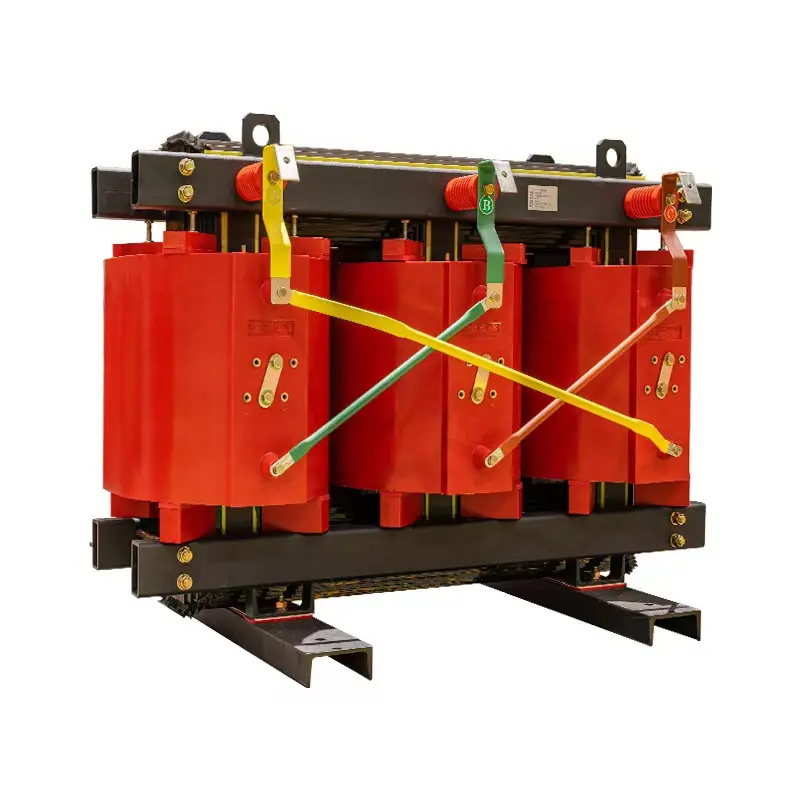
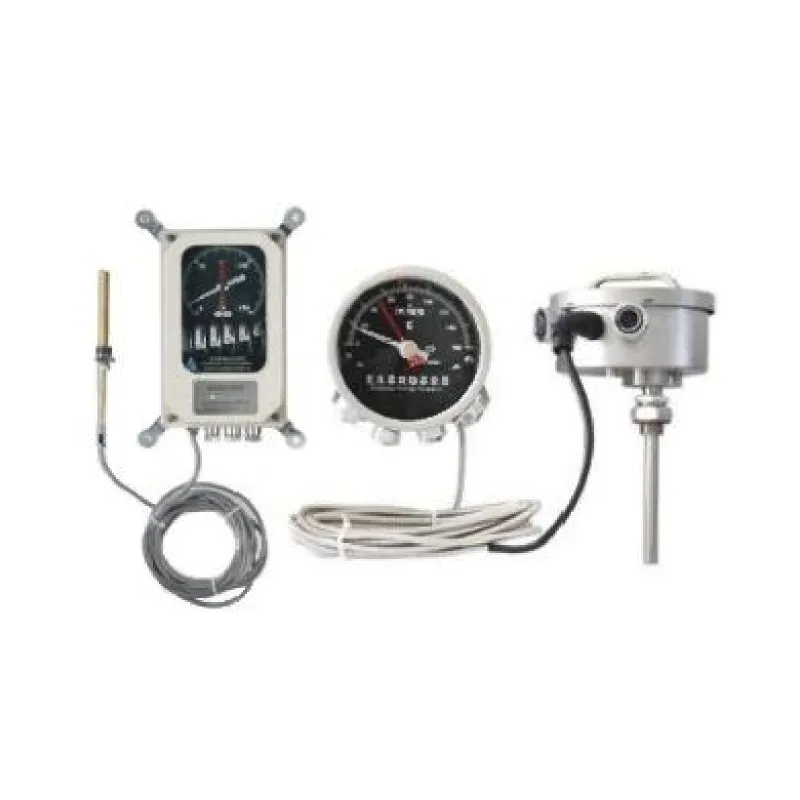
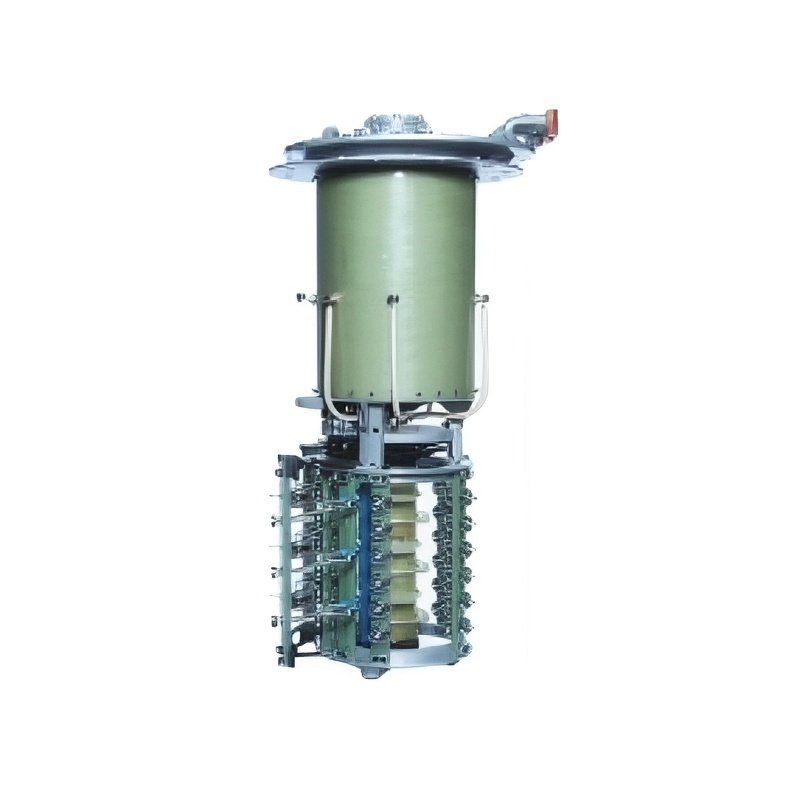
A single phase transformer voltage is a crucial electrical device that converts alternating current voltage from one level to another while maintaining the same frequency. This fundamental component of power distribution systems consists of two primary windings, primary and secondary, wound around a laminated steel core. The device operates on the principle of electromagnetic induction, where changing magnetic flux in the primary winding induces voltage in the secondary winding. The transformation ratio between input and output voltage is determined by the number of turns in each winding. These transformers are extensively used in residential power distribution, where they step down high transmission voltages to safer levels suitable for household use. They are also integral in various electronic devices, industrial equipment, and power supply units. The design incorporates essential features such as proper insulation between windings, efficient cooling systems, and protective mechanisms against overload and short circuits. Modern single phase transformers often include advanced monitoring capabilities, temperature sensors, and smart control systems to ensure optimal performance and longevity.
 EN
EN